How to Identify and Fix a Slow Tire Leak is a crucial skill every vehicle owner should possess. A slow tire leak can lead to reduced fuel efficiency, compromised safety, and costly repairs if left unaddressed. Understanding the nuances of tire leaks, including their causes and symptoms, is essential for timely intervention and maintenance.
In this guide, we will explore the common indicators of a slow tire leak, the tools needed for detection, and effective methods for both temporary and permanent fixes. Whether you are a seasoned DIY enthusiast or a novice, this comprehensive overview will empower you to tackle tire leaks with confidence.
Introduction to Tire Leaks
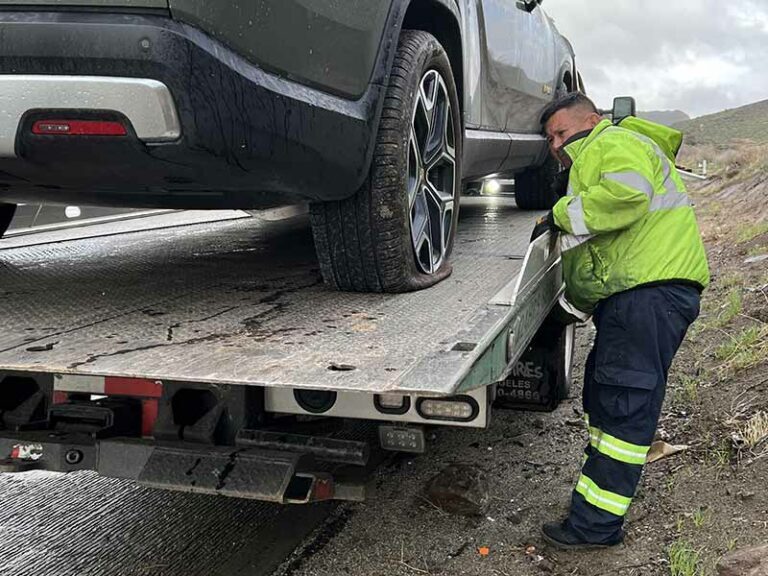
A slow tire leak is a gradual loss of air pressure in a tire, often going unnoticed until it becomes a more significant problem. This type of leak can occur due to various factors, including defects in the tire, environmental conditions, or physical damage. Understanding and addressing slow tire leaks is crucial for vehicle safety, fuel efficiency, and extending the lifespan of tires.Identifying and fixing tire leaks is essential as they can lead to decreased handling, increased fuel consumption, and potential tire blowouts.
Regularly monitoring tire pressure and inspecting for leaks can prevent these issues, enhancing the overall performance of the vehicle. Additionally, addressing leaks promptly can save vehicle owners from more costly repairs and replacements in the future.
Common Causes of Slow Tire Leaks in Vehicles
Several factors contribute to slow tire leaks, and recognizing these can help in timely detection and repair. The most common causes include:
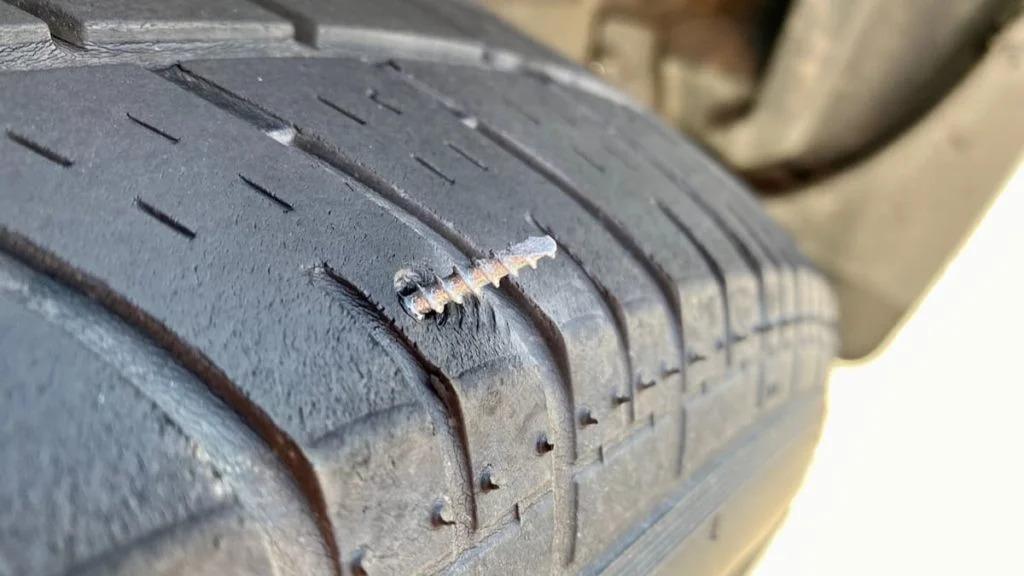
- Punctures: Small objects like nails, screws, or shards of glass can puncture the tire, leading to a slow leak.
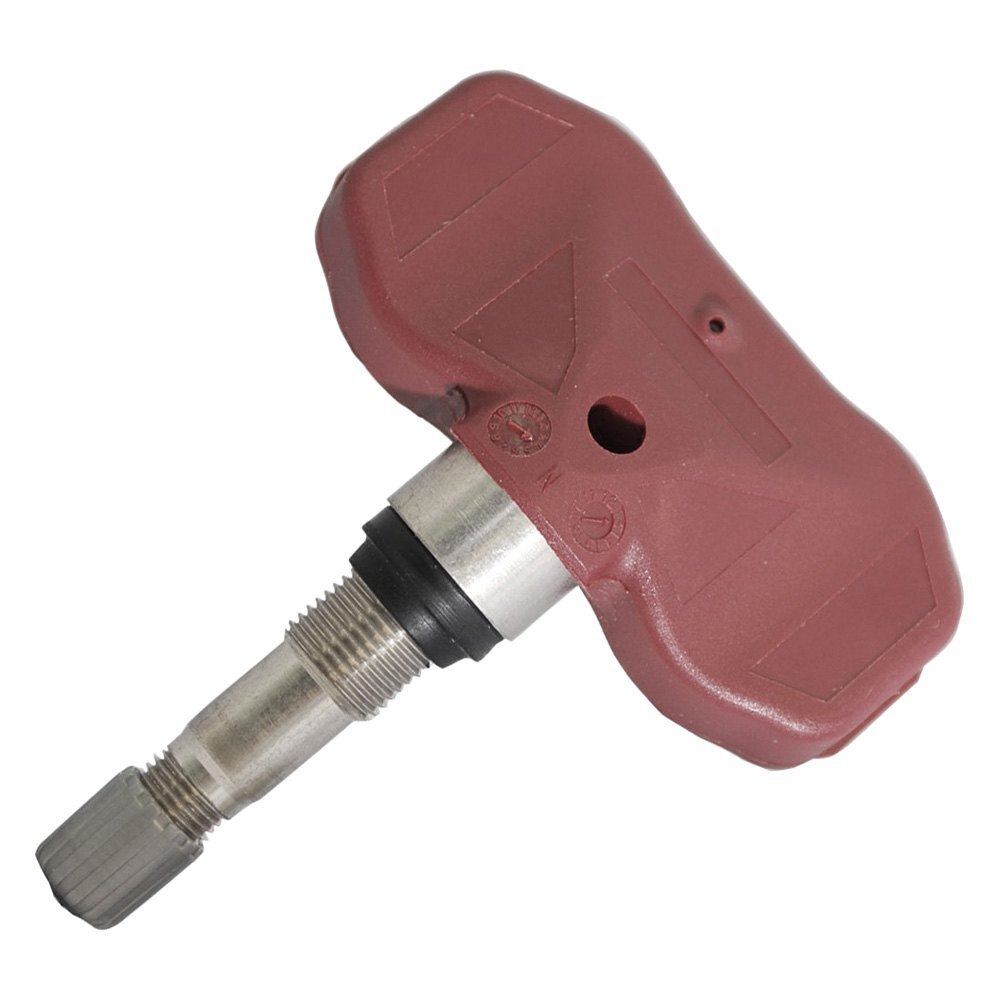
- Valve Stem Issues: The valve stem, which allows air to enter and exit the tire, can degrade or become damaged over time, resulting in leaks.
- Rim Damage: Corrosion or damage to the wheel rim can create gaps where the tire meets the rim, causing air to escape.
- Tire Wear and Tear: Worn tires may develop tiny cracks or holes, making them susceptible to slow leaks.
- Bead Leaks: The area where the tire seals against the rim can wear down, resulting in air loss.
Recognizing these common causes can facilitate proactive maintenance. Regular inspections of tires for signs of damage or wear, alongside monitoring tire pressure, can enhance safety and performance.
Regularly checking tire pressure is essential for optimal vehicle performance and safety.
Signs of a Slow Tire Leak
Detecting a slow tire leak can be challenging, as the symptoms often develop gradually and may go unnoticed until they significantly affect tire performance and safety. Understanding the signs is crucial for maintaining optimal tire health and ensuring safe driving conditions. This section will detail the symptoms indicating a slow tire leak, the processes for regularly checking tire pressure, and the importance of visually inspecting tires for any signs of damage or wear.
Symptoms Indicating a Slow Tire Leak
Being aware of the symptoms of a slow tire leak can help drivers address issues promptly before they escalate. Common signs include:
- Decreased Tire Pressure: A noticeable drop in tire pressure over time, usually measurable with a tire pressure gauge.
- Visual Deformation: Tires may appear flatter than usual, or there may be a noticeable bulge on the sidewall.
- Increased Fuel Consumption: A gradual increase in fuel consumption can indicate that the vehicle struggles to maintain efficiency due to improper tire inflation.
- Vibration While Driving: Uneven tire pressure may cause the car to vibrate or pull to one side while driving.
Checking Tire Pressure Regularly
Regularly checking tire pressure is essential to ensure that tires are properly inflated, which can enhance safety and fuel efficiency. Steps to check tire pressure include:
- Use a reliable tire pressure gauge to measure the current pressure.
- Check tire pressure when tires are cold, preferably in the morning before driving.
- Compare the measured pressure to the recommended pressure listed in the vehicle’s manual or on the door jamb sticker.
- Inflate or deflate the tires as necessary to match the recommended levels.
- Repeat this process at least once a month and before long trips to ensure consistent safety.
Visual Inspection of Tires for Damage or Wear
Conducting a thorough visual inspection of tires is vital for identifying damage early. The process includes looking for:
- Cracks or Cuts: Inspect the sidewalls and tread for signs of cracks, cuts, or punctures that could lead to air loss.
- Tread Depth: Use a tread depth gauge to measure the depth; tires should have adequate tread for safe driving, ideally at least 2/32 of an inch.
- Foreign Objects: Check for embedded stones, nails, or other debris that could cause leaks.
- Uneven Wear Patterns: Look for signs of uneven wear, which could indicate issues such as misalignment or improper inflation.
“Regular inspection and maintenance of tires not only prolongs their lifespan but ensures a safer and more efficient driving experience.”
Tools and Materials Needed
Identifying and fixing a slow tire leak requires specific tools and materials to ensure the task is conducted efficiently and safely. Understanding these essentials will not only streamline the repair process but also help in maintaining tire health in the long run.
Essential Tools for Identifying and Fixing a Slow Tire Leak
Having the right tools at hand is crucial for accurately diagnosing and repairing a slow tire leak. The following tools are essential for this task:
- Tire Pressure Gauge: A tire pressure gauge allows you to check the air pressure in your tires, which is critical for identifying leaks. Regular monitoring of tire pressure can help catch leaks early.
- Soapy Water Solution: A simple mixture of soap and water can help identify leaks. When sprayed onto the tire’s surface, bubbles will form at the site of a leak, making it easier to locate.
- Jack and Jack Stands: A jack is necessary to lift the vehicle, allowing you to access the tires for inspection. Jack stands provide additional safety while you work underneath the vehicle.
- Tire Repair Kit: This typically includes tire plugs, a reamer, and a plug insertion tool. These tools are vital for sealing punctures and small leaks effectively.
- Air Compressor: An air compressor is essential for inflating the tire after repairs have been made, restoring the correct pressure.
Tire Sealants and Their Usage
Tire sealants serve as temporary solutions for fixing slow leaks and can prevent air loss for a limited time. These products work by coating the inner surface of the tire and sealing small punctures upon contact with air. When using tire sealants, it is essential to follow these guidelines:
- Choose the Right Sealant: Look for a sealant that is compatible with your tire type. There are options for both tubeless and tube-type tires, and using the wrong one can result in ineffective sealing.
- Application: Shake the canister well before use, then connect it to the valve stem of the tire. Inflate the tire slightly and dispense the recommended amount of sealant into the tire. Once applied, drive the vehicle to allow the sealant to distribute evenly.
- Limitations: Tire sealants are not permanent fixes. They should only be used as a temporary measure until a professional repair or replacement can be performed.
Importance and Effective Use of a Tire Pressure Gauge
A tire pressure gauge is one of the most vital tools for maintaining tire safety and performance. Keeping tires inflated to the correct pressure not only prolongs their lifespan but also enhances fuel efficiency and handling.
- Regular Checks: It is advisable to check tire pressure at least once a month and before long trips. Temperature changes and driving conditions can affect tire pressure.
- How to Use: To use a tire pressure gauge, remove the valve cap from the tire’s valve stem, press the gauge onto the stem firmly, and read the pressure on the gauge. Compare this reading to the manufacturer’s recommended pressure, which can typically be found on a label inside the driver’s side door.
- Adjustments: If the pressure is too low, use an air compressor to inflate the tire. If it is too high, release some air until the correct pressure is achieved.
Methods to Identify a Slow Tire Leak
Detecting a slow tire leak is essential for maintaining optimal vehicle performance and safety. Identifying the source of air loss can prevent further tire damage and enhance fuel efficiency. This section will discuss effective methods for pinpointing a slow tire leak, including practical techniques that can be easily implemented.
Soap and Water Method for Detecting Tire Leaks
One of the simplest and most effective ways to identify a slow tire leak is by using a soap and water mixture. This method involves applying the solution to the tire’s surface to observe bubbling, which indicates escaping air. To perform this method effectively, follow these steps:
- Prepare a mixture of soap and water in a spray bottle. A solution with a ratio of 1 part soap to 2 parts water works well.
- Ensure the tire is clean and free from debris. Dirt can hinder the visibility of bubbles.
- Spray the soapy solution generously over the entire surface of the tire, focusing on areas like the tread, sidewalls, valve stem, and bead seat.
- Observe the tire closely for any bubbles forming. The presence of bubbles signifies a leak, allowing you to identify the affected area.
Submerging a Tire in Water to Find Bubbles
For a more thorough inspection, submerging the tire in water can reveal leaks that may not be visible through the soap method alone. This technique is particularly useful for tires that are difficult to inspect while on the vehicle.Consider the following step-by-step guide:
- Begin by removing the tire from the vehicle. This step ensures easier handling and better visibility.
- Find a large container or tub filled with water, ensuring it is deep enough to fully submerge the tire.
- Slowly immerse the tire into the water. Make sure the tire is completely submerged to expose all potential leak areas.
- Watch for the emergence of bubbles as the tire is submerged. Bubbles will indicate where air is escaping.
- Mark the location of the bubbles with a waterproof marker to ensure the leak can be easily found and addressed later.
Checklist for Common Areas to Inspect for Leaks
When attempting to identify a slow tire leak, certain areas are more prone to air loss. A systematic inspection can be beneficial.Consider the following checklist to ensure comprehensive coverage during your inspection:
Valve Stem
Check for cracks, wear, or looseness around the valve where air may escape.
Bead Seat
Inspect the area where the tire meets the wheel for any gaps or dirt that may prevent a proper seal.
Sidewalls
Look for punctures, cuts, or bubbles that can indicate internal damage.
Tread
Examine the tread pattern for foreign objects, such as nails or stones, which may cause slow leaks.
Repair Patches
If the tire has previous repairs, inspect the patches for signs of deterioration or air loss.By systematically checking these common areas, you can effectively identify and address any slow tire leaks, ensuring safe and efficient vehicle operation.
Temporary Fixes for a Slow Tire Leak
In situations where a slow tire leak is identified, immediate action is often necessary to prevent further damage or unsafe driving conditions. Temporary fixes can provide a viable solution until a professional repair can be made. Utilizing tire sealants and plugs are common methods for addressing this issue effectively and safely.
Tire Sealants as a Temporary Solution
Tire sealants are specially formulated liquids designed to seal punctures in tires quickly. They can be applied directly through the valve stem and work by coating the interior of the tire, sealing any leaks as the tire rotates. The following steps Artikel the procedure for using tire sealants effectively:
1. Prepare the Tire
Ensure the tire is inflated to the recommended pressure. Remove any valve cap.
2. Insert the Sealant
Shake the tire sealant bottle thoroughly. Attach the nozzle to the valve stem and squeeze the bottle to release the sealant into the tire.
3. Reinflate the Tire
After applying the sealant, reinflate the tire to the recommended pressure using an air compressor or manual pump.
4. Distribute the Sealant
Drive the vehicle for a short distance to allow the sealant to coat the inside of the tire evenly. It is important to note that tire sealants are a temporary solution and should be replaced or professionally repaired as soon as possible.
Tire Plugs and Correct Installation Technique
Tire plugs are another effective temporary fix for slow tire leaks, particularly for punctures in the tread area. The installation requires a few specific steps to ensure a secure and effective seal:
1. Locate the Puncture
Inflate the tire to identify the location of the leak, which may produce a hissing sound or bubble when submerged in water.
2. Prepare the Tool and Plug
Use a tire plug kit, which typically includes a reamer and a plug insertion tool. Insert the reamer into the puncture to clean and widen it.
3. Insert the Plug
Take a plug from the kit, coat it lightly with rubber cement if recommended, and use the insertion tool to drive it into the puncture until approximately two-thirds of the plug is inside the tire.
4. Trim Excess Plug
Remove the insertion tool and trim any excess plug material sticking out of the tire.Following these steps will help ensure the tire is adequately sealed until it can be professionally repaired.
Steps for Reinflating a Tire After Sealing the Leak
Once a tire has been sealed using either a sealant or plug, it is crucial to reinflate the tire to the manufacturer’s specified pressure. The following steps Artikel the correct procedure for reinflation:
1. Check the Pressure
Before reinflating, use a tire pressure gauge to measure the current pressure and determine how much air is needed.
2. Use an Air Compressor
Connect an air compressor or pump to the valve stem. Inflate the tire gradually, checking periodically to avoid over-inflation.
3. Reach the Recommended Pressure
Inflate the tire until it reaches the appropriate pressure as indicated on the vehicle’s door jamb or owner’s manual.
4. Seal the Valve Stem
Once inflation is complete, securely replace the valve cap to prevent air from escaping.Adhering to these steps ensures that the tire remains properly inflated and safe for use, providing a temporary solution until a permanent repair can be arranged.
Permanent Solutions for Slow Tire Leaks
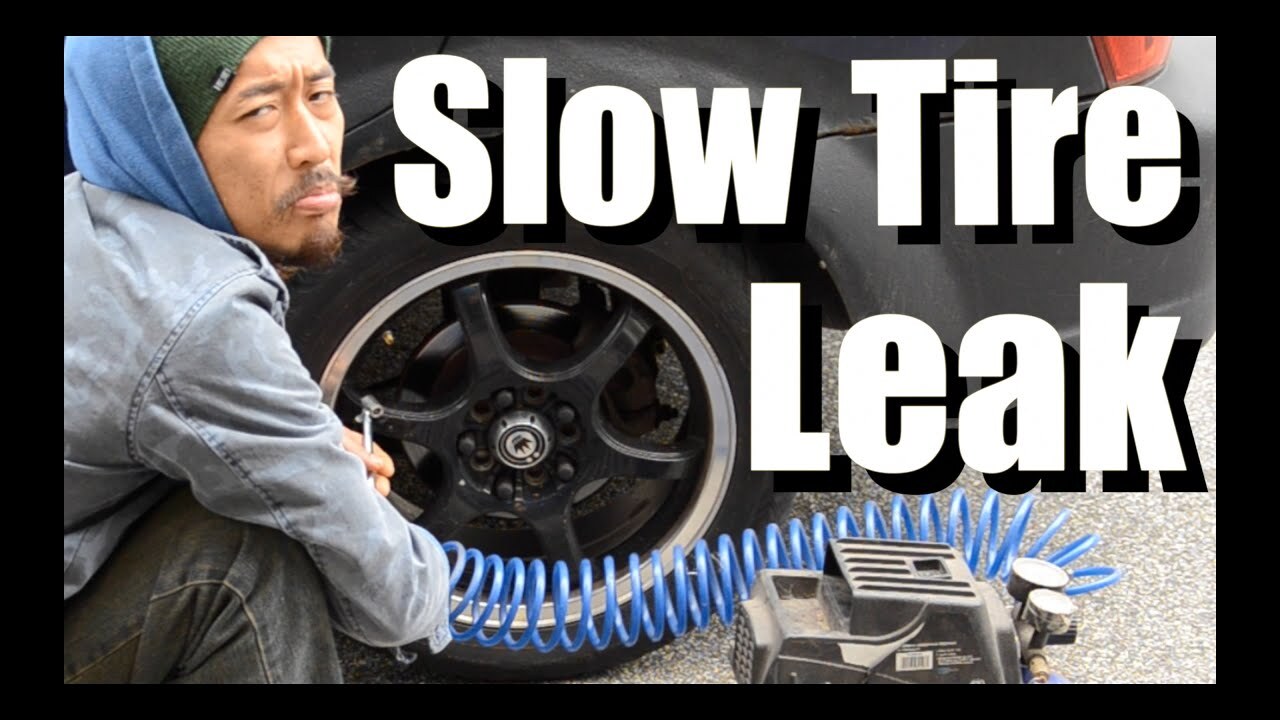
Identifying and addressing a slow tire leak is crucial to maintaining vehicle safety and performance. While temporary fixes can alleviate immediate concerns, long-term solutions are necessary for reliable tire functionality. This section provides insights into permanent resolutions for slow tire leaks, focusing on professional repair services, scenarios necessitating tire replacement, and a cost comparison between DIY and professional options.
Benefits of Professional Tire Repair Services
Opting for professional tire repair services presents numerous advantages. Trained technicians possess the expertise to accurately diagnose and address complex tire issues that might not be evident to the average vehicle owner. Professional repairs typically involve thorough inspections and the utilization of specialized equipment, ensuring a comprehensive fix. The following points highlight the benefits of professional tire repairs:
- Thorough Inspection: Professionals conduct detailed evaluations, identifying not only the source of the leak but also any additional damage that may compromise tire integrity.
- Quality Assurance: Most repair shops guarantee their work, providing peace of mind that the repair is reliable and effective.
- Safety Compliance: Professional services adhere to industry standards, ensuring that repairs meet safety regulations.
- Time Efficiency: Utilizing specialized tools and techniques, professionals can often complete repairs more swiftly than a DIY approach.
Scenarios Requiring Tire Replacement
Though many tire leaks can be repaired, certain circumstances necessitate replacement to ensure safety and performance. The following scenarios typically warrant tire replacement:
- Severe Sidewall Damage: Any visible tears or punctures in the sidewall can severely compromise the tire’s structural integrity, making repair impractical.
- Multiple Punctures: If a tire has multiple leaks or if repairs exceed a specific threshold, replacement is often the safest option.
- Excessive Tread Wear: Tires with worn-out tread can lead to poor performance and increased risk of blowouts, warranting a complete replacement.
- Internal Damage: Damage that cannot be assessed externally, such as separation of the tire’s components, may require a full tire replacement.
Cost Comparison of DIY Repairs Versus Professional Services
Comparing the costs of DIY tire repairs and professional services is essential for making an informed decision. While DIY methods may appear economical initially, they can lead to higher long-term expenses if the repair fails or if further damage occurs. Consider the following aspects when evaluating costs:
- DIY Repair Costs: On average, DIY tire repair kits range from $10 to $30. However, the effectiveness of these kits may vary, and additional tools may be needed.
- Professional Repair Costs: Professional tire repairs typically range from $20 to $40 for simple punctures. An enhanced inspection and repair could cost more, depending on the complexity.
- Long-Term Savings: Investing in professional repairs can save costs in the long run by preventing further damage and ensuring safety during operation.
“When in doubt, professional assistance not only ensures safety but can also prove to be more cost-effective in the long run.”
Safety Considerations
When working on tires, ensuring safety is paramount to prevent accidents and injuries. Tire maintenance and repairs often involve handling heavy equipment and tools, making it essential to adhere to safety protocols. This section will Artikel the necessary safety measures to take while working on tires, including guidelines for safely lifting a vehicle and the importance of wearing protective gear during repairs.
Safety Measures While Working on Tires
Taking the right precautions can significantly reduce the risk of accidents when working on tires. It is critical to maintain a clean and organized workspace, which minimizes hazards associated with clutter and misplaced tools. Always ensure that the area is well-lit and free from any obstructions. Wearing protective gear is also vital. Appropriate footwear, such as steel-toed boots, protects against heavy objects that may fall.
Gloves can help prevent cuts and abrasions from sharp tools or debris. Additionally, wearing safety glasses shields the eyes from flying particles and debris.
Guidelines for Safely Lifting a Vehicle
Lifting a vehicle safely is crucial during tire repairs. Following a specific set of guidelines can ensure that the process is conducted securely:
1. Use Proper Equipment
Always utilize a reliable hydraulic jack and jack stands. Ensure that the equipment is rated for the weight of the vehicle.
2. Secure the Vehicle
Before lifting, place wheel chocks behind the wheels that remain on the ground to prevent the vehicle from rolling.
3. Level Ground
Conduct the lifting process on a flat, stable surface to enhance stability and prevent the vehicle from tipping.
4. Follow Instructions
Adhere to the manufacturer’s instructions for the jack and jack stands regarding proper lifting points on the vehicle.Utilizing these guidelines not only protects the individual performing the work but also ensures the vehicle remains stable throughout the process.
Importance of Wearing Protective Gear
Wearing the right protective gear is an essential part of tire maintenance and repair. This gear not only provides physical protection but also instills confidence during the repair process.
Gloves
Protect hands from sharp edges and contaminants, especially when handling tires or tools.
Safety Glasses
Essential for shielding the eyes from dust and debris, especially when inflating tires or performing repairs that might generate particles.
Steel-Toed Boots
Protect feet from heavy objects and provide better grip and stability when working under the vehicle.
High-Visibility Vests
In areas with traffic, wearing high-visibility clothing ensures that individuals are seen, reducing the risk of accidents.By prioritizing safety through protective gear and adhering to proper lifting techniques, individuals can significantly mitigate risks associated with tire repairs and maintenance.
Maintenance Tips to Prevent Future Leaks
Maintaining tire integrity is crucial for safe driving and can significantly reduce the likelihood of experiencing slow leaks. Regular tire maintenance helps to identify potential issues before they develop into serious problems, ensuring your tires perform optimally for an extended period. By implementing best practices for tire care and establishing a routine inspection schedule, you can effectively mitigate the risks associated with tire leaks.
Best Practices for Regular Tire Maintenance
To prevent future leaks, it is essential to adopt a comprehensive approach to tire maintenance. This includes regular checks, proper inflation, and timely replacements. Below are several best practices that can help ensure your tires remain in excellent condition:
- Check tire pressure monthly using a reliable gauge to ensure they are inflated to the manufacturer’s recommended levels, which can typically be found on the driver’s door jamb or in the owner’s manual.
- Inspect tires for signs of wear, such as uneven tread wear, cracks, or bulges, which could indicate potential leaks or safety issues.
- Rotate tires every 5,000 to 7,500 miles to promote even wear across all tires and prolong their lifespan.
- Ensure wheel alignment and balancing are performed regularly, particularly after hitting potholes or curbs, which can lead to tire damage and leaks.
- Maintain proper load levels by adhering to the vehicle’s load capacity specifications to prevent overloading tires, which can lead to excessive wear and potential leaks.
Routine Tire Inspection Schedule
Establishing a tire inspection schedule is vital for identifying potential issues promptly. A structured approach to tire inspections can significantly improve your vehicle’s safety and performance. Below is a suggested schedule for routine tire inspections:
- Monthly: Perform a visual inspection of each tire for signs of damage, wear, and proper pressure. Invest in a tire pressure gauge for accuracy.
- Every 5,000 miles: Rotate tires and check alignment, ensuring that all tires wear evenly and function effectively.
- Every six months: Have a professional mechanic inspect your tires for structural integrity and perform any necessary maintenance, such as balancing or checking for internal damage.
- Annually: Replace tires that are more than six years old, as the rubber compounds can deteriorate over time, leading to leaks and compromised safety.
Methods for Monitoring Tire Pressure Changes Over Time
Monitoring tire pressure over time is critical for preventing slow leaks and ensuring optimal performance. Several effective methods can be utilized to keep track of tire pressure changes:
- Invest in a quality tire pressure monitoring system (TPMS) that provides real-time data on tire pressure, alerting you to any deviations from the optimal range. This system can help catch slow leaks early.
- Regularly schedule manual checks of tire pressure using a gauge at least monthly, especially before long trips or changes in weather conditions, as temperature fluctuations can impact pressure.
- Maintain a log of tire pressure readings to identify any trends or sudden drops in pressure, which could indicate a developing leak. Note the date, time, pressure, and any changes in driving conditions.
- Utilize smartphone apps that can track tire pressure readings and send reminders for regular checks, making it easier to stay on top of maintenance schedules.
Closure
In conclusion, knowing how to identify and fix a slow tire leak not only saves time and money but also enhances your vehicle’s overall performance and safety. By regularly checking tire pressure, utilizing the right tools, and following the recommended methods, you can maintain your tires effectively and prevent future leaks. Remember, a little diligence goes a long way in ensuring a smooth and safe driving experience.