With How to Adjust Rim Brakes for Better Stopping Power at the forefront, this guide invites cycling enthusiasts to explore the intricacies of rim brake systems, shedding light on their functionality and the pivotal role they play in ensuring safety and performance. By understanding the components and processes involved, riders can enhance their braking experience, leading to greater confidence on the road or trail.
This comprehensive overview delves into the essential tools required for adjustments, effective methods for assessing current brake performance, and a detailed step-by-step process for making necessary changes. Furthermore, it touches upon fine-tuning techniques that can significantly improve stopping power, troubleshooting common issues, and overall maintenance tips to ensure longevity and reliability in rim brake performance.
Importance of Rim Brakes

Rim brakes play a crucial role in the performance and safety of bicycles. As one of the most common braking systems, they provide essential stopping power that riders rely on in various conditions. Understanding their importance can enhance a cyclist’s overall experience, ensuring a smoother and safer ride.
Rim brakes function by using brake pads that squeeze against the wheel rims to create friction, which slows down or stops the bicycle. This system is particularly effective due to its direct interaction with the wheel, allowing for responsive stopping power. Compared to disc brakes, rim brakes typically weigh less and are easier to maintain, making them a popular choice for road cyclists and casual riders alike.
However, the effectiveness of rim brakes can significantly depend on proper adjustments, which directly influence overall braking performance.
Advantages of Rim Brakes Compared to Other Brake Types
Rim brakes offer several advantages over other braking systems, such as disc brakes and coaster brakes. These benefits contribute to their continued popularity among cyclists. Key advantages include:
- Weight Efficiency: Rim brakes generally weigh less than disc brake systems, which is beneficial for competitive cyclists who prioritize lightweight gear.
- Simplicity of Maintenance: Rim brakes are easier to install, adjust, and repair, making them more accessible for novice cyclists and those who prefer low-maintenance options.
- Cost-Effectiveness: Typically, rim brakes are less expensive than disc brakes, allowing riders to save on both initial purchase and replacement parts.
- Enhanced Modulation: Rim brakes provide excellent feedback, allowing riders to fine-tune their stopping power, especially when descending slopes or traversing challenging terrains.
Impact of Rim Brake Adjustments on Stopping Power
The adjustments made to rim brakes can greatly affect their effectiveness. Proper alignment, pad positioning, and tension settings are critical for maximizing stopping power. When adjustments are not correctly made, several issues may arise, decreasing the overall performance of the brakes.
Key adjustments that influence stopping power include:
- Pad Alignment: Ensuring that brake pads are aligned with the wheel rims prevents uneven wear and enhances contact area, leading to improved braking efficiency.
- Centering the Brake Calipers: Proper centering prevents wobbling and ensures consistent engagement of both pads, which is crucial for effective stopping.
- Tension Adjustment: Adjusting the spring tension can affect how easily the brake levers engage, impacting the amount of force needed for effective braking.
“Properly adjusted rim brakes not only enhance stopping power but also increase safety and riding confidence.”
Understanding the significance of these adjustments can empower cyclists to take control of their braking systems, leading to a more enjoyable and secure riding experience.
Tools Required for Adjusting Rim Brakes
/Adjust-Cabinet-Hinges-93246773-5751b7415f9b5892e8722a6b.jpg "How to Adjust Cabinet Doors")
Adjusting rim brakes is essential for ensuring optimal performance and safety when riding a bicycle. To carry out this adjustment effectively, having the right tools is paramount. Each tool serves a specific purpose in the process, facilitating precise adjustments and maintenance of the brake system.
Essential Tools and Their Functions
A variety of tools are needed to adjust rim brakes properly. Below is a structured table that lists these tools along with their respective functions:
| Tool | Function |
|---|---|
| Allen Wrench Set | Used to adjust the brake caliper position and tension on the brake pads. |
| Flathead Screwdriver | Necessary for adjusting the brake pad alignment and securing screws. |
| Phillips Screwdriver | Required for any screws that may require a Phillips head for adjustments. |
| Tire Lever | Facilitates the removal of the tire for easier access to the rim brakes if necessary. |
| Ruler or Caliper | Helps in measuring the clearance between the brake pads and rim for precision adjustments. |
| Brake Pad Tool | Specifically designed to aid in the installation and removal of brake pads. |
| Cleaning Brush | Used for cleaning the rim and brake pads to ensure optimal braking performance. |
The correct use of these tools is crucial in maintaining effective braking systems and enhancing overall cycling safety. Ensuring that each tool is readily available will make the adjustment process smoother and more efficient.
Assessing Current Brake Performance
Evaluating the effectiveness of your existing rim brakes is crucial for ensuring optimal stopping power and overall safety while riding. Understanding how well your brakes perform can guide necessary adjustments and replacements, enhancing your cycling experience.Testing your rim brakes involves a systematic approach to measure their stopping power and identify performance issues. The assessment not only helps you determine the current state of your brakes but also highlights any necessary adjustments or immediate repairs needed to maintain effective braking performance.
Evaluation Methods for Brake Effectiveness
Before making any adjustments to your rim brakes, it’s essential to conduct a few tests to gauge their stopping power. The following methods provide a comprehensive approach to this assessment:
1. Visual Inspection
Begin by examining the brake pads and rims for wear and contamination. Look for signs of uneven wear on the pads and possible debris on the rim surface, which may hinder performance.
2. Brake Lever Test
Squeeze the brake levers while stationary to assess the responsiveness. The levers should feel firm without excessive play. If they feel spongy, it may indicate air in the brake lines or misalignment.
3. Rolling Test
Find a safe, flat area to conduct a rolling test. Start at a moderate speed and apply the brakes progressively. Note how quickly and effectively the bike comes to a stop. A longer stopping distance indicates a need for adjustment.
4. Wet Conditions Test
If possible, test the brakes in wet conditions. Rim brakes can perform differently when wet; understanding their effectiveness in varied conditions can inform necessary adjustments.
5. Performance Comparison
If you have another bike with well-functioning brakes, compare the stopping power and feel. This can give you a benchmark for your current rim brake performance.
Step-by-Step Procedure for Identifying Brake Issues
Identifying specific issues with rim brake performance can be systematically approached. Below are steps to help pinpoint potential problems effectively:
1. Inspect Brake Pads
Check for wear indicators on the pads. If they are worn down past the indicator lines, replacement is required. Contaminated pads can also lead to poor performance.
2. Check Brake Alignment
Ensure the brake calipers are centered over the rim. Misalignment can cause uneven braking or increased wear on one side of the pad.
3. Examine Cable Tension
Inspect the brake cables for frays or kinks. Proper cable tension is crucial; adjust it if the brakes do not engage adequately or feel loose.
4. Assess Rim Condition
Examine the rim for any dents or inconsistencies. Damaged rims can significantly impede brake efficiency. Clean the rim surface with a mild abrasive if grime is present.
5. Evaluate Brake Lever Response
If the brake levers feel loose or require excessive force to engage, further inspection of the brake mechanism may be necessary.
6. Conduct a Final Test
After making necessary adjustments, repeat the rolling test to ensure improvements in stopping power.By following these methods and procedures, you can effectively assess the current performance of your rim brakes and identify any areas requiring improvement, ultimately enhancing your cycling safety and experience.
Step-by-Step Brake Adjustment Process
Adjusting rim brakes is essential for maintaining optimal stopping power and ensuring a safe riding experience. By following a systematic approach to brake adjustment, cyclists can enhance their braking efficiency and prolong the lifespan of their brake components. This section Artikels the specific steps involved in adjusting brake pads, aligning the brake caliper with the rim, and managing brake cable tension effectively.
Adjusting Brake Pads Position
Proper positioning of the brake pads is crucial for effective braking performance. It is important that the pads contact the rim surface evenly and at the correct angle. Follow these steps to adjust the brake pads:
1. Loosen the brake pad bolts
Using an appropriate tool, loosen the bolts holding the brake pads in place. This will allow for adjustments to be made.
2. Position the brake pads
Align the brake pads so they make contact with the rim’s braking surface. The pads should be positioned parallel to the rim and not touching the tire.
3. Adjust the angle
Ensure that the brake pads are angled slightly forward, about 1-2 degrees from vertical. This helps in better contact during braking and reduces the risk of the pads skimming off the rim.
4. Tighten the bolts
Once the pads are correctly positioned, tighten the brake pad bolts securely. Ensure that they are not overly tightened to avoid damaging the pads or the rim.
Aligning the Brake Caliper with the Rim
Correct alignment of the brake caliper is necessary to ensure that both brake pads engage the rim evenly when the brake lever is pulled. Here’s how to align the brake caliper properly:
1. Check the spacing
Inspect the spacing between the brake pads and the rim. Both pads should be equidistant from the rim, ensuring even braking pressure.
2. Adjust the caliper position
If one pad is closer than the other, locate the adjustment screws on the caliper arms. Use these screws to shift the caliper body left or right until the pads are equally spaced from the rim.
3. Test the alignment
Squeeze the brake lever and observe the pads’ engagement with the rim. Fine-tune the position if necessary to achieve balanced contact.
4. Secure the caliper
Once aligned, ensure that all caliper mounting bolts are tightened securely. This prevents any movement during braking.
Adjusting the Brake Cable Tension
Proper brake cable tension is vital for responsive braking. Insufficient tension can lead to a spongy feel, while excessive tension can cause the brakes to drag. The following steps will guide you in adjusting the brake cable tension effectively:To ensure optimal performance, consider the following when adjusting brake cable tension:
Identify the cable adjustment mechanism
Most brake systems have an adjustment barrel located on the brake lever or near the caliper.
Adjust cable tension
If the brakes feel loose, turn the adjustment barrel clockwise to increase tension.
If the brakes are dragging, turn the adjustment barrel counterclockwise to decrease tension.
Test the brakes
After making adjustments, pull the brake lever to check for a firm feel. There should be minimal slack before the brakes engage.
Repeat as necessary
You may need to fine-tune the tension multiple times to achieve the desired responsiveness.By following these detailed steps, cyclists can ensure that their rim brakes are properly adjusted for effective stopping power and enhanced safety during rides.
Fine-Tuning for Optimal Stopping Power
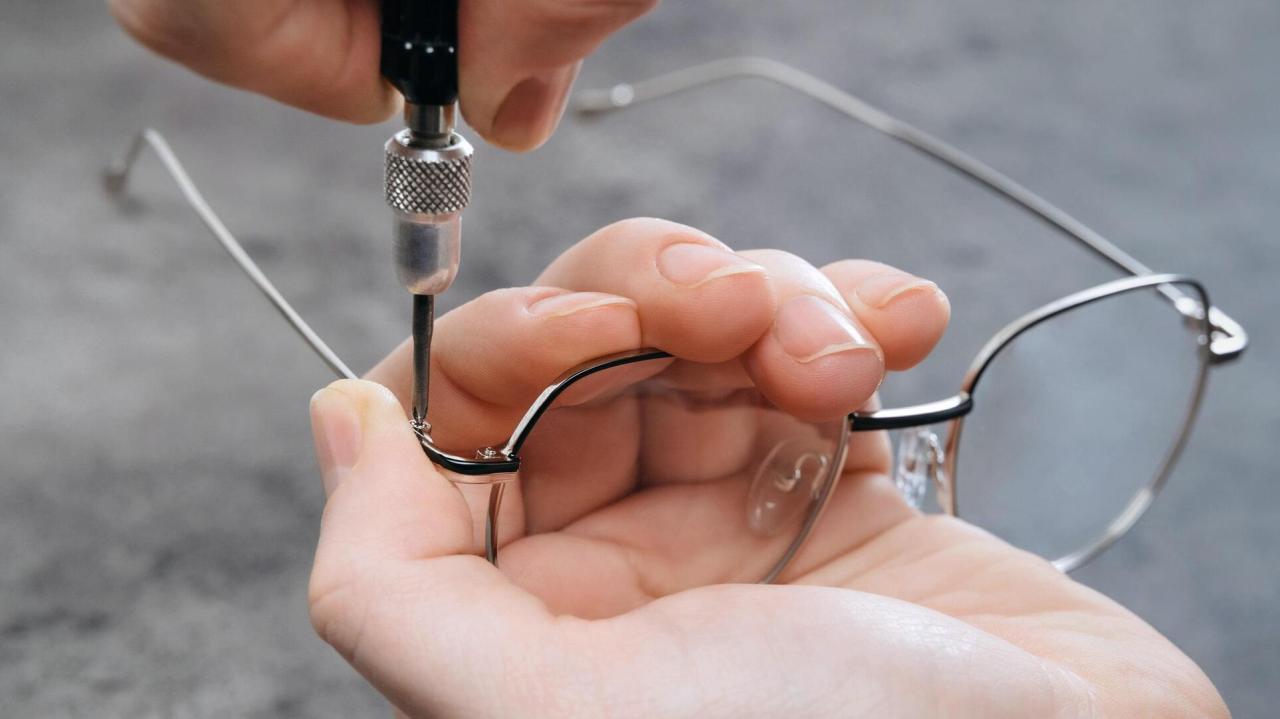
Achieving optimal stopping power with rim brakes requires careful adjustment and fine-tuning. This process not only enhances the braking performance but also improves rider confidence during rides. The adjustment involves altering the brake lever feel and responsiveness, which can significantly impact the overall braking experience.Fine-tuning brake lever feel and responsiveness is crucial for ensuring that riders have the control and confidence they need when applying the brakes.
Properly adjusting the brake lever distance and spring tension allows for a quicker, more responsive braking action, which is particularly important in varying conditions.
Techniques for Fine-Tuning Brake Lever Feel
Adjusting the brake lever feel can greatly influence how the rider interacts with the bike’s braking system. The position of the lever can be modified to suit personal preference, leading to a more comfortable grip and enhanced reaction time.To begin, consider the following methods for fine-tuning the lever feel:
- Lever Position Adjustment: Most brake levers have a reach adjustment feature that allows riders to set the lever closer or further away from the handlebar. This adjustment can be particularly beneficial for small-handed riders or those who prefer a more aggressive riding stance.
- Brake Pad Contact Distance: Adjusting the distance at which the pads contact the rim can influence how much lever pull is required. A closer pad will require less travel, providing immediate response, while a farther pad may offer a more gradual increase in braking force.
- Lever Pull Force: Some brake systems allow you to adjust the leverage ratio of the lever. By modifying the pivot point or using different levers, riders can change how much force is needed to activate the brakes, which can cater to personal preference or specific riding styles.
Adjusting Spring Tension in Brake Calipers
Spring tension adjustment in the brake calipers plays a vital role in the responsiveness of rim brakes. Proper tension ensures that the brake pads return swiftly to their original position after being engaged, which prevents prolonged contact with the rim and reduces wear.To adjust spring tension effectively, follow these steps:
1. Locate the Tension Adjuster
Most calipers feature a tension adjuster screw that can be turned to increase or decrease the spring tension.
2. Adjust the Tension
Turning the screw clockwise typically increases tension, while counterclockwise decreases it. A well-adjusted spring will allow the pads to return to their resting position quickly while still providing sufficient force to engage the brake.
3. Test the Adjustment
After making adjustments, test the brake lever feel to ensure it meets your preferences. A proper balance between tension and lever feel is essential for optimal control.
Comparison of Adjustment Methods for Various Riding Conditions
Different riding conditions require different brake settings to ensure optimal performance. Riders should consider adjusting their brake systems based on terrain, weather, and riding style. Below is a comparison of adjustment methods suited for various conditions:
| Riding Condition | Recommended Adjustment Method | Rationale |
|---|---|---|
| Rainy Conditions | Increase Pad Contact Distance | Allows for gradual braking to avoid skidding on wet surfaces. |
| Downhill Riding | Increase Spring Tension | Ensures quick pad retraction and responsive braking to maintain control. |
| Urban Commuting | Adjust Lever Position for Shorter Reach | Facilitates quick stops in stop-and-go traffic, improving safety. |
| Long-Distance Touring | Fine-Tune Lever Pull Force | Reduces fatigue by allowing for comfortable, sustained braking action without excessive force. |
Fine-tuning rim brakes is an essential component of ensuring effective stopping power and rider safety. Each adjustment can be tailored to match individual preferences and specific riding conditions, leading to a more enjoyable and secure cycling experience.
Common Issues and Troubleshooting

Adjusting rim brakes can enhance your bicycle’s stopping power, but various issues may arise during this process. Identifying these common problems will help ensure optimal brake performance. Being aware of potential pitfalls allows you to address them effectively, leading to a safer and more enjoyable riding experience.Misaligned brake pads and improper cable tension are frequent issues encountered when adjusting rim brakes.
Misalignment can lead to uneven braking, resulting in decreased stopping power and increased wear on the rims. Similarly, poor cable tension can cause the brakes to feel spongy and unresponsive, compromising safety. Addressing these concerns promptly ensures that your braking system functions at its best.
Symptoms and Corrective Actions
Understanding the specific symptoms associated with brake issues is crucial for effective troubleshooting. The following table Artikels common problems and their respective solutions, providing a quick reference guide for making necessary adjustments.
| Symptoms | Corrective Actions |
|---|---|
| Brake pads are misaligned | Loosen the brake pad bolts and reposition the pads so they contact the rim evenly. Retighten the bolts once aligned. |
| Brakes feel spongy | Check cable tension; if too loose, adjust the barrel adjuster or tighten the cable at the brake lever. |
| Uneven braking force | Ensure both brake pads engage the rim at the same time. Adjust the position or height of the pads accordingly. |
| Noisy brakes during operation | Inspect brake pads for wear and dust. Clean or replace pads if necessary, and ensure they are correctly installed. |
| Brake lever pulls too close to the handlebar | Increase cable tension by adjusting the barrel adjuster or by retightening the cable at the brake lever. |
“Regular maintenance and adjustment of rim brakes are essential for safety and performance.”
Addressing these common issues with the appropriate corrective actions allows for improved braking efficiency and safety. Regular inspections and adjustments can prevent more significant problems and extend the lifespan of your brake components.
Safety Considerations During Adjustments

Ensuring the functionality of rim brakes is paramount for rider safety, as brakes are the primary means of controlling speed and stopping. Any adjustments made must prioritize optimal performance to prevent accidents or injuries. A thorough understanding of safety considerations can significantly enhance both the effectiveness of your adjustments and your overall riding experience.To maintain safety during and after brake adjustments, it’s essential to conduct specific checks to confirm that the brakes are performing as intended.
This includes examining the brake pads, ensuring proper alignment, and verifying that the brake levers function smoothly without excessive force. The following guidelines provide a structured approach to ensuring safety during adjustments.
Safety Checks After Adjustments
After making adjustments to your rim brakes, performing safety checks is crucial to confirm that the system works effectively. The following points Artikel the essential checks that should be done:
- Check Brake Pad Alignment: Ensure that the brake pads are correctly aligned with the rim, making contact at the appropriate angle to maximize stopping power.
- Inspect Brake Cable Tension: Verify that the brake cables have the correct tension. The brake levers should return smoothly without sticking.
- Test Brake Performance: Conduct a test ride in a safe area to assess brake responsiveness and stopping distance, monitoring for any unusual sounds or behaviors.
- Examine Wheel Spin: Spin the wheels to ensure they turn freely without rubbing against the brake pads, indicating proper clearance.
- Monitor Brake Lever Feel: Pay attention to the feel of the brake lever while squeezing it; it should provide consistent resistance without excessive play.
In addition to these checks, adhere to the following safety tips while working on rim brakes to minimize risks and ensure a successful adjustment process.
Safety Tips Checklist
Following a checklist of safety tips while working on rim brakes can enhance your overall safety. The following tips ensure a comprehensive approach:
- Wear Protective Gear: Always wear gloves and safety glasses when working on your bike to protect against debris and chemical exposure.
- Use Proper Tools: Utilize the appropriate tools for adjustments; using the wrong tools can lead to accidents or improper adjustments.
- Secure the Bicycle: Make sure the bicycle is stable and securely positioned in a bike stand or against a wall to prevent it from tipping over.
- Work in a Well-Lit Area: Adequate lighting can help you see tiny components clearly, reducing the likelihood of errors during adjustments.
- Keep Workspace Organized: Maintain a clean and organized workspace to prevent misplacing parts or tools, which can lead to safety hazards.
- Double-Check Your Work: Before riding, double-check all adjustments and ensure everything is tightened and secured appropriately.
Adhering to these safety considerations and performing thorough checks after adjustments can significantly reduce the risk of brake failure and enhance rider safety. Prioritizing these practices ensures that your rim brakes provide the stopping power you need for a safe riding experience.
Maintenance Tips for Rim Brakes
Proper maintenance of rim brakes is essential to ensure their longevity and optimal performance. Regular care not only enhances stopping power but also increases safety during rides. As with any component of a bicycle, neglecting maintenance can lead to decreased effectiveness and potential failures. By following a systematic approach to maintenance, you can extend the lifespan of your rim brakes and enjoy a smoother, more reliable riding experience.Regular inspections and adjustments of rim brakes are critical for maintaining their functionality.
Over time, elements such as brake pads wear down, cables can fray, and alignment may shift, leading to diminished braking performance. A proactive maintenance routine can help identify and rectify these issues before they become significant problems.
Best Practices for Maintaining Rim Brakes
Implementing best practices in your rim brake maintenance routine will ensure continued reliability. These practices include the following:
1. Inspect Brake Pads
Regularly check the condition of the brake pads for wear and tear. Replace them when they show signs of excessive wear, grooves, or hardening.
2. Keep Rims Clean
Clean the rims of your bicycle regularly to prevent debris buildup, which can affect braking performance. Use a mild detergent and a cloth to wipe down the rims.
3. Adjust Cable Tension
Ensure that the cable tension is correctly adjusted. Check for slack in the cables that can lead to ineffective braking.
4. Check Brake Alignment
Inspect the alignment of the brake arms and pads to the rim surface. Misalignment can lead to uneven wear and decreased braking effectiveness.
5. Lubricate Cables and Pivot Points
Use a light bicycle-specific lubricant to keep cables moving smoothly and to reduce friction at pivot points.
6. Monitor Brake Performance
During rides, pay attention to how your brakes respond. If you notice any changes in performance, investigate and address the issue immediately.
Suggested Maintenance Schedule for Optimal Performance
Creating a maintenance schedule can help ensure that your rim brakes remain in excellent working condition throughout the riding season. Here’s a recommended schedule:
Weekly
Check brake pads for wear and ensure they are clean. Inspect cable tension and brake alignment.
Monthly
Clean the rims thoroughly, lubricate cables and pivot points, and perform a general inspection of the entire braking system.
Seasonal
At the beginning of each riding season, conduct a comprehensive check of all brake components, replacing any parts that show signs of significant wear or damage.
Post-Ride Checks
After every significant ride or after riding in adverse conditions (such as rain or mud), perform a quick inspection to ensure everything is functioning properly.By adhering to these maintenance tips and schedules, you can significantly improve the performance and lifespan of your rim brakes, ensuring safe and effective stopping power on your rides.
Conclusive Thoughts
In conclusion, mastering the art of adjusting rim brakes is not just about technical skill; it is about ensuring a safer and more enjoyable ride. By adhering to the guidelines and techniques Artikeld in this discussion, cyclists can achieve optimal braking efficiency and longevity of their rim brakes. Remember, a well-adjusted braking system is key to enhancing your cycling experience and ensuring your safety on every journey.