How to Replace a Broken Spoke on Your Bike begins with an essential understanding of the critical role spokes play in ensuring your bicycle’s stability and safety. Whether you’re an avid cyclist or a casual rider, experiencing a broken spoke can significantly impact your riding performance and safety on the road. Recognizing the signs of a damaged spoke is the first step toward maintaining your bike’s optimal function and enjoying a smooth ride.
This comprehensive guide will walk you through the process of replacing a broken spoke, from gathering the necessary tools to ensuring your wheel is perfectly aligned post-repair. With clear instructions and helpful tips, you’ll be well-equipped to tackle this repair with confidence.
Importance of a Functional Wheel
A well-functioning wheel is crucial for the overall performance and safety of your bicycle. The intricate design of a wheel comprises various components, with spokes playing a vital role in maintaining structural integrity. A fully functional wheel not only enhances the cycling experience but is also essential for stability and safety during rides.Spokes serve to distribute the load evenly across the wheel, ensuring that it can handle the stresses encountered during riding.
When a spoke breaks, it compromises this balance, leading to potential instability and safety hazards. Riders may experience handling issues, increased difficulty in maneuvering, and may even face a higher risk of accidents. It is important to recognize the signs of a broken spoke early to maintain optimal performance and safety.
Signs Indicating a Spoke Needs Replacement
Recognizing the signs that indicate a spoke requires replacement is vital for maintaining the functionality of your wheel. A few common indicators can help you determine if it is time to replace a spoke.
Visual Inspection
Look for any spokes that are bent, broken, or missing. A clear break or significant bending is a definitive sign of a spoke needing replacement.
Wheel Trueness
If the wheel appears to wobble or is not spinning smoothly, this could indicate tension imbalance due to a broken spoke. This wobbling can often be perceived when riding.
Reduced Performance
If you notice a decline in your bicycle’s performance, especially in terms of speed and handling, it may be related to issues with the spokes. A broken spoke can lead to uneven weight distribution and a less responsive ride.
Unusual Noises
Listen for creaks or pops while riding, as these sounds can be indicative of a spoke under stress or failure.
Frequent Need for Adjustments
If you find yourself frequently needing to adjust your wheel’s tension, this might suggest that one or more spokes are compromised.Recognizing these signs early can prevent further damage to the wheel and ensure a safer riding experience. Regular maintenance and inspection of your bike’s spokes should be integral to your cycling routine to enhance both performance and safety.
Tools and Materials Needed
To successfully replace a broken spoke on your bike, it is essential to gather the appropriate tools and materials. This not only ensures the repair is completed efficiently but also contributes to the overall functionality and safety of your bicycle. Understanding the variety of spokes available for different bike models allows for a precise match, enabling a smoother riding experience post-repair.
Essential Tools for Spoke Replacement
Having the right tools at your disposal is crucial when tackling spoke replacement. Below is a list of essential tools necessary for this task:
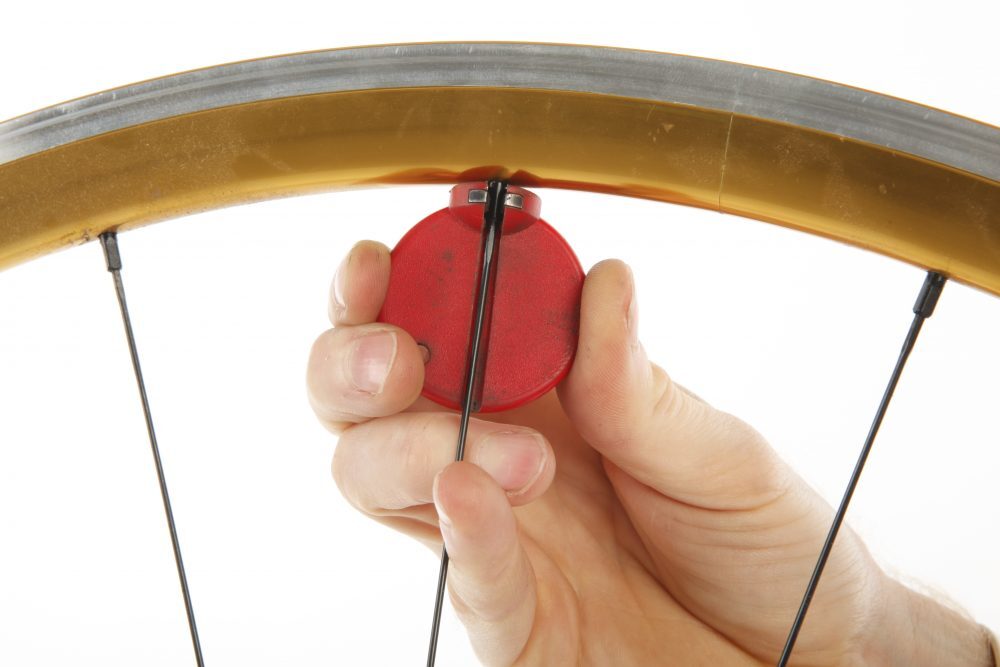
- Spoke Wrench: This tool is specifically designed to tighten or loosen spokes without damaging them.
- Tire Levers: Used to remove the tire from the rim, allowing easy access to the spokes.
- Adjustable Wrench: Helpful for holding the hub in place while adjusting spokes.
- Pliers: Useful for bending or manipulating spokes as needed.
- Rim Tape: To protect the inner tube from the spoke heads and ensure a snug fit.
- Replacement Spokes: These should match the specifications required for your particular bike model.
Types of Spokes Available for Various Bike Models
Each bike model requires specific types of spokes, which differ in material, length, and thickness. Understanding these differences can help in selecting the correct replacement spokes:
- Butted Spokes: These are thicker at the ends and thinner in the middle, providing strength while reducing weight. Commonly used in high-performance bikes.
- Straight-Gauge Spokes: Uniform in thickness, these spokes offer durability and are often found on commuter and mountain bikes.
- Double-Butted Spokes: A combination of butted and straight-gauge, they provide a balance of weight and strength, suitable for various cycling disciplines.
- Stainless Steel Spokes: Resistant to corrosion, they are favored for their longevity and are often used in touring or cyclocross bikes.
- Aluminum Spokes: Lightweight and often used in racing applications, though they may not provide the same strength as steel options.
Steps to Gather Materials for the Repair
Collecting the necessary materials for replacing a broken spoke is a systematic process that ensures you are well-equipped for the task. Follow these steps:
- Identify the broken spoke and assess the wheel for any other potential damage.
- Determine the specifications of your existing spokes, including length and type. This information can often be found in the bike’s manual or by measuring the spoke.
- Purchase replacement spokes that match the specifications identified. Ensure they are compatible with your bike type and riding style.
- Gather the tools listed previously to prepare for the repair. Consider creating a dedicated workspace for the repair process.
- If necessary, acquire rim tape to replace any worn tape during the spoke replacement process.
Preparing for the Replacement
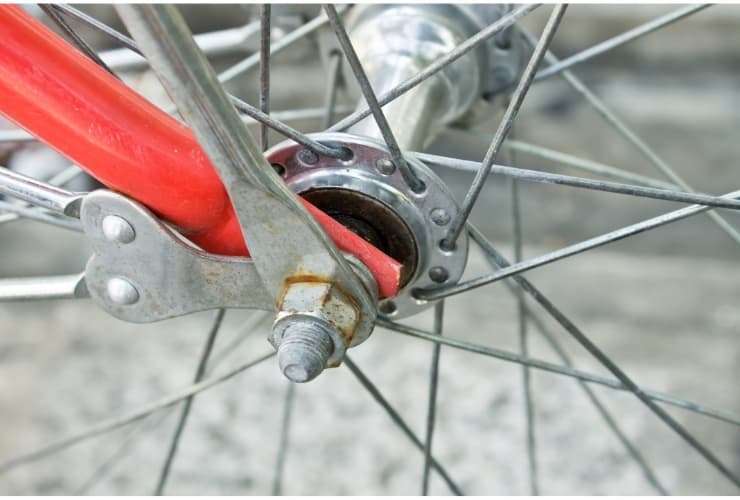
To successfully replace a broken spoke on your bike, it is essential to prepare adequately. This preparation involves safely removing the wheel from the bike, inspecting it for any additional damage, and organizing a workspace that will facilitate an efficient replacement process.
Safe Wheel Removal
Removing the wheel from your bike is a crucial first step in the spoke replacement process. It is important to do this safely to avoid damaging the bike or injuring yourself. Follow these steps for safe removal:
1. Position the Bike
Ensure that your bike is on a stable surface. If possible, use a bike stand for better stability.
2. Shift Gears
If your bike has multiple gears, shift to the smallest chainring and the smallest rear cog. This will relieve tension on the chain and make wheel removal easier.
3. Release the Brakes
For rim brakes, release the brake mechanism to allow the wheel to pass through. For disc brakes, ensure that the rotor clears the caliper.
4. Loosen the Skewer or Bolts
If your bike has a quick-release skewer, open it by flipping the lever. If it uses bolts, use an appropriate wrench to loosen them.
5. Remove the Wheel
Carefully lift the bike frame and pull the wheel straight out of the dropout. If it is difficult, check for any remaining tension in the brake or gear mechanisms.
Inspecting the Wheel for Damage
Once the wheel is removed, inspecting it for additional damage is essential to ensure a safe ride after the spoke is replaced. Look for the following:
Spokes
Check for any other broken or bent spokes. Look for signs of wear or fatigue.
Rim
Inspect the rim for dents, cracks, or warping. A damaged rim can affect the integrity of the wheel.
Hub
Check the hub for smooth rotation and ensure there are no unusual noises or play in the bearings.
Tire
Examine the tire for punctures or wear that may need addressing before reinstallation.
“A thorough inspection can prevent further issues down the line, ensuring your bike remains safe and reliable.”
Organizing Your Workspace
Creating a well-organized workspace can significantly enhance your replacement process. A clean and organized area allows you to work more efficiently and reduces the risk of losing small parts. Consider the following tips for setting up your workspace:
1. Clear Surface
Choose a clean, flat surface to work on, free from any clutter that might obstruct your work.
2. Adequate Lighting
Ensure that your workspace is well-lit, making it easier to see the details of your wheel and the tools you are using.
3. Tool Arrangement
Gather all necessary tools and materials before starting. Arrange them within arm’s reach to avoid unnecessary interruptions.
4. Parts Container
Use a small container or tray to hold small components like nuts, bolts, and new spokes to prevent them from getting lost during the process.
5. Safety Equipment
Keep safety glasses and gloves nearby to protect yourself while working.Creating an efficient workspace not only makes the replacement process smoother but also enhances safety and productivity.
Removing the Broken Spoke
When a spoke on your bicycle breaks, it can lead to serious wheel integrity issues if not addressed promptly. Removing the broken spoke is a crucial step in the repair process, ensuring that your wheel remains functional and safe for riding. This guide provides detailed steps to effectively remove the broken spoke without compromising the wheel’s structural integrity.To begin with the removal process, you will need to carefully disengage the broken spoke from the wheel.
It is essential to handle this task with precision to avoid causing damage to the rim or the surrounding spokes.
Steps for Removing the Broken Spoke
The following steps Artikel the methodical approach to successfully remove the broken spoke:
1. Identify the Broken Spoke
Start by locating the broken spoke on the wheel. It will typically be loose or completely detached. Ensure that you can see the spoke nipple at the rim.
2. Loosen the Spoke Nipples
Before you can fully remove the broken spoke, you will need to loosen the spoke nipple at the rim. Using a spoke wrench, turn the nipple counterclockwise:
Apply gentle pressure to avoid stripping the nipple.
If the nipple is particularly tight, consider applying a few drops of penetrating oil to assist in loosening it.
3. Remove the Broken Spoke
Once the nipple is loosened, you can pull the broken spoke out of the hub and rim. If the spoke is still attached at the hub, you may need to remove the hub cap or access point to detach it completely.
4. Inspect the Remaining Spokes
After removing the broken spoke, check the integrity of the remaining spokes for any signs of wear or damage. This is a good opportunity to address any other potential issues.
Techniques for Loosening Spoke Nipples
Loosening spoke nipples requires care to prevent damage to the rim or stripping of the nipple threads. Here are some techniques to ensure a successful loosening process:
Use the Correct Size Spoke Wrench
Utilizing the correct size wrench will provide a better grip and reduce the chances of slipping, which can cause damage.
Apply Heat (if necessary)
If the nipple is stuck due to corrosion, gently applying heat using a heat gun can expand the metal slightly, making it easier to loosen.
Provide Support to the Rim
When applying torque to the nipple, ensure that the rim is supported adequately to prevent accidental bending or warping.
Identifying the Correct Length of the New Spoke
Selecting the appropriate replacement spoke length is vital for maintaining the wheel’s structure. Here is a practical method to measure and identify the correct spoke length needed:
1. Measure the Old Spoke
If possible, measure the length of the broken spoke from the center of the nipple to the center of the spoke hole at the hub. A spoke measuring tool can provide an accurate measurement.
2. Consult Manufacturer Specifications
Refer to the bicycle manufacturer’s specifications for spoke length, as they often provide recommendations based on the wheel size and spoke pattern.
3. Consider Spoke Type and Material
Different spoke types (e.g., butted, straight gauge) can affect the overall length slightly. Ensure that the replacement spoke matches the specifications of the other spokes in the wheel.
4. Use a Spoke Length Calculator
Online spoke length calculators can assist in determining the correct length based on your wheel’s hub, rim, and spoke pattern specifications.By following these detailed steps and techniques, you can successfully remove a broken spoke and ensure that your bicycle wheel is ready for the installation of a new spoke, resulting in a safe and functional ride.
Installing the New Spoke

Replacing a broken spoke on your bike is an essential task not only for maintaining your bike’s functionality but also for ensuring your safety while riding. Properly installing the new spoke is crucial, as it contributes directly to the overall strength and balance of the wheel. This section Artikels the systematic approach for inserting and securing the new spoke, along with the critical techniques for tensioning it correctly.
Systematic Approach to Inserting and Securing the New Spoke
To successfully install the new spoke, follow a structured process that ensures accuracy and reliability. Begin by aligning the new spoke with the hub and ensuring it fits snugly into the nipple.
1. Insert the New Spoke
Start by placing one end of the new spoke through the designated hole in the hub. Ensure that the spoke is oriented correctly in relation to the other spokes, typically from the outside to the inside of the hub.
2. Position the Nipple
Thread the other end of the spoke through the corresponding hole in the rim. It is essential to use the correct nipple that matches the spoke gauge to prevent any misalignment.
3. Secure the Nipple
Gently screw the nipple onto the end of the spoke with your fingers. Ensure it is hand-tight but avoid over-tightening at this stage, as further adjustments will be made later.
4. Check Alignment
Confirm that the spoke is aligned with the hub and the adjacent spokes. Misalignment can lead to an uneven wheel, causing premature wear and increased risk of breakage.
Proper Tensioning Technique for the New Spoke
Tensioning the spoke correctly is vital for wheel integrity. An unevenly tensioned wheel can result in wobbles and instability. Use the following techniques to ensure proper tensioning:
1. Initial Tensioning
Begin by tightening the nipple gradually with a spoke wrench. Rotate the wrench in small increments, frequently checking the tension. Aim for a consistent feel across all spokes to maintain balance.
2. Tuning the Tension
Once all spokes are tightened, visually inspect the wheel for trueness. A wheel that is true will not wobble side-to-side when spun. Adjust the tension on any spokes that appear loose or are excessively tight compared to others.
3. Final Check
After tensioning, pluck each spoke like a guitar string. They should produce a similar pitch. This technique allows for fine adjustments, ensuring that the wheel is both strong and evenly tensioned.
Importance of Ensuring Alignment with the Hub
Ensuring that the spoke is aligned correctly with the hub is not merely a matter of aesthetics; it plays a significant role in the functionality and longevity of the wheel. Misalignment can lead to several issues, including:
Uneven Wear
An improperly aligned spoke can cause uneven wear on the rim and tire, leading to premature replacement.
Increased Risk of Breakage
A misaligned spoke is more likely to experience undue stress, increasing the risk of it breaking under pressure.
Compromised Handling
An untrue wheel can negatively affect handling, making the bike harder to control and increasing the risk of accidents.Taking the time to ensure that the spoke is correctly installed and aligned will lead to a safer and more enjoyable riding experience.
Truing the Wheel After Replacement
After replacing a broken spoke, it is essential to ensure that the wheel is properly trued. This step is critical for maintaining the bike’s performance and rider safety. A well-trued wheel will provide a smoother ride, improved handling, and enhanced braking efficiency. Neglecting to true the wheel can lead to further mechanical issues and compromise overall cycling experience.Checking the alignment and balance of the wheel is a straightforward process that can be performed at home.
Observing the wheel while it spins can reveal any wobbles or misalignments. A quick method to assess the wheel’s true status is to spin the wheel and look for any areas where it deviates from a straight line either radially or laterally. Proper alignment ensures that the wheel is centered in the frame and that the tire clears brake components without friction.
Methods for Truing the Wheel Using a Truing Stand or Bike Frame
To achieve proper wheel truing, two primary methods can be utilized: using a truing stand or using the bike frame itself. When using a truing stand:
1. Secure the Wheel
Place the wheel in the truing stand, ensuring it is held securely.
2. Check for Wobble
Spin the wheel slowly and observe the gaps between the rim and the alignment indicators on the stand.
3. Adjust the Spokes
Identify the areas where the rim deviates from true. Use a spoke wrench to tighten or loosen the corresponding spokes.
Generally, tightening a spoke pulls the rim closer, while loosening allows the rim to move away.
4. Repeat the Process
Continue checking and adjusting until the rim spins evenly without side-to-side movement.When using a bike frame:
1. Remove the Wheel
Detach the wheel from the bike and place it back in the frame.
2. Identify High and Low Spots
Spin the wheel and observe the clearance between the rim and the brake pads or frame. Note any high or low spots where the rim makes contact with the pads.
3. Adjust the Spokes
Similar to the truing stand method, use a spoke wrench to adjust the spokes of the high or low areas accordingly.
4. Recheck Alignment
After making adjustments, spin the wheel again to verify that it is now true, repeating the adjustments as necessary.Both methods require patience and a careful approach to ensure optimal results. Properly truing the wheel is crucial not only for performance but also for rider safety on the road or trail.
Maintenance Tips for Spokes
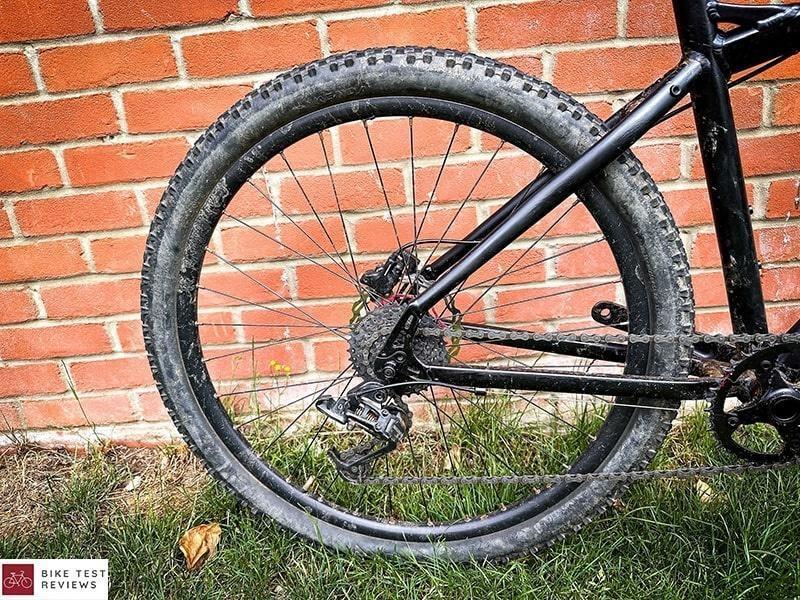
Proper maintenance of bicycle spokes is essential for ensuring longevity and optimal performance of your bike’s wheels. Regular upkeep not only prevents potential issues but also enhances the overall riding experience. By adopting a few simple practices, you can extend the lifespan of your spokes and maintain the integrity of your wheel system.
Regular Maintenance Practices to Prolong Spoke Life
Engaging in routine maintenance is crucial for preventing spoke breakage and ensuring your wheels remain true and functional. Below are effective practices that can help in maintaining your spokes:
- Regularly inspect spokes for signs of wear or damage, such as visible bending, corrosion, or broken ends. This should be part of your pre-ride checks.
- Keep your wheels clean by removing dirt and debris, especially around the hub and spoke nipples, to prevent corrosion and rust.
- Ensure proper tension across all spokes to maintain even load distribution. This can be achieved through regular truing of the wheel.
- Use spoke tension meters to measure and adjust tensions accurately. This can help you identify under-tensioned or over-tensioned spokes early.
Common Causes of Spoke Breakage and Prevention Strategies
Understanding the common causes of spoke breakage is key to implementing preventive measures. The following factors contribute to spoke failure:
- Excessive tension can lead to fatigue and eventual breakage. Regularly check spoke tension and adjust accordingly to avoid over-tightening.
- Improper wheel building techniques can introduce stress points. If building your own wheels, ensure you follow best practices or seek professional assistance.
- Riding on rough terrain or hitting potholes can place undue stress on spokes. Choose suitable tires for your riding conditions and practice cautious riding techniques.
- Environmental factors such as moisture and salt can lead to rust and deterioration. Regular cleaning and applying rust inhibitors can mitigate these effects.
Checklist for Periodic Wheel Inspection
Conducting periodic inspections can help you catch issues early, preventing more significant problems down the line. Here’s a checklist for effective wheel inspection:
- Check spoke tension and ensure all spokes are evenly tightened.
- Inspect the rim for any cracks, dents, or warping that could affect spoke integrity.
- Examine the hub for smooth rotation and ensure that bearings are well-lubricated.
- Look for signs of corrosion on spokes and nipples, particularly in wet or salty conditions.
- Assess the wheel for true alignment by spinning it and observing for wobbles or deviations.
Closing Notes
In conclusion, replacing a broken spoke on your bike is not only a practical skill but also an empowering experience that enhances your cycling knowledge and capabilities. By following the steps Artikeld in this guide, you can ensure your bike remains safe and reliable for all your adventures. Regular maintenance and attention to your spokes will go a long way in preventing future issues, allowing you to enjoy your rides without worry.