How to Fix a Dropped Chain and Get Back on the Road is an essential skill for any cyclist, enabling you to maintain your momentum and enjoy your ride without unnecessary disruptions. A dropped chain can be frustrating, but understanding the mechanics and having the right tools at hand can make all the difference. In this guide, we will explore the basics of bicycle chains, the necessary tools for repairs, and step-by-step instructions to get you back on your bike swiftly and safely.
We will also cover preventative measures to help you avoid dropping your chain in the first place, along with troubleshooting tips for common issues that may arise. Whether you are a seasoned cyclist or a casual rider, this comprehensive overview will ensure you are well-equipped to handle any chain-related challenges.
Understanding the Basics of Bicycle Chains
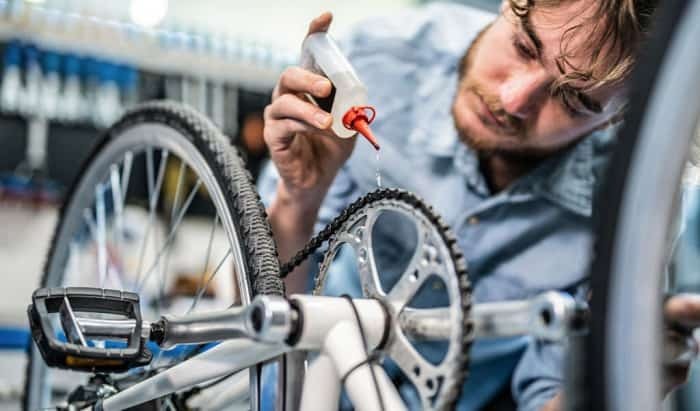
The bicycle chain is a fundamental component of a bicycle’s drivetrain system, playing a crucial role in the transfer of power from the pedals to the wheels. This mechanism allows the cyclist to convert their pedaling energy into forward motion, making the chain an integral part of cycling efficiency and performance. Understanding the workings and types of bicycle chains can significantly enhance maintenance practices and riding experience.The function of a bicycle chain is to connect the crankset to the rear wheel, facilitating the movement of the bicycle when the rider pedals.
It operates in conjunction with the gears, allowing for various speed options and making climbs and descents manageable. Typically, the chain runs over the front chainrings and the rear sprockets, aligning with the derailleur systems that shift the chain between gears.
Types of Bicycle Chains and Their Applications
Bicycle chains are available in various types, each designed for specific applications depending on the bicycle style and intended use. Here are the primary types of bicycle chains:
- Single Speed Chains: These chains are used on single-speed bicycles and are typically simpler in design. They are robust and reliable, ideal for urban commuting.
- Derailleur Chains: Commonly found on multi-speed bicycles, these chains are designed to work with derailleur systems to facilitate smooth gear changes. They come in various widths to accommodate different gear setups.
- Track Chains: Used on fixed-gear bikes and track racing bicycles, track chains are sturdy and have no inner plates, allowing for efficient power transfer.
- Internal Gear Chains: These chains are specially designed for hub gears, which are enclosed within the rear hub. They often have unique specifications to match the gear system.
Understanding these types ensures that cyclists select the appropriate chain for their bicycle type, enhancing performance and longevity.
Common Reasons for Dropped Chains
Dropped chains can occur for several reasons, impacting the cycling experience and safety. Identifying these causes can help prevent future incidents and ensure smoother rides. Potential reasons for a dropped chain include:
- Improper Gear Shifting: Shifting under load or at high cadence can lead to chain drop, as the chain may not engage properly with the gears.
- Worn Out Chain or Gears: A chain that has stretched or gears that have become worn may not mesh correctly, increasing the likelihood of a drop.
- Misaligned Derailleurs: If the front or rear derailleur is not properly aligned, it can cause the chain to shift erratically, leading to drops.
- Chain Length Issues: A chain that is too long or too short may not maintain the proper tension, causing it to fall off during rides.
Awareness of these issues allows cyclists to take preventive measures, such as regular maintenance checks and proper shifting techniques, ensuring a smoother riding experience.
Tools and Materials Needed for Fixing a Dropped Chain
When cycling, encountering a dropped chain is a common occurrence that can disrupt your journey. Having the right tools and materials readily available can make the process of fixing a dropped chain much easier and quicker. This section will explore the essential tools and materials that every cyclist should consider having on hand to address this issue effectively.The importance of being prepared with the right tools cannot be overstated.
Not only can these tools facilitate a speedy repair, but they can also enhance your overall cycling experience by reducing downtime on the road. The following are essential tools and materials that should be included in your cycling repair kit.
Essential Tools for Fixing a Dropped Chain
To successfully fix a dropped chain, you will need a few fundamental tools that will aid in the process. These tools are designed to help you efficiently manage your bicycle chain and ensure that you can quickly get back on your ride.
- Chain Tool: This specialized tool is used for removing and installing chain links, making it an essential item for any cyclist.
- Multi-Tool: A compact multi-tool often includes various functions, such as screwdrivers and wrenches, which can be helpful in multiple scenarios.
- Tire Levers: In some cases, fixing a dropped chain may require tire removal, and tire levers facilitate this process.
- Portable Pump or CO2 Inflator: Should a tire issue arise during the process, being able to inflate your tires is crucial.
- Cleaning Cloth: A cloth can help remove dirt and debris from the chain, ensuring smooth operation once reattached.
Materials to Assist in the Repair Process
In addition to the tools mentioned above, there are certain materials that can support you during a chain repair. These materials will enhance the efficiency and effectiveness of the repair process.
- Chain Lubricant: Applying lubricant can ensure smooth chain operation and prevent future drops due to friction.
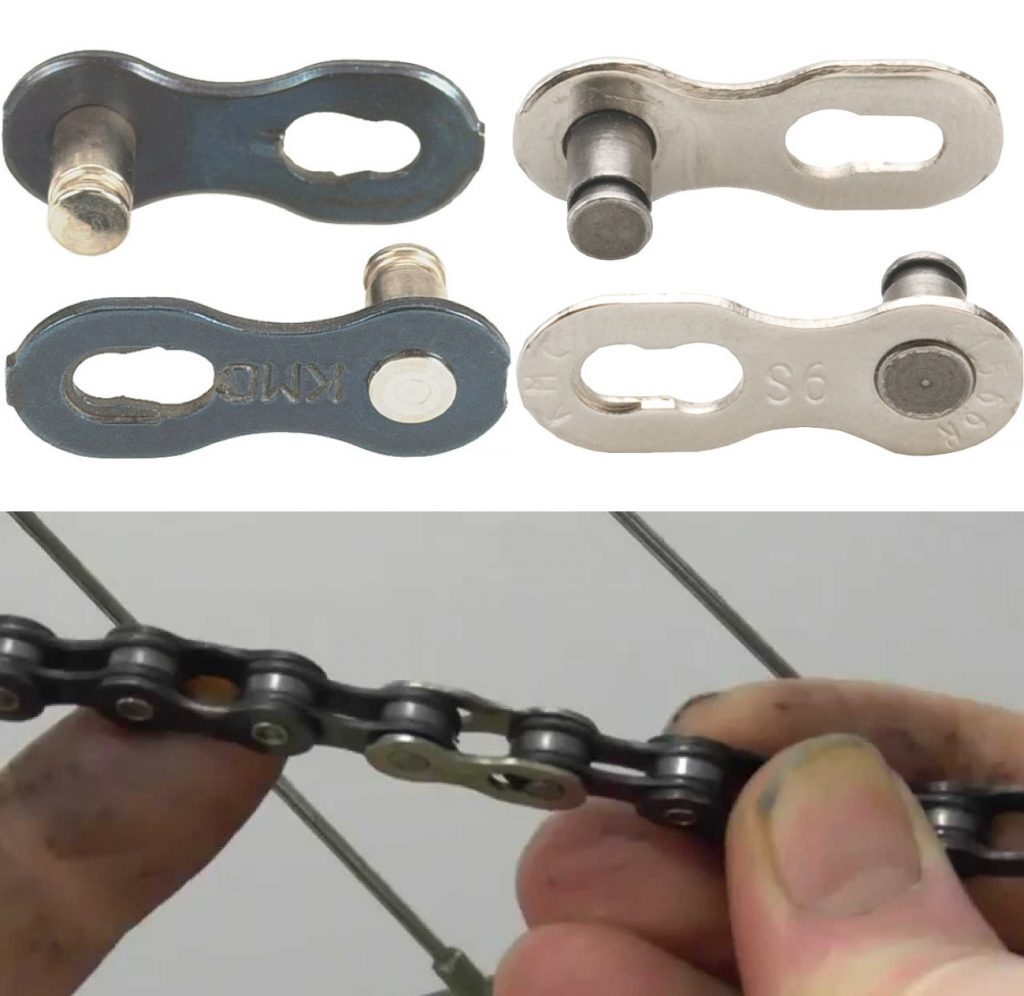
- Spare Chain Links: In case of severe damage, having spare links can help you replace broken or malfunctioning sections of your chain.
- Zip Ties: These can be used temporarily to secure a chain or other components until a more permanent solution is possible.
- Extra Tire Tube: Keeping a spare tube can assist in addressing potential flat tires during chain fixes.
“Being prepared with the right tools and materials can significantly reduce the time spent on repairs, allowing you to enjoy your cycling experience.”
Carrying these tools and materials while cycling is essential for any rider who wishes to minimize downtime and maintain an uninterrupted journey. By being prepared, you not only enhance your own experience but also equip yourself to assist fellow cyclists in need, promoting a sense of community on the road.
Step-by-Step Guide to Fixing a Dropped Chain
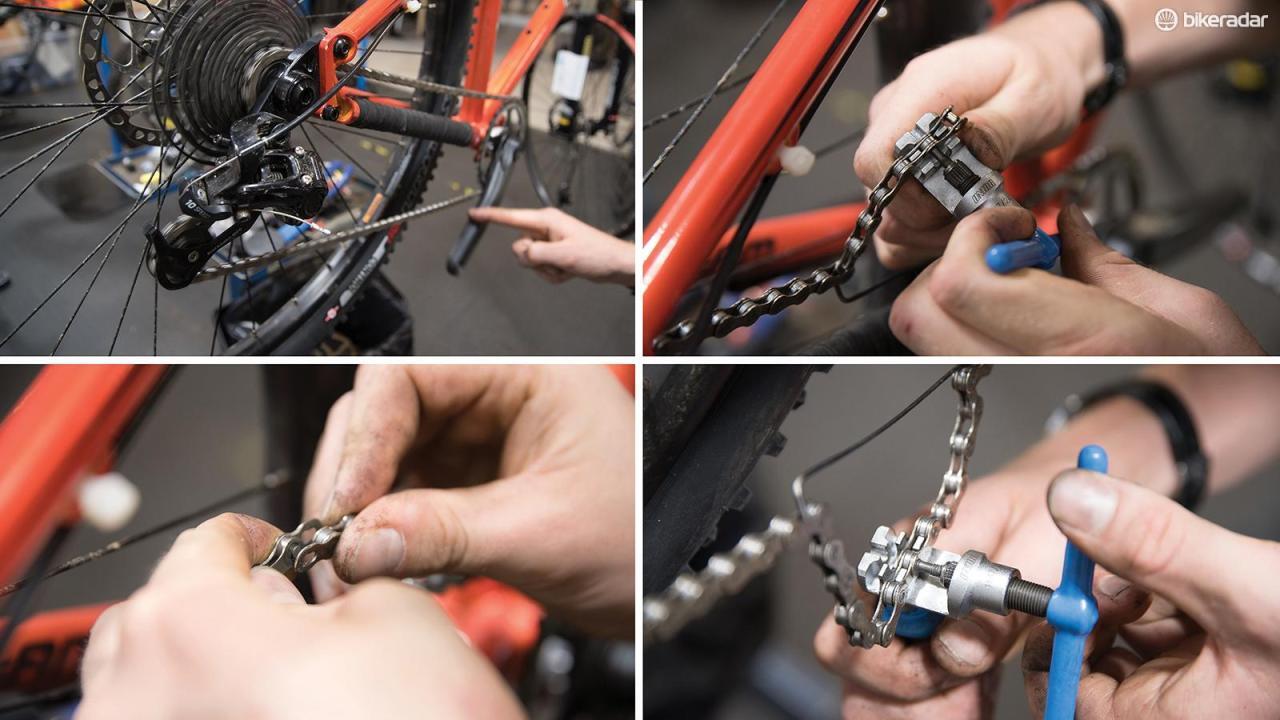
When faced with a dropped chain while riding, knowing how to respond efficiently can save you time and prevent further issues. This guide provides a clear and systematic approach to resolving this common cycling problem, ensuring you can get back on your bike quickly and safely.
Initial Steps Upon Encountering a Dropped Chain
Immediately after noticing a dropped chain, it is important to remain calm and take the necessary precautions. Follow these initial steps to assess the situation:
1. Stop Safely
Find a safe place to stop your bicycle, preferably off the road or trail.
2. Shift Gears
If possible, shift your gear to the smallest chainring or rear cog. This minimizes tension on the chain and makes it easier to reposition.
3. Check for Obstructions
Inspect the area around the chain and gears to ensure there are no obstructions or debris that could further complicate the situation.
Procedure for Repositioning the Chain on the Gears
Repositioning the chain is a straightforward process if you follow the steps Artikeld below. This procedure ensures that the chain is placed correctly on the gears without causing damage.
1. Visual Inspection
Before touching the chain, conduct a visual inspection to determine how far off the chain is from the gears.
2. Manually Reposition the Chain
If the chain is just off the small chainring, carefully lift the chain and place it back onto the gear.
For chains that have fallen onto the bottom bracket or frame, gently guide the chain back onto the appropriate gear.
3. Ensure Proper Alignment
Confirm that the chain is seated properly on both the front and rear gears, ensuring it is not twisted or misaligned.
4. Pedal Test
Once the chain is repositioned, rotate the pedals slowly by hand to check if the chain runs smoothly over the gears. Listen for any unusual sounds, which could indicate incorrect placement.
Checking for Damage or Wear on the Chain Post-Fix
After repositioning the chain, it is crucial to check for any signs of damage or wear that may have occurred during the drop. Addressing these issues can prevent future problems and ensure a safe riding experience.
1. Inspect the Chain
Look for any bent links or kinks in the chain that could affect performance.
2. Examine the Gears
Check the chainrings and cassette for wear, ensuring that the teeth are not missing or excessively worn.
3. Check for Stretch
Utilize a chain checker tool to measure chain wear. A chain that is too stretched can lead to poor shifting and increased chances of another drop.
4. Lubrication
If the chain appears in good condition, clean and lubricate it to maintain optimal function.
Regular maintenance and timely inspections can significantly reduce the risk of dropped chains and enhance your cycling experience.
Preventative Measures to Avoid Chain Drops
Maintaining the functionality and security of a bicycle chain is critical for an enjoyable ride. Implementing preventative measures can significantly reduce the likelihood of experiencing a dropped chain while cycling. Regular maintenance and proper shifting techniques, along with frequent inspections, are foundational practices every cyclist should adopt.Maintaining a bicycle chain in good condition not only enhances performance but also extends the lifespan of the entire drivetrain system.
Below are essential maintenance tips and best practices to keep chains secure and functional.
Maintenance Tips for Chain Security
Regular chain maintenance is vital for preventing drops. This includes cleaning, lubricating, and checking for wear. The following procedural steps will enhance chain durability and performance:
-
Regular Cleaning:
Clean the chain with a suitable degreaser to remove dirt and grime. A clean chain reduces wear on the drivetrain components.
-
Proper Lubrication:
After cleaning, apply a high-quality bicycle chain lubricant. This minimizes friction and protects the chain from rust and corrosion.
-
Check Chain Wear:
Use a chain checker tool to measure elongation. Replace the chain when it exceeds the recommended wear limit to prevent poor shifting and potential drops.
-
Inspect Chainrings and Cogs:
Regularly examine the teeth on chainrings and cogs for wear. Worn teeth can lead to chain slips and drops, necessitating timely replacement.
Proper Shifting Techniques
Utilizing correct shifting techniques plays a crucial role in minimizing the risk of a dropped chain. Smooth and precise gear changes reduce stress on the chain and drivetrain components. Consider the following practices:
-
Anticipate Shifts:
Shift gears preemptively before encountering steep inclines or obstacles to maintain momentum and prevent sudden changes in torque.
-
Use the Correct Gear:
Avoid cross-chaining, which occurs when using extreme gear combinations (big front chainring with big rear cog). This can misalign the chain and increase the risk of jamming.
-
Shift Under Load Cautiously:
Minimize shifting while pedaling hard to reduce strain on the chain. Shift when the pressure on the pedals is lower.
Regular Inspections and Adjustments
Frequent inspections and adjustments ensure that all components of the bicycle, including the chain, are functioning correctly. These proactive measures are essential for identifying potential issues before they result in a dropped chain.
-
Frame and Component Alignment:
Regularly check the alignment of the derailleur and chain line. Misalignment can lead to poor shifting and increased likelihood of a chain drop.
-
Adjust Derailleur Settings:
Ensure that the derailleur is properly adjusted to guide the chain smoothly during shifts. This reduces the risk of misfeeds.
-
Inspect Cable Tension:
Check the tension of the shift cables. Proper tension is necessary for accurate shifting performance.
Troubleshooting Common Chain-Related Issues
Maintaining a bicycle chain is crucial for a smooth ride and efficient gear shifting. Understanding how to identify common chain-related problems can enhance your cycling experience, ensuring that you are well-prepared to address issues before they escalate. This section will delve into the signs of chain wear, troubleshooting gear shifting problems, and methods for resolving chain misalignment issues.
Signs of Chain Wear and Replacement
Recognizing the signs of chain wear is essential to ensure optimal performance. A worn chain can lead to poor shifting, increased wear on the drivetrain, and potential chain drops. Key indicators include:
- Chain elongation: Measure the chain with a chain checker tool; if it exceeds the manufacturer’s specified limit, it is time for a replacement.
- Skipping gears: If the chain skips over the teeth of the gears during pedaling, this could indicate wear.
- Excessive noise: A chain that produces unusual sounds while cycling may be worn out or improperly lubricated.
- Visible damage: Look for stiff links, rust, or deformation in the chain, which signal the need for replacement.
Monitoring these signs regularly can prevent further damage and enhance your bike’s longevity.
Troubleshooting Gear Shifting Problems
Gear shifting problems often lead to chain drops or misalignment. These issues can stem from various sources, such as derailleur misadjustments or cable tension inconsistencies. To address these challenges, consider the following troubleshooting steps:
- Check derailleur alignment: Ensure the rear derailleur’s hanger is straight; a misaligned hanger can cause shifting issues.
- Inspect cable tension: Adjust the cable tension to achieve smooth shifting; insufficient tension may lead to sluggish gear changes.
- Evaluate limit screws: Properly adjust the limit screws on the derailleur to ensure the chain does not overshift or undershift.
- Clean and lubricate: Maintain a clean and well-lubricated drivetrain to facilitate smooth gear transitions.
By systematically addressing these points, cyclists can often resolve shifting problems before they result in chain drops.
Resolving Chain Misalignment Issues
Chain misalignment can cause significant performance issues, including chain drops and excessive wear. Addressing misalignment involves a few critical steps that can help restore optimal function:
- Align the derailleur: Ensure that the rear derailleur is properly aligned with the cassette to facilitate effective gear engagement.
- Check chainline: Verify that the chainline is straight; a misaligned chainline can lead to increased friction and poor shifting.
- Inspect bottom bracket and crankset: Make sure that the bottom bracket and crankset are properly fitted and not loose, as this can affect alignment.
- Test gear combinations: Shift through all gears while observing chain performance; this can help identify specific gears that are misaligned.
Addressing chain misalignment promptly can prevent further issues and contribute to the overall efficiency of your bike.
Enhancing Your Cycling Experience After a Chain Drop
Experiencing a dropped chain can be frustrating, but how you respond in those moments can significantly impact your overall cycling experience. By employing effective strategies to quickly get back on the road, addressing emotional responses, and ensuring preparedness for future rides, cyclists can turn a mechanical issue into an opportunity for growth and resilience.
Tips for Quickly Getting Back on the Road
Reestablishing your cycling momentum after a chain drop is crucial for maintaining enjoyment. Here are some practical tips to expedite your recovery and minimize downtime on your ride:
- Remain calm: Take a deep breath and assess the situation. A clear mind is vital for quick decision-making.
- Evaluate the chain: Inspect for any damage to the chain or derailleur that may need attention before reinstallation.
- Position your bike correctly: Flip your bike upside down or lean it against a stable surface to access the chain easily.
- Follow the proper method to reattach the chain: Understand the correct positioning of the chain over the gears before setting off again.
- Check your gear settings: Ensure that your bike is in the correct gear, as starting in a higher gear can lead to further drops.
Psychological Strategies for Overcoming Frustration
Dealing with mechanical issues can elicit feelings of frustration, but maintaining a positive mindset is essential. Here are strategies to help you manage your emotions effectively:
- Shift perspective: Consider the dropped chain as a minor inconvenience rather than a significant setback. Reflecting on past successful rides can bolster your confidence.
- Practice mindfulness: Engage in breathing exercises or positive affirmations to keep your mental focus while you address the issue.
- Connect with fellow cyclists: Sharing experiences with other cyclists can provide reassurance and practical tips to overcome similar challenges.
- Plan for future rides: Use this experience as a learning opportunity to evaluate your equipment and riding habits, leading to improved preparedness.
Checklist for Cyclists to Ensure Readiness for Future Rides
To enhance your cycling experience and reduce the likelihood of future chain drops, maintaining a thorough checklist before rides is beneficial. This ensures that you are well-prepared for any mechanical situations that may arise:
- Inspect the chain for wear and lubrication status.
- Check the derailleur alignment and functionality.
- Ensure proper gear shifting capability by testing gear changes before your ride.
- Verify that all bolts and screws are tightened, including those on the chainring and derailleur.
- Prepare a mechanical toolkit that includes a multi-tool, spare links, and a chain breaker.
- Carry a pump and spare tube, as tire issues can lead to chain problems in some cases.
- Stay hydrated and energized, as physical and mental fatigue can increase the likelihood of mechanical errors.
Final Review
In conclusion, knowing how to fix a dropped chain and get back on the road is not just about the technical skill; it enhances your overall cycling experience and builds your confidence on two wheels. By following the steps Artikeld and adopting maintenance practices, you can significantly reduce the likelihood of chain drops and ensure smoother rides ahead. Remember, a little preparation goes a long way in keeping your cycling journey enjoyable and frustration-free.