Adjusting your handlebar height and angle is crucial for enhancing your cycling experience. The right settings can significantly improve your comfort, control, and overall performance on the bike. Whether you are a casual cyclist or a seasoned rider, understanding how to make these adjustments is essential for a safer and more enjoyable ride.
This guide will walk you through the importance of proper handlebar adjustments, the tools required, and the step-by-step processes to achieve the ideal height and angle tailored to your specific riding style. By following these instructions, you will ensure that your bike perfectly aligns with your needs, promoting better posture and reducing strain during your rides.
Importance of Handlebar Adjustment
Adjusting the height and angle of your bicycle’s handlebars is crucial for achieving an optimal riding experience. Proper handlebar adjustment directly influences riding comfort, control, and overall cycling performance. A well-adjusted handlebar setup can help prevent discomfort and injuries while enhancing efficiency during rides.The impact of handlebar height and angle on riding comfort and control is significant. Riders who have their handlebars set too low may experience strain in their back, neck, and wrists, leading to fatigue and discomfort over time.
Conversely, handlebars that are positioned too high can negatively affect the rider’s aerodynamics and overall control of the bicycle. It is essential to find a balance that allows for a comfortable and efficient riding posture.
Symptoms of Incorrect Handlebar Height and Angle
Identifying the symptoms of incorrect handlebar height and angle can help riders make necessary adjustments for improved comfort and performance. Common symptoms include:
- Back Pain: Riders may experience discomfort in the lower or upper back, often caused by an overly aggressive riding position due to low handlebars.
- Neck Strain: A misaligned handlebar setup can lead to neck strain, especially during longer rides, as the rider may need to extend their neck unnaturally.
- Wrist Issues: Incorrect handlebar height may force the wrists into awkward angles, leading to pain or numbness, commonly referred to as “cyclist’s wrist.”
- Poor Handling: If handlebars are set too high, riders may find it challenging to control their bicycle, particularly in fast turns or during descents.
- Fatigue: An uncomfortable riding position can increase fatigue levels, making rides less enjoyable and adversely affecting endurance.
Proper handlebar adjustments not only enhance comfort but also contribute to better performance on the bike. When riders are comfortable, they can focus on their cycling technique, resulting in more efficient pedaling and improved speed. Ultimately, regular handlebar adjustments according to individual needs can significantly enhance the overall cycling experience.
Tools Required for Adjustment

Adjusting the height and angle of your handlebars is a crucial step in customizing your bicycle for optimal comfort and control. To effectively carry out these adjustments, specific tools are necessary to ensure precision and safety. Below is a detailed overview of the essential tools needed for this task, along with their purposes and proper usage.
Essential Tools for Handlebar Adjustment
Having the right tools at your disposal not only simplifies the adjustment process but also helps in maintaining the integrity of your bicycle. Below is a table listing the necessary tools along with their descriptions and uses.
| Tool | Description | Usage |
|---|---|---|
| Allen Wrench Set | A set of hex keys in various sizes, typically ranging from 2mm to 10mm, designed for hexagonal screws. | Commonly used for adjusting the handlebar stem and brake levers, allowing for precise height and angle adjustments. |
| Torque Wrench | A tool used to apply a specific torque to fasteners, ensuring they are tightened to the manufacturer’s specifications. | Essential for preventing over-tightening, which can damage components, and ensuring that handlebars are securely fastened. |
| Screwdriver Set | A set of flat and Phillips screwdrivers to handle various screws found on bicycle components. | Utilized for adjusting accessories attached to the handlebars such as lights or bells, ensuring they are properly aligned. |
| Bike Stand | A stable platform that holds the bicycle in place while adjustments are being made. | Provides ease of access to the handlebars and other components, allowing for a more efficient adjustment process. |
| Measuring Tape | A flexible ruler used to measure distances accurately. | Helpful for ensuring that handlebar height is adjusted evenly and symmetrically from side to side. |
Using these tools effectively will help facilitate a smooth and precise adjustment of your bicycle’s handlebars, enhancing your riding experience. Each tool plays a specific role in ensuring that the adjustments are not only accurate but also that the bicycle remains safe to ride.
Steps to Adjust Handlebar Height
Adjusting the handlebar height is crucial for ensuring a comfortable and efficient riding position. Proper handlebar height can significantly impact your control and comfort on the bike, allowing for a more enjoyable cycling experience. This section provides a comprehensive step-by-step guide on how to properly adjust the handlebar height, tailored for various riders’ preferences.
Step-by-Step Guide for Handlebar Height Adjustment
Making the necessary adjustments to your handlebar height involves a clear process. Below are the steps to effectively adjust the height:
- Prepare Your Tools: Before beginning, gather the necessary tools, including an Allen wrench or a multi-tool, depending on your bike’s specifications.
- Position the Bike: Place the bike on a level surface. Ensure it is stable and secure to prevent any accidents while making adjustments.
- Check Current Handlebar Height: Measure the existing handlebar height from the ground to the top of the handlebars. This will serve as a reference point for your adjustments.
- Loosen the Stem Bolts: Using the Allen wrench, carefully loosen the bolts on the handlebar stem. Do not remove them completely; just loosen enough to allow for adjustment.
- Adjust the Height: Raise or lower the handlebars to the desired height. Ensure that the height corresponds to your comfort and riding style. A common guideline is to have the handlebars at or slightly below the saddle height for a more aggressive riding position.
- Secure the Handlebars: Once the handlebars are positioned correctly, retighten the stem bolts. Ensure they are tightened evenly to avoid any misalignment.
- Test the Adjustment: After securing the handlebar height, take the bike for a short test ride. Evaluate your comfort and control. If necessary, repeat the adjustment process until you find the optimal height.
Measuring Correct Handlebar Height for Different Riders
Determining the correct handlebar height can vary based on rider preferences and body geometry. To measure and find the right height, consider the following guidelines:
- Rider’s Comfort: The most crucial factor is comfort. Riders should feel relaxed and not overstretched or cramped when holding the handlebars.
- Rider’s Height: Taller riders may benefit from higher handlebars, while shorter riders might prefer them lower. An effective method is to position the handlebars at the same height as the saddle for a neutral posture.
- Cycling Style: Road cyclists often prefer lower handlebars for aerodynamics, while casual riders or those on hybrid bikes may opt for higher handlebars for better visibility and comfort.
- Testing Position: Have the rider straddle the bike and reach for the handlebars. Ideally, the elbows should be slightly bent, and the rider should not have to stretch excessively.
Securing the Handlebars After Adjustment
After adjusting the handlebar height, ensuring stability is crucial for safety. Follow these tips to secure the handlebars properly:
- Tightening Sequence: Tighten the stem bolts in a crisscross pattern to ensure even pressure across the handlebars. This helps prevent cracking or misalignment.
- Torque Specifications: Refer to the bike manufacturer’s recommendations for torque settings. Using a torque wrench can help apply the correct amount of force.
- Final Inspection: Once tightened, inspect the handlebars to ensure they do not twist or move. A firm grip should feel solid and secure.
- Routine Checks: Regularly check the handlebar height and tightness, especially after extensive use or riding on rough terrains.
Steps to Adjust Handlebar Angle
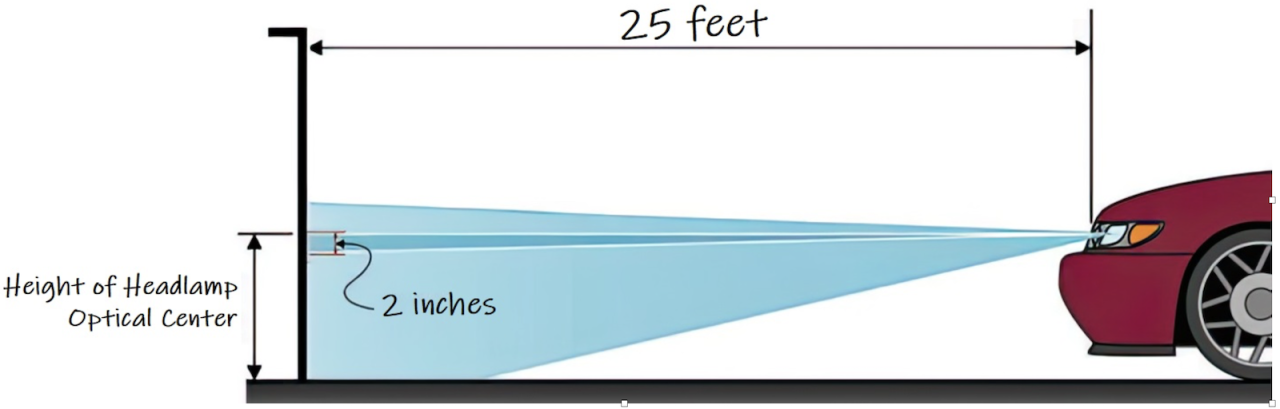
Adjusting the handlebar angle is a critical aspect of customizing your bicycle for optimal comfort and performance. Proper handlebar angle ensures the rider maintains a natural, relaxed posture, reducing the risk of discomfort or injury during rides. This adjustment aligns the handlebars with the rider’s body position, enhancing control and reducing fatigue over long distances.To assess the ideal handlebar angle, consider your riding style, as it significantly influences comfort and efficiency.
A more upright position generally benefits casual cyclists, while a lower angle suits competitive riders seeking aerodynamics. Evaluating your riding habits and comfort preferences will guide you in determining the best angle for your handlebars.
Common Handlebar Angle Settings
Understanding various handlebar angle settings can help you choose the right configuration for your cycling style. Below are common settings tailored to different types of cycling:
- Upright Position (Casual Riding): 30°
-45° angle, ideal for leisure rides, providing a relaxed posture. - Comfortable Commuting: 20°
-30° angle, suitable for city commuting, balancing comfort and control. - Road Cycling: 0°
-10° angle, designed for aerodynamics, allowing for a more streamlined position. - Mountain Biking: 10°
-20° angle, offering a balance for both control on descents and comfort on climbs. - Time Trials: -5° to 0° angle, maximizing aerodynamics, ideal for competitive racing settings.
Adjusting your handlebars to one of these recommended angles can greatly enhance your riding experience. Consider your typical riding conditions and personal comfort preferences when making these adjustments. Regularly review and adjust the angle as needed, especially if you change your riding style or experience discomfort during rides.
Proper handlebar angle adjustment not only improves comfort but also enhances overall bike control and performance.
Safety Precautions
Before embarking on the adjustment of your handlebar height and angle, it is paramount to prioritize safety to ensure a smooth and secure process. Proper precautions not only safeguard the integrity of your bicycle but also protect you from potential injuries during and after the adjustment.Taking safety measures prior to and during the adjustment process can significantly reduce the risk of accidents.
It is essential to work in a well-lit area to ensure visibility of your tools and bike components. Additionally, wearing appropriate safety gear, such as gloves and eye protection, is advisable to prevent injuries from sharp tools or sudden mechanical failures.
Checking Handlebar Stability Post-Adjustment
After completing the handlebar adjustments, it is crucial to verify the stability of the handlebars to ensure a safe and effective riding experience. This involves checking that all screws and bolts are tightened according to the manufacturer’s specifications. The following steps are essential for ensuring handlebar stability:
- Re-check the tightness of the handlebar clamp and stem bolts using a torque wrench, if available. This tool provides accurate torque settings as specified by the bike manufacturer.
- Carefully wiggle the handlebars to observe any movement or looseness. They should remain firm in place without any give.
- Perform a test ride in a controlled environment, paying attention to the feel of the handlebars. If they shift during normal riding conditions, further adjustments may be needed.
Ensuring that your handlebars are properly adjusted and stable is critical to avoiding loss of control while riding.
Risks Associated with Improper Adjustments
Improper handlebar adjustments can lead to several risks that may affect both safety and overall performance. Failing to secure the handlebars adequately can cause them to loosen while riding, leading to severe accidents or falls. Additionally, if the handlebars are misaligned, they may cause discomfort or strain on the rider’s back, neck, and arms.Potential risks of improper handlebar adjustments include:
- Loss of control during rides, which can lead to collisions or falls.
- Increased fatigue or pain during rides due to improper riding posture resulting from incorrect handlebar height or angle.
- Damage to other bike components, such as the brake and gear cables, which may be stretched or pinched during improper adjustments.
Proper handlebar adjustment is not just about comfort; it is a fundamental aspect of maintaining control and safety on your bicycle.
Troubleshooting Common Issues
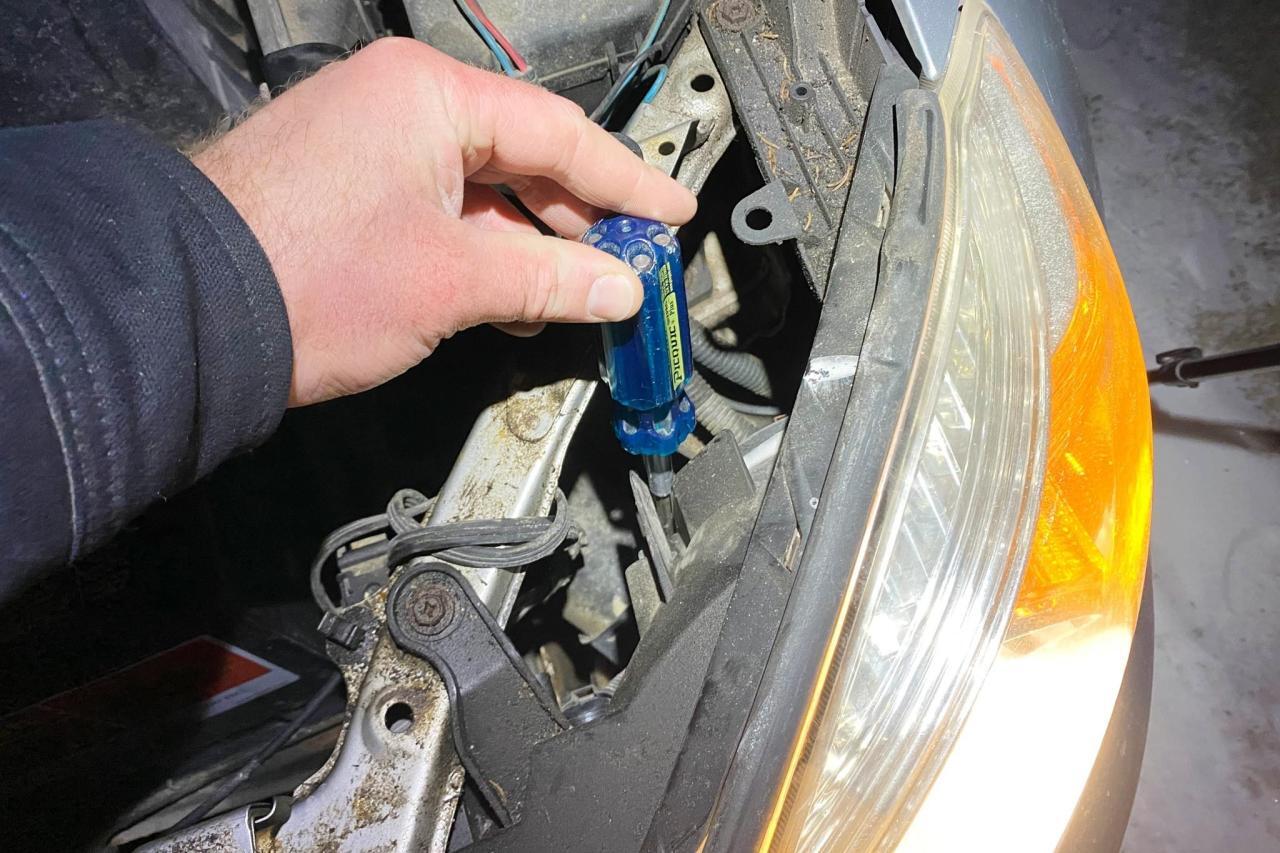
Adjusting the height and angle of your handlebars is essential for ensuring comfort and control while cycling. However, several common issues may arise during this process, which can hinder the adjustment or affect riding performance. Understanding these problems and their solutions can facilitate a smoother adjustment experience, enhancing overall cycling enjoyment.One frequent issue encountered during handlebar adjustments is the inability to loosen or tighten the handlebars due to rust or corrosion.
This can prevent cyclists from making necessary adjustments, leading to discomfort during rides. To address this issue, applying a penetrating lubricant such as WD-40 can help displace moisture and free stuck components. Allow the lubricant to sit for several minutes before attempting to adjust the handlebar again, ensuring that the adjustment bolts move freely.
Handlebar Height Adjustment Issues
When adjusting the handlebar height, cyclists may find that the stem is too tight or does not slide easily. This can occur if the stem is improperly aligned or if dirt has accumulated over time. To remedy this, ensure that the bicycle is stable while adjusting the handlebars. In cases where the stem is stuck, gently tapping it with a rubber mallet can help dislodge it.
If the handlebar height adjustment is insufficient after completing the steps, cyclists should check for proper alignment and ensure that all bolts are tightened in accordance with the manufacturer’s specifications. A common standard for handlebar height is to have the handlebars at or slightly above saddle height, which provides optimal comfort while riding.
Handlebar Angle Adjustment Issues
During angle adjustments, cyclists may experience difficulties when the handlebar does not stay in position after being adjusted. This can indicate that the angle adjustment bolt is not securely tightened, leading to unwanted movement during rides. Cyclists should check the torque specifications provided by the manufacturer to ensure that the bolt is tightened adequately.Another common problem is misalignment after adjustment, where the handlebars do not align with the front wheel.
This misalignment can lead to an uncomfortable riding position and compromised control. To fix this issue, cyclists should first loosen the adjustment bolt and then reposition the handlebars to ensure they are parallel to the front wheel before re-tightening the bolt.
“Proper handlebar adjustment is crucial for both performance and comfort while riding.”
Cyclist Experiences
Many cyclists share their experiences with handlebar adjustments, highlighting the importance of patience and precision. For instance, a mountain biker noted that adjusting their handlebars made a significant difference in their control during technical descents. However, they encountered challenges with the stem moving unexpectedly, which was resolved through careful tightening and ensuring all components were clean and free of debris.Another cyclist recounted how improper adjustments led to wrist pain during long rides.
After seeking advice from experienced riders, they learned the importance of double-checking the height and angle for proper ergonomics. They emphasized that taking the time to adjust handlebars correctly significantly improved their overall riding experience.
Maintenance Tips for Handlebars
/Adjust-Cabinet-Hinges-93246773-5751b7415f9b5892e8722a6b.jpg "How to Adjust Cabinet Doors")
Routine maintenance for handlebars is essential to ensure safety, comfort, and overall performance while cycling. Proper care can prevent issues such as loosening, misalignment, and wear, contributing to a smoother riding experience. Regular maintenance not only extends the lifespan of the handlebars but also enhances the rider’s control and handling of the bike.Periodic checks and adjustments are vital components of overall bike maintenance.
To maintain optimal conditions for your handlebars, follow these maintenance practices to ensure they remain safe and functional.
Routine Maintenance Practices
Performing regular maintenance on handlebars is crucial to identify potential problems early and ensure safety during rides. Here are essential maintenance practices to implement:
- Inspect the Handlebar Alignment: Regularly check that the handlebars are correctly aligned with the front wheel. Misalignment can lead to handling issues and increased fatigue while cycling.
- Check for Tightness: Ensure that all bolts and clamps securing the handlebars are tight to prevent movement. Loose components can pose a risk while riding.
- Clean the Handlebars: Wipe down the handlebars with a clean, damp cloth to remove dirt and grime. This helps maintain a good grip and prevents corrosion.
- Examine for Damage: Look for signs of wear, cracks, or corrosion on the handlebars. Any damage should prompt immediate replacement to ensure safety.
- Lubricate Moving Parts: If your handlebars have any moving parts, such as adjustable clamps, apply a suitable lubricant to avoid sticking and facilitate smooth adjustments.
Checklist for Regular Handlebar Checks
Creating a checklist for handlebar maintenance ensures that you do not overlook any critical aspects of upkeep. Regularly following this checklist can significantly enhance the durability and performance of your handlebars.
- Check handlebar alignment with the front wheel
- Inspect the tightness of bolts and clamps
- Clean the handlebars thoroughly
- Examine for visible damage such as cracks
- Assess grips for wear and replace if necessary
- Inspect any accessories attached to handlebars for secure fitting
- Lubricate moving parts as needed
Importance of Periodic Adjustments
In addition to routine maintenance, periodic adjustments are crucial for ensuring that handlebars remain in optimal condition. Adjustments may be necessary due to changes in riding style, comfort preferences, or ergonomic needs.
“Handlebar adjustments are essential for maintaining an ideal riding position, enhancing comfort, and reducing fatigue.”
Periodically revisiting the handlebar height and angle can significantly improve your riding experience. It is advisable to reassess your handlebar settings whenever you experience discomfort or after a long period of inactivity. Regular adjustments also allow you to accommodate changes in your riding habits or physical condition, ensuring that your bike remains a safe and comfortable mode of transportation.
Final Review
In conclusion, mastering the art of adjusting your handlebar height and angle not only enhances your comfort but also plays a vital role in your cycling performance. By regularly checking and maintaining your handlebars, you can prevent discomfort and potential injuries while riding. With the right tools and knowledge, you can transform your cycling experience, enabling you to enjoy every journey on your bike.