How to Fix a Bent Derailleur Hanger opens the door to a critical aspect of bicycle maintenance that often goes unnoticed until it’s too late. A bent derailleur hanger can compromise your bike’s shifting performance and overall riding experience, making it essential for cyclists to understand the implications and solutions associated with this common issue. By recognizing the importance of the derailleur hanger, you can ensure smoother rides and prolong the life of your bicycle.
This guide delves into the intricacies of the derailleur hanger—from its function and materials to the signs indicating it may be bent. We will explore the necessary tools for repair, provide a step-by-step guide on how to fix a bent hanger, and discuss when it might be best to consider a replacement. Additionally, we will offer maintenance tips to help prevent future bending and troubleshoot any post-repair issues.
Understanding the Derailleur Hanger

The derailleur hanger is a critical component on a bicycle that plays a vital role in the functioning of the gear shifting system. Its primary purpose is to serve as a mounting point for the rear derailleur, which is responsible for moving the chain between the different gears on the cassette. A correctly aligned derailleur hanger ensures smooth gear transitions and optimal bike performance.A bent derailleur hanger can lead to several common issues that adversely affect riding experience and safety.
For instance, it may cause the chain to skip, create misalignment that hinders shifting efficiency, or even lead to chain drops. If the hanger is significantly bent, it could also damage the derailleur itself or other drivetrain components, resulting in costly repairs. Therefore, understanding the implications of a bent hanger is crucial for maintaining a bicycle’s performance.
Materials Used in Derailleur Hangers
Derailleur hangers are manufactured from various materials, each impacting the durability and performance of the component. The most common materials include:
- Aluminum: Lightweight and cost-effective, aluminum hangers offer reasonable strength but may bend more easily upon impact compared to other materials. They are often found on mid-range bicycles.
- Steel: Known for its durability and resistance to bending, steel hangers are typically found on higher-end bicycles. They can withstand more force without permanent deformation.
- Carbon Fiber: This material is lightweight and strong, providing excellent performance. However, carbon fiber hangers can be more expensive and may be less forgiving in terms of bending under stress.
The choice of material affects not only the weight of the bicycle but also the longevity of the derailleur hanger. A more robust material can reduce the frequency of replacements, ultimately benefiting the rider in terms of both maintenance costs and performance.
A well-maintained derailleur hanger is essential for ensuring optimal gear shifting and overall bicycle performance.
Additionally, the design and manufacturing processes can influence the strength and resilience of derailleur hangers. Precision engineering and quality control are key factors that contribute to the reliability of this component, ensuring it can withstand the rigors of everyday cycling.
Signs of a Bent Derailleur Hanger
A bent derailleur hanger can significantly impact your bike’s shifting performance. It is crucial to recognize the signs early to avoid further damage to your drivetrain. Identifying these symptoms will help ensure optimal gear shifting and prolong the life of your components.
Common symptoms of a bent derailleur hanger typically manifest in the bike’s shifting behavior and visual alignment. When inspecting your bike, it is essential to look for specific indicators that suggest a problem with the derailleur hanger.
Symptoms and Visual Cues
When assessing whether your derailleur hanger is bent, consider the following signs and visual cues that can help diagnose the issue:
- Shifting Difficulty: If you experience trouble shifting gears, especially when jumping between larger and smaller cogs, this may indicate a bent hanger.
- Chain Misalignment: Observe the chain’s alignment; if it does not run straight from the chainring to the cassette, the hanger may be bent.
- Unusual Noise: Listen for grinding or rubbing noises when shifting; this is often a sign that the derailleur is not positioned correctly due to a bent hanger.
- Visual Inspection: Inspect the derailleur visually. A bent hanger may appear skewed or out of line compared to the frame, with the derailleur not sitting parallel to the rear wheel.
- Inconsistent Shifting: If your bike shifts smoothly at times but struggles at others, this inconsistency could be attributed to a bent hanger affecting derailleur positioning.
The performance of your bike’s shifting can be drastically compromised by a bent derailleur hanger. For instance, a rider may experience frequent mis-shifts or chain drops, which can lead to potential accidents or injuries. Furthermore, a bent hanger can cause rapid wear on the chain and cassette due to misalignment, ultimately resulting in costly repairs or replacements. By monitoring these signs and symptoms, you can maintain your bike’s shifting performance and overall functionality.
Tools Required for Fixing a Bent Derailleur Hanger
To effectively repair a bent derailleur hanger, having the right tools is essential. The quality and availability of tools can significantly impact the repair process, ensuring that the hanger is realigned correctly and functions smoothly. Below is a comprehensive list of tools categorized by their usage frequency, along with their specific purposes in the repair process.
Essential Tools for Repair
The following tools are necessary to address a bent derailleur hanger efficiently. Each tool plays a unique role in ensuring that the repair is done accurately and safely.
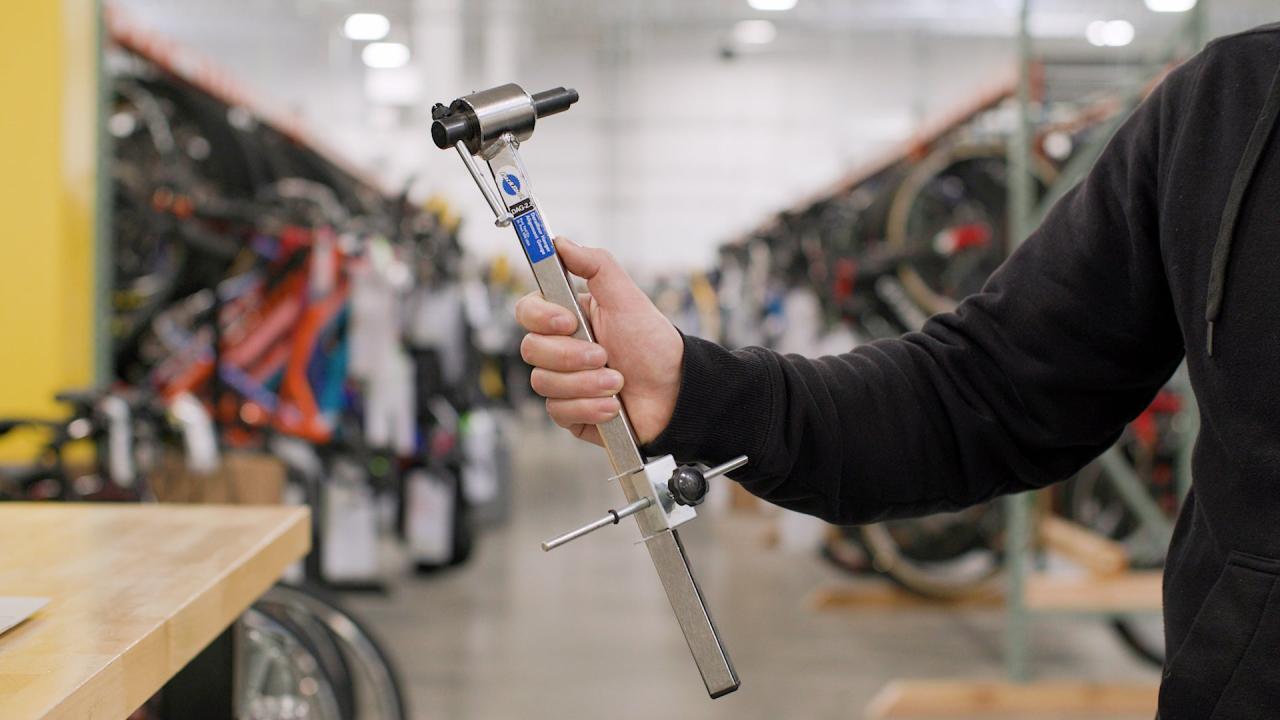
- Derailleur Hanger Alignment Tool: This specialized tool is essential for checking and correcting the alignment of the derailleur hanger. It allows for precise adjustments to ensure that the hanger is parallel to the cassette and properly positioned.
- Allen Wrenches: A set of Allen wrenches is required to remove and secure the derailleur and hanger. They come in various sizes, with the most common being 4mm or 5mm, depending on the bike’s specifications.
- Torque Wrench: A torque wrench is important for tightening bolts to manufacturer specifications. This helps prevent over-tightening, which can lead to damage and misalignment.
Additional Tools for Convenience
While the previously mentioned tools are critical, the following items can enhance the repair experience and assist with unforeseen circumstances.
- Screwdrivers (Flathead and Phillips): These are helpful for removing any covers or components that may obstruct access to the derailleur hanger.
- Chain Tool: If the derailleur’s removal requires chain disassembly, a chain tool is necessary to break and reconnect the chain.
- Adjustable Wrench: An adjustable wrench may be useful for loosening or tightening components that do not require specific torque settings.
Safety Equipment
Incorporating safety equipment into the repair process is also crucial to ensure personal safety while working.
- Gloves: Wearing gloves protects your hands from cuts and abrasions, especially when working with sharp components.
- Safety Glasses: Safety glasses shield your eyes from debris and potential injury while working on the bike.
“Using the right tools not only makes the repair process smoother but also ensures that the bike performs optimally afterward.”
The aforementioned tools collectively pave the way for a successful repair of a bent derailleur hanger. By being equipped with these essential items, cyclists can enhance their ability to maintain and restore their bicycles to top condition.
Step-by-Step Guide to Fixing a Bent Derailleur Hanger

When faced with a bent derailleur hanger, it’s essential to approach the repair process methodically to ensure proper alignment and functionality of the bicycle’s shifting system. A straight derailleur hanger is crucial for optimal gear shifting and overall performance. The following steps Artikel a comprehensive guide to restoring the hanger’s alignment using specific tools and techniques.
Preparation and Initial Assessment
Before attempting to straighten a bent derailleur hanger, it’s important to assess the damage and prepare the necessary tools. Proper preparation can significantly reduce the risk of further damage to the bicycle.
1. Tools Required
A derailleur hanger alignment tool
Allen wrenches
A portable work stand (optional but recommended)
A torque wrench
A flashlight for better visibility
2. Initial Inspection
Begin by visually inspecting the derailleur hanger. Look for any noticeable bends or misalignments. Using the derailleur alignment tool, check the alignment with the rear derailleur, which will help in identifying the degree of the bend.
Step-by-Step Repair Process
The following steps will guide you through the process of straightening a bent derailleur hanger effectively.
1. Secure the Bicycle
Place the bicycle on a stable work stand or flip it upside down. This position allows you to access the derailleur hanger easily while ensuring the bike remains stable during the repair.
2. Remove the Rear Wheel
Detach the rear wheel from the frame to gain unobstructed access to the derailleur and hanger. Use the appropriate tools to loosen and remove the axle or quick-release skewer.
3. Use the Alignment Tool
Insert the derailleur hanger alignment tool into the hanger. The tool will help visually and physically guide you in determining the extent of the bend.
4. Straightening the Hanger
If the hanger is only slightly bent, gently apply pressure to the affected area using the alignment tool. For more significant bends, consider using a combination of hands and the tool for leverage. Always apply gradual pressure to avoid breaking the hanger. If the hanger is too rigid, you may need to use heat from a heat gun to soften the metal slightly before attempting to straighten it.
Ensure you do not overheat, as this can cause structural weakness.
5. Recheck the Alignment
After straightening, reinsert the alignment tool to check the alignment again. Repeat the straightening process if necessary until the hanger is perfectly aligned.
6. Reattach the Rear Wheel
Once you are satisfied with the alignment, reattach the rear wheel, ensuring it is properly secured.
7. Final Checks
Ensure that the rear derailleur is correctly positioned and functioning. Shift through the gears to confirm that the bike is shifting smoothly.
Proper alignment of the derailleur hanger is essential for optimal performance and to prevent future shifting issues.
Safety Precautions
While performing repairs on a bicycle, it’s crucial to prioritize safety. Follow these precautions to minimize risks during the repair process:
- Wear safety goggles to protect your eyes from metal fragments or debris.
- Use gloves to maintain a better grip on tools and protect your hands from sharp edges.
- Ensure that your workspace is well-lit and organized to prevent accidents and to facilitate a smoother repair process.
- Always use the right tools for each specific task to avoid injury or damage.
By following these detailed steps and safety precautions, you can effectively straighten a bent derailleur hanger, ensuring your bicycle is ready for optimal performance on the road or trail.
Alternative Solutions for a Bent Derailleur Hanger
In some cases, fixing a bent derailleur hanger may not be the most effective solution. Understanding when to replace it can save time and ensure optimal bike performance. This section explores alternative solutions, including identifying the right circumstances for replacement, the process of ordering a new hanger, and comparing various brands and types available on the market.
Determining the Need for Replacement
While it is often possible to straighten a bent derailleur hanger, certain situations warrant a replacement. Indicators for replacement include:
- Severe bends or breaks that hinder the derailleur’s functionality.
- Repeated bending of the hanger, suggesting material fatigue.
- Inconsistencies in shifting performance that persist after adjustments.
- Visual signs of wear or damage that compromise structural integrity.
Recognizing these signs promptly can prevent further damage to the derailleur or drivetrain.
Ordering a New Derailleur Hanger
When deciding to replace a bent derailleur hanger, the ordering process is straightforward. Follow these steps to ensure you acquire the correct part:
- Identify your bike model and make to ensure compatibility.
- Look for the original hanger specifications, which can usually be found in the bike’s user manual or manufacturer’s website.
- Contact your local bike shop or search online retailers for available options.
- Consider purchasing from authorized distributors to avoid counterfeit products.
- Order the part, ensuring to confirm return policies in case of issues with fit or quality.
Proper ordering practices ensure you receive the right component to maintain your bike’s performance.
Comparison of Different Brands and Types of Derailleur Hangers
With numerous options available, it’s crucial to understand the variations in derailleur hangers. Factors to consider include material, design, and brand reputation. The following brands are popular and well-regarded in the cycling community:
- Shimano: Known for precision engineering, Shimano hangers often enhance shifting performance and durability.
- Sram: Sram hangers are designed for high-performance bikes and are known for their lightweight properties.
- SRAM X01: Offers robust hangers that withstand rigorous riding conditions, suitable for mountain biking.
- Custom Brands: Many manufacturers provide custom hangers tailored to specific bike models, which can be beneficial for unique needs.
When selecting a derailleur hanger, consider the type of riding you will be doing, as well as any specific requirements based on your bike’s design.
“Choosing the right derailleur hanger is essential for maintaining optimal gear shifting and bike performance.”
Understanding the nuances among these brands can help in making an informed choice, ensuring compatibility and performance enhancements for your cycling experience.
Maintenance Tips to Prevent a Bent Derailleur Hanger

Maintaining a bike is crucial for ensuring its longevity and optimal performance. One vital component that often gets overlooked is the derailleur hanger. By following a few simple maintenance tips, you can significantly reduce the chances of your derailleur hanger bending and maintain a smooth cycling experience.Regular maintenance not only enhances the durability of the derailleur hanger but also contributes to overall bike performance.
It’s important to adopt practices that minimize impact and stress on the hanger during rides. Here are some essential maintenance tips and practices to ensure your derailleur hanger remains in excellent condition.
Maintenance Checklist for Derailleur Hanger
Creating a maintenance checklist can help you keep track of important tasks that need to be completed regularly. These tasks will ensure that the derailleur hanger remains aligned and free from damage.
- Inspect the derailleur hanger for any signs of bending or damage after every ride.
- Clean the derailleur hanger regularly to remove dirt and debris that can cause misalignment.
- Check the derailleur alignment with the rear wheel to ensure proper shifting and prevent stress.
- Lubricate the derailleur pivot points to maintain smooth operation and reduce wear.
- Ensure that the rear wheel is properly installed and secure to avoid unnecessary impacts.
Best Practices to Avoid Bending the Hanger During Rides
Adopting safe riding practices is essential in preventing damage to the derailleur hanger. The following tips can help you mitigate the risk of bending the hanger while cycling.
- Avoid riding on rough terrain or obstacles that could impact the derailleur directly.
- Be cautious when transporting the bike to prevent abrupt hits or falls.
- Utilize proper bike storage solutions that avoid placing undue pressure on the derailleur.
- Learn to shift gears correctly to minimize strain on the derailleur and hanger.
- Use chain catchers or similar devices to help prevent the chain from dropping and causing damage.
Importance of Regular Bike Inspections
Conducting regular bike inspections is crucial in maintaining the health of your bike components, especially the derailleur hanger. These inspections can help identify potential problems before they escalate.
“Regular inspections can prevent minor issues from turning into major repairs.”
During inspections, check for any misalignment of the derailleur hanger, assess the condition of the derailleur itself, and ensure that all components are securely fastened. This proactive approach not only enhances safety but also ensures that your bike operates efficiently, reducing the likelihood of unexpected repairs due to a bent derailleur hanger.
Troubleshooting Post-Fix Issues
After successfully repairing a bent derailleur hanger, it is essential to monitor the bike’s shifting performance to ensure everything is functioning correctly. Occasionally, issues may arise that can affect shifting quality and overall bike performance, necessitating further adjustments or checks. Identifying these potential problems and understanding how to resolve them can save time and enhance the riding experience.
Identifying Shifting Problems Post-Repair
Several shifting problems may persist even after the derailleur hanger has been fixed. To efficiently address these issues, it is crucial to recognize the signs that indicate a need for further adjustments. Common symptoms include:
- Skipping Gears: This occurs when the chain fails to engage properly with the gears, resulting in a jump between gears or a loss of power transfer.
- Unresponsive Shifting: If the shifter feels sluggish or does not shift the derailleur as expected, this may indicate a misalignment or tension issue.
- Noisy Operation: Excessive noise during shifting can signal that the derailleur is not aligned correctly or that the chain is not running smoothly across the gears.
Troubleshooting Techniques for Shifting Issues
When encountering shifting problems after fixing the derailleur hanger, several troubleshooting techniques can help resolve the issues effectively. Each method addresses specific problems associated with derailleur settings and alignment.
- Check Derailleur Alignment: Ensure that the derailleur is parallel to the cassette and that the hanger is not bent again. A misaligned derailleur can cause poor shifting performance.
- Adjust Cable Tension: If shifting is sluggish, inspect the cable tension and make adjustments. Tightening the cable can improve responsiveness, while loosening may be necessary if the derailleur moves too quickly.
- Inspect Limit Screws: Properly set limit screws prevent the derailleur from moving beyond the smallest and largest cogs. Check and adjust the high and low limit screws accordingly.
- Examine Chain and Cassette Condition: Worn components can lead to ineffective shifting. Check for wear on the chain and cassette teeth and replace them if necessary.
Making Adjustments to the Derailleur
After addressing any identified issues, it may be necessary to make further adjustments to the derailleur for optimal performance. Proper adjustments ensure that the derailleur functions efficiently, providing smooth and accurate shifting.
- Setting the B-Tension Screw: Adjust the B-tension screw to modify the distance between the derailleur pulley and the cassette. This can enhance shifting performance, especially on larger cogs.
- Fine-Tuning Cable Routing: Ensure that the cable is routed correctly and free of obstructions. A clean and direct cable path improves shifting efficiency and responsiveness.
- Testing Shifting Under Load: After making adjustments, test the bike by shifting while under load. This ensures that the derailleurs are properly tuned and functioning well during real riding conditions.
Ending Remarks
In summary, understanding how to fix a bent derailleur hanger not only empowers you to address a common bike maintenance issue but also enhances your overall cycling experience. By following the procedures Artikeld in this guide and adhering to maintenance practices, you can prevent future complications and ensure your bike remains in optimum condition. Remember, a well-maintained derailleur hanger plays a crucial role in your bike’s performance, making it a worthy investment of your time and effort.