How to Wrap Road Bike Handlebar Tape is an essential guide that delves deep into the intricacies of this vital aspect of cycling. The handlebar tape not only enhances grip and comfort but also contributes to the overall aesthetic of the bike. This guide will explore various types of handlebar tape, their materials, and the importance of proper wrapping techniques for an optimal riding experience.
From selecting the right tools and materials to executing advanced wrapping methods, readers will gain comprehensive insights into each step of the process. Whether you are a seasoned cyclist or a newcomer, understanding how to properly wrap your handlebars can significantly enhance your cycling enjoyment and performance.
Introduction to Road Bike Handlebar Tape
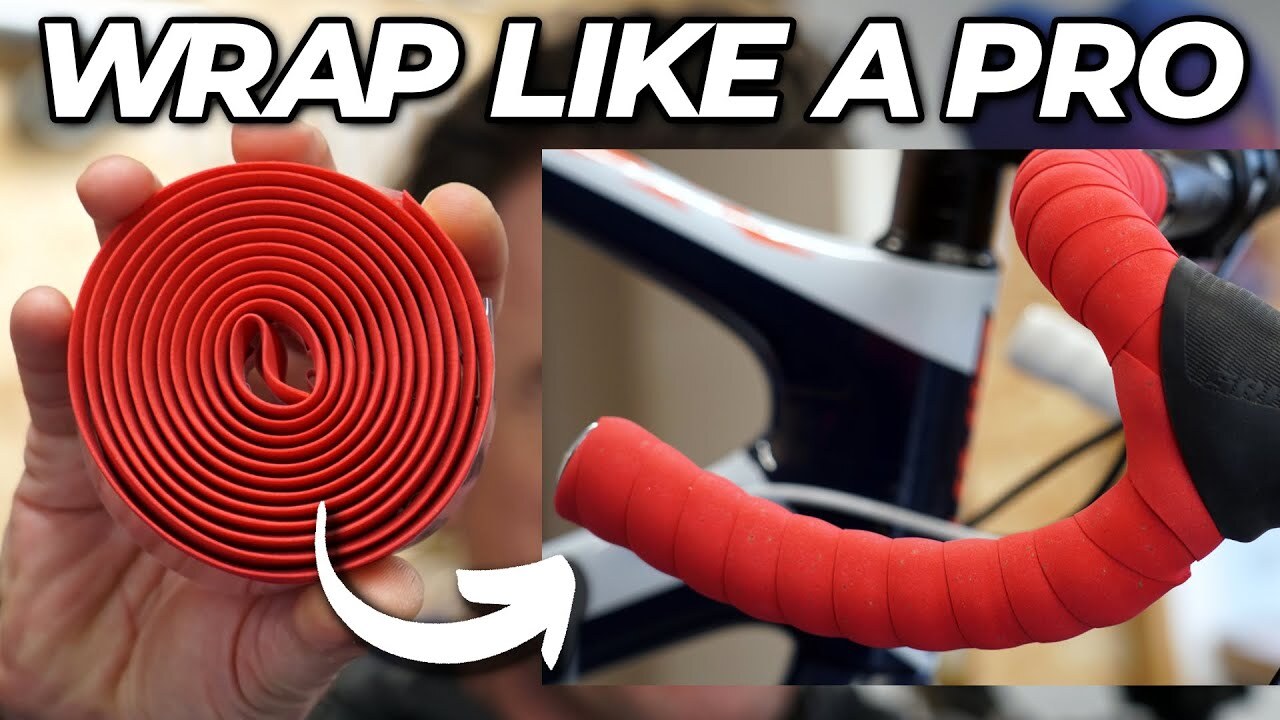
Handlebar tape serves a crucial function in the realm of cycling, enhancing both comfort and performance for riders. The tape is designed to wrap around the handlebars, providing a cushioned grip that absorbs vibrations from the road, ultimately improving the overall riding experience. Additionally, handlebar tape plays a key role in ensuring a secure hold on the bike, especially during long rides or challenging terrains.There is a wide variety of handlebar tape available on the market, catering to different preferences, riding styles, and conditions.
Riders can choose from options such as cork, foam, rubber, and synthetic materials, which come in various thicknesses and textures. Each type offers unique benefits: cork provides excellent shock absorption and a classic aesthetic, while foam tape is often lighter and offers a softer grip. Rubber and synthetic materials offer durability and resistance to weather conditions, making them ideal for various environments.
Types of Handlebar Tape
Understanding the types of handlebar tape available is essential for selecting the right option for your bike. Each type has specific characteristics that cater to different cycling needs.
- Cork Tape: Known for its natural feel and comfort, cork tape is lightweight and provides good shock absorption. It is often favored for road biking due to its traditional appearance and excellent grip.
- Foam Tape: This type is lightweight and offers a softer grip, making it popular among cyclists who prioritize comfort. Foam tape typically provides good cushioning, which helps reduce hand fatigue over long distances.
- Rubber Tape: Renowned for its exceptional grip and durability, rubber tape is ideal for wet conditions. Its non-slip surface ensures a secure hold, making it a preferred choice for riders in variable weather.
- Synthetic Tape: Made from various synthetic materials, this type of tape combines durability with weather resistance. It often features textures that enhance grip while remaining easy to clean, making it suitable for long-term use.
Materials Used in Handlebar Tape Manufacturing
The materials used in the manufacturing of handlebar tape directly influence the performance and comfort of the tape. Different materials provide varying levels of grip, cushioning, and durability.
“The choice of handlebar tape material can significantly impact a cyclist’s performance and riding comfort.”
Among the most common materials used are:
- Cork: A sustainable material that offers natural shock absorption and a classic aesthetic appeal.
- Polyurethane: This synthetic material is widely used due to its durability and ability to mimic the feel of natural materials while providing excellent weather resistance.
- Neoprene: Often found in rubber handlebar tapes, neoprene provides a high level of grip and cushioning, making it ideal for aggressive riding styles.
- Foam: Lightweight and flexible, foam materials are often used for comfort-focused tapes, providing a soft grip that enhances rider comfort on long journeys.
Preparing to Wrap Handlebar Tape
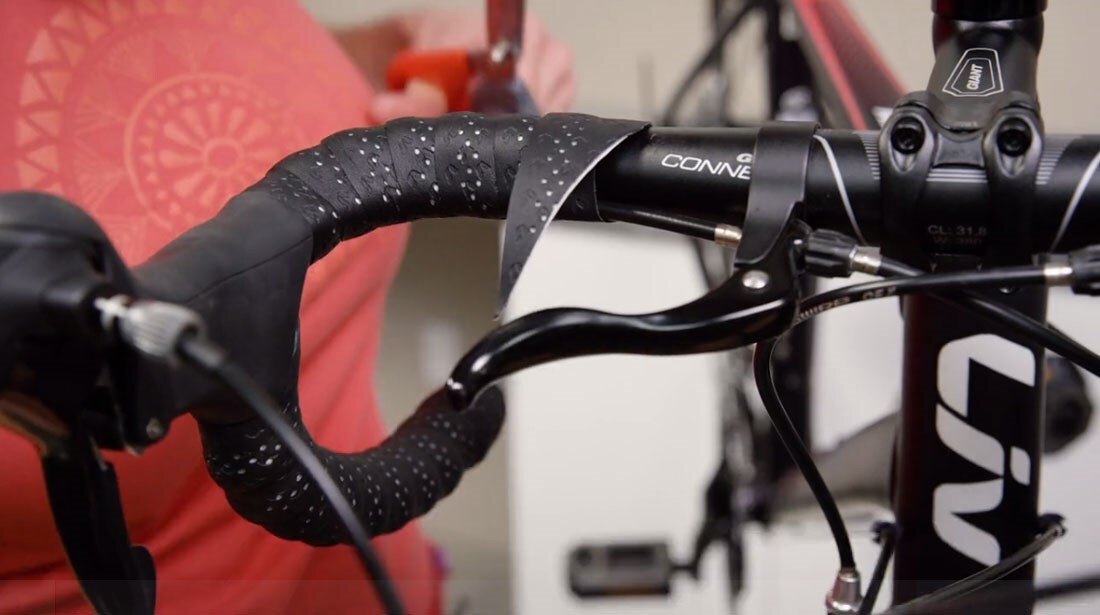
In order to successfully wrap your road bike handlebar tape, it is essential to gather the necessary tools and materials, ensure that your handlebars are clean, and safely remove any old tape. This preparation lays the foundation for a neat and durable finish, enhancing both the appearance and functionality of your handlebars.Before you begin the wrapping process, having the right tools and materials is crucial.
The following list Artikels what you will need to achieve an optimal result:
- Handlebar tape: Select a tape that suits your comfort and aesthetic preferences.
- Scissors: For cutting the tape to the desired length.
- Electrical or finishing tape: To secure the ends of the tape and provide additional grip.
- Cleaning cloth: For wiping down the handlebars.
- Isopropyl alcohol or degreaser: To remove grime and residue from the handlebars.
Cleaning the handlebars is a vital step before applying new tape. A clean surface ensures that the tape adheres properly, preventing bubbles and ensuring longevity. Dirt or residual adhesive from the previous tape can compromise the grip and comfort of the new tape. To safely remove old handlebar tape, follow these steps:
Steps to Remove Old Handlebar Tape
Begin by carefully peeling away the old tape from the handlebars. It is advisable to start from the ends and work towards the middle to avoid damage to the handlebars.
- Carefully unwind the tape, pulling it away from the handlebars gently.
- Remove any adhesive residue left on the handlebars using a cloth dampened with isopropyl alcohol or degreaser.
- Inspect the handlebars for any damage or wear that may need addressing before applying the new tape.
Taking the time to prepare properly will enhance your wrapping experience and ensure a professional finish. Remember, a well-wrapped handlebar not only looks good but also improves your riding comfort and performance.
Techniques for Wrapping Handlebar Tape
Wrapping handlebar tape is an essential skill for any cyclist looking to enhance comfort and grip on their bike. Mastering the techniques for wrapping tape not only improves aesthetics but also contributes to a better riding experience. This section discusses the various methods and techniques that can be utilized for wrapping handlebar tape effectively.
Basic Technique for Wrapping Handlebar Tape
The fundamental technique for wrapping handlebar tape involves a systematic approach to ensure even coverage and a clean finish. Start by securing the tape’s starting end to the handlebar, typically near the stem. The following steps are crucial for achieving a professional finish:
1. Position the Tape
Align the end of the tape with the handlebar and begin wrapping it around, ensuring that it overlaps the previous layer by about one-third of the tape’s width.
2. Tension Control
Maintain consistent tension as you wrap the tape around the bars. Too tight may cause discomfort, while too loose could result in sloppy wrapping.
3. Direction of Wrap
Wrap the tape in the direction of the handlebar’s natural grip, which is typically upward on the drops and level at the tops.
4. End Securing
Once you reach the end of the handlebar, secure the tape with adhesive or electrical tape to ensure it does not unravel.
Differences in Wrapping Methods for Various Handlebar Shapes
Different handlebar shapes may require adjustments in the wrapping technique to ensure optimal comfort and aesthetics. Below are common handlebar shapes and their specific wrapping considerations:
Drop Bars
For drop handlebars, start wrapping from the bottom of the drops, moving upward. This technique accommodates the natural hand position and ensures a secure grip when transitioning from the drops to the hoods.
Flat Bars
With flat handlebars, begin wrapping at one end and proceed to the other without the need for significant overlap, as the hand position is consistent across the bar.
Riser Bars
Riser handlebars may require more tape to ensure adequate coverage, particularly if the bars have a pronounced rise. Wrap from the center outwards, ensuring each wrap is snug against the previous one.
Achieving a Neat Finish at the Ends
Finishing the wrap neatly is crucial for both visual appeal and functionality. Properly securing the ends prevents tape from unraveling and enhances the overall appearance. Follow these steps for a professional finish:
1. Trim the Tape
Before finishing, ensure that the tape extends slightly beyond the end of the handlebar to allow for a clean cut.
2. Final Wrap
Make an additional wrap around the end of the bar to secure it firmly in place.
3. Use Finishing Tape
Apply a thin strip of finishing tape or electrical tape over the end of the handlebar tape. This secures the wrap and provides a polished look.
4. Inspect and Adjust
After securing the end, inspect the entire wrap for any unevenness or loose sections, making adjustments as necessary to achieve a consistent appearance.
“A well-wrapped handlebar not only looks professional but also enhances the riding experience by offering better grip and comfort.”
Adding Finishing Touches
Completing the wrapping process of your road bike handlebars involves several finishing touches that ensure the tape is both secure and looks professional. These final steps not only enhance the appearance of your bike but also contribute to your comfort and safety while riding. Properly securing the tape and adding the right accessories can make a significant difference in your biking experience.To achieve a polished and professional look, securing the ends of the tape is crucial.
Using electrical or finishing tape provides a strong hold that keeps the handlebar tape in place, preventing it from unraveling during rides. Additionally, ensuring clean cuts on the tape is essential for an aesthetically pleasing finish. Clean cuts help avoid frayed edges, which can detract from the overall appearance of the handlebars.
Securing Tape Ends
Using electrical or finishing tape at the ends of the handlebar tape serves multiple purposes. It not only prevents the tape from loosening but also provides a neat finish. Here are some tips for applying finishing tape effectively:
- Choose a strong adhesive tape, ideally electrical tape, as it is designed to stick well and withstand vibrations.
- Overlap the tape slightly over the handlebar tape for added security, ensuring a firm grip.
- Wrap the tape tightly, but avoid excessive tension that could damage the handlebar tape underneath.
Making Clean Cuts
Achieving clean cuts on your handlebar tape is essential for a professional look. Here are some tips to help you achieve this:
- Use sharp scissors or a utility knife for precise cutting; dull blades can create jagged edges.
- Measure and mark the desired length of tape before cutting to ensure accuracy.
- Cut the tape at a slight angle for a more polished appearance, allowing the edges to blend seamlessly into the handlebars.
Installing Bar End Plugs
Bar end plugs are the final touch that completes the handlebar setup and prevents the tape from fraying at the ends. Proper installation of bar end plugs is vital for both aesthetics and functionality.
- Select appropriate bar end plugs that fit your handlebars securely. They come in various materials, including plastic and aluminum, providing different aesthetic options.
- Insert the plugs into the ends of the handlebars until they fit snugly. A gentle tap may be required to ensure they are fully inserted.
- Secure the plugs in place using the provided screws if applicable. Tightening them too much can damage the plugs or handlebars, so ensure they are snug but not overly tight.
“The finishing touches on your handlebar tape not only enhance the visual appeal of your bike but also contribute to a more comfortable and safe riding experience.”
Troubleshooting Common Issues
![How To Replace Bike Handlebar Tape In 7 Steps [With Pictures]](https://biketips.com/wp-content/uploads/2022/12/Bike-Handlebar-Tape-10.jpg "How To Replace Bike Handlebar Tape In 7 Steps [With Pictures]")
Wrapping road bike handlebar tape can occasionally present challenges that may affect the overall appearance and functionality of the handlebars. Understanding these common issues and knowing how to address them can significantly enhance the wrapping experience and ensure a polished finish. Several problems typically arise during the tape-wrapping process, including tape unraveling, bubbling, and uneven application. Each of these issues can detract from the aesthetic and grip of the handlebars, making it necessary to troubleshoot effectively.
The following sections provide insights into these problems and their respective solutions.
Tape Unraveling
One common issue when wrapping handlebar tape is the tendency for the tape to unravel. This can occur due to inadequate tension while wrapping or improper securing of the tape’s end. To prevent unraveling, consider the following solutions:
- Maintain consistent tension while wrapping the tape around the handlebars. This ensures the tape adheres properly and does not loosen over time.
- Secure the end of the tape firmly by wrapping it around the handlebar multiple times, ensuring it is tightly wound before cutting and securing it with adhesive or electrical tape.
- Utilize handlebar tape that has a sticky backing, as this will provide additional grip and help prevent the tape from coming undone.
Bubbles Formation
Bubbles can form under the tape during the application process, often due to trapped air or wrinkles. These can compromise both aesthetics and comfort. To eliminate bubbles, follow these steps:
- Before applying the tape, clean the handlebars thoroughly to ensure a smooth surface, minimizing the chances of air pockets forming.
- As you wrap, use a flat tool, such as a credit card, to gently push out any trapped air bubbles towards the edges of the tape.
- If bubbles do form, carefully peel back the affected section of tape, re-stretch it, and reapply, ensuring any air is expelled during the process.
Uneven Tape Application
An uneven application of handlebar tape can detract from the overall look and performance of the bike. Achieving a consistent wrap involves awareness and technique. To correct unevenness, consider these techniques:
- Start wrapping from the bottom of the handlebars and work your way up, overlapping each layer by approximately one-third to maintain uniformity.
- Regularly check the alignment as you wrap. If the tape starts to skew, gently unwind and realign it before continuing.
- After completing the wrapping process, visually assess the handlebars from different angles to identify any uneven areas, adjusting as necessary.
Maintenance and Care for Handlebar Tape
![How To Replace Bike Handlebar Tape In 7 Steps [With Pictures]](https://biketips.com/wp-content/uploads/2022/12/Bike-Handlebar-Tape.jpg "How To Replace Bike Handlebar Tape In 7 Steps [With Pictures]")
Proper maintenance and care of road bike handlebar tape are essential for both aesthetic appeal and functional longevity. By following a few simple guidelines, cyclists can ensure their handlebar tape remains in excellent condition, providing comfort and grip during rides while avoiding the need for premature replacements.Cleaning handlebar tape is a crucial aspect of maintenance that can preserve its integrity and appearance.
To clean handlebar tape without damaging it, use a soft cloth slightly dampened with water. For more stubborn dirt or stains, a mild soap solution can be applied gently. Avoid the use of harsh chemicals or abrasive materials, as these can degrade the tape’s adhesive properties and surface finish. After cleaning, dry the tape thoroughly to prevent moisture accumulation, which can lead to deterioration over time.
Prolonging the Lifespan of Handlebar Tape
Taking preventive measures is vital for extending the lifespan of handlebar tape. The following strategies can be implemented to maintain its quality:
- Regular Inspection: Routinely check for signs of wear, such as fraying edges or loss of grip, to address issues before they worsen.
- Avoid Excessive Exposure: Keep the bike out of direct sunlight when parked, as UV rays can cause fading and weakening of materials.
- Use Gloves: Wearing cycling gloves can help absorb sweat and oils from hands, reducing wear on the tape.
- Maintain Cleanliness: Keeping the handlebar area clean can prevent dirt build-up, which contributes to premature degradation.
Replacement of Handlebar Tape Based on Wear and Tear
Recognizing when to replace handlebar tape is key to maintaining optimal performance and comfort. Several indicators suggest a need for replacement:
- Visible Damage: Look for cracks, tears, or worn patches that impede grip and comfort.
- Loss of Adhesion: If the tape begins to peel away from the handlebars, it can lead to instability and should be replaced.
- Decreased Comfort: Aged tape may feel less cushioned and more abrasive, warranting a change to ensure a comfortable riding experience.
- Fading Colors: While aesthetic, significant fading may also indicate that the tape’s protective qualities are compromised.
Regularly assessing the condition of handlebar tape and promptly addressing wear ensures both safety and comfort while cycling.
Customization Options
Customization options for road bike handlebar tape allow cyclists to express their individuality while enhancing comfort and functionality. With the multitude of colors, patterns, and materials available, selecting the right handlebar tape becomes an exciting opportunity to personalize your bike’s aesthetic and performance. This section explores various customization options, including color choices and padded tape benefits, along with examples from popular brands.
Color and Pattern Personalization
Choosing the right color and pattern for handlebar tape not only reflects personal style but can also complement the bike’s overall design. Cyclists can select from a vast range of colors, from vibrant hues to subtle tones, ensuring a perfect match with their bike frame.
Here are some popular color and pattern options:
- Solid Colors: Classic options such as black, white, and red are timeless and versatile, suitable for any bike type.
- Gradient Designs: These tapes feature a transition of colors, providing a modern aesthetic that stands out.
- Textured Patterns: Tapes with textures, like woven styles, enhance grip and add visual interest.
- Custom Prints: Some brands offer the option to print personal designs, logos, or graphics, allowing for a truly unique look.
Color and pattern combinations can significantly impact the overall visual appeal of the bike, allowing every cyclist to create a look that is uniquely theirs.
Padded Tape for Enhanced Comfort
Padded handlebar tape is designed to provide additional cushioning, which can greatly improve comfort during long rides. This type of tape typically features extra thickness or cushioning layers that help absorb vibrations from the road, reducing hand fatigue.
Several benefits of padded handlebar tape include:
- Vibration Dampening: Reduces the impact of road bumps, making for a smoother ride.
- Increased Grip: Many padded tapes have textured surfaces that enhance grip, ensuring better control.
- Ergonomic Support: Offers better hand positioning and support, which can help prevent discomfort and numbness in the hands.
Choosing padded tape is an investment in comfort, especially for cyclists who spend extended hours on their bikes.
Popular Brands and Styles
When selecting handlebar tape, cyclists can choose from numerous reputable brands that offer a variety of styles and options to suit different preferences. Recognizing the best brands can help in making informed purchasing decisions.
Here are some well-known brands along with their popular styles:
- Cinelli: Known for their vibrant colors and patterns, Cinelli’s handlebar tape is both stylish and functional.
- Supacaz: Offers a wide range of padded options with unique designs, perfect for those looking to make a statement.
- Prologo: Their tapes are designed with performance in mind, featuring ergonomic shapes and excellent grip.
- Bontrager: Provides high-quality, comfortable tape that appeals to both casual riders and competitive cyclists.
Selecting handlebar tape from these brands ensures quality and performance, enhancing both the aesthetic and functional elements of a road bike.
Comparing Handlebar Tape to Other Options
When selecting handlebar coverings for bicycles, riders often consider various materials and styles. Handlebar tape remains a popular choice for road bikes due to its unique characteristics, but it is essential to compare it to other alternatives such as grips and padded handlebar tape. This comparison will shed light on the distinct features and impacts on performance and comfort associated with each option.
Differences Between Handlebar Tape and Grips
Handlebar tape and grips serve the same fundamental purpose: to provide a comfortable and secure hold while riding. However, they differ significantly in design and application depending on the type of bike.
- Road Bikes: Handlebar tape is preferred for road bikes as it offers a customizable grip and is lightweight, enhancing aerodynamics. Additionally, it allows for easy adjustment of bar position and is compatible with various handlebar shapes.
- Mountain Bikes: Grips are typically used on mountain bikes due to their sturdiness and ability to absorb shocks from rough terrains. They provide a more substantial, cushioned grip that is essential for handling bumpy trails.
- Hybrid Bikes: These bikes may use either option depending on the rider’s preference for comfort or performance. Some riders opt for grips for a more relaxed ride, while others may choose tape for its lightweight benefits.
Lightweight vs. Padded Handlebar Tape
The choice between lightweight and padded handlebar tape can significantly influence a rider’s experience. Both types have their benefits, appealing to different riding styles and preferences.
- Lightweight Handlebar Tape: This type is designed for speed enthusiasts, minimizing extra weight while providing essential grip. It is often made from thin materials that sacrifice some cushioning for reduced weight, making it ideal for competitive cycling.
- Padded Handlebar Tape: Padded tape offers additional cushioning to absorb vibrations, enhancing comfort during long rides. It is typically thicker and may add some weight, making it suitable for casual riders or those who prioritize comfort over speed.
Impact of Handlebar Tape on Bike Performance and Comfort
The choice of handlebar tape can substantially affect both bike performance and rider comfort.
- Vibration Dampening: High-quality handlebar tape is effective in dampening vibrations transmitted through the handlebars, which can alleviate fatigue during long rides.
- Grip and Control: Properly wrapped tape provides a secure grip, enhancing control over the bike, especially during descents or sharp turns. This is crucial for safety and responsiveness.
- Temperature Regulation: Some tapes offer better temperature regulation, ensuring that grips do not become excessively slick due to sweat or moisture, which can be a significant advantage in varying weather conditions.
Final Summary

In conclusion, mastering the art of wrapping road bike handlebar tape is a rewarding endeavor that can elevate both the functionality and appearance of your bike. By following the techniques Artikeld in this guide, cyclists can avoid common pitfalls and ensure a professional finish. Remember that regular maintenance and the opportunity for customization further enhance your riding experience, making it not just a task but a personal expression of style and comfort.