How to Troubleshoot Shifting Problems Step-by-Step is a crucial guide designed for vehicle owners seeking to ensure a smooth driving experience. Shifting problems can lead to serious driving disruptions and safety concerns, making it essential to address these issues promptly. Understanding the signs, causes, and solutions for shifting difficulties can save time and money while preventing further complications.
This comprehensive guide will walk you through the process of diagnosing shifting problems, performing essential checks, and implementing effective fixes. From understanding the differences between automatic and manual transmissions to exploring preventive maintenance tips, this resource aims to equip you with the knowledge needed to address shifting issues confidently.
Understanding Shifting Problems
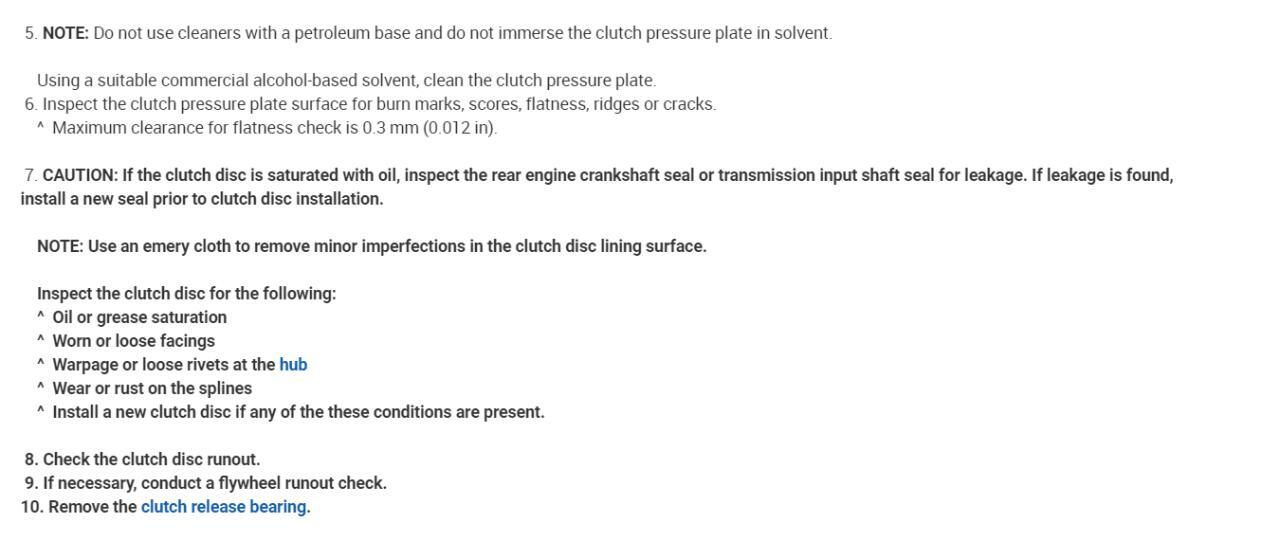
Shifting problems in vehicles are common issues that can significantly affect the performance and safety of your automobile. Recognizing the signs early can prevent further damage and costly repairs. Understanding these problems involves identifying their symptoms, underlying causes, and the importance of addressing them in a timely manner.Common signs of shifting problems include unusual noises during gear changes, slipping gears, delayed engagement when shifting, or the transmission warning light illuminating on the dashboard.
These symptoms indicate that the vehicle’s transmission system is not functioning as intended, which could lead to more severe complications if not addressed promptly.
Signs of Shifting Problems
The early identification of shifting problems is crucial for maintaining vehicle performance. Below are the common signs to watch for:
- Unusual Noises: Grinding or clunking sounds during gear shifts suggest potential mechanical failure or low transmission fluid levels.
- Slipping Gears: If the vehicle unexpectedly changes gears or loses power while driving, it indicates a serious issue.
- Delayed Engagement: A noticeable delay when shifting from park to drive can signify transmission fluid issues or internal wear.
- Warning Lights: The illumination of the transmission warning light on the dashboard serves as an alert for potential problems within the transmission system.
Causes of Shifting Issues
Shifting problems can stem from both mechanical and electronic factors. Understanding these causes allows for effective troubleshooting and repair.
- Low Transmission Fluid: Insufficient fluid levels can lead to overheating and slipping, compromising the transmission’s function.
- Worn Clutch: In manual transmissions, a worn clutch can hinder smooth shifting, requiring replacement to restore proper functionality.
- Faulty Sensors: Modern vehicles rely on electronic systems; malfunctioning sensors can disrupt the shifting process and lead to erratic behavior.
- Mechanical Wear: Over time, components such as gears and bands can wear down, resulting in improper shifting and gradual deterioration.
Importance of Early Recognition
Recognizing shifting problems early is vital for several reasons. Addressing issues promptly can lead to:
- Cost Efficiency: Early intervention often reduces repair costs by preventing extensive damage to the transmission.
- Safety: A malfunctioning transmission can jeopardize driver and passenger safety; timely repairs mitigate this risk.
- Vehicle Longevity: Consistent monitoring and maintenance of the transmission system contribute to the overall longevity and reliability of the vehicle.
“Timely recognition of shifting issues is essential for maintaining vehicle safety and operational efficiency.”
Initial Checks to Perform
Performing initial checks is a crucial step in troubleshooting shifting problems in vehicles. These checks allow for the identification of basic issues that can often be resolved without extensive mechanical knowledge. By systematically assessing the transmission fluid level and condition, as well as inspecting the gear linkage for obstructions, you can quickly determine whether these common factors contribute to shifting difficulties.
Checking Transmission Fluid Level and Condition
The transmission fluid plays a vital role in the overall function of the vehicle’s transmission system. It lubricates the internal components, helps in heat regulation, and facilitates gear shifting. Therefore, ensuring that the fluid is at the correct level and in good condition is essential for optimal performance. To check the transmission fluid, follow these steps:
1. Locate the transmission dipstick
This is usually found near the back of the engine, often labeled for easy identification. Some modern vehicles may not have a dipstick, in which case alternative methods will be Artikeld in the owner’s manual.
2. Warm up the engine
Start the vehicle and allow it to reach normal operating temperature. This ensures accurate fluid level readings.
3. Remove the dipstick
Pull the dipstick out and wipe it clean with a lint-free cloth.
4. Reinsert the dipstick
Push it back in fully and remove it again to read the fluid level.
5. Examine the fluid condition
The fluid should be a clear, bright red color. If it appears dark, burnt, or has a gritty texture, it may need to be replaced.
Maintaining the correct transmission fluid level and quality is crucial for ensuring smooth gear transitions and preventing further damage to the transmission.
Inspecting the Gear Linkage and Mechanism
The gear linkage mechanism is responsible for connecting the gear lever to the transmission itself. Any obstructions or misalignments in this system can lead to difficulties when shifting gears. To inspect the gear linkage, consider the following steps:
1. Visual inspection
Look for any visible damage, rust, or corrosion in the linkage components.
2. Check for obstructions
Ensure that there is no debris or foreign objects that may hinder the operation of the linkage.
3. Test the movement
With the vehicle off, manually shift the gear lever and observe the linkage for any signs of binding or unusual resistance.It is important to ensure that the linkage moves freely and is correctly aligned. Any issues detected in this area should be addressed promptly to avoid further complications.
Tools Needed for Initial Inspection
Having the right tools on hand can simplify the initial inspection process. Below is a list of essential tools that should be readily available for checking transmission fluid and inspecting gear linkage:
Transmission dipstick (if applicable)
For measuring fluid levels.
Lint-free cloth
To clean the dipstick and check fluid condition.
Socket wrench set
For loosening and tightening any bolts associated with the gear linkage.
Screwdriver set
For removing any covers or components that may obstruct access to the linkage.
Flashlight
To illuminate areas that may be difficult to see clearly during inspection.
Safety gloves
To protect hands from any sharp edges or hot components.Utilizing these tools effectively can help streamline the troubleshooting process and provide a more accurate assessment of any shifting problems.
Diagnosing the Issue
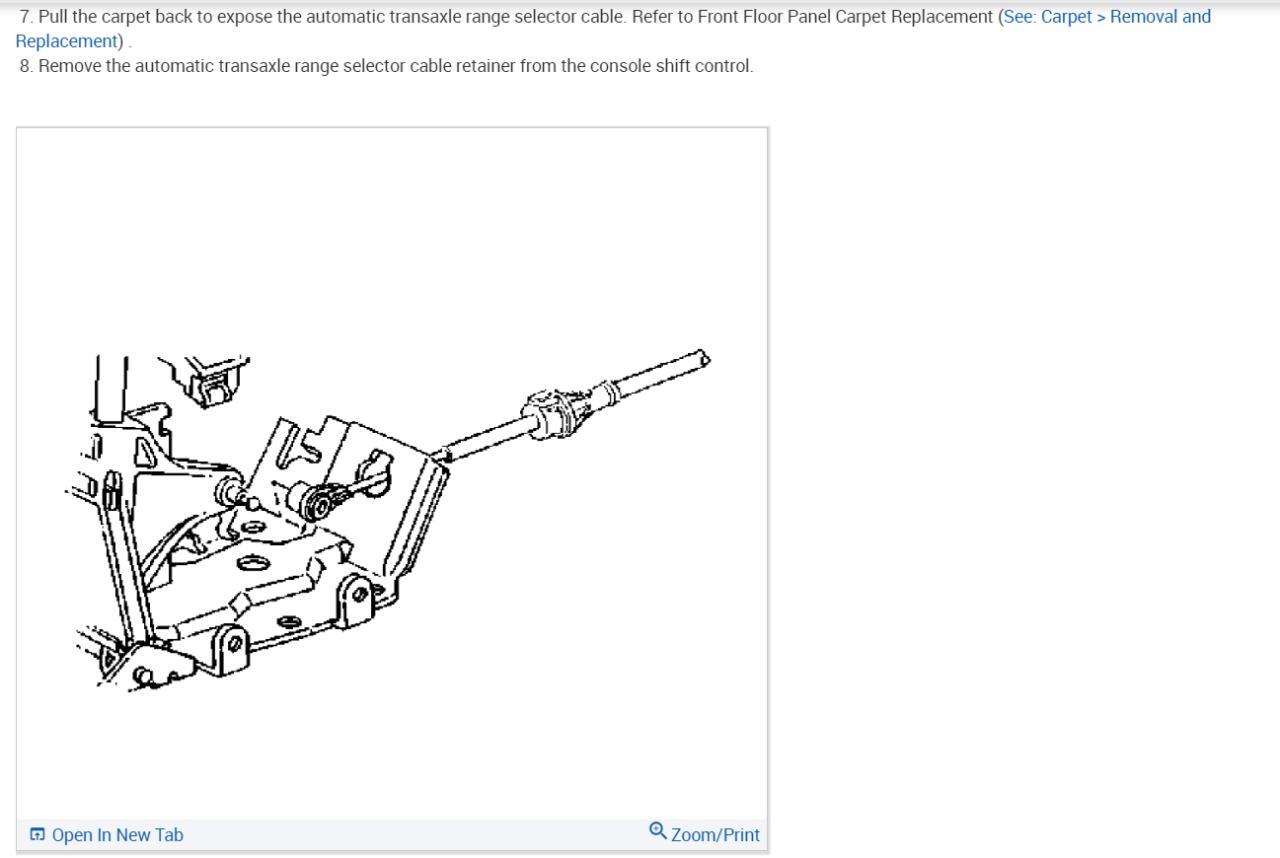
Diagnosing shifting problems in a vehicle’s transmission system is a critical step that can help pinpoint the root cause of issues and facilitate effective repairs. This section Artikels a systematic approach to performing diagnostic tests on the transmission and understanding the underlying causes of shifting difficulties.
Performing a Diagnostic Test on the Transmission
A diagnostic test is essential for evaluating the performance and functionality of the transmission. Conducting these tests can provide insights into potential faults within the system. The following steps Artikel a standard procedure for performing a transmission diagnostic test:
1. Connect an OBD-II Scanner
Begin by locating the vehicle’s OBD-II port, typically found under the dashboard near the steering column. Connect an OBD-II scanner to this port.
2. Turn on the Ignition
Ensure the ignition is in the “On” position without starting the engine. This allows the scanner to communicate with the vehicle’s computer system.
3. Read Diagnostic Trouble Codes (DTCs)
Use the scanner to retrieve any stored DTCs. These codes indicate specific faults within the transmission or related systems.
4. Clear Codes
After noting the codes, clear them from the system and perform a test drive under various driving conditions to see if the issues reoccur.
5. Recheck Codes
After the test drive, reconnect the scanner to determine if any new codes have appeared, indicating ongoing issues.
Identifying Error Codes Related to Shifting Problems
Error codes provide crucial information regarding the functioning of the transmission. Understanding these codes is vital for diagnosing shifting problems. Each code corresponds to a specific issue, which can be referenced using an online database or service manual.
Common Transmission Error Codes
P0700
Transmission control system malfunction.
P0715
Input/turbine speed sensor malfunction.
P0720
Output speed sensor malfunction. Recognizing these codes allows for targeted troubleshooting. It is advisable to use a reliable source to decode any retrieved codes, as they can guide technicians in identifying the necessary repairs.
Investigating the Electrical Components of the Transmission System
The electrical components in the transmission system play a significant role in its operation. Issues within these components can lead to shifting problems. Conducting a thorough investigation includes several key steps:
Inspect Wiring and Connectors
Visually inspect all wiring and connectors associated with the transmission control unit (TCU). Look for frayed wires, corrosion, or loose connections that could disrupt electrical signals.
Check Transmission Control Module (TCM)
The TCM manages the transmission’s shift points and functions. Use a multimeter to test the TCM for proper voltage and ground connections.
Test Sensors
Examine input and output speed sensors to ensure they are functioning correctly. Use diagnostic tools to verify that these sensors are accurately reading vehicle speed and relaying this information to the TCM. Understanding and testing these components can help identify electrical malfunctions that may be causing shifting issues.
“Thorough diagnostics are essential for effective transmission repairs; neglecting electrical components can lead to misdiagnosis and unresolved issues.”
Common Fixes for Shifting Problems
Shifting problems can often be resolved with minor repairs that car owners can perform themselves. Understanding the potential causes and fixes is essential for maintaining a well-functioning transmission. Below are common repairs that can help alleviate shifting issues.
Adjusting Shift Linkage
One of the first steps in addressing shifting problems is to check and adjust the shift linkage. The shift linkage connects the gear shifter to the transmission, and any misalignment can result in difficulty shifting gears.
- Inspect the linkage for any signs of wear or damage. Ensure that it is properly connected to both the gear shifter and the transmission.
- If the linkage is loose or out of alignment, adjust it according to the vehicle’s specifications, which can often be found in the owner’s manual.
- Lubricate any moving parts of the linkage to reduce friction and improve shifting performance.
Replacing Transmission Fluid
Transmission fluid plays a crucial role in the smooth operation of the transmission system. Over time, fluid can become dirty or depleted, leading to shifting issues.
- Check the transmission fluid level using the dipstick. If it is low, add the recommended type of fluid.
- If the fluid appears dark or has a burnt smell, a complete fluid change may be necessary. Follow appropriate procedures to drain and replace the fluid.
- Consider replacing the transmission filter during this process to enhance fluid cleanliness and functionality.
Tightening or Replacing Clutch Components
For vehicles equipped with a manual transmission, issues with the clutch can deeply affect shifting performance.
- Inspect the clutch pedal for proper engagement and free play. If there is excessive play, adjustments may be needed.
- Look for signs of wear on the clutch plate and throw-out bearing. If they are worn, replacement will improve shifting responsiveness.
- Ensure that the hydraulic system for the clutch is functioning correctly, including checking for leaks in the lines or master/slave cylinders.
When to Seek Professional Help for Transmission Issues
While many shifting problems can be resolved with minor repairs, certain situations warrant professional assistance.
- If, after performing these repairs, the problem persists, it may indicate more severe issues such as internal transmission damage.
- Unusual noises, such as grinding or clunking, can signal critical failures that require expert diagnosis.
- In cases of significant fluid leaks or transmission warning lights appearing on the dashboard, it is prudent to consult a professional mechanic immediately.
Regular maintenance and timely repairs can significantly extend the lifespan of your vehicle’s transmission and improve shifting performance.
Preventive Maintenance Tips
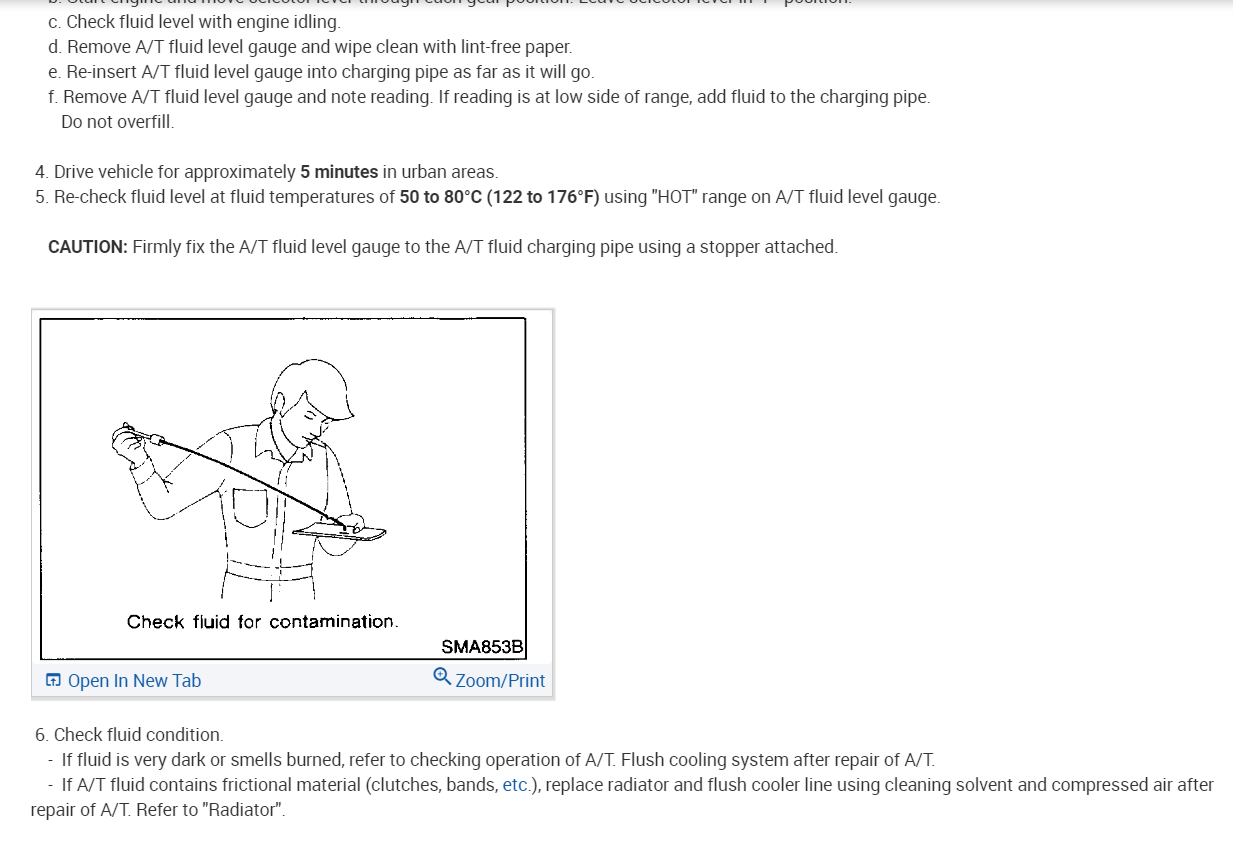
Maintaining a vehicle’s transmission system is essential for ensuring smooth operation and longevity. By adopting preventive maintenance best practices, vehicle owners can avoid costly repairs and shifting problems. Regular maintenance helps in identifying issues before they escalate, ensuring the transmission operates at peak efficiency.It is crucial to adhere to a consistent maintenance schedule and focus on key tasks that promote the health of the transmission system.
Proper care not only extends the life of the vehicle but also enhances safety and performance. Below is a checklist of regular maintenance tasks to help prevent shifting problems.
Regular Maintenance Tasks Checklist
This checklist Artikels essential tasks that should be performed regularly to maintain the transmission system and prevent potential shifting issues:
- Check Transmission Fluid Level: Regularly monitor the transmission fluid level to ensure it is within the recommended range. Low fluid levels can lead to inadequate lubrication and overheating.
- Inspect Transmission Fluid Condition: Examine the transmission fluid for color and smell. Healthy fluid is typically a bright red color and has a sweet smell. Dark or burnt fluid indicates the need for a change.
- Change Transmission Fluid and Filter: Follow the manufacturer’s guidelines for changing the transmission fluid and filter. This is typically recommended every 30,000 to 60,000 miles, depending on the vehicle.
- Check for Leaks: Regularly inspect the areas around the transmission for any signs of leaking fluid. Early detection can prevent more significant damage.
- Inspect Transmission Mounts: Ensure that transmission mounts are secure and free from wear. Worn mounts can lead to misalignment and shifting problems.
- Monitor Engine Performance: Any issues with engine performance can affect transmission operation. Regular engine maintenance is vital for optimal shifting.
Proper use of transmission fluid is vital for the effective functioning of the transmission system. The correct type of transmission fluid, as specified by the vehicle manufacturer, ensures that the transmission operates smoothly and efficiently. Using the wrong fluid can lead to severe damage and increased wear on internal components.
Importance of Correct Transmission Fluid and Filters
Transmission fluid acts as a lubricant, coolant, and hydraulic fluid, playing a critical role in the operation of the transmission system. Using the correct fluid type, as Artikeld in the owner’s manual, is imperative for the following reasons:
- Lubrication: The right transmission fluid reduces friction, preventing wear and tear on components.
- Heat Dissipation: Transmission fluid helps maintain optimal operating temperatures, preventing overheating which can lead to transmission failure.
- Hydraulic Functionality: The fluid must provide the necessary hydraulic pressure to engage gears and provide smooth shifting.
Additionally, regularly replacing transmission filters is essential as they prevent debris and contaminants from entering the transmission fluid. Clogged filters can restrict fluid flow, resulting in shifting issues.
“Using the correct transmission fluid and maintaining it regularly will ensure a long-lasting, efficient transmission system.”
Understanding Automatic vs. Manual Transmission Issues
Both automatic and manual transmissions serve the essential function of transferring power from the engine to the wheels, yet they operate on different principles and mechanics. Understanding the distinct issues that can arise in each type is crucial for effective troubleshooting and repair. This section explores common shifting problems associated with both transmission types, their unique challenges, and specific solutions tailored to each system.
Common Shifting Problems in Automatic and Manual Transmissions
Shifting problems can manifest differently in automatic and manual transmissions, and recognizing these variations is vital for accurate diagnosis. For automatic transmissions, issues typically include:
Delayed Shifting
This occurs when the vehicle hesitates to change gears, which may result from low transmission fluid levels or faulty sensors.
Harsh Shifting
A rough transition between gears may indicate problems with the transmission control module or worn-out clutch plates.
Slipping Gears
If the vehicle unexpectedly changes gears or fails to stay in gear, it could point to a worn transmission band or low fluid.On the other hand, manual transmissions often face challenges such as:
Difficulty Engaging Gears
This may be caused by a worn clutch, misaligned linkage, or low transmission fluid.
Grinding Noises
When shifting gears results in grinding sounds, it usually signifies a problem with the clutch or synchronizers.
Stalling
If the engine stalls while attempting to shift gears, this could be due to improper clutch engagement or issues with the engine’s performance.
Unique Challenges Faced by Each Type of Transmission
The challenges faced in automatic and manual transmissions differ not only in symptoms but also in the complexity of repairs. For automatic transmissions:
Complexity of Components
Automatic systems are equipped with various electronic components and hydraulic systems, making troubleshooting more intricate.
Dependence on Sensors
Many automatic transmissions rely on sensors for optimal performance, and any failure in these sensors can lead to significant shifting issues.In contrast, manual transmissions present their own set of challenges:
Driver Skill Dependency
Manual transmissions require more driver intervention and skill, which can lead to user error if not properly engaged.
Wear and Tear on Clutch
The clutch in manual vehicles is subject to regular wear and requires replacement after significant use, which can lead to shifting problems if neglected.
Specific Solutions Tailored to Automatic and Manual Vehicles
Addressing shifting problems requires tailored solutions depending on the type of transmission. For automatic transmissions, consider the following solutions:
Fluid Replacement
Regularly check and replace transmission fluid to ensure proper lubrication and performance. This is a simple maintenance task that can prevent many issues.
Sensor Calibration
Ensure that all sensors are functioning correctly and recalibrate them if necessary to enhance shifting performance.For manual transmissions, the following solutions can be effective:
Clutch Replacement
If grinding noises or difficulty engaging gears persist, replacing the clutch may be necessary to restore proper functionality.
Linkage Adjustment
Ensure that the gear linkage is properly aligned and functioning to facilitate smooth gear changes.By understanding the nuances of automatic and manual transmission issues, vehicle owners and technicians can better address problems and maintain optimal vehicle performance.
Troubleshooting Unique Scenarios
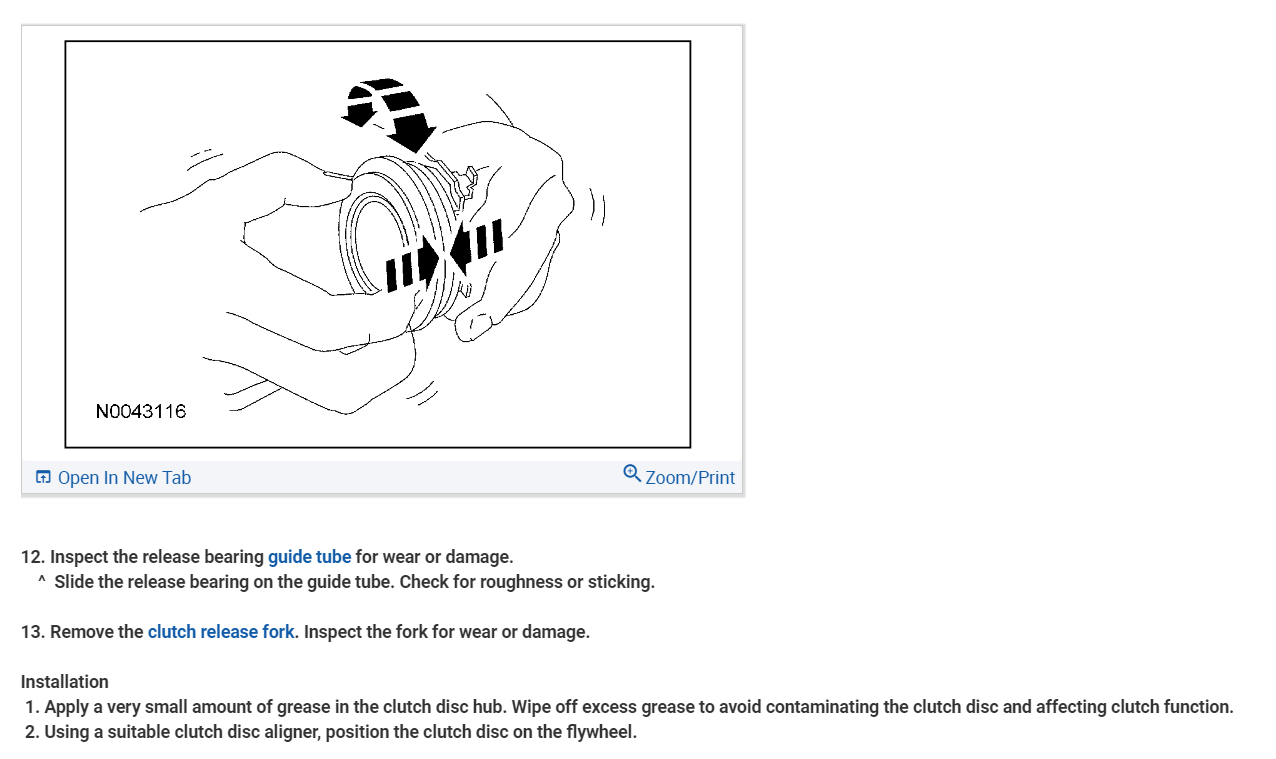
Identifying and resolving unique shifting problems can be critical to ensuring a vehicle operates smoothly. Issues such as slipping gears or delayed engagement may occur under specific circumstances, which requires a detailed troubleshooting approach. This section will guide you through the process of diagnosing these unique scenarios, providing essential steps and case studies to assist in finding effective resolutions.
Flowchart for Troubleshooting Specific Scenarios
Visual aids like flowcharts can simplify the troubleshooting process for shifting problems. Below is a flowchart Artikel that can be utilized to address common issues:
1. Identify the Problem
Begin with clear symptoms such as slipping gears or delayed engagement.
2. Check for External Factors
Consider weather conditions, temperature, and road conditions.
3. Inspect Transmission Fluid
Verify fluid levels and quality.
4. Evaluate Linkage and Cables
Ensure that all connections are secure and functioning.
5. Run Diagnostic Tests
Use diagnostic tools to gather error codes from the vehicle’s computer.
6. Perform Test Drive
Conduct a test drive under the same conditions to replicate the issue.The flowchart helps streamline the troubleshooting process, allowing technicians to pinpoint the cause of shifting issues efficiently.
Troubleshooting Shifting Issues Under Specific Conditions
Shifting issues can often manifest under unique conditions such as extreme temperatures or specific driving environments. Understanding these scenarios contributes to accurate diagnosis.
Weather-Related Issues
Cold weather may cause thicker transmission fluid; hence, the vehicle may not shift smoothly. Ensure that the fluid type is appropriate for colder climates.
Humidity and Moisture
High humidity can lead to condensation in the transmission, affecting performance. It is crucial to check for moisture intrusion, especially in older vehicles.
Heavy Loads or Towing
Shifting problems may arise when towing heavy loads. It is essential to verify that the vehicle is within its weight limits and that the cooling system is functioning correctly.These conditions necessitate a tailored approach to troubleshooting, focusing on environmental impacts on the transmission system.
Case Studies of Unique Shifting Problems and Resolutions
Real-life case studies offer valuable insights into resolving unique shifting issues. Below are two notable examples:
1. Case Study 1
Slipping Gears in a 2010 Honda Accord
Issue
The owner reported slipping gears during acceleration.
Diagnosis
Inspection revealed low transmission fluid levels and burnt fluid quality.
Resolution
A fluid flush and refill with the manufacturer-recommended fluid resolved the issue.
2. Case Study 2
Delayed Engagement in a 2015 Ford Escape
Issue
The vehicle experienced delayed engagement when shifting from park to drive.
Diagnosis
A diagnostic scan revealed a faulty transmission control module.
Resolution
Replacing the transmission control module restored proper functionality.These cases illustrate the significance of thorough diagnostics and targeted resolutions in overcoming unique shifting problems. By considering specific conditions and drawing from documented experiences, vehicle owners and technicians can effectively address shifting issues and enhance vehicle performance.
Resources for Further Assistance
In the realm of troubleshooting shifting problems, having access to the right resources can significantly enhance your understanding and enhance your repair efforts. Various online communities, professional services, and instructional materials are available to support both novice and experienced individuals dealing with transmission issues.
Online Forums and Communities
Engaging with online forums and communities can provide valuable insights and shared experiences from fellow vehicle owners and enthusiasts. These platforms serve as a repository of knowledge where individuals can discuss their issues, share solutions, and seek advice.
- Reddit – r/MechanicAdvice: A vibrant community where users can post their shifting problems and receive advice from experienced mechanics and DIY enthusiasts.
- Bob Is The Oil Guy: This forum is dedicated not only to oil discussions but also covers various automotive topics, including transmission troubleshooting.
- Car Talk Community: A supportive platform where members can share their automotive dilemmas, including shifting issues, and find helpful solutions.
- AudiWorld Forum: Specifically beneficial for Audi owners, this forum offers a wealth of information related to transmission concerns and repair experiences.
Professional Services Specializing in Transmission Repairs
When DIY efforts do not yield satisfactory results, it is essential to consider reaching out to professionals who specialize in transmission repairs. Contacting experienced technicians can save time and resources while ensuring that the vehicle is in capable hands.
- AAMCO Transmissions: A nationwide chain focused on transmission repair, offering detailed inspections and reliable repairs.
- Mr. Transmission: With locations across the United States, Mr. Transmission provides comprehensive services for all transmission-related issues.
- Local Certified Mechanics: Utilize platforms like Yelp or Angie’s List to find certified mechanics in your area who specialize in transmission repair.
Effectiveness of Manuals and Online Resources
Utilizing manuals and online resources can be highly effective for individuals attempting DIY repairs. Comprehensive manuals provide step-by-step instructions, ensuring that even less experienced individuals can follow along effectively.
- Vehicle Service Manuals: These manuals offer detailed specifications, diagnostic procedures, and repair guidelines tailored to specific vehicles.
- YouTube Channels: Various automotive channels provide visual tutorials and troubleshooting guides that can make complex repairs easier to understand.
- Online Repair Guides: Websites such as Haynes Manuals and Chilton offer extensive guides for specific vehicles, including troubleshooting tips and repair methods.
Concluding Remarks
In conclusion, mastering the art of troubleshooting shifting problems can significantly enhance your vehicle’s performance and longevity. By following the step-by-step instructions Artikeld in this guide, you can tackle common shifting issues and recognize when it is appropriate to seek professional assistance. Empowering yourself with this knowledge allows for better vehicle maintenance and ensures a safer driving experience for you and your passengers.