How to Fix a Chain on a Single-Speed Bike is an essential skill for any cyclist who values both performance and safety. A well-maintained bike chain not only enhances your riding experience but also ensures that your bike operates smoothly and efficiently. Many riders may not realize that neglecting chain maintenance can lead to significant issues, ultimately affecting their safety on the road.
In fact, research indicates that regular upkeep can prolong the life of your bike chain and improve overall functionality.
In this guide, we will explore the importance of proper chain maintenance, the tools required for fixing a chain, and how to identify potential problems. Whether you’re a seasoned cyclist or a beginner, our step-by-step instructions will empower you to tackle chain issues with confidence and ease, ensuring you enjoy every ride.
Importance of Proper Chain Maintenance
Proper chain maintenance is crucial for ensuring the optimal performance of a single-speed bike. A well-maintained chain not only enhances the efficiency of power transfer from the pedals to the wheels but also contributes to a smoother and more enjoyable riding experience. Neglecting this essential component can lead to various issues that diminish performance and safety.A poorly maintained chain can significantly affect the riding experience, resulting in increased friction, premature wear, and the risk of chain breakage.
This not only leads to potential accidents but also necessitates more frequent replacements, raising overall maintenance costs. According to statistics, a bicycle chain can stretch approximately 0.5% to 1% after 1,000 to 2,500 miles of use. Regular maintenance can extend the life of a chain by up to 50%, effectively saving cyclists both time and money.
Consequences of Neglecting Chain Maintenance
Neglecting the maintenance of a bike chain can lead to several detrimental effects, impacting both the bicycle’s performance and the rider’s safety. The following points illustrate the key consequences of poor chain maintenance:
- Increased Wear and Tear: A dirty or poorly lubricated chain experiences increased friction, accelerating wear on both the chain and the gears.
- Reduced Efficiency: A chain that is not properly maintained can lead to energy loss, making it harder for the rider to pedal and requiring more effort.
- Increased Risk of Breakage: Over time, a neglected chain is more prone to breaking, which can result in accidents or injuries.
- Higher Replacement Costs: Frequent replacements due to neglect can lead to significantly higher expenses compared to regular maintenance.
“Regular maintenance can extend the life of a chain by up to 50%, saving cyclists both time and money.”
In summary, maintaining the bike chain is essential for optimal performance, rider safety, and overall cycling enjoyment. By investing time in proper chain care, cyclists can enhance their riding experience and prolong the lifespan of their bicycles.
Tools Needed for Chain Fixing
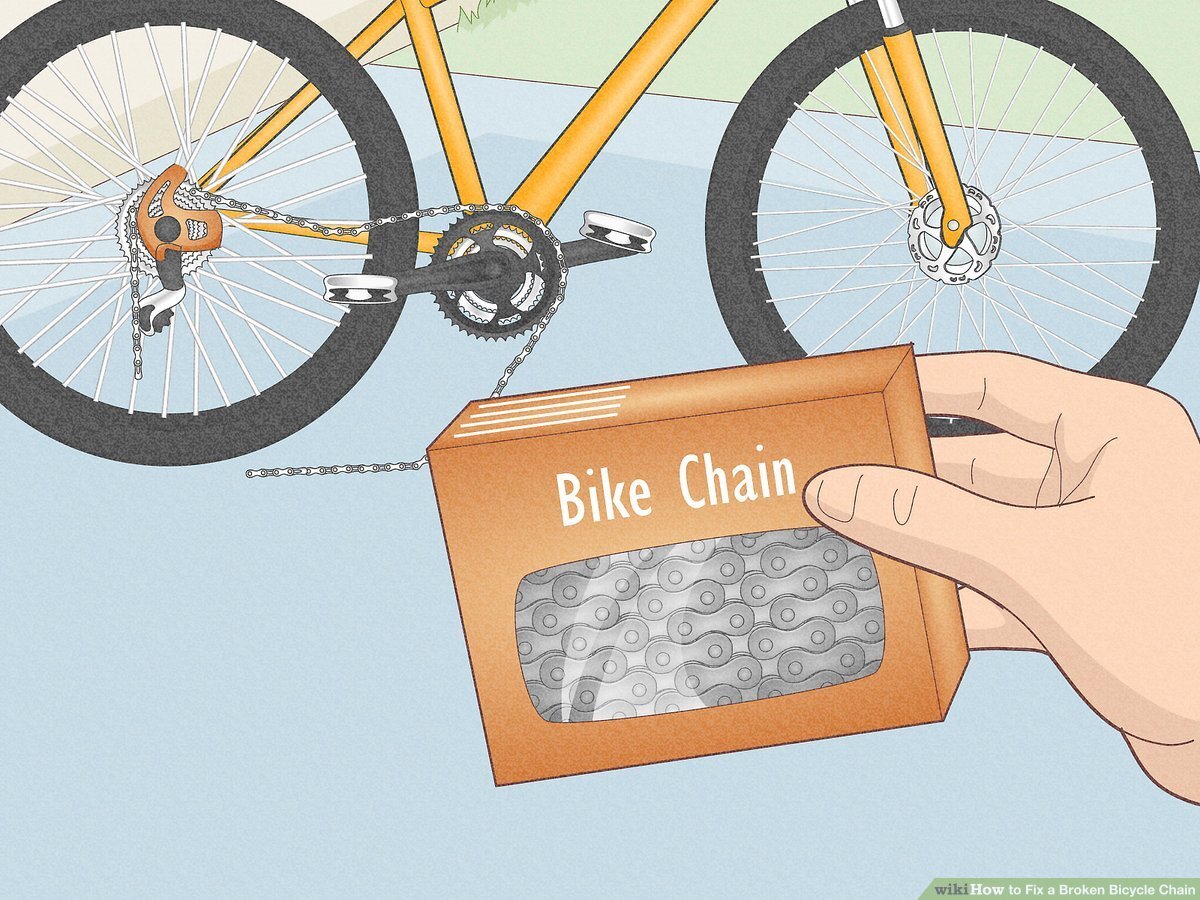
Proper maintenance of a bike chain is crucial for optimal performance and longevity. When fixing a chain on a single-speed bike, having the right tools at your disposal ensures the process is efficient and effective. Below, we Artikel the essential tools needed for this task, along with clear instructions on how to use each tool during the repair process.
Essential Tools for Chain Repair
Understanding the tools required for fixing a bike chain is fundamental for any cyclist. Each tool serves a specific purpose and contributes to the overall efficiency of the repair process. The following table lists the necessary tools along with their descriptions and usage instructions.
| Tool | Description | Usage |
|---|---|---|
| Chain Tool | A specialized tool used to remove and install chain links. | Align the chain with the tool, insert the pin into the chain link, and turn the handle to push out the pin, allowing for link removal. |
| Replacement Links or Chain | New links or a full chain to replace damaged sections. | Depending on the damage, either add new links or replace the entire chain by following the chain installation instructions. |
| Flat-head Screwdriver | A screwdriver with a flat blade, useful for adjusting various bike components. | Use it to tighten or loosen screws that may be obstructing chain access or alignment. |
| Lubricant | A bike-specific lubricant to ensure smooth operation. | After fixing the chain, apply lubricant to the links to reduce friction and improve performance. |
| Rag | A cloth used for cleaning and maintenance. | Wipe down the chain before applying lubricant to ensure dirt and debris do not compromise the chain’s performance. |
The proper use of these tools not only simplifies the repair process but also enhances the safety and reliability of your bike. Ensuring that each tool is used effectively will help maintain your chain in excellent condition, prolonging the life of your bike and providing a smoother ride.
Identifying Chain Issues
Recognizing chain problems is crucial for the safety and efficiency of your single-speed bike. A well-maintained chain ensures smooth rides and prolongs the lifespan of your bike’s drivetrain components. This section will help you understand the common signs of chain wear, how to check for proper tension and alignment, and provide a checklist for identifying chain issues.
Common Signs of a Damaged or Worn-Out Bike Chain
Several indicators suggest that your bike chain may be damaged or excessively worn. It is essential to observe these signs to prevent further issues. Key symptoms to look out for include:
- Skipping Gears: If the chain skips under load, it may indicate wear or damage.
- Excessive Noise: Unusual sounds coming from the chain can signify a lack of lubrication or misalignment.
- Sagging Chain: A chain that hangs lower than normal may not be under proper tension.
- Physical Damage: Look for bent links or broken sections that affect the chain’s integrity.
- Rust or Corrosion: Visible rust can lead to premature wear and decreased performance.
Methods to Check Chain Tension and Alignment
Maintaining the correct tension and alignment of your bike chain is essential for optimal performance. Here are methods to ensure your chain is properly aligned and tensioned:
- Visual Inspection: Look along the chain’s length to confirm that it sits flush against the gears. Any deviation can indicate misalignment.
- Chain Tension Test: Press down on the chain near the middle of the rear sprocket. It should have some give, but not too much—ideal tension allows for about half an inch of vertical movement.
- Check Chain Line: The chain should run straight between the front and rear gears. Misalignment can cause excessive wear and poor performance.
Checklist for Identifying Chain Problems
Having a systematic approach to identifying bike chain issues can streamline maintenance and ensure safety. Use the following checklist to assess your chain’s condition:
- Inspect the chain for signs of rust or corrosion.
- Check for any stiff or frozen links.
- Measure the chain stretch using a chain checker tool; a stretch of more than 1/16 inch indicates replacement is necessary.
- Examine the sprockets for wear—look for shark-tooth patterns or significant wear on the teeth.
- Ensure that the chain is properly lubricated; dry chains can lead to quicker wear.
Regular inspection and maintenance of the bike chain can significantly enhance its lifespan and ensure a smoother riding experience.
Step-by-Step Guide to Fixing a Chain
Maintaining the integrity of your bike’s chain is crucial for optimal performance and safety. When faced with a damaged chain, knowing the correct procedure to remove and install a new one can save you time and enhance your riding experience. This guide provides a clear, step-by-step approach to effectively fix a chain on a single-speed bike.
Removing a Damaged Chain
The process of removing a damaged chain requires careful attention to detail to prevent any additional issues. Follow these steps to safely detach the chain from your bike:
- Prepare your workspace: Ensure you have adequate lighting and a clean area to work on your bike.
- Gather necessary tools: You will need a chain breaker tool, a pair of pliers, and possibly a screwdriver for your bike’s rear wheel.
- Shift the chain: Move the chain onto the smallest sprocket to relieve tension, making it easier to remove.
- Locate the chain pin: Identify the pin that connects the chain links. This is typically a removable pin.
- Use the chain breaker tool: Position the chain into the tool and align the pin with the tool’s push mechanism. Carefully push the pin out to disconnect the chain.
- Remove the chain: Once the pin is removed, slide the chain off the rear sprocket and free it from the bike.
Installing a New Chain
Installing a new chain requires precision to ensure proper alignment and functionality. Follow these steps for a successful installation:
- Prepare the new chain: Unbox the new chain and lay it out to ensure it is not twisted or kinked.
- Align the chain length: Compare the new chain’s length with the old chain to ensure it is the correct size. If necessary, adjust the length by removing links using the chain breaker tool.
- Position the chain: Place the new chain around the smallest sprocket and the rear derailleur, ensuring it wraps appropriately around both.
- Connect the chain: Insert the connecting pin into the chain link you wish to join. Use the chain breaker tool to push the pin fully through, securing the link.
- Check alignment: Rotate the pedals by hand to ensure the chain moves smoothly over the sprockets and that there are no tight spots or misalignments.
- Test ride: Finally, take a short ride to confirm that the new chain operates effectively under normal riding conditions.
Chain Lubrication Techniques
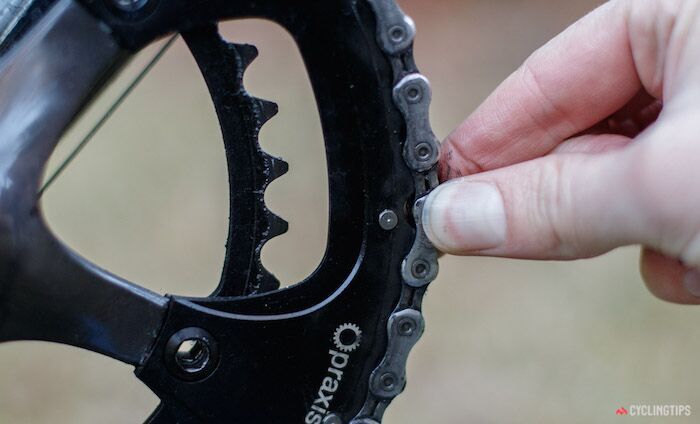
Proper chain lubrication is essential for maintaining the performance and longevity of a single-speed bike. A well-lubricated chain reduces friction, minimizes wear, and enhances the overall riding experience. The choice of lubricant and the frequency of application can significantly impact the chain’s functionality, making it crucial to understand the best practices for bike chain maintenance.Different types of lubricants are suitable for bike chains, each with specific benefits tailored to various riding conditions.
- Wet Lubricants are typically thicker, designed for moist or muddy environments. They adhere well to the chain, providing robust protection against corrosion and wear caused by moisture. However, they may attract more dirt and grime.
- Dry Lubricants are lighter and ideal for dry or dusty conditions. They create a clean, protective layer on the chain, reducing dirt accumulation but may require more frequent applications.
- All-Purpose Lubricants offer versatility for varied conditions, striking a balance between wet and dry formulas. These are often recommended for casual riders who experience mixed environments.
The frequency of lubrication is another critical component of chain maintenance. Regular application helps ensure optimal performance and prolongs the life of the chain. Factors influencing lubrication frequency include:
- Riding conditions (wet, dry, or mixed environments).
- The amount of dirt and dust encountered during rides.
- The frequency of biking sessions and chain wear.
To ensure effective lubrication of your bike chain, follow this step-by-step guide:
Step-by-Step Guide to Lubricating a Bike Chain
Begin with a clean chain to ensure that the lubricant can adhere effectively. The following steps Artikel the correct process for chain lubrication:
1. Clean the Chain
Use a degreaser and a brush to remove old lubricant, dirt, and grime. Wipe the chain with a clean cloth to ensure it’s completely dry.
2. Choose the Right Lubricant
Select a lubricant appropriate for your riding conditions—wet, dry, or all-purpose.
3. Position the Bike
Secure the bike in a stand or flip it upside down, so the chain is easily accessible.
4. Apply Lubricant
Slowly rotate the pedals backward while applying a small amount of lubricant to the inside of the chain, ensuring even distribution. A few drops on each link will suffice.
5. Let it Soak
Allow the lubricant to penetrate the chain for a few minutes before wiping off any excess with a clean cloth. Excess lubricant can attract dirt, leading to premature wear.
6. Check for Even Coating
Ensure the chain is uniformly lubricated. Inspect for any dry spots and reapply if necessary.
Regular lubrication not only improves performance but also extends the lifespan of your bike chain, ensuring a smoother ride and reducing maintenance costs.
By employing these lubrication techniques and maintaining a routine schedule, cycling enthusiasts can enhance their riding experience and prolong the lifespan of their bike’s chain.
Common Mistakes to Avoid
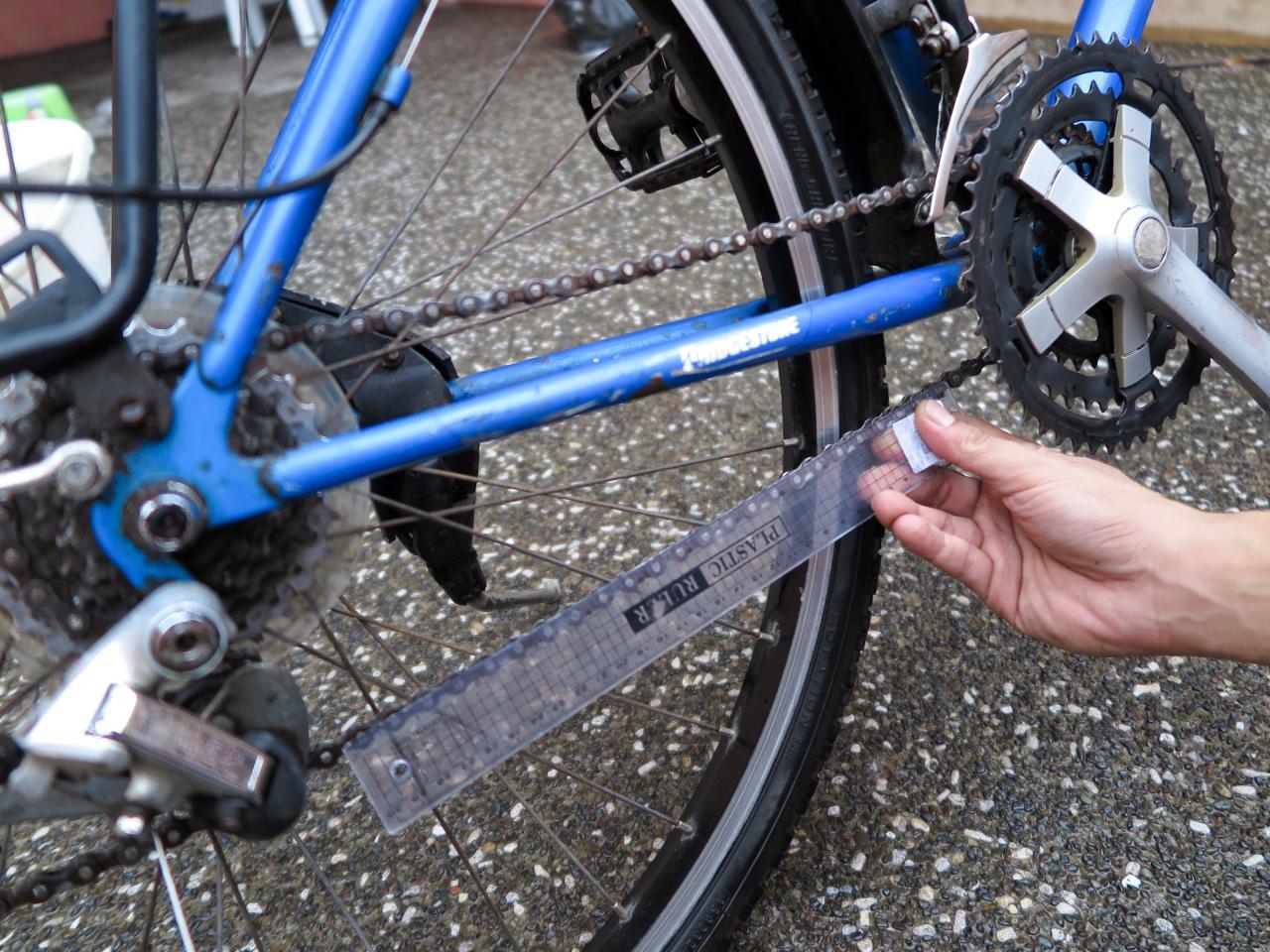
When fixing a chain on a single-speed bike, it is essential to be aware of common mistakes that can negatively impact bike performance. Understanding these errors not only saves time and effort but also enhances the overall cycling experience. Frequent errors made during chain maintenance can lead to various consequences, such as poor shifting performance, excessive wear on components, or even chain breakage.
Recognizing and avoiding these mistakes can ensure a smoother ride and prolong the lifespan of your bike.
Frequent Mistakes in Chain Maintenance
One of the most significant aspects of bike maintenance is properly managing the chain. Below are some common mistakes cyclists make, along with their potential consequences:
- Neglecting to clean the chain regularly: Dirty chains can cause increased friction, leading to faster wear and tear of both the chain and gears.
- Insufficient lubrication: A poorly lubricated chain can lead to rust and corrosion, ultimately resulting in a broken chain during rides.
- Using the wrong type of lubricant: Different conditions require specific lubricants. Using inappropriate products can attract more dirt and grime, adversely affecting performance.
- Failing to check chain wear: Riding on a worn-out chain can lead to skipping gears and premature wear on the drivetrain components.
- Incorrect chain length: A chain that is too long or too short can affect shifting performance and cause excessive strain on the bike’s components.
Understanding the differences between correct and incorrect practices can further illuminate the importance of proper chain maintenance. Below is a comparison table that illustrates these distinctions:
| Correct Practices | Incorrect Practices |
|---|---|
| Regularly cleaning the chain to ensure optimal performance. | Ignoring chain cleanliness, leading to buildup and friction. |
| Using appropriate lubricants based on weather conditions. | Employing the wrong lubricant, attracting dirt and damaging the chain. |
| Monitoring chain wear and replacing it when necessary. | Continuing to ride on a worn chain, risking damage to gears. |
| Ensuring the chain length is suitable for the bike setup. | Installing a chain that is not the correct length, affecting shifting. |
“Preventing small mistakes can lead to significant improvements in your bike’s overall performance and longevity.”
Maintenance Tips for Longevity
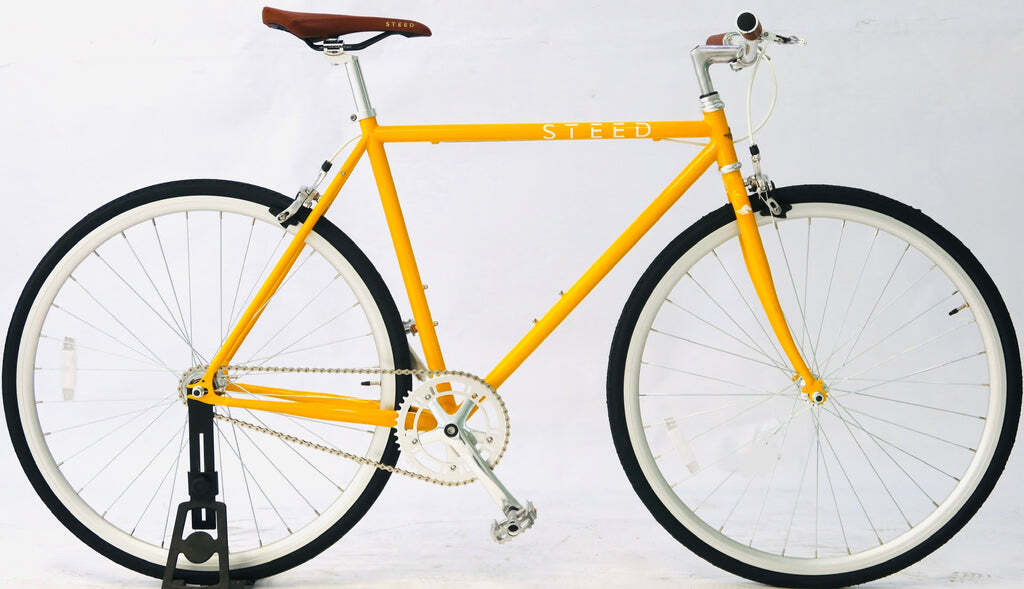
Regular maintenance of your single-speed bike chain is crucial for ensuring its longevity and optimal performance. A well-cared-for chain not only enhances the bike’s efficiency but also prevents premature wear and potential damage to other components. Implementing a routine maintenance schedule can save time and costs associated with repairs over the long run.Conducting routine inspections and adjustments serves to identify wear and tear before they become problematic.
Regular check-ups allow you to catch issues such as rust, stiffness, and elongation early on, which can greatly extend the lifespan of your chain. Moreover, maintaining a clean and lubricated chain reduces friction and improves your bike’s overall performance.
Routine Maintenance Schedule
Establishing a consistent maintenance schedule for your bike chain can prevent many common issues. Below is a recommended routine that can easily be integrated into your cycling habits.
- Weekly Check: Inspect the chain for dirt, rust, or visible wear. Clean the chain if necessary using a degreaser and a rag.
- Monthly Lubrication: Apply lubricant to the chain, ensuring that it penetrates all moving parts. Wipe off excess to prevent attracting dirt.
- Quarterly Deep Clean: Remove the chain for a thorough cleaning, checking for elongation with a chain checker tool. Replace if elongated beyond acceptable limits.
- Annual Inspection: Conduct a detailed inspection of the entire drivetrain system, including the gears and derailleurs, for wear and tear.
Benefits of Regular Inspections and Adjustments
Regular inspections of your bike chain provide numerous benefits that contribute to both safety and performance. Keeping your chain in optimal condition can enhance your riding experience significantly.
- Improved Efficiency: A clean and well-lubricated chain reduces friction, allowing for smoother pedal strokes and better overall performance.
- Extended Lifespan: Routine maintenance helps to identify wear early, prolonging the life of the chain and other drivetrain components.
- Cost-Effective: By preventing significant issues through regular inspections, you save on costly repairs and replacements down the line.
- Safety: A well-maintained bike chain reduces the risk of chain breakages while riding, ensuring a safer cycling experience.
Storing a Single-Speed Bike
Proper storage of your single-speed bike plays a vital role in protecting the chain from environmental factors that can lead to damage. Adequate storage methods can help maintain the quality and longevity of your bike components.
- Indoor Storage: Whenever possible, store your bike indoors to protect it from moisture and temperature extremes.
- Vertical Positioning: Keep your bike in a vertical position or on a bike rack to prevent unnecessary pressure on the chain and gears.
- Chain Covering: Consider using a chain cover or protective cloth to shield the chain from dust and debris when not in use.
- Regular Inspection During Storage: Periodically check the bike chain while stored to ensure that it remains clean and lubricated.
Routine maintenance not only enhances performance but also ensures the safety and longevity of your bike’s components.
Last Point
In conclusion, maintaining the chain of your single-speed bike is not just about performance; it’s about ensuring a safe and enjoyable riding experience. By following the steps Artikeld in this guide and avoiding common mistakes, you can effectively manage chain repairs and maintenance. Remember, a little attention to your bike chain goes a long way in extending its life and enhancing your cycling adventures.
Happy riding!