How to Fix a Dropper Post That Won’t Stay Up sets the stage for this enthralling narrative, offering readers a glimpse into a story that is rich in detail and brimming with originality from the outset. This guide not only explores the mechanics and common issues associated with dropper posts, particularly the frustrating problem of them not staying up, but also emphasizes the importance of regular maintenance to enhance their longevity and functionality.
As cycling enthusiasts know, a well-functioning dropper post can greatly enhance the riding experience, allowing for quick adjustments in seat height during varied terrain. However, when a dropper post malfunctions, it can lead to discomfort and disrupt the flow of the ride. This comprehensive guide aims to equip you with the knowledge and steps necessary to diagnose and repair the problem effectively, ensuring your dropper post remains reliable and functional for your cycling adventures.
Understanding Dropper Posts

A dropper post is a critical component of modern mountain bikes, offering riders the ability to adjust their saddle height on-the-fly. This innovative technology enhances versatility and performance while navigating varied terrain. Understanding the mechanics of dropper posts, alongside their common issues, can significantly improve a rider’s experience on the trail.The dropper post operates using a hydraulic or mechanical mechanism that allows the seat to be lowered or raised with the push of a lever.
When the lever is activated, a cartridge within the post compresses, allowing the post to drop down. Releasing the lever causes the post to return to its original height through either a spring mechanism or hydraulic pressure. The common issue of a dropper post not staying up often arises from internal wear, air or fluid leakage, or a malfunctioning remote lever.
Regular maintenance is essential to ensure the mechanism functions smoothly and prolongs the life of the dropper post.
Common Issues with Dropper Posts
Understanding the potential problems associated with dropper posts enables riders to troubleshoot effectively. The following issues are frequently encountered:
- Leakage: Fluid leakage from the dropper post can lead to decreased performance and instability in height retention. This often occurs due to worn seals or damage to the post body.
- Air Pressure Loss: If the dropper post loses air, it may not hold its position, resulting in a post that sinks over time. Regular checks of air pressure and re-pressurization can mitigate this issue.
- Worn Internals: Components within the post can degrade with frequent use, leading to a failure in the mechanism that keeps the post extended. This can be remedied by periodic servicing and replacement of worn parts.
The importance of regular maintenance for dropper posts cannot be overstated. Proper upkeep not only enhances performance but also minimizes the likelihood of issues developing. Regularly inspecting for signs of wear, lubricating moving parts, and ensuring the post is free from debris will contribute to a more reliable and enjoyable riding experience.
Regular maintenance is key to prolonging the life and performance of dropper posts, ensuring they function effectively and reliably.
Common Reasons for Dropper Post Failure
A dropper post is an essential component for mountain biking, providing adjustable saddle heights for varying terrain. However, when a dropper post fails to stay up, it can greatly disrupt the riding experience. Understanding the common causes of such failures is crucial for timely maintenance and repairs, ensuring your dropper post functions optimally.The reasons behind a dropper post failure can be varied and often stem from mechanical or hydraulic issues.
These failures can manifest in various ways, including air leaks, cable problems, or internal blockages due to dirt or debris. Recognizing these issues early can prevent further damage and enhance the longevity of the component.
Air Leaks
One primary cause of a dropper post failing to maintain its position is air leaks within the hydraulic system. These leaks can occur due to worn seals or damaged components.
A dropper post functions by using hydraulic pressure to hold its position; a loss of this pressure results in the post descending unexpectedly.
Cable Issues
Another significant factor involves the cable that operates the dropper post. Problems such as fraying or kinking can impede the cable’s ability to pull the post up effectively. It is essential to check the following aspects of the cable system:
- Integrity of the cable housing: Ensure there are no bends or obstructions.
- Condition of the cable: Look for any signs of wear or damage.
- Adjustment of the tension: Proper tension is necessary for efficient operation.
Internal Dirt and Debris
Over time, dirt and debris can accumulate inside the dropper post, affecting its performance. This accumulation can hinder the movement of internal components, leading to reliability issues. Regular cleaning and servicing are recommended to prevent the build-up of contaminants. The following maintenance practices can help:
- Periodic disassembly: Clean internal parts thoroughly to remove any dirt.
- Lubrication: Apply appropriate lubricants to ensure smooth operation.
- Inspection: Regularly check for any signs of wear in internal seals.
Impact of Dropper Post Design
The design of a dropper post significantly influences its functionality and reliability. For example, posts with simpler designs may have fewer points of failure but could lack advanced features.Some key design considerations include:
- Hydraulic vs. mechanical systems: Hydraulic systems typically offer smoother operation but may require more maintenance.
- Travel range: Different designs provide varying amounts of travel, affecting how they interact with the bike’s geometry.
- Weight and construction materials: Lightweight options may be beneficial for performance, but durability must also be a consideration.
Role of the Remote Lever
The remote lever is crucial in maintaining the dropper post’s position, as it controls the engagement and disengagement of the post. If the remote lever malfunctions, it can lead to erratic behavior in the dropper post.Factors to watch for include:
- Lever tension: Ensure the lever pulls the cable adequately without excessive force.
- Alignment: The lever should be positioned for easy access without hindering movement.
- Wear and tear: Regularly inspect the lever for any signs of damage or wear.
Basic Troubleshooting Steps
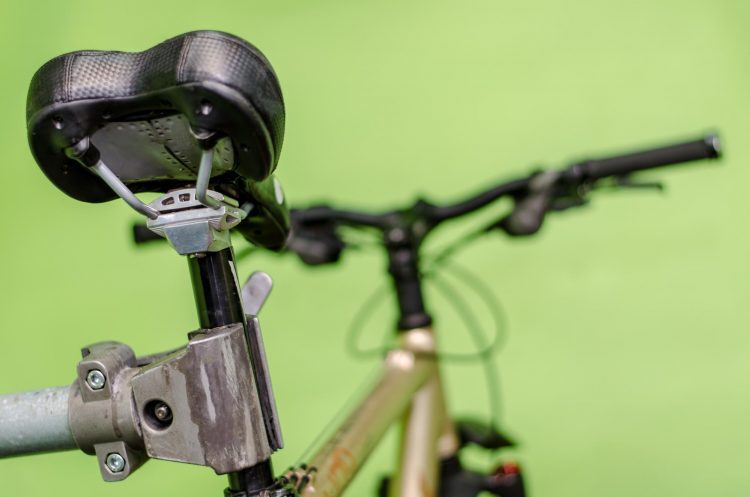
When a dropper post fails to stay up, it can be a source of frustration for cyclists who rely on this essential component for on-the-fly seat height adjustments. Addressing the issue promptly can improve ride quality and enhance overall cycling experience. This section Artikels essential troubleshooting steps and the tools needed for effective repairs.For successful troubleshooting, a systematic approach is crucial.
Begin by assessing the dropper post’s condition, checking for any visible signs of damage or wear. The following steps will guide you through diagnosing and resolving common issues associated with dropper posts.
Step-by-Step Troubleshooting Guide
Before beginning, ensure you have the necessary tools on hand. The following tools will streamline the troubleshooting process and help avoid potential complications.
- Multi-tool with appropriate bit sizes for your bike’s components
- Torque wrench to ensure proper tightness
- Pliers for adjusting cables or hoses
- Grease or lubricant for maintaining moving parts
- Cleaning cloths for removing dirt and debris
Begin the troubleshooting process by following these steps:
- Inspect the Cable and Housing: Check for any frayed or damaged cables and ensure that the housing is not kinked or obstructed. Proper cable function is essential for dropper post operation.
- Check for Air Leaks: If the dropper post uses air pressure, inspect the valve for leaks. A loss of pressure may prevent the post from holding its position. If present, use a shock pump to restore pressure according to the manufacturer’s specifications.
- Evaluate the Fluid Level: If the dropper post is hydraulic, verify that the oil is at the appropriate level. Low fluid levels can result in poor performance. Refer to your dropper post’s manual for specific filling instructions.
- Test for Mechanical Obstructions: Remove the dropper post from the bike and test its movement. Examine the stanchion for dirt or debris that may hinder smooth operation. Clean as necessary.
- Reassemble and Test: After making necessary adjustments or repairs, reassemble the post, ensuring all components are securely fastened. Test the post’s operational functionality.
Effectiveness of Troubleshooting Methods
It is essential to evaluate the effectiveness of the various troubleshooting methods employed. The following table summarizes the effectiveness of each method in resolving the issue of a dropper post that won’t stay up.
| Troubleshooting Method | Effectiveness | Notes |
|---|---|---|
| Inspecting Cable and Housing | High | Most common issues stem from cable damage or obstruction. |
| Checking for Air Leaks | Moderate | Only applicable to air-sprung dropper posts; requires specific tools. |
| Evaluating Fluid Level | High | Essential for hydraulic systems to function properly. |
| Testing for Mechanical Obstructions | High | Addressing dirt or debris can drastically improve performance. |
| Reassembling and Testing | Critical | Ensures all previous repairs are effective and post is operational. |
Advanced Repair Techniques

When a dropper post fails to function optimally, a deeper investigation may be required. Advanced repair techniques, such as disassembling the post for thorough cleaning and inspection, as well as replacing seals or cartridges, can significantly enhance the lifespan and performance of these components. Understanding these intricate processes ensures that riders can effectively maintain their equipment, reducing the need for costly replacements and enhancing ride quality.
Disassembling a Dropper Post for Deep Cleaning and Inspection
To properly address internal issues, disassembling the dropper post is essential. This process allows for deep cleaning, inspection, and replacement of internal components as necessary. The following steps Artikel how to disassemble a dropper post:
1. Gather Tools and Materials
Equip yourself with a basic toolkit, including Allen wrenches, a flathead screwdriver, a clean workspace, and a container to hold small parts.
2. Remove the Seat
Unscrew the seat from the post by locating the clamp bolts, which are typically found at the top of the post. Store the seat in a safe place.
3. Detach the Dropper Cable
Carefully remove the cable from the remote lever. This may involve unscrewing the cable anchor or simply detaching it from the lever, depending on the model.
4. Remove the Post from the Bike
Loosen the collar clamp using an Allen wrench and gently slide the post out of the frame.
5. Disassemble the Post
This may vary by model, but generally involves removing the lower bolt or cap. Gently pull apart the two sections of the post to reveal the internals.
6. Clean Internal Components
Use a clean cloth to wipe down the interior of the post and inspect all components for wear or damage, paying particular attention to the seals and cartridge.After cleaning, reassemble the post by reversing the disassembly steps, ensuring all parts are correctly aligned and secured.
Replacing Seals or Cartridges in Various Dropper Post Models
Seals and cartridges are critical components of dropper posts that can wear out over time. The following steps provide a guideline for replacing these parts, noting that specific procedures may vary slightly among different manufacturers.
1. Identify the Model
Check the make and model of your dropper post, as the replacement parts may differ. Consult the manufacturer’s website or a repair manual for specific part numbers.
2. Purchase Replacement Parts
Acquire the appropriate seals or cartridges from a reputable dealer to ensure compatibility and quality.
3. Disassemble the Post
Follow the disassembly steps Artikeld previously to access the internal components of the dropper post.
4. Remove Old Seals/Cartridge
Carefully extract the old seals by gently prying them out with a flathead screwdriver. For cartridges, unscrew and detach them as indicated in the model’s service guide.
5. Install New Parts
Seat the new seals into their respective grooves, ensuring they are aligned correctly. If replacing a cartridge, screw it back into place per the manufacturer’s specifications.
6. Reassemble the Post
Follow the steps for reassembly, ensuring that all parts are secured, and test the functionality before reinstallation.
“A well-maintained dropper post not only enhances user experience but can also extend the life of the component significantly.”
Safety Precautions for Advanced Repairs
When performing advanced repairs on a dropper post, safety should always be a priority. Implementing precautionary measures can mitigate risks associated with disassembly and repairs.
1. Wear Protective Gear
Consider wearing safety goggles and gloves to protect against debris and sharp edges during the disassembly process.
2. Work in a Ventilated Area
Ensuring good airflow is important, especially when using cleaning solvents or lubricants.
3. Be Mindful of Pressure
If using compressed air to clean components, be cautious of the pressure levels to avoid damaging fragile parts.
4. Follow Manufacturer’s Guidelines
Adhere to the guidelines provided by the manufacturer for specific procedures and torque specifications to prevent accidents and ensure proper handling.
5. Keep Work Area Organized
Maintain an organized workspace to avoid losing small parts and facilitate a smoother reassembly process.Properly implementing these advanced repair techniques can restore a dropper post’s functionality while ensuring rider safety and component longevity.
Maintenance Tips for Longevity

Regular maintenance is essential for ensuring the longevity and optimal performance of a dropper post. Proper care helps prevent mechanical failures and enhances the rider’s experience on the trail. By establishing a consistent maintenance routine, you can keep your dropper post functioning smoothly for years to come.Lubrication and care for the internal mechanisms of a dropper post are crucial aspects of maintenance.
Internal components such as the stanchion and seals require appropriate lubrication to function efficiently and prevent wear. It is advisable to use specific lubricants designed for bike components to reduce friction and protect against corrosion.
Maintenance Routines
To maintain the performance of your dropper post, consider implementing the following essential maintenance routines. These practices will help identify potential issues and prolong the life of your dropper post.
- Inspect the dropper post regularly for signs of wear or damage, checking for any noticeable leaks or unusual noises.
- Clean the stanchion with a soft, lint-free rag after each ride to remove dirt and debris.
- Lubricate the stanchion and seals with a suitable bike-specific lubricant every few rides or as needed.
- Ensure the remote lever is functioning properly by checking for smooth actuation and cable tension.
- Perform a full service of the dropper post at least once a year, or more frequently if used in harsh conditions.
Lubrication Techniques
The correct lubrication of internal components is vital for smooth operation. Follow these steps to ensure proper care:
Lubrication reduces friction, increases responsiveness, and prevents corrosion.
- Begin by removing the dropper post from the bike frame and cleaning the stanchion thoroughly.
- Using a lubricant specifically designed for bike components, apply a small amount to the stanchion.
- Cycle the dropper post several times to distribute the lubricant evenly throughout the internal mechanisms.
- Wipe off any excess lubricant to prevent attracting dirt and grime.
Maintenance Frequency Table
Establishing a consistent maintenance schedule is essential for preserving the integrity of your dropper post. The following table Artikels recommended maintenance tasks along with their ideal frequency and techniques.
| Maintenance Task | Frequency | Technique |
|---|---|---|
| Inspect for wear and damage | Every ride | Visual inspection for leaks or noise |
| Clean the stanchion | After each ride | Wipe with a soft, lint-free rag |
| Lubricate the stanchion | Every few rides | Apply bike-specific lubricant and cycle |
| Check remote lever functionality | Monthly | Test actuation and cable tension |
| Full service of the dropper post | Yearly | Disassemble, clean, and reassemble with fresh lubricant |
When to Seek Professional Help
Recognizing when to seek professional assistance for a dropper post that fails to function correctly can save time, money, and frustration. While many issues can be resolved through basic troubleshooting or maintenance, certain signs indicate that a more in-depth evaluation and repair by a skilled bike mechanic is necessary. Indicators that professional servicing may be needed include persistent failure of the dropper post to maintain its position, unusual noises during operation, or visible damage to the post’s components.
Addressing these issues promptly can prevent further damage and ensure optimal performance.
Signs Indicating Professional Servicing is Required
It is essential to understand the signs that suggest it may be time to consult a bike mechanic for your dropper post. The following points highlight critical indicators that warrant professional attention:
- Inability to hold height consistently despite attempts to adjust the post.
- Unusual sounds such as grinding, popping, or clicking when activating the dropper post.
- Visible leaks of fluid from the post or remote, which may indicate a seal or cartridge failure.
- Sticking or slow operation, where the post does not move smoothly during adjustment.
- Physical damage or deformation of the post or its components that could affect functionality.
Benefits of Consulting a Bike Mechanic
Engaging a professional bike mechanic for complex issues can greatly enhance the reliability and longevity of your dropper post. Mechanics possess specialized knowledge and experience, enabling them to diagnose problems that may not be apparent to the average cyclist. Additionally, they have access to proprietary tools and replacement parts, ensuring that repairs are conducted efficiently and correctly.The following are compelling reasons to consider professional assistance for your dropper post:
- Accurate diagnosis of issues that are difficult to identify without expert training.
- Access to high-quality replacement parts that may not be available to the general public.
- Expertise in complex repairs that require a deep understanding of bike mechanics and systems.
- A guarantee of work, providing peace of mind that the repair is done right.
- Time-saving, as professional services can often complete repairs faster than a DIY approach.
Questions to Ask a Bike Mechanic About Dropper Post Repairs
When consulting a bike mechanic regarding your dropper post, it is important to gather relevant information to make informed decisions about the repair process. Consider asking the following questions:
- What specific issues do you identify with my dropper post?
- What repair options are available, and what is the estimated cost for each?
- How long will the repairs take, and when can I expect my bike to be ready for pickup?
- What are the signs of a well-functioning dropper post after repairs?
- What preventative maintenance can I perform to avoid future issues?
Final Conclusion
In conclusion, understanding how to fix a dropper post that won’t stay up is essential for maintaining an enjoyable cycling experience. By identifying common issues, employing effective troubleshooting techniques, and adhering to maintenance routines, you can prolong the life of your dropper post and enhance your rides. Should challenges arise that exceed your expertise, do not hesitate to consult a professional mechanic, as their insights can be invaluable in ensuring your equipment is in optimal condition.
Your cycling adventures await—make sure your dropper post is ready to perform at its best!