How to Troubleshoot an E-Bike Battery Connection is a pivotal topic for any e-bike enthusiast. Understanding the intricacies of battery connections not only enhances performance but also ensures safety and longevity of the e-bike. With the increasing popularity of e-bikes, it becomes essential for owners to familiarize themselves with the common issues and solutions related to battery connectivity.
Battery connections serve a vital role, as they facilitate the flow of power from the battery to the motor, ultimately affecting the overall functionality of the e-bike. By recognizing the signs of faulty connections and employing the right tools and techniques, e-bike owners can effectively troubleshoot and maintain their battery systems, ensuring a smoother ride and extended battery life.
Understanding E-Bike Battery Connections
E-bike battery connections play a crucial role in the overall functionality and performance of electric bicycles. These connections facilitate the transfer of power from the battery to the motor, enabling the e-bike to operate efficiently. Understanding these connections can help users troubleshoot issues, maintain their e-bikes effectively, and ensure optimal performance.The importance of battery connections cannot be overstated, as they are essential for the safe and reliable operation of an e-bike.
A well-functioning connection guarantees that the battery delivers consistent power, preventing performance issues such as intermittent motor operation or complete power failure. Furthermore, understanding the common components involved in these connections can assist users in identifying potential problems and enhancing the lifespan of their e-bike batteries.
Common Components of E-Bike Battery Connections
Various components are integral to the battery connection system in e-bikes. Recognizing these elements can aid in effective troubleshooting and maintenance. The primary components include:
- Battery Terminals: These are the points where the battery connects to the wiring harness. Proper contact is essential for efficient power transfer.
- Connectors: These are specialized plugs that link the battery to the motor and controller. They come in different shapes and sizes, influencing ease of installation and maintenance.
- Wires: High-quality wires conduct electricity from the battery to the motor. The gauge and insulation of these wires can significantly affect performance and safety.
- Fuse: This safety device protects the electric circuit from overloads. If the current exceeds a certain limit, the fuse will blow, preventing damage to the e-bike’s electrical components.
Types of E-Bike Battery Connections
E-bike battery connections vary widely in design and functionality, catering to different models and manufacturer specifications. Understanding the available types can help users select the right components for their e-bikes. The primary types include:
- Anderson Connectors: Known for their durability and reliability, Anderson connectors are widely used in e-bikes due to their capability to handle high currents securely.
- XT60 Connectors: These connectors are popular in the hobbyist community and offer secure connections with minimal resistance, making them ideal for high-performance e-bikes.
- JST Connectors: These are commonly used for smaller connections, such as between the battery and controllers, and are favored for their compact design.
- Deans Connectors: Known for their low resistance, Deans connectors are often employed in high-drain applications, ensuring optimal performance in demanding situations.
“Understanding the components and types of e-bike battery connections is key for troubleshooting and ensuring the longevity of the e-bike’s performance.”
Signs of a Faulty Battery Connection
When it comes to e-bikes, the battery connection is a critical component that directly impacts performance and safety. A faulty battery connection can lead to various issues that compromise the functionality of the bike, making it essential for riders to be aware of the signs that may indicate a problem. Early detection of these signs can prevent more severe damage to the battery and ensure a safer riding experience.Several common symptoms can suggest a faulty battery connection.
Riders should be vigilant for these indicators, as they can vary in severity and implications. Recognizing these signs early can help prevent more significant issues from arising.
Common Symptoms of Battery Connection Issues
The following symptoms are often associated with faulty battery connections. Paying attention to these signs can aid in quick identification and resolution of the underlying issues:
- Intermittent Power Loss: Sudden loss of power while riding, often accompanied by the battery indicator fluctuating or turning off unexpectedly.
- Diminished Range: Noticeably reduced distance traveled on a single charge, indicating inefficient power transfer.
- Corrosion or Dirt at Connection Points: Visible buildup on the battery terminals or connectors, which can impede electrical flow.
- Heating of Battery or Connectors: Excessive heat emanating from the battery or connection points, which may signal resistance due to poor contact.
- Unusual Noises: Sounds such as clicking or popping when attempting to engage the battery, indicating a possible connection issue.
Ignoring battery connection problems can pose significant risks. Not only can it lead to an unexpected power loss while riding, which can be dangerous, but it may also result in damage to the battery itself or other electrical system components. Additionally, a poor connection can lead to overheating, potentially causing fires or other safety hazards.
Troubleshooting Steps to Identify a Faulty Connection
To effectively diagnose potential battery connection issues, a systematic approach can be beneficial. The following troubleshooting steps provide a structured method for identifying and addressing faulty connections:
- Visual Inspection: Examine battery terminals and connectors for signs of corrosion, dirt, or physical damage.
- Check Tightness: Ensure that all connections are securely fastened and not loose, as this can lead to poor connectivity.
- Use a Multimeter: Measure voltage at the battery terminals and the output connectors to confirm that proper voltage is being delivered.
- Inspect Wiring: Look for frayed or damaged wires that could cause intermittent connections or shorts.
- Test Battery Charge: Ensure that the battery is fully charged and functioning correctly, ruling out battery health issues.
- Consult Manufacturer Guidelines: Refer to the e-bike’s manual for specific connection checks and recommendations to address any identified issues.
Tools Required for Troubleshooting
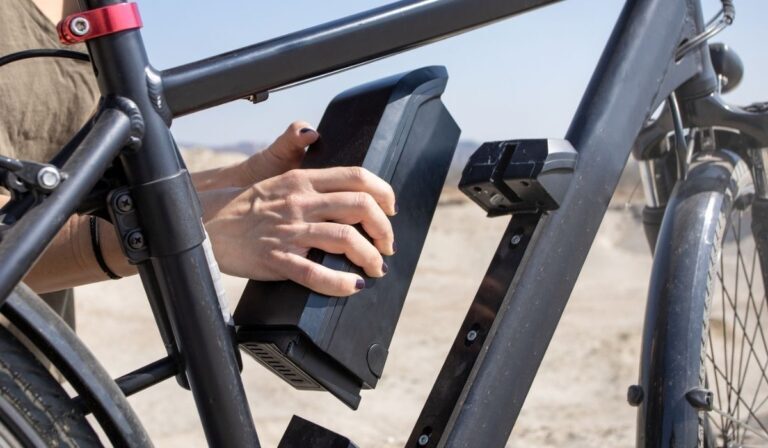
To effectively troubleshoot e-bike battery connections, having the right tools is essential. Proper tools not only facilitate the inspection process but also ensure safety while handling electrical components. Below is a comprehensive list of tools that are necessary for diagnosing issues with e-bike battery connections.
Essential Tools for Battery Connection Inspection
Having a specific set of tools can significantly enhance the troubleshooting process. These tools are designed to help identify issues accurately and efficiently.
- Multimeter: A multimeter is an indispensable tool that measures voltage, current, and resistance. It is essential for testing battery connections and diagnosing issues.
- Screwdrivers: A set of screwdrivers, preferably with both Phillips and flat head options, is necessary for removing any covers or casings that protect battery connections.
- Wire Cutters/Strippers: These tools are helpful for cutting damaged wires or stripping insulation to make clean connections when necessary.
- Insulation Tape: This tape is vital for securing any repaired connections and preventing short circuits.
- Safety Goggles: Protective eyewear is crucial when working with batteries to guard against accidental splashes or debris.
- Gloves: Using insulated gloves helps prevent electrical shocks while handling battery components.
Using a Multimeter to Test Battery Connections
A multimeter is a versatile tool that plays a crucial role in diagnosing battery connections. Understanding how to effectively use this tool will provide accurate readings and guide necessary repairs.To use a multimeter, follow these steps:
1. Set the Multimeter
Turn the dial to the DC voltage setting. Ensure it’s set to a range appropriate for the e-bike battery (usually 0-60V).
2. Access Battery Connections
Safely open the battery casing using a screwdriver to access the terminal connections.
3. Probe the Terminals
Connect the red probe to the positive terminal and the black probe to the negative terminal.
4. Read the Voltage
Observe the voltage reading on the multimeter display. A healthy battery should show voltage close to its rated output. If the reading is significantly lower, the connection may be faulty.
5. Check Continuity
Switch the multimeter to the continuity setting to ensure connections are intact. A beep indicates a good connection.By following these steps, users can effectively identify issues within the battery connections.
Safety Equipment When Working on E-Bike Batteries
When dealing with e-bike batteries, safety must always be a top priority. Appropriate safety equipment helps prevent accidents and injuries during troubleshooting.The following safety equipment is recommended:
- Insulated Gloves: These gloves protect against electrical shock while handling live wires or terminals.
- Safety Goggles: Protect the eyes from potential sparks or battery acid that may occur during inspection.
- Face Shield: Consider using a face shield when performing tests that might pose a risk of battery explosion or acid leakage.
- Fire Extinguisher: Having a suitable fire extinguisher nearby is crucial in case of battery fires, particularly those that are lithium-based.
Ensuring the use of safety equipment creates a safer working environment and minimizes the risk of accidents while troubleshooting e-bike battery connections.
Step-by-Step Troubleshooting Process
When it comes to ensuring the optimal performance of an e-bike, troubleshooting battery connections systematically is essential. A well-structured approach can effectively identify and resolve issues related to battery connectivity, enhancing both safety and performance. This section will Artikel a comprehensive troubleshooting process, focusing on checking wire integrity, connection points, and cleaning battery terminals.
Checking Wire Integrity and Connection Points
Assessing the integrity of wires and connection points is a crucial step in troubleshooting any issues with an e-bike’s battery connection. A thorough examination can help discover breaks, fraying, or corrosion that may hinder electrical flow.Begin the inspection process by following these steps:
1. Visual Inspection
Examine all wiring for visible damage such as cuts, cracks, or fraying. Pay attention to areas where the wire may rub against other components.
2. Check Connection Points
Inspect all connection points for signs of corrosion or loose connections. Ensure that connectors are seated properly and that no foreign material is present.
3. Flex Testing
Gently flex the wires along their length. Listen for any crackling sounds or observe for any momentary lights flickering on the display, which may indicate internal breaks.
4. Resistance Testing
Utilize a multimeter to measure resistance at different points along the wire. A reading significantly higher than zero may indicate a problem with that section of the wire.
5. Continuity Test
Use the multimeter to perform a continuity test. Place one probe on one end of the wire and the other probe on the opposite end. A lack of continuity indicates a break that requires repair.
Cleaning Battery Terminals and Connectors
Maintaining clean battery terminals and connectors is vital for ensuring optimal electrical conductivity. Over time, battery terminals can accumulate dirt, grime, and corrosion, which can impede performance.To effectively clean battery terminals and connectors, follow these steps:
1. Disconnect the Battery
Always start by safely disconnecting the battery from the e-bike to prevent any electrical hazards.
2. Prepare Cleaning Solution
Mix a solution of baking soda and water to neutralize any corrosion. A ratio of one tablespoon of baking soda to one cup of water is effective.
3. Apply the Solution
Using a soft brush or cloth, apply the cleaning solution to the terminals and connectors. Allow it to sit for a few minutes to break down any corrosion.
4. Scrub Gently
Using a fine-bristle brush or cloth, gently scrub the terminals and connectors to remove corrosion and dirt. Ensure not to damage the terminals in the process.
5. Rinse and Dry
Rinse the terminals with clean water to remove any residue from the cleaning solution. Dry them thoroughly with a clean cloth to prevent moisture build-up.
6. Reconnect the Battery
Once everything is clean and dry, reconnect the battery ensuring that all connections are tight and secure.By following these systematic steps, one can effectively troubleshoot and address issues related to e-bike battery connections, ensuring a reliable and safe riding experience.
Repairing Common Connection Issues

Repairing connection issues in your e-bike’s battery system is crucial for ensuring optimal performance and safety. This section will Artikel effective methods to address common wiring problems, including how to repair or replace damaged wires, re-solder loose connections, and secure connectors for a stable and reliable connection.
Methods for Repairing or Replacing Damaged Wires
When dealing with damaged wires, it’s essential to assess the extent of the damage before proceeding with repairs. Simple frays may be repaired, while more severe damage might necessitate a complete wire replacement. Here are effective methods to approach this task:
- Identifying Damage: Inspect the wire thoroughly for visible signs of wear, such as frays or exposed metal. Use a multimeter to check for continuity in the wire. If continuity is lost, the wire may need repair or replacement.
- Repairing Minor Damage: For minor frays, carefully strip the insulation from the damaged area, twist the exposed wires together, and cover them with heat-shrink tubing. This prevents further exposure and ensures a tight connection.
- Replacing Severely Damaged Wires: Cut the damaged section of wire, strip the ends of the remaining wire, and attach a new segment. Use solder for secure electrical continuity, followed by heat-shrink tubing or electrical tape to insulate the joint.
Re-soldering Loose Connections Effectively
Loose connections can lead to intermittent performance and potential safety hazards. Re-soldering is a reliable method to restore the integrity of these connections. Follow these steps for effective re-soldering:
- Tools Required: Gather a soldering iron, solder wire, flux, and a wire cutter/stripper. Ensure you are working in a well-ventilated area with minimal flammable materials nearby.
- Preparing Connections: Remove any old solder from the connection point using a solder wick or desoldering pump. Clean the surfaces with isopropyl alcohol to ensure good adhesion.
- Soldering Process: Heat the connection point with the soldering iron, apply solder to the heated area, and let it flow into the joint. Remove the heat and allow the joint to cool naturally without moving it to avoid cold solder joints.
Best Practices for Securing Connectors
Securing connectors is vital to maintaining a stable connection and preventing issues during operation. Adopting the following best practices will ensure reliability and longevity of your connections:
- Using Quality Connectors: Invest in high-quality connectors designed for e-bike applications. Ensure they are rated for the appropriate voltage and current levels.
- Regular Inspection: Frequently check connections for signs of corrosion or wear. Clean connectors with a dielectric grease to prevent oxidation and ensure proper contact.
- Proper Alignment: When connecting, ensure that each connector is aligned properly to avoid uneven wear or damage. Never force connectors together as this may lead to failure.
Preventive Measures for Future Connection Issues

Maintaining the integrity of e-bike battery connections is crucial for ensuring optimal performance and longevity. By implementing preventive measures, e-bike owners can minimize the risk of future connection issues and enhance the overall lifespan of their battery systems.One effective strategy to preserve battery connections involves regular maintenance practices. This includes routine inspections and cleaning, as dirt and corrosion can significantly impact connectivity.
Furthermore, understanding environmental factors that can affect battery connections plays a pivotal role in preventive measures.
Maintenance Tips for E-Bike Battery Connections
Consistent attention to battery connections can prevent many common issues. The following tips help maintain these connections effectively:
- Regular Cleaning: Use a soft cloth and isopropyl alcohol to clean battery terminals and connectors. This removes dirt and corrosion that can hinder connectivity.
- Proper Storage: Store the e-bike in a dry, temperature-controlled environment. Extreme temperatures can adversely affect battery performance and connections.
- Secure Connections: Ensure that all connections are tight and secure. Loose connections can lead to intermittent power issues.
- Use Protective Covers: Employ protective covers for battery terminals to shield them from moisture and debris when the bike is not in use.
- Avoid Water Exposure: If riding in wet conditions, ensure that battery connections are waterproofed to prevent short-circuiting.
- Check for Wear and Tear: Regularly inspect cables and connectors for fraying or damage. Replace any worn components immediately to prevent future issues.
Regular Inspection Checklist for E-Bike Owners
Creating a structured inspection checklist can facilitate thorough evaluations of battery connections. Regular checks can identify potential issues early, preventing costly repairs and loss of functionality:
- Inspect battery terminals for corrosion or dirt buildup.
- Check that connectors are firmly attached and undamaged.
- Examine cables for signs of wear or fraying.
- Ensure that the battery charge levels are consistent and within the recommended range.
- Look for signs of moisture or water ingress around battery connections.
- Confirm that the battery casing is intact, with no cracks or breaks.
Environmental Factors Affecting Battery Connections
Environmental conditions can significantly impact the performance and reliability of e-bike battery connections. Awareness of these factors allows owners to take necessary precautions:
- Temperature Variations: Extreme temperatures can affect battery chemistry and connection reliability. For instance, cold temperatures can reduce battery performance, while excessive heat can cause damage to connections.
- Humidity Levels: High humidity can lead to moisture buildup, which can cause corrosion of electrical components. It is essential to store the bike in a low-humidity environment whenever possible.
- Exposure to Elements: Regular exposure to rain or snow can lead to accelerated wear of battery connections. Using protective covers or enclosures can mitigate this risk.
- Dust and Dirt: Accumulation of dirt can prevent proper electrical contact. Keeping the e-bike clean, especially around the battery compartment, is crucial.
“Preventive maintenance is key to ensuring the longevity and efficiency of your e-bike’s battery connections.”
Resources for Further Assistance

For those looking to deepen their understanding of e-bike battery connections or seeking support for troubleshooting issues, numerous resources are available that cater to e-bike enthusiasts. Engaging with these communities and utilizing informative content can enhance your knowledge and assist in resolving any challenges you may face with your e-bike battery connections.Many online forums and communities provide a platform for e-bike users to share experiences, advice, and solutions.
Joining these platforms can connect you with experienced individuals who may have encountered similar issues.
Online Forums and Communities
Here are some valuable forums and communities where e-bike enthusiasts congregate to discuss battery issues and troubleshooting tips:
- Electric Bike Forum: A comprehensive forum with dedicated sections for troubleshooting e-bike components, including batteries.
- Reddit – r/ebikes: A vibrant community on Reddit where users share their experiences and seek advice on various e-bike topics.
- E-bike Builders: A Facebook group dedicated to DIY e-bike builders, offering insights into battery configurations and troubleshooting.
In addition to participating in forums, there are numerous video tutorials and articles available online that provide in-depth guidance on e-bike battery troubleshooting.
Video and Article Resources
Accessing structured tutorials can provide visual assistance and step-by-step instructions for resolving battery connection issues. The following resources are excellent starting points for learning more about troubleshooting:
- How to Fix E-Bike Battery Connection Issues – YouTube: This video provides visual guidance on identifying and fixing common battery problems.
- E-bike Battery Troubleshooting Guide – E-bike School: An article that covers various battery issues and detailed troubleshooting methods.
- Electric Bike Battery Connection Repair – YouTube: A tutorial demonstrating repair techniques for common connection failures.
Consulting with professionals can also be beneficial when facing complex issues that go beyond basic troubleshooting.
Benefits of Consulting Professionals
In scenarios where the troubleshooting process does not yield results or if the problem appears to be intricate, seeking assistance from professionals is advisable.
- Expert Diagnosis: Professionals possess the expertise to accurately diagnose underlying issues that may not be immediately apparent.
- Access to Specialized Tools: Professionals have access to advanced diagnostic tools, ensuring thorough testing and effective repairs.
- Warranty and Safety Assurance: Consulting a professional can help maintain warranties and ensure that repairs are conducted safely and correctly.
Utilizing community resources, educational videos, and professional assistance empowers e-bike users to effectively troubleshoot and maintain their battery connections, ultimately enhancing their riding experience.
Wrap-Up
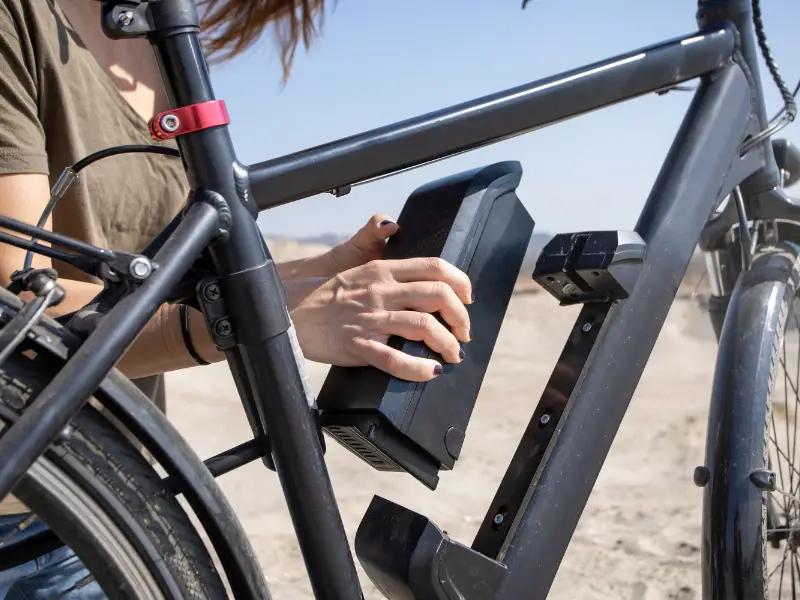
In summary, understanding how to troubleshoot an e-bike battery connection is an invaluable skill for e-bike owners. By regularly checking connections and employing preventive measures, riders can avoid potential issues and enhance their e-biking experience. For those who encounter more complex problems, seeking professional assistance and tapping into community resources can provide further support and guidance.