Understanding how to fix a broken chain guard is essential for maintaining the integrity and performance of your bicycle or motorcycle. Chain guards serve a vital purpose by protecting the chain from dirt and debris while ensuring the rider’s safety. With various materials and designs available, knowing the right approach to repair or replace a damaged chain guard can enhance your vehicle’s performance and longevity.
This guide will walk you through the signs of a broken chain guard, the necessary tools for repair, and the step-by-step process to restore functionality. By following our insights, you will be well-equipped to tackle this common issue with confidence.
Introduction to Chain Guards
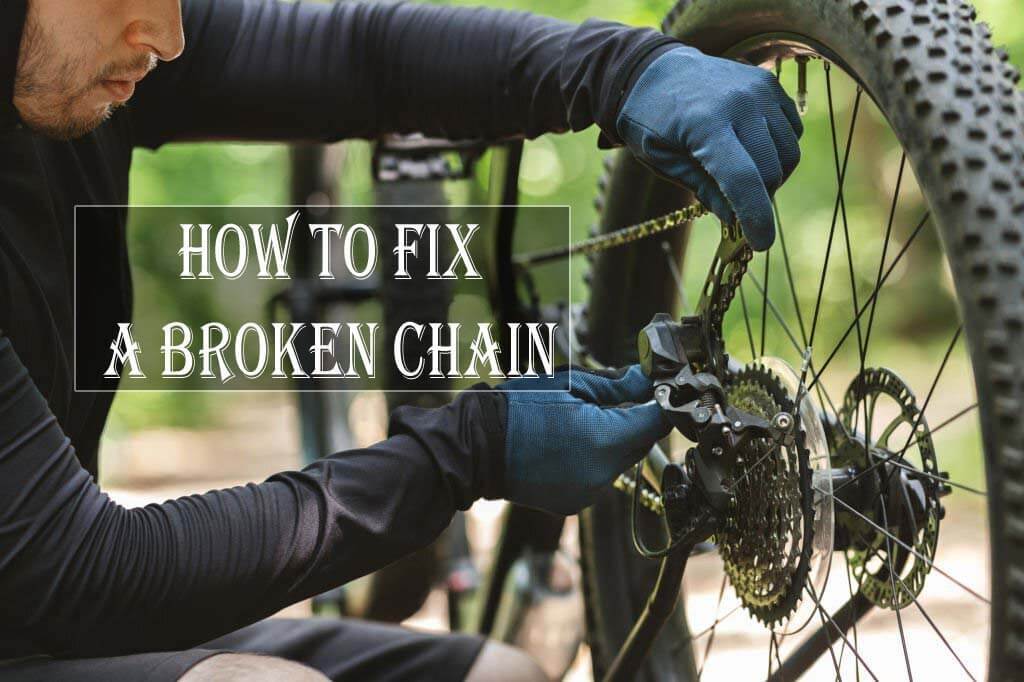
Chain guards are essential components in both bicycles and motorcycles, serving the primary purpose of protecting the rider from the moving chain mechanism. By enclosing the chain, they help prevent injuries that may occur due to accidental contact and also shield the chain from debris, moisture, and dirt, which can hinder its performance and longevity. The construction of chain guards typically involves a variety of materials, each chosen for its specific properties that enhance durability and effectiveness.
Common materials include plastic, metal, and composite materials. Plastic chain guards are lightweight and resistant to corrosion, while metal guards offer increased strength and can be more aesthetically pleasing. Composite materials combine the benefits of both, providing durability without adding significant weight.
Types of Chain Guards and Their Applications
There are several types of chain guards, each designed for specific applications in both bicycles and motorcycles. Understanding these types can aid in choosing the right guard for various riding conditions and preferences.
- Full Chain Guards: These guards encase the entire chain, offering maximum protection against dirt and debris. They are commonly used in city bicycles and some motorcycles where the environment can be particularly harsh.
- Half Chain Guards: These guards protect only a portion of the chain, usually the top or bottom. They are popular in performance bicycles and motorcycles that require less weight while still providing some level of chain protection.
- Spindle Guards: Often utilized in racing motorcycles, these guards protect the chain and sprocket area specifically, ensuring that operational efficiency is maintained while minimizing weight.
- Custom Chain Guards: Some riders opt for custom-made chain guards tailored to their specific bikes. These can be crafted from various materials and designed for unique aesthetics or performance needs.
Understanding the different types of chain guards allows riders to select the most suitable option based on their riding style, environment, and maintenance preferences. Proper selection not only enhances safety but also contributes to improved bike performance and longevity.
Signs of a Broken Chain Guard
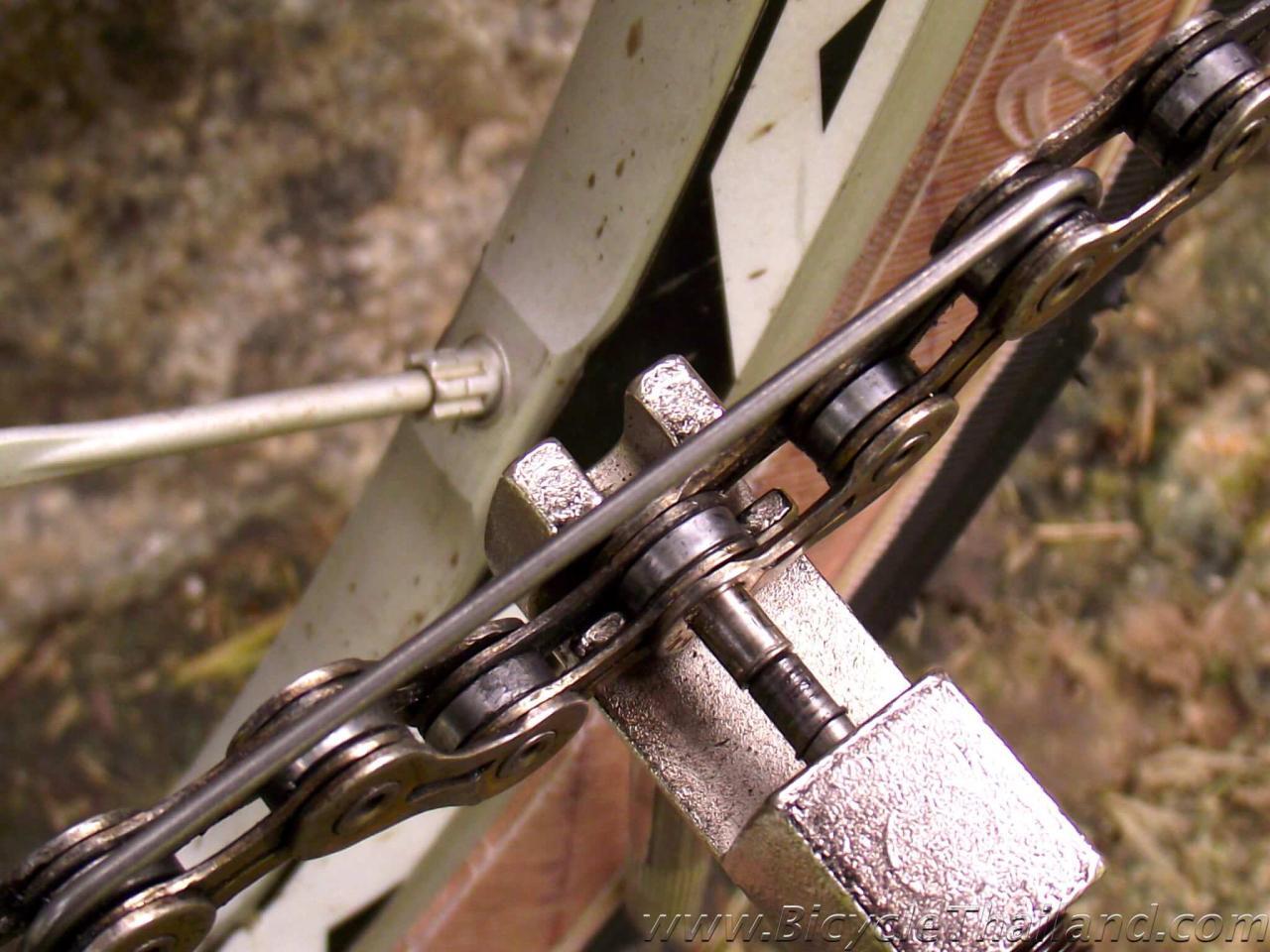
A chain guard is an essential component of a bicycle, designed primarily to keep the chain in place and protect it from debris and damage. When functioning correctly, it ensures smooth operation and contributes to overall safety. However, when a chain guard is broken, it can lead to several issues that impact the performance of the bicycle and the safety of the rider.
Recognizing the signs of a broken chain guard can prevent further damage and maintain optimal bike functionality.A broken chain guard can manifest through various symptoms, which can lead to significant performance issues and potential hazards during cycling. It is crucial to identify these signs early to address any problems effectively.
Symptoms Indicating a Broken Chain Guard
Several symptoms are indicative of a broken chain guard. These signs not only highlight the immediate issues but also reflect the potential risks associated with riding a bike that has a compromised chain guard.
- A visible crack or breakage: Inspect the chain guard for any noticeable physical damage. Cracks or breaks can disrupt its ability to shield the chain from dirt and debris.
- Unusual noise while pedaling: A broken chain guard may lead to rattling or grinding noises as the chain moves. This can signal that the guard is not properly secured or is interfering with the chain’s movement.
- Chain derailment: If the chain frequently comes off the gears, it may be due to inadequate coverage from a damaged chain guard, which fails to keep the chain aligned.
- Increased wear on chain and gears: A broken chain guard can expose the chain and sprockets to dirt and grime, leading to accelerated wear and tear, which can necessitate more frequent replacements.
Impact on Bike Performance and Safety
The performance and safety of a bicycle can be significantly affected by a broken chain guard. When the chain guard is compromised, it fails to perform its primary functions, jeopardizing the ride quality and safety of the cyclist.
- Reduced efficiency: A chain guard that does not properly protect the chain can lead to increased friction and resistance, making pedaling more difficult and less efficient.
- Increased risk of accidents: If the chain becomes loose or derails, it can cause the rider to lose control, posing a serious risk of accidents.
- Potential for injury: Exposed moving parts can increase the risk of injury, especially if clothing or body parts get caught in the chain mechanism.
Visual Indicators for Repair or Replacement
Visual inspections can reveal critical indicators that a chain guard needs repair or replacement. Regular checks can help maintain the bike’s performance and safety.
- Deformation or bending: A chain guard should be straight and properly aligned; any bending may indicate that it can no longer function effectively.
- Rust or corrosion: Signs of rust can weaken the structure of the chain guard. Inspect for any corroded areas that may compromise its integrity.
- Loose fittings: If the chain guard appears loose or wobbly, it is essential to check the attachment points, as they may need tightening or replacement.
“Regular maintenance and timely replacement of a broken chain guard can significantly enhance your cycling experience, ensuring both performance and safety.”
Tools and Materials Required for Repair
Repairing a broken chain guard necessitates the use of specific tools and materials to ensure an efficient and effective restoration process. Understanding these requirements is essential for achieving a successful repair that maintains the functionality and safety of your vehicle.The following tools are integral to the repair process of a broken chain guard. Having these on hand will facilitate a smoother execution of the repair tasks:
Essential Tools for Repair
The importance of using the right tools cannot be overstated, as they contribute significantly to the precision and quality of the repair work. Below is a list of essential tools required for fixing a broken chain guard:
- Wrench Set: A set of wrenches is necessary to remove and secure any bolts or nuts that hold the chain guard in place.
- Screwdriver Set: Depending on the types of screws used in the assembly, both flathead and Phillips screwdrivers will be needed.
- Socket Set: A socket set can make it easier to reach and tighten bolts in tight spaces.
- Utility Knife: This tool assists in trimming any damaged parts of the chain guard or cutting through any adhesive materials.
- Pliers: Pliers are useful for gripping and bending materials as required during the repair process.
- Measuring Tape: Accurate measurements are critical, especially when fitting replacement parts or materials.
Materials Required for Repair
In addition to tools, certain materials are essential for effectively repairing a broken chain guard. The following materials are typically used in this process:
- Replacement Chain Guard: If the damage is beyond repair, a new chain guard that matches the specifications of your vehicle may be necessary.
- Adhesive or Sealant: Strong adhesives or sealants may be required to bond broken pieces securely or to attach a new chain guard.
- Fasteners: New bolts, nuts, or screws may need to be purchased if the original fasteners are stripped or damaged.
- Protective Coating: A protective coating can help prevent rust and corrosion on the newly repaired or replaced chain guard.
Alternative Materials for Repair
In situations where original parts may be unavailable, alternative materials can be utilized to achieve a satisfactory repair. Consider the following options:
- Plastic or PVC Sheets: These can be cut and shaped to create a custom chain guard if an original replacement is not accessible.
- Metal Strips: Thin metal strips can be fashioned to replace damaged sections of the chain guard while ensuring structural integrity.
- Epoxy Resin: This strong adhesive can be used to bond broken pieces of the chain guard securely and is a viable alternative when traditional adhesives fall short.
- Old Bicycle Parts: Depending on the design of the chain guard, old bicycle components may be repurposed as makeshift replacements.
“Using the correct tools and materials not only ensures the repair is effective but also extends the longevity of the chain guard.”
Step-by-Step Repair Process
Repairing a broken chain guard requires a systematic approach to ensure safety and functionality. Following these steps will guide you through the process of removing the damaged guard, assessing the situation, and either repairing or replacing it as necessary. It is essential to handle this task with care to maintain the integrity of your bicycle.The repair process can be divided into distinct phases.
First, the broken chain guard must be removed. This step involves assessing the damage, detaching the guard, and cleaning the area. Following the removal, you can either repair the existing guard or replace it with a new one, depending on the level of damage. Below is a checklist to ensure all tasks are completed effectively.
Removal of the Broken Chain Guard
Begin by gathering the necessary tools. You will typically need a set of screwdrivers, an adjustable wrench, and possibly pliers. Before you start, ensure your bicycle is secured in a stable position, preferably in a bike stand.
1. Inspect the Chain Guard
Determine the extent of the damage to the chain guard. If it is cracked, bent, or broken in multiple places, replacement may be the best option.
2. Locate the Fasteners
Identify the screws or bolts securing the chain guard to the bike frame and chainstay.
3. Remove Fasteners
Using an appropriate screwdriver or wrench, carefully unscrew or unbolt the chain guard. Store the fasteners in a safe location for reuse if repairing the guard.
4. Detach the Guard
Once the fasteners are removed, gently lift the chain guard off the bike frame. Be cautious of any remaining fragments that could cause injury.
5. Clean the Area
Before proceeding, clean the area where the chain guard was attached. This ensures a proper fit for the new or repaired guard.
Repairing or Replacing the Chain Guard
With the broken chain guard removed, you can now decide whether to repair it or install a new one. Below are the steps for both options. Repairing the Chain Guard:
1. Assess Damage
Check for cracks or breaks. Small cracks can often be repaired using a strong epoxy adhesive suitable for plastic.
2. Clean the Surfaces
Ensure the surfaces to be glued are clean and dry. Use rubbing alcohol to remove dirt and grease.
3. Apply Adhesive
Following the instructions on the adhesive, apply it evenly to the crack. Press the surfaces together firmly and hold them in place until the adhesive sets.
4. Allow to Cure
Follow the adhesive’s curing time before attempting to reattach the guard. Replacing the Chain Guard:
1. Purchase a New Chain Guard
Ensure the new guard matches your bike’s specifications. You can find compatible options at local bike shops or online retailers.
2. Align the New Guard
Position the new chain guard against the bike frame, aligning it with the existing mounting holes.
3. Attach Fasteners
Secure the new guard in place using the original or new fasteners. Tighten them adequately, but avoid over-tightening to prevent damage.
4. Check Alignment
Ensure the chain guard is correctly aligned and does not interfere with the chain’s movement.By following these detailed steps, you can successfully remove a broken chain guard and either repair or replace it, ensuring your bicycle is in optimal condition for use.
Preventive Measures
Routine maintenance is essential for ensuring the longevity of your chain guard and the overall performance of your bicycle. By adopting specific measures and practices, you can prevent potential damage and enhance your riding experience. Understanding how to care for your chain guard will not only keep it functional but also contribute to the safety and efficiency of your bike.
Regular checks and maintenance practices are vital in preventing chain guard damage. By identifying common pitfalls and adhering to best practices while riding, you can effectively prolong the life of your chain guard and ensure a smoother ride. Here are some key preventive measures to consider:
Routine Maintenance Tips
Performing regular maintenance checks on your bicycle, particularly the chain guard, is crucial. The following tips can help you maintain your chain guard effectively:
- Inspect the chain guard regularly for any signs of wear or misalignment.
- Clean the chain guard frequently to remove any dirt, grime, or debris that could cause damage.
- Lubricate the chain and other moving parts according to the manufacturer’s guidelines.
- Check for loose screws or bolts and tighten them as needed to ensure structural integrity.
- Store your bicycle in a dry, protected area to prevent moisture-related damage.
Common Mistakes Leading to Broken Chain Guards
Awareness of the common mistakes that can lead to chain guard damage is essential for prevention. Many riders inadvertently contribute to issues without realizing it. Here are some practices to avoid:
- Neglecting routine inspections can lead to unnoticed wear and tear.
- Over-tightening the chain guard can cause stress fractures and breaks.
- Using a chain guard that is not compatible with your bike model can lead to improper fitting and damage.
- Ignoring unusual noises during rides may indicate a problem that requires immediate attention.
Best Practices for Safe Riding
Safe riding techniques can significantly reduce the risk of damaging your chain guard. Following these best practices will help ensure a secure and enjoyable cycling experience:
- Avoid riding over rough terrain or obstacles that could strike the chain guard.
- Maintain a steady pace to reduce the strain on the chain guard and other components.
- Be mindful of your gear shifts; abrupt changes can create unnecessary tension on the chain and guard.
- Always wear appropriate protective gear to shield yourself and your bicycle from potential accidents.
- Consider practicing smooth maneuvers, especially when navigating tight corners or uneven surfaces.
Professional Help vs. DIY Repairs
When faced with a broken chain guard, many individuals may find themselves torn between seeking professional assistance and attempting a DIY repair. Each option presents its own set of advantages and considerations that can greatly influence the outcome of the repair process. Understanding these benefits and knowing when to opt for professional help can ensure that your bike remains in optimal condition while managing both time and costs effectively.Professional assistance often provides a level of expertise and confidence that DIY repairs may lack.
Skilled technicians not only possess the necessary tools but also have extensive experience in diagnosing and fixing a variety of issues. This professional insight can lead to a more reliable and thorough repair, ensuring that the chain guard functions correctly for an extended period.
Benefits of Professional Assistance
Choosing professional help for chain guard repairs offers several notable advantages. The following points Artikel the key benefits associated with opting for expert service:
- Expertise and Experience: Technicians are trained to handle specific issues efficiently, often catching underlying problems that a DIY approach might miss.
- Guaranteed Work: Many professional services offer warranties on repairs, providing peace of mind that any future issues will be addressed without additional costs.
- Time Efficiency: Professionals can typically complete repairs faster than someone working without experience, getting you back on the road sooner.
- Access to Specialized Tools: Professionals possess specialized tools that may be necessary for certain repairs, ensuring the job is completed correctly.
Situations Recommending Professional Help
While DIY repairs can be effective in many cases, there are specific situations where seeking professional help is advisable. These scenarios include:
- Severe Damage: If the chain guard has sustained significant damage, such as cracks or breaks that compromise safety, a professional assessment is crucial.
- Lack of Experience: Individuals unfamiliar with bike repairs may inadvertently cause more damage if they attempt complex repairs without adequate knowledge.
- Time Constraints: For those with busy schedules, it may be more efficient to utilize professional services instead of dedicating personal time to repairs.
- Need for Custom Solutions: Some issues may require customized parts or repairs that are beyond typical DIY capabilities.
Cost Implications of Repairs
The decision between professional repairs and DIY methods also hinges on the cost involved. Understanding the financial aspects of each option can help in making an informed choice.
- Cost of Professional Service: Professional repairs may range from $50 to $150, depending on the severity of the damage and the shop’s labor rates.
- DIY Costs: DIY repairs can be less expensive, often requiring only the cost of replacement parts and basic tools, typically amounting to $20 to $70.
- Long-Term Value: Although DIY repairs may seem cheaper initially, poor repairs can lead to higher costs down the road if the damage is not properly addressed.
- Potential for Further Damage: Attempting complex repairs without the right skills can result in additional damage, leading to higher repair costs than originally anticipated.
Case Studies or Examples
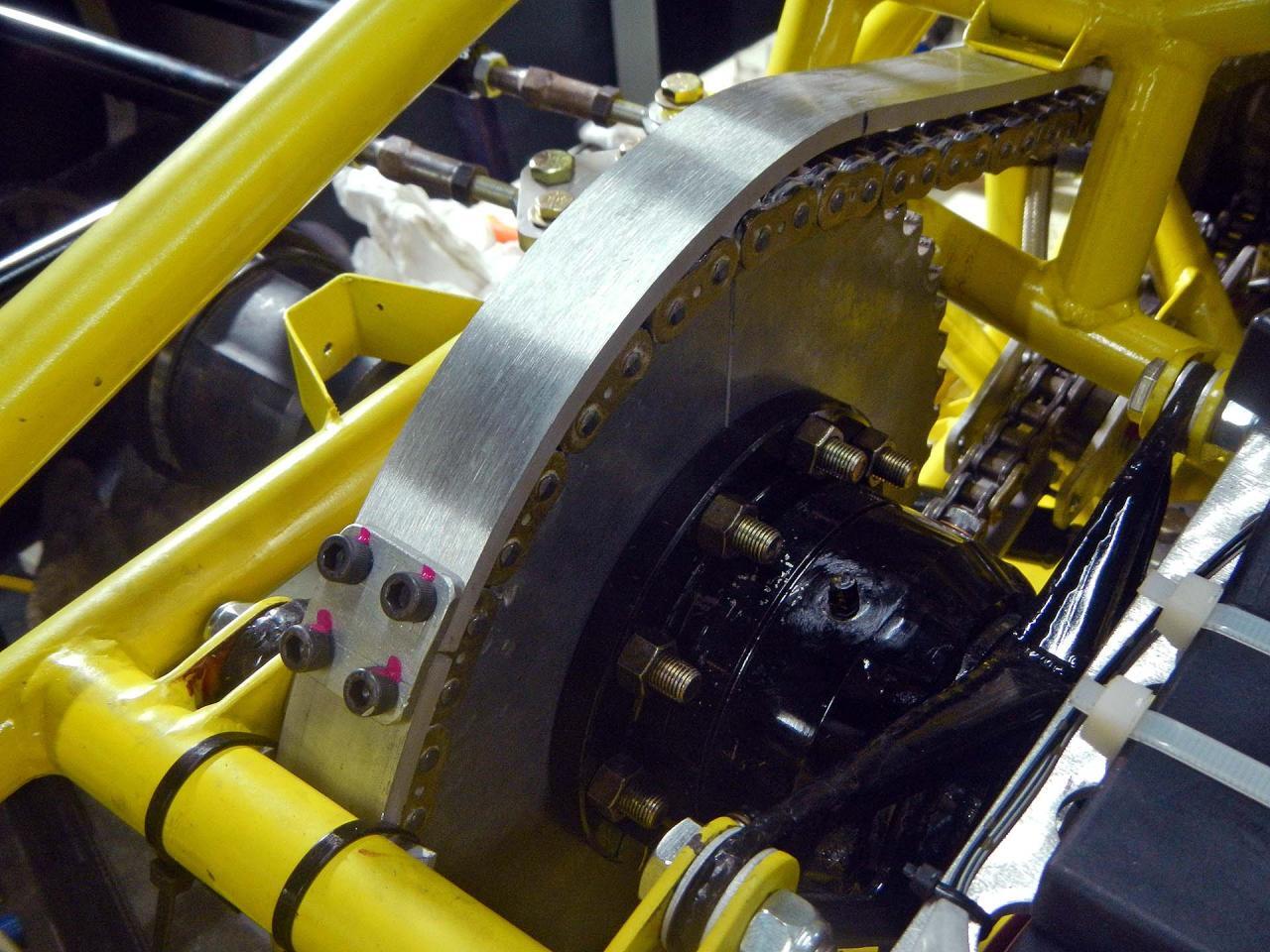
Chain guards play a crucial role in the functionality of bicycles and motorcycles, safeguarding the chain from debris and preventing clothing or body parts from getting caught. However, repairs are sometimes necessary due to wear and tear. This section explores real-life examples of common chain guard issues, successful repair stories, and comparisons of various fixes over time, showcasing the effectiveness of different methods.
Common Chain Guard Issues
Many cyclists and motorcyclists encounter specific issues with chain guards. The following examples highlight typical problems faced by users:
- Cracks and Breaks: A cyclist reported a cracked chain guard that led to chain misalignment and increased wear on the drivetrain. The damage stemmed from an impact with debris on the road.
- Loose Fittings: In another instance, a motorcycle owner faced loose fittings on the chain guard, causing rattling noises and eventual detachment during riding.
- Corrosion: A user observed significant corrosion on their metal chain guard after exposure to harsh weather conditions, which compromised its structural integrity.
Successful Repair Stories
Several repair stories illustrate how issues can be effectively addressed. Here are notable examples of successful repairs:
- Epoxy Repair: A cyclist utilized a high-strength epoxy to mend a cracked plastic chain guard. After thorough cleaning and application, the repair lasted for over a year without further issues.
- Reinforcement with Metal Brackets: A motorcycle enthusiast reinforced a loose chain guard by adding metal brackets. This method not only secured the guard but also improved its durability against impacts.
- Rust Treatment: For a corroded chain guard, a thorough rust treatment involving sandblasting and powder coating restored its appearance and functionality, successfully preventing future corrosion.
Comparison of Different Fixes Over Time
To understand the long-term effectiveness of various repair methods, comparisons can shed light on their performance:
| Repair Method | Durability | Cost-effectiveness | Ease of Implementation |
|---|---|---|---|
| Epoxy Repair | 1-2 years | Low | Moderate |
| Metal Brackets | 2-3 years | Moderate | Moderate |
| Rust Treatment | 3-5 years | High | High |
The longevity and cost-effectiveness of these methods indicate that while some repairs may be simpler to execute, others, like rust treatment, provide more lasting benefits. Each case demonstrates the importance of timely repairs and the choice of appropriate methods to ensure the longevity of chain guards.
Additional Resources
To effectively manage chain guard repairs and maintenance, it is essential to have access to a variety of resources that can provide further insight and guidance. Whether you are a beginner looking to learn more about chain guards or an experienced individual seeking advanced information, the resources listed below will enhance your understanding and skills related to chain guard repairs.
Numerous reliable websites, manuals, and community forums exist to assist individuals in their repair endeavors. These resources can provide technical details, troubleshooting tips, and user experiences that are invaluable when fixing or maintaining chain guards.
Online Resources and Manuals
A selection of websites and manuals offers comprehensive information on chain guard repairs. These resources can serve as valuable references for both novices and experienced users.
- BicycleMaintenance.com: A website dedicated to all things bicycle maintenance, including detailed articles on chain guard repairs.
- ParkTool.com: Offers manuals and repair guides that cover specific tools and techniques useful for chain guard maintenance.
- SheldonBrown.com: A respected source in the cycling community that includes a variety of articles on bicycle components, including chain guards.
- YouTube.com: Various channels provide step-by-step video tutorials for visual guidance in chain guard repairs.
Community Forums and Groups
Engaging with others who share similar interests can provide new perspectives and solutions to common problems. Community forums serve as platforms for sharing experiences and advice regarding chain guard repairs.
- Bicycle Repair Forum: A community where users discuss repair techniques, share tips, and ask for help with specific issues.
- Reddit – r/bicycling: A subreddit dedicated to cyclists, where members can find discussions on maintenance and repairs, including chain guards.
- Facebook Groups: Many local and global bicycle enthusiast groups exist where members share advice and offer support for repairs.
Reference Materials for Chain Guard Maintenance
A compilation of reference materials, including articles and videos, can assist in understanding the nuances of chain guard maintenance. The following table Artikels various formats of these resources.
| Resource Type | Title | Link |
|---|---|---|
| Article | Chain Guard Maintenance Tips | BicycleMaintenance.com |
| Video | How to Replace a Chain Guard | YouTube |
| Manual | Park Tool Repair Manual | ParkTool.com |
| Article | Understanding Chain Guards | SheldonBrown.com |
Engaging with reliable resources enhances repair skills and fosters a supportive community for advice and encouragement.
Final Review
In conclusion, addressing a broken chain guard promptly can significantly impact your riding experience and safety. Armed with the knowledge of preventive measures and repair techniques Artikeld in this guide, you can ensure your bike remains in optimal condition. Whether you choose to undertake the repair yourself or seek professional assistance, being informed allows for better decision-making and enhanced riding enjoyment.