How to Adjust Your Rear Derailleur for Smooth Shifting is essential knowledge for any cyclist seeking to enhance their biking experience. Proper adjustment of the rear derailleur not only ensures seamless gear transitions but also optimizes overall bike performance. Understanding the intricate workings of the derailleur and its components will equip you with the necessary skills to tackle adjustments confidently and effectively.
This guide will delve into the importance of rear derailleur adjustments, the tools required, and a detailed step-by-step process, along with common issues and maintenance tips to keep your bike performing at its best. Whether you’re a casual rider or an experienced cyclist, mastering these skills will lead to more enjoyable rides and improved bike longevity.
Importance of Rear Derailleur Adjustment
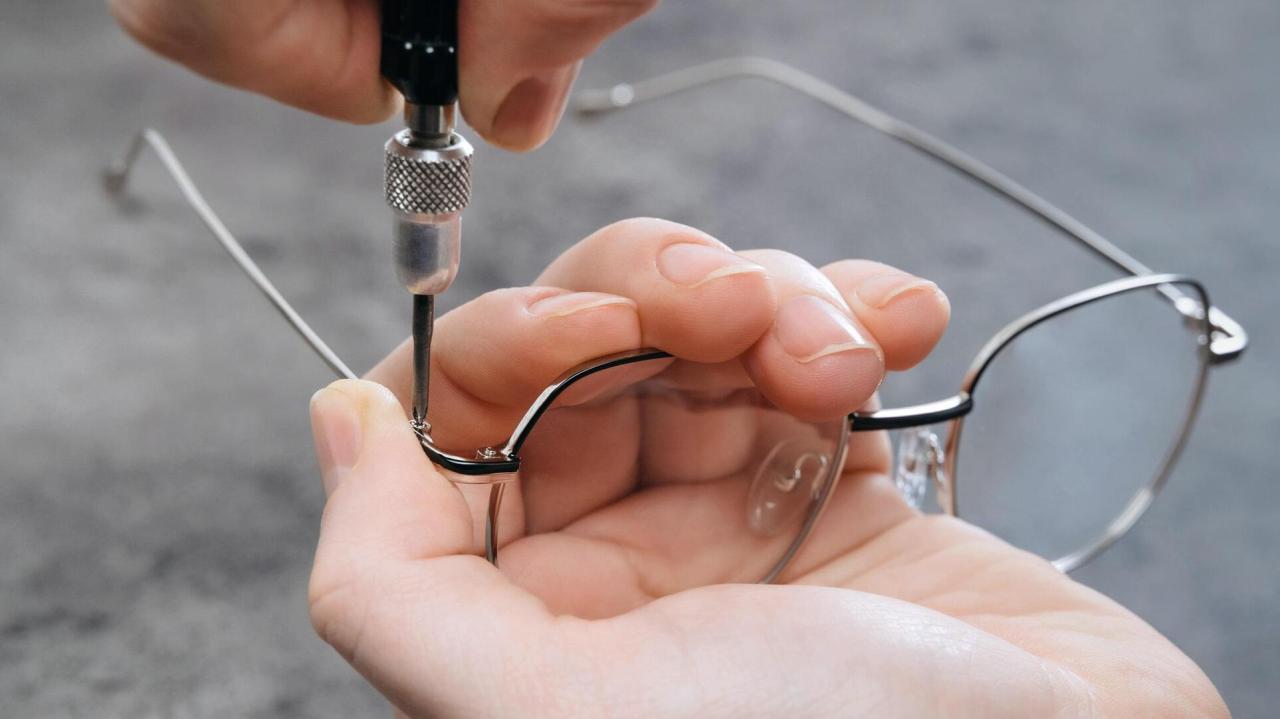
Proper adjustment of the rear derailleur is vital for ensuring optimal bike performance. A well-adjusted derailleur allows for seamless gear transitions, enhancing the overall riding experience. Neglecting this crucial aspect of bike maintenance can lead to inefficiencies and potential damage to components.Misalignment of the rear derailleur can significantly impact shifting quality. When the derailleur is not properly adjusted, it may cause the chain to skip gears or struggle to engage, leading to a frustrating ride and increased wear on the drivetrain.
This misalignment can stem from various factors, such as wear and tear, impacts from rough terrain, or improper installation.
Common Signs Indicating the Need for Adjustment
Recognizing the signs that indicate the necessity of rear derailleur adjustment is essential for maintaining bike performance. The following points highlight these indicators:
- Skipping Gears: If the bike frequently skips gears during shifting, it suggests misalignment that requires adjustment.
- Difficulty Shifting: Struggles in smoothly transitioning between gears can hinder performance and indicate that the derailleur is out of alignment.
- Chain Rub: A persistent noise caused by the chain rubbing against the derailleur can signify improper adjustment.
- Delayed Shifting Response: If there is a noticeable lag between shifting the shifter and the chain moving to the appropriate gear, adjustments are likely needed.
Understanding these signs allows for timely intervention, preventing further issues and ensuring a more enjoyable riding experience. Regular maintenance and adjustments not only enhance performance but also extend the lifespan of the bike’s drivetrain components.
Tools Required for Adjustment
Adjusting the rear derailleur of your bicycle is a critical aspect of ensuring optimal performance and smooth shifting. To achieve this, having the right tools is essential. The following list includes the essential tools needed for this task, along with their specific functions and usage instructions. The correct tools not only facilitate the adjustment process but also ensure that the adjustments made will provide long-lasting results.
Below is a comprehensive overview of the tools you will need.
Essential Tools for Rear Derailleur Adjustment
Understanding which tools are necessary for adjusting your rear derailleur will help simplify the process and make it more effective. Each tool serves a distinct purpose in ensuring that the derailleur is optimally aligned and functioning correctly.
- Philips Screwdriver: This tool is used to adjust the limit screws on the derailleur. To use, insert the screwdriver into the screw head and turn it clockwise to tighten or counterclockwise to loosen, ensuring the derailleur does not shift too far in either direction.
- Flathead Screwdriver: Similar to the Philips screwdriver, this is often used for adjusting cable tension and limit screws on some derailleur models. The procedure is the same: insert into the screw and adjust as needed.
- Allen Wrench Set: These are crucial for tightening or loosening the mounting bolts that secure the derailleur to the bike frame. Select the appropriate size, insert the wrench into the bolt, and turn to adjust the tension or position as required.
- Chain Tool: This tool is utilized for removing and reinstalling chain links. It is essential if you need to replace the chain or make significant adjustments to the derailleur’s alignment. Position the chain in the tool and turn the handle to push out the pin.
- Cable Cutters: Precision cable cutters are essential for cleanly cutting derailleur cables, ensuring no fraying occurs that could impede performance. Position the cable within the cutter’s jaws and squeeze firmly until it is cut cleanly.
- Tape Measure or Ruler: For precise measurements of derailleur and wheel alignment, a tape measure or ruler is invaluable. Measure the distance between the derailleur and the cog to ensure correct spacing.
The following table summarizes the different types of tools available, their functions, and their suitability for DIY enthusiasts.
| Tool | Function | DIY Suitability |
|---|---|---|
| Philips Screwdriver | Adjusts limit screws | Essential |
| Flathead Screwdriver | Adjusts cable tension | Essential |
| Allen Wrench Set | Tightens/loosens mounting bolts | Essential |
| Chain Tool | Removes/reinstalls chain links | Recommended |
| Cable Cutters | Cleans cable cutting | Recommended |
| Tape Measure/Ruler | Ensures precise alignment | Helpful |
Using the right tools will greatly enhance your ability to make effective adjustments to your rear derailleur, ensuring a smoother and more reliable ride.
Understanding the Components of a Rear Derailleur

The rear derailleur is a crucial component in a bicycle’s transmission system, facilitating the smooth and efficient shifting of gears. To comprehend its function fully, it is essential to explore its primary components and how each contributes to the overall shifting mechanism. A well-adjusted rear derailleur ensures optimal performance, enhancing the rider’s experience and bike efficiency.The rear derailleur consists of several key components, each designed to perform specific tasks that contribute to seamless gear transitions.
Understanding these parts will aid in recognizing how they interact with the bike’s gear system and how adjustments can improve shifting performance. The main components include:
Key Components of a Rear Derailleur
The effectiveness of a rear derailleur relies on the coordination of its main parts. A brief overview of each part’s function is essential for understanding the overall mechanism. The notable components include:
- Body: The main structure of the derailleur provides stability and houses the other components. It is typically made from lightweight materials to reduce overall bike weight.
- Upper and Lower Pulleys: These wheels, situated in the derailleur cage, guide the chain as it moves between gears. The upper pulley engages with the chain while shifting, and the lower pulley maintains chain tension.
- Cage: This part holds the upper and lower pulleys in place, allowing them to move laterally to shift the chain across the cassette. The design of the cage can influence the derailleur’s compatibility with different gear ranges.
- Spring: The tension spring connects the cage to the body. It plays a vital role in returning the derailleur to its default position after shifting, ensuring chain alignment with the selected gear.
- Limit Screws: These screws adjust the derailleur’s range of motion, preventing the chain from overshifting and falling off the gears. Proper adjustment of limit screws is critical for accurate shifting.
- Indicator Window: This feature displays the gear the bike is currently in, providing riders with a visual reference for gear selection.
Each component functions in concert to facilitate prompt and precise shifts. For instance, when you shift gears, the derailleur’s spring pulls the cage, moving the upper pulley sideways to guide the chain onto a different cog. The lower pulley maintains chain tension, crucial for smooth transitions.
“Understanding each component of the rear derailleur equips cyclists with the knowledge to adjust and maintain their bike efficiently.”
By recognizing the role of each part, cyclists can diagnose shifting issues more effectively and make necessary adjustments to enhance their riding experience. Comprehensive knowledge of these components is vital for any bike maintenance routine and ensures that the bike operates optimally at all times.
Step-by-Step Guide to Adjusting Your Rear Derailleur

Adjusting your rear derailleur is crucial for achieving smooth and precise shifting on your bicycle. This process not only enhances your riding experience but also prolongs the life of your drivetrain components. Proper adjustment ensures that the chain moves effortlessly across the gears, allowing for optimal performance.The following steps Artikel the process for adjusting your rear derailleur effectively. Each step emphasizes the importance of checking cable tension and limit screws, which are critical for accurate shifting.
Preparation and Initial Checks
Before you begin the adjustment process, it is essential to prepare your bicycle and gather the necessary tools. Conducting initial checks helps in identifying any existing issues that need to be addressed.
- Ensure your bike is clean and positioned on a stable bike stand or upside down.
- Inspect the derailleur for any visible damage or misalignment.
- Check the condition of the derailleur cable and housing for wear or fraying.
- Shift to the smallest chainring in the front and the smallest cog in the rear to relieve tension on the derailleur.
Adjusting Cable Tension
Correct cable tension is vital for the rear derailleur to function properly. If the tension is too loose or too tight, shifting may be compromised.
- Locate the barrel adjuster, which is often found on the derailleur or shifter.
- To increase tension, turn the barrel adjuster clockwise; to decrease it, turn it counterclockwise.
- Test the shifting by moving through the gears. If the derailleur does not shift smoothly, readjust the cable tension as needed.
Setting Limit Screws
Limit screws control how far the derailleur can move in both the high and low positions, preventing the chain from falling off the gears.
- Identify the limit screws, usually marked with “H” for high and “L” for low.
- Shift to the smallest cog and adjust the “H” screw until the derailleur aligns perfectly with the cog, ensuring the chain does not rub the derailleur body.
- Next, shift to the largest cog and adjust the “L” screw to ensure the derailleur can reach the cog without overshifting.
Final Adjustments and Testing
Once cable tension and limit screws are correctly set, it is time to perform final adjustments and testing.
- Shift through all gears to ensure smooth transitions without hesitation or skipping.
- If necessary, repeat adjustments to the cable tension and limit screws until shifting is optimally smooth.
- Perform a test ride to confirm that shifting remains consistent under load.
Throughout this process, maintaining proper cable tension and limit screw adjustments is essential for achieving the best shifting performance. A well-adjusted rear derailleur enhances your cycling experience, making each ride more enjoyable and efficient.
Common Issues and Troubleshooting Tips
Adjusting a rear derailleur can sometimes lead to unforeseen challenges, which, if not addressed, can affect the performance of the bicycle. Understanding common issues and knowing how to troubleshoot them is essential for maintaining smooth shifting. This section highlights frequent problems encountered during derailleur adjustment and provides actionable solutions.
Misalignment of the Derailleur
One of the most common issues faced during derailleur adjustment is the misalignment of the derailleur itself. This misalignment can stem from a bent hanger or incorrect positioning of the derailleur. To resolve this, follow these tips:
- Inspect the derailleur hanger for any bends. A straight hanger should align the derailleur correctly with the cassette. If bent, consider using a derailleur hanger alignment tool for precise adjustments.
- Ensure that the derailleur is mounted parallel to the cassette. Adjust the position by loosening the mounting bolt and repositioning the derailleur as necessary.
Skipping Gears
Gear skipping can occur due to incorrect cable tension or worn components. If your bike skips gears during shifting, take the following actions:
- Check the cable tension by pulling on the cable while shifting. If the derailleur fails to move properly, tighten the cable using the barrel adjuster to achieve the correct tension.
- Inspect the chain, cassette, and derailleur for wear and damage. Replace any worn components to ensure proper function.
Chain Rub on the Derailleur
Chain rub occurs when the chain makes contact with the derailleur cage, particularly in extreme gear combinations. This issue can be resolved through careful adjustment:
- To reduce chain rub, adjust the limit screws on the derailleur. Ensure the outer limit screw prevents the derailleur from moving too far outward.
- Maintain proper chain alignment by ensuring the chain is not too long or short, which can contribute to shifting issues.
Scenarios When Adjustments May Not Work
There are instances where initial adjustments may not yield the desired results. In such cases, reassessment of the entire system is recommended:
- If shifting problems persist after adjustments, check the entire drivetrain, including the crankset and bottom bracket, for any misalignments or issues that could affect shifting performance.
- Consider environmental factors such as dirt or debris in the derailleur mechanism, which might hinder its movement. Regular cleaning and maintenance can help mitigate these issues.
Proper maintenance and timely troubleshooting ensure a smooth and enjoyable riding experience.
Maintaining Your Rear Derailleur for Optimal Performance
Routine maintenance of your rear derailleur is essential for ensuring smooth and reliable shifting while cycling. By investing time in regular upkeep, you can enhance the longevity of your bicycle’s components and prevent performance issues that may arise from neglect. Proper maintenance not only results in a better riding experience but also reduces the frequency of necessary adjustments.To keep the rear derailleur functioning smoothly, there are several routine maintenance tasks that should be performed regularly.
These tasks help in identifying potential issues before they escalate, ensuring optimal performance of your bicycle’s drivetrain.
Routine Maintenance Tasks
It is vital to establish a routine for maintaining your rear derailleur. This includes cleaning, lubrication, and inspection. Here are the key tasks to focus on:
- Regular Cleaning:
Thoroughly clean the rear derailleur and adjacent components using a mild degreaser. This process removes dirt, dust, and grime that can impede performance. It’s recommended to clean the derailleur after every few rides, especially in adverse weather conditions. - Lubrication of Moving Parts:
Apply a small amount of lubricant to the pivot points of the derailleur. This will ensure smooth operation and help in preventing rust and wear. Be cautious not to over-lubricate, as this can attract dirt and debris. - Inspection for Wear and Damage:
Routinely inspect the derailleur for signs of wear or damage, such as bent hangers or frayed cables. Early detection of these issues can prevent more serious problems down the line. - Adjust Cable Tension:
Regularly check the tension of the derailleur cable. Proper tension is critical for accurate shifting. If the cable feels too loose or too tight, take the necessary steps to adjust it accordingly. - Check Alignment:
Ensure that the derailleur is properly aligned with the cassette and chainrings. Misalignment can lead to poor shifting performance and may cause additional wear on components.
Cleaning and lubricating the drivetrain is an integral part of the maintenance process. A clean drivetrain not only enhances shifting efficiency but also extends the life of your components.
Best Practices for Cleaning and Lubricating the Drivetrain
Effective cleaning and lubrication of the drivetrain require attention to detail and the right techniques. Implementing best practices in this area will ensure that your rear derailleur operates optimally.
- Use Appropriate Cleaning Supplies:
Select a biodegradable degreaser and soft brushes to clean your drivetrain. Avoid harsh chemicals that can damage components or the environment. - Remove the Rear Wheel:
For a thorough cleaning, remove the rear wheel to access the derailleur and cassette easily. This will facilitate better cleaning and inspection. - Apply Lubricant Sparingly:
Focus on applying lubricant to the chain rather than directly on the derailleur. A well-lubricated chain will, in turn, keep the derailleur functioning smoothly. - Wipe Off Excess Lubricant:
After lubricating, wipe off any excess oil to prevent dirt accumulation. Clean components will perform better and require less frequent adjustments. - Schedule Regular Maintenance:
Incorporate maintenance into your regular cycling routine. Many cyclists choose to clean and lubricate their drivetrain every few hundred kilometers or after wet rides.
Regular maintenance significantly reduces the need for future adjustments. By adhering to a consistent maintenance schedule, cyclists can prevent common derailleur issues, ensuring a smoother and more enjoyable ride.
Preventing Future Adjustment Needs
Routine maintenance plays a critical role in preventing the wear and tear of your rear derailleur. By proactively addressing potential issues, you can minimize the frequency of adjustments necessary for optimal performance.
- Monitor Performance:
Pay attention to how your derailleur shifts during rides. If you notice any skipping or hesitation, address the issue promptly to avoid further complications. - Adjust for Changes:
Seasonal changes may impact the drivetrain’s performance. Regularly adjust the derailleur settings based on riding conditions and component wear. - Store Properly:
Store your bicycle in a climate-controlled environment. Exposure to elements can lead to rust and deterioration, affecting derailleur performance.
By consistently applying these maintenance tips, you will ensure that your rear derailleur remains in peak condition, thereby enhancing your cycling experience and prolonging the life of your bicycle.
Advanced Techniques for Experienced Cyclists
For seasoned cyclists seeking to elevate their shifting performance, mastering advanced techniques for rear derailleur adjustment becomes essential. These techniques not only facilitate smoother gear transitions but also enable riders to customize their setups for specific riding styles, whether competitive racing or leisurely rides. The knowledge of professional tools and their applications can significantly enhance these adjustments.
Advanced Adjustment Techniques
Fine-tuning a rear derailleur can greatly impact the cycling experience, especially for those who participate in competitive events. Experienced cyclists should consider the following advanced techniques:
1. B-Tension Adjustment
This adjustment optimizes the distance between the rear derailleur and the largest cog. Proper B-tension can prevent chain skipping and enhance shifting performance, particularly under load.
2. Limit Screw Calibration
While basic adjustments set the derailleur’s range, fine calibration ensures seamless transitions between gears. Adjusting the high and low limit screws with precision helps prevent the chain from falling off the cassette in either direction.
3. Cable Tension Fine-Tuning
Using a cable tension gauge can help achieve the perfect tension for optimal shifting. Even a slight adjustment can lead to significant improvements in the responsiveness of the derailleur.
4. Derailleur Alignment
Ensuring the rear derailleur is aligned parallel to the cassette can enhance shifting efficiency. Misalignment can cause excessive wear on the chain and gears, leading to mechanical failures.
Professional Tools Versus Standard Tools
Investing in professional-grade tools can yield substantial benefits for cyclists who frequently perform adjustments. The following points highlight the advantages of using professional tools:
Precision
Professional tools, such as digital torque wrenches and cable tension gauges, provide accurate measurements that ensure optimal adjustments. This precision translates directly into better performance on the road.
Durability
High-quality tools are built to withstand the rigors of regular use, providing reliability and longevity compared to standard tools. This investment pays off in the long term, reducing the need for frequent replacements.
Ease of Use
Many professional tools are designed with user-friendly features that allow for easier adjustments, even in challenging conditions. This can be a significant advantage during races or long rides.
Adjustments for Racing Versus Casual Riding
Understanding the distinctions between adjustments for racing and casual riding is crucial for performance optimization. Here are key considerations for each:
Racing Adjustments
In a competitive setting, every second counts. Cyclists should focus on achieving rapid and precise shifts. This often involves tighter cable tension, optimized B-tension settings, and meticulous limit screw adjustments to ensure that gear changes are instantaneous and faultless.
Casual Riding Adjustments
For leisurely rides, the emphasis shifts towards comfort and reliability. Slightly looser cable tension can provide smoother shifts without the urgency of racing. This setup prioritizes ease of use over speed, allowing for a more enjoyable cycling experience.
“The nuances of derailleur adjustments can significantly affect your cycling performance, especially when tailored to your specific riding style.”
Ending Remarks
/Adjust-Cabinet-Hinges-93246773-5751b7415f9b5892e8722a6b.jpg "How to Adjust Cabinet Doors")
In conclusion, understanding how to adjust your rear derailleur for smooth shifting is pivotal for maintaining an optimal riding experience. Regular adjustments and maintenance not only enhance shifting performance but also prolong the lifespan of your bike. By following the Artikeld steps and troubleshooting tips, cyclists can ensure their gear transitions are always seamless, paving the way for countless adventures on two wheels.