How to Center Caliper Brakes on a Road Bike is a crucial topic for every cycling enthusiast looking to enhance their riding experience. Properly centered caliper brakes are vital for ensuring optimal performance, safety, and control during your rides. Misaligned brakes can lead to decreased braking efficiency and potentially hazardous riding conditions, making it essential to understand the significance of proper brake centering.
This guide will delve into the tools required, a comprehensive step-by-step procedure, common troubleshooting tips, and maintenance strategies that will keep your caliper brakes performing at their best. By mastering the art of centering caliper brakes, you will not only improve your bike’s functionality but also elevate your overall cycling experience.
Importance of Centering Caliper Brakes

Properly centered caliper brakes play a vital role in ensuring the optimal performance of a road bike. They are essential for effective braking, which is crucial for both rider safety and overall ride quality. When brakes are centered, they provide consistent and balanced stopping power, enhancing the rider’s confidence and control on various terrains.Misaligned caliper brakes can significantly compromise safety and handling.
When the brake pads are not symmetrically aligned with the wheel rim, it leads to uneven braking forces. This misalignment can cause the bike to veer to one side during braking, increasing the risk of accidents. Furthermore, improper alignment can lead to increased wear on the brake pads and the rims, necessitating more frequent replacements and repairs.
Impact of Proper Centering on Braking Efficiency
The efficiency of braking is directly linked to the centering of caliper brakes. When brakes are properly centered, cyclists experience a range of benefits that contribute to a superior riding experience. These advantages include:
Increased Stopping Power
Centered brakes provide even pressure on both sides of the wheel, resulting in maximum contact with the rim. This enhances the overall stopping power and reduces stopping distances, which is particularly important in emergency situations.
Enhanced Control
A balanced braking system allows the rider to maintain better control of the bike when decelerating. This is crucial when navigating sharp turns or steep descents, where precision is key to avoiding accidents.
Reduced Brake Pad Wear
Proper alignment minimizes uneven wear on brake pads, prolonging their lifespan and ensuring that they perform optimally for longer periods. This not only saves money on replacements but also ensures consistent braking performance over time.
Improved Ride Quality
Centered caliper brakes contribute to a smoother ride by preventing unwanted vibrations and noise that can occur when brakes are misaligned. This leads to a more enjoyable cycling experience, allowing riders to focus on the road ahead.In conclusion, the importance of centering caliper brakes cannot be overstated. Proper alignment enhances braking efficiency, ensures rider safety, and contributes to the overall performance and longevity of the bike’s braking system.
Tools Required for Centering Caliper Brakes
Centering caliper brakes is a crucial maintenance task for ensuring optimal performance and safety on a road bike. Utilizing the correct tools not only simplifies the process but also enhances precision, leading to better braking response and comfort. Below is a comprehensive overview of the essential tools needed for centering caliper brakes, categorized for clarity.
Essential Tools Overview
To effectively center caliper brakes, a specific set of tools is necessary. Each tool serves a unique purpose, contributing to the overall efficiency of the task. Below is a categorized list of these tools, along with their functions.
| Category | Tool | Purpose |
|---|---|---|
| Hand Tools | 7mm or 8mm Wrench | Used for adjusting the brake caliper bolts to align the calipers properly. |
| Hand Tools | Hex Key Set | Essential for adjusting brake pad positions and securing the caliper in place. |
| Measuring Devices | Caliper Gauge | Allows for precise measurement of brake pad distance from the rim, ensuring even spacing. |
| Measuring Devices | Ruler or Tape Measure | Used for measuring the alignment of the caliper relative to the wheel and frame. |
| Lubricants | Bike-Specific Grease | Reduces friction on the pivot points of the calipers and brake levers, enhancing performance. |
| Lubricants | Silicone Spray | Prevents rust and corrosion on the brake components, ensuring longevity and reliability. |
Step-by-Step Procedure for Centering Brakes
![How To Adjust Bike Brakes: Ultimate Guide To The 4 Key Types [With Videos]](https://biketips.com/wp-content/uploads/2023/04/13-2.jpg "How To Adjust Bike Brakes: Ultimate Guide To The 4 Key Types [With Videos]")
Centering caliper brakes on a road bike is an essential maintenance task that ensures optimal braking performance and safety. Properly centered brakes provide even contact with the wheel rim, preventing wear and enhancing the rider’s control. This guide Artikels a systematic approach to effectively center caliper brakes.To achieve precise alignment, specific adjustments must be made to the brake arms, allowing them to respond uniformly when engaged.
The following steps detail the procedure to center your caliper brakes accurately.
Detailed Step-by-Step Guide for Centering Caliper Brakes
1. Preparation
Begin by ensuring the bike is stable and secure. Use a bike stand if possible, or flip the bike upside down for easier access to the brake components.
2. Inspect the Caliper Brakes
Check for any damage or wear on the brake pads and caliper arms. Replace any worn components before proceeding.
3. Loosen the Brake Cable
Using a 5mm Allen wrench, slightly loosen the brake cable anchor bolt. This will allow for easier adjustments of the brake arms.
4. Align the Brake Arms
Squeeze the brake lever to close the caliper arms around the wheel rim, holding it tightly in this position.
With the brake lever held down, observe the distance between the brake pads and the rim. Adjust the spacers, if necessary.
5. Adjusting the Brake Pads
Depending on the model, locate the adjustment screws on the brake arms.
Turn the adjustment screws to shift the position of each pad, ensuring they are equidistant from the rim when the brakes are engaged.
6. Tightening the Brake Cable
After centering the brake arms, retighten the brake cable anchor bolt securely.
7. Test the Brakes
Squeeze the brake lever multiple times to ensure that the pads engage evenly and the brake feels responsive. Adjust again if needed.
8. Final Inspection
Check both brake pads for even wear. They should make even contact with the rim. If necessary, repeat previous steps to achieve the desired alignment.
Common Mistakes to Avoid During the Centering Process
It’s important to be aware of common pitfalls that can arise during the brake centering process. Avoiding these mistakes can save time and ensure optimal braking performance:
Neglecting to Inspect Brake Components
Failing to check for wear and damage can lead to inefficient braking.
Over-tightening the Brake Cable
This can lead to premature wear or stress on the brake components.
Ignoring Pad Alignment
Not adjusting the brake pads evenly can cause uneven wear and reduced braking efficiency.
Skipping the Final Test
Failing to test the brakes after adjustments may overlook misalignments that were not detected initially.
Inconsistent Pressure on the Brake Lever
Not applying uniform pressure while centering can lead to misalignment.By adhering to this detailed guide and avoiding common mistakes, you will ensure that your caliper brakes are centered effectively, leading to a safer and more enjoyable riding experience.
Troubleshooting Common Issues

When centering caliper brakes on a road bike, several issues may arise that can affect performance and safety. Understanding these common problems and their solutions is crucial for maintaining efficient braking. Common issues include uneven wear of brake pads, squeaking noises during braking, and complete brake failure, each of which presents specific challenges that need to be addressed.
Uneven Wear of Brake Pads
Uneven wear of brake pads can lead to reduced braking efficiency and increased replacement costs. This issue typically occurs due to improper alignment of the caliper or the brake pads. To address this problem, you should first ensure that the caliper is centered. Here are additional steps to mitigate uneven wear:
- Inspect brake pads for wear patterns; if one side is more worn than the other, it indicates misalignment.
- Adjust the caliper position, ensuring equal clearance on both sides of the rim during the centering process.
- Regularly check and replace brake pads to maintain optimal performance and prevent damage to the rim.
Squeaking Noises
Squeaking noises during braking can be distracting and may indicate that the brake pads are not properly seated or could be contaminated. Addressing this issue typically involves the following steps:
- Examine brake pads for contamination from dirt, oil, or debris; clean them with isopropyl alcohol if necessary.
- Ensure that the brake pads are properly aligned with the rim surface; adjust if needed.
- Consider using noise-reducing pads, which are designed to minimize squeaking during braking.
Brake Failure
Complete brake failure is a severe issue that can jeopardize safety. This problem may stem from various causes, including hydraulic leaks, cable issues, or severe misalignment. Key steps to troubleshoot brake failure include:
- Check the brake cables for fraying or damage; replace them if necessary to restore braking functionality.
- Inspect hydraulic lines for leaks; repair or replace any damaged components to ensure proper braking power.
- Test the brake lever feel; if it feels spongy, it may indicate air in the hydraulic system that requires bleeding.
Testing Brake Performance Post-Adjustment
After adjusting and centering caliper brakes, testing their performance is essential to ensure safety and functionality. Proper testing can reveal any remaining issues or confirm that the brakes are effective. Follow these guidelines to evaluate brake performance:
- Conduct a visual inspection of the brake pads and rims to ensure proper alignment and wear status.
- Perform a test ride in a safe environment, focusing on braking responsiveness and modulation.
- Check for any unusual noises or vibrations during braking, which could indicate further adjustments are required.
Maintenance Tips for Caliper Brakes
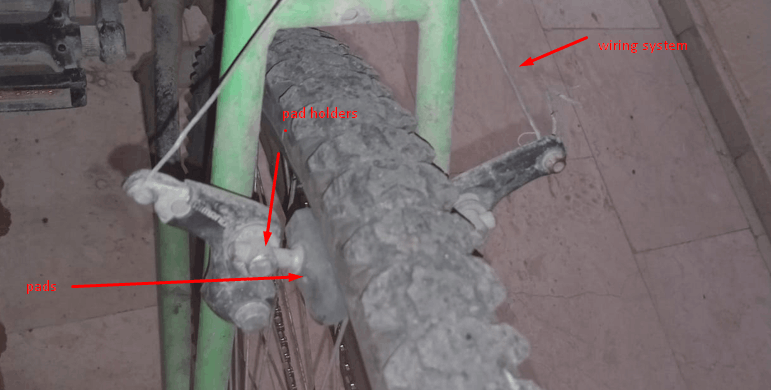
To ensure the optimal performance and longevity of caliper brakes on road bikes, regular maintenance is essential. By adhering to a consistent maintenance routine, cyclists can prevent issues such as uneven braking and brake pad wear, which can lead to safety concerns.Regular inspections and adjustments are crucial for maintaining the efficiency of caliper brakes. Such practices not only enhance braking performance but also prolong the lifespan of the brake components.
Cyclists should remain vigilant for signs of wear and perform maintenance tasks as recommended.
Maintenance Tasks and Recommended Frequencies
The following table Artikels key maintenance tasks for caliper brakes, along with their recommended frequencies. These tasks will help ensure that your brakes function smoothly and effectively.
| Maintenance Task | Recommended Frequency |
|---|---|
| Inspect brake pads for wear | Every month |
| Check brake cable tension | Every month |
| Clean brake surfaces | Every month |
| Lubricate pivot points | Every 2-3 months |
| Inspect brake alignment | Every 3 months |
| Replace brake pads | As needed (when worn) |
| Inspect brake arms for damage | Every 6 months |
| Replace cables | Every year or as needed |
“Regular maintenance of caliper brakes not only ensures safety but enhances the overall cycling experience.”
Implementing these maintenance practices will keep your caliper brakes in excellent condition, promoting safety and reliability during rides. Regular check-ups and timely adjustments will significantly reduce the risk of brake failure and enhance your riding experience.
Upgrading Caliper Brakes
Upgrading caliper brakes on a road bike can significantly enhance braking performance, safety, and overall riding experience. Riders may consider this upgrade when they experience decreased braking efficiency, seek better modulation, or want to improve the aesthetics of their bike. It is essential to choose caliper brakes that suit your riding style, bike frame, and desired performance characteristics.When considering an upgrade, it is important to evaluate the various options available.
Different caliper brake models provide distinct advantages and are tailored for various riding conditions and preferences. Below are some popular caliper brake models suitable for road bikes, along with their key features and benefits.
Popular Caliper Brake Models
The selection of caliper brakes can greatly affect the performance of your bike. Here are several popular models, each known for specific strengths:
- Shimano Ultegra BR-R8000
This model is known for its lightweight construction and excellent stopping power. The dual-pivot design offers superior modulation, making it perfect for competitive cycling.
- Campagnolo Chorus
Renowned for its smooth performance and elegant design, the Chorus caiper brake provides excellent stiffness and power, catering to riders seeking a blend of performance and aesthetics.
- TRP Spyre
A popular choice among gravel and cyclocross riders, the Spyre features a unique design that allows for easy adjustment and reliable performance in various conditions.
- SRAM Rival
Offering a balance of performance and price, SRAM Rival brakes are easy to install and provide consistent performance, ideal for beginner to intermediate riders.
Comparison of Caliper Brake Types
Understanding the differences between caliper brake types can assist in making an informed decision. Below is a structured comparison highlighting various types and their respective features and benefits:
| Brake Type | Key Features | Benefits |
|---|---|---|
| Dual-Pivot | Two pivot points for improved leverage. | Enhanced stopping power and modulation. |
| Single-Pivot | Traditional design with one pivot point. | Simpler design, easier maintenance. |
| Direct Mount | Mounts directly to frame, lower profile. | Improved aerodynamics and significant weight savings. |
| Rim vs. Disc | Rim brakes engage the wheel rim; disc brakes use a rotor. | Disc brakes offer superior performance in wet conditions; rim brakes are lighter. |
“Upgrading your caliper brakes can lead to improved confidence and performance on the road.”
Selecting the right caliper brake model involves assessing your specific needs, riding conditions, and preferences. Engaging in thorough research and consulting with experienced cyclists can further assist in making an informed choice.
Rider Feedback and Adjustment
Rider feedback plays a crucial role in optimizing the performance of caliper brakes on a road bike. Understanding how the brakes feel during use allows riders to make informed adjustments, ensuring an optimal balance between control and comfort. This section delves into the significance of rider feedback, guidelines for making adjustments based on personal preferences, and scenarios in which such feedback has led to improved braking control.
Importance of Rider Feedback
Rider feedback is essential in fine-tuning brake performance. Each cyclist has unique preferences based on their riding style, experience level, and comfort with the bike’s handling. By collecting feedback on brake feel and responsiveness, riders can identify the necessary adjustments that will enhance their braking experience. This ensures that the brakes provide adequate stopping power without compromising safety or comfort.
Guidelines for Adjusting Brake Settings
Adjustments to caliper brakes should be guided by rider feedback. Here are several key considerations:
- Brake Pad Position: Ensure the pads are aligned with the rim surface. Misalignment can lead to uneven wear and ineffective braking.
- Tension Adjustment: Adjust the tension on the brake cables to modify the stiffness of the brake lever, catering to personal preference for lever feel.
- Spring Tension: Properly adjust the spring tension to achieve a balanced feel between the left and right brakes, enhancing control.
- Lever Reach: Customize the reach of the brake lever for comfort, especially for those with smaller hands or specific riding positions.
Scenarios Illustrating Improved Braking Control
Real-life examples highlight how rider feedback can lead to significant improvements in braking performance.
“After receiving feedback about inconsistent braking, we adjusted the spring tension and lever reach, resulting in smoother and more reliable braking control.”
For instance, a cyclist may express discomfort in applying the brakes due to a long reach. By adjusting the lever reach, the rider finds it easier to engage the brakes without straining, thus enhancing overall confidence on descents. Another scenario involves a rider noticing a tendency for the front brake to grab too quickly. After discussing the issue, the rider adjusts the brake pad position and cable tension, leading to a more progressive braking feel.
This adjustment allows for greater modulation, particularly in technical descents, thereby improving safety and performance.In summary, actively seeking and integrating rider feedback is key to achieving optimal brake performance. By implementing small adjustments based on personal preferences and experiences, cyclists can significantly enhance their braking control, leading to more enjoyable and safer rides.
Last Point

In conclusion, mastering the technique of centering caliper brakes is an invaluable skill that every road cyclist should possess. With the right tools, a systematic approach, and regular maintenance, you can ensure that your brakes work effectively, contributing to a safer and more enjoyable ride. Embracing rider feedback and making necessary adjustments will further enhance your braking performance, allowing you to ride with confidence and precision.