How to Fix a Puncture on a Tubeless Bike Tire is a crucial skill that every cyclist should master to ensure smooth rides and minimize disruptions. Tubeless bike tires offer numerous advantages, such as reduced weight, lower rolling resistance, and the ability to run at lower pressures without the risk of pinch flats. However, a puncture can still occur, and understanding the repair process can significantly enhance your biking experience.
In this guide, we will explore the common issues associated with tubeless tires, the types of punctures that may arise, and the necessary tools and techniques to efficiently address these challenges. With proper maintenance and knowledge, cyclists can enjoy the benefits of tubeless tires while being well-equipped to handle unexpected punctures.
Introduction to Tubeless Bike Tires
Tubeless bike tires represent a significant advancement in cycling technology, offering various advantages over traditional clincher tires. These tires are designed to hold air without the need for an inner tube, which can result in a smoother ride and fewer maintenance issues. As a result, many cyclists are opting for tubeless setups for their bicycles, enhancing performance and durability on various terrains.One of the primary advantages of tubeless bike tires is the reduction in the likelihood of punctures.
In traditional tire setups, punctures often lead to immediate deflation, while tubeless tires are equipped with sealant that can quickly repair small holes, allowing riders to continue their journey without interruption. Additionally, tubeless tires typically allow for lower air pressures, which improves traction and comfort by providing a larger contact patch with the ground. According to recent surveys, approximately 60% of mountain bikers and 40% of road cyclists have transitioned to tubeless tires, reflecting their growing popularity in the cycling community.
Common Issues Faced with Tubeless Bike Tires
While tubeless bike tires have numerous benefits, they are not without their challenges. Cyclists may encounter several common issues when using tubeless setups, which can affect their riding experience. Understanding these issues is crucial for maintaining optimal performance and safety.The following are some of the typical problems associated with tubeless bike tires:
- Sealant Drying Out: The sealant used in tubeless tires can dry out over time, reducing its effectiveness in sealing punctures. Regular checks and top-ups are necessary to maintain performance.
- Installation Challenges: Proper installation of tubeless tires can be tricky, especially for those unfamiliar with the process. Ensuring a secure fit on the rim is essential to prevent air leaks.
- Temperature Sensitivity: Changes in temperature can affect tire pressure and the performance of the sealant. Riders should be aware of how temperature fluctuations can impact their tire setup.
- Puncture Size Limitations: While tubeless tires can self-seal small punctures, larger holes may still require a manual repair or tire replacement, which can be inconvenient during rides.
“The transition to tubeless tires can enhance both comfort and performance, but proper maintenance and awareness of potential issues are crucial for optimal riding experience.”
Cyclists are encouraged to regularly monitor their tubeless setups to ensure that they are functioning correctly, thereby maximizing the benefits while minimizing any potential setbacks associated with this tire technology.
Understanding Punctures
Punctures in tubeless bike tires can significantly impact cycling performance and safety. Understanding the types of punctures and their common causes is essential for every cyclist to ensure a smooth and safe ride. This section will delve into the nature of punctures, identifying their characteristics and the potential consequences they can have on riding conditions.
Types of Punctures
Tubeless bike tires can experience various types of punctures, which are crucial to recognize for effective repairs. The three main types of punctures include:
- Small punctures: Typically caused by sharp objects such as thorns or small nails. These punctures often allow air to escape slowly, which might go unnoticed until the tire pressure decreases significantly.
- Large punctures: Resulting from larger debris or impacts, large punctures can lead to rapid air loss. Examples include cuts from glass or significant impacts with rocks. These types of punctures usually require immediate attention.
- Sidewall punctures: Occurring on the side of the tire, these punctures can be particularly problematic. They are often caused by sharp edges during cornering or hitting an obstacle at high speeds, making them harder to seal and repair.
Common Causes of Punctures
Identifying the common causes of punctures in tubeless tires can help cyclists avoid potential issues on their rides. Key causes include:
- Debris on the road: Small sharp objects like nails, shards of glass, and thorns are prevalent hazards that can puncture tires.
- Poor tire maintenance: Under-inflated tires are more susceptible to punctures due to increased flexing of the tire, leading to possible damage.
- Impact damage: Hitting potholes, curbs, or other obstacles can cause sudden and severe punctures in tires, particularly if the impact is hard.
Impact of Punctures on Bike Performance and Safety
The impact of a puncture on bike performance and safety cannot be underestimated. A punctured tire can drastically alter the riding experience. Here are some of the most significant effects:
- Reduced control: A tire that is losing air can result in decreased traction and handling capabilities, which can compromise safety, especially during high-speed descents or sharp turns.
- Increased rolling resistance: When a tire is not inflated to the proper pressure, it creates more drag, making it harder to pedal and leading to quicker fatigue during rides.
- Potential for accidents: Loss of pressure can lead to blowouts or sudden tire failures, increasing the risk of accidents and injuries for the cyclist.
Regular inspection and maintenance of tubeless tires is essential to mitigate the risks associated with punctures, ensuring both performance and safety on every ride.
Preparing for Repairs
In order to effectively fix a puncture on a tubeless bike tire, it is essential to be well-prepared with the right tools and knowledge. This preparation not only ensures a successful repair but also enhances your overall confidence while handling bike maintenance tasks. Understanding how to properly assess damage and clean the puncture area are crucial steps in this process.Assessing the damage before repairs is important as it informs you whether a simple sealant application will suffice or if a more comprehensive repair is necessary.
A thorough inspection should focus on identifying the size and location of the puncture, as well as checking for any cuts or additional damage to the tire.
Essential Tools Needed for Repairs
Having the right tools on hand simplifies the repair process and minimizes the chances of complications. The following items are essential for fixing a puncture on a tubeless tire:
- Tire levers: Useful for removing the tire from the rim when inspecting or applying a repair.
- Tubeless tire sealant: This is a liquid solution that can quickly seal small punctures and leaks.
- Puncture repair kit: Contains plugs or patches specifically designed for tubeless tires, which are effective for larger punctures.
- Air compressor or pump: Needed to inflate the tire after repairs are made to restore it to its operational pressure.
- Cleaning cloth: Essential for wiping the area around the puncture before applying any sealant or patches.
- Utility knife or scissors: Useful for trimming any damaged tire material if necessary.
Importance of Cleaning the Area Around the Puncture
Cleaning the area surrounding the puncture is a critical step that significantly influences the success of the repair. Any debris, dirt, or old sealant residue can prevent the sealant from adhering properly, thereby compromising the repair’s effectiveness. A clean surface allows for a better seal, which is essential in maintaining tire pressure and preventing future leaks. Use a cleaning cloth to gently wipe the area around the puncture, ensuring it is free from contaminants before applying the sealant or patch.
The effectiveness of a repair greatly depends on the cleanliness of the puncture area; a clean surface ensures optimal adhesion of the sealant or plug.
Step-by-Step Repair Process
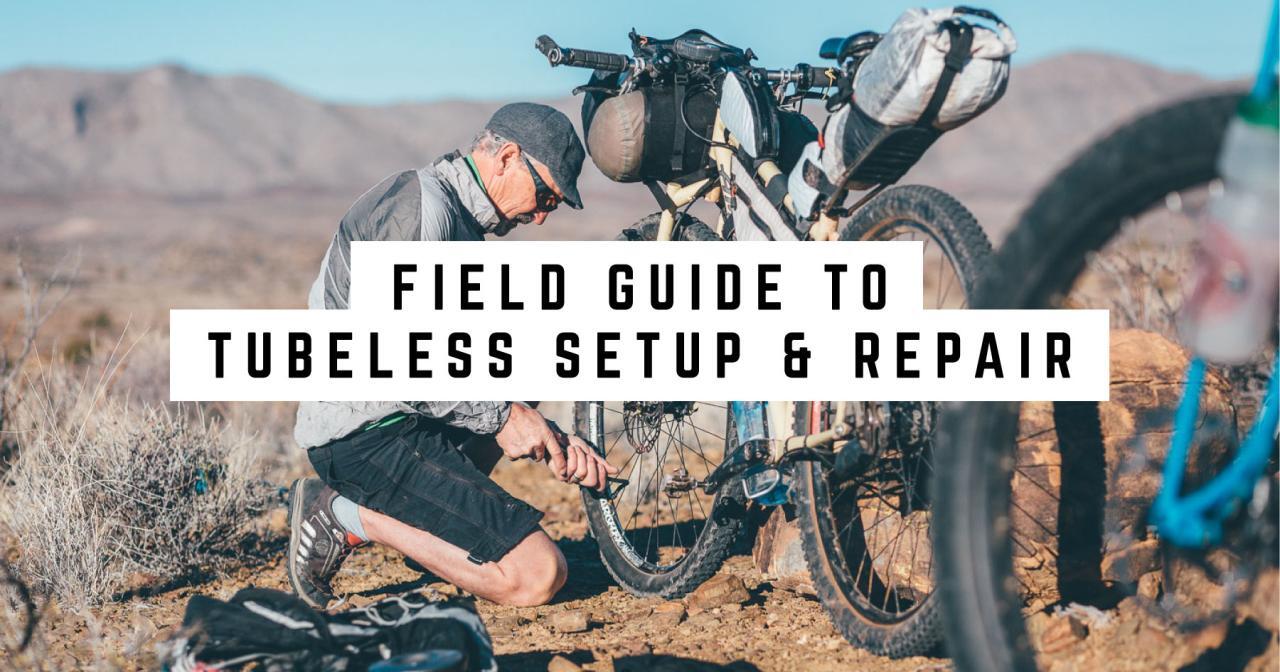
Repairing a puncture on a tubeless bike tire can be a straightforward task if approached systematically. Following a clear step-by-step process not only ensures a successful repair but also helps to maintain the integrity of the tire, allowing for safe riding. Here, we will Artikel the essential steps required for an effective repair, including tips for inserting a plug, and the necessary actions to re-inflate the tire afterward.
Procedure for Repairing a Puncture
Understanding the procedure is crucial for efficient repair. The following steps should be taken to effectively address a puncture in a tubeless tire:
- Assess the Damage: Begin by examining the tire for the puncture. Look for any visible damage, such as a hole or tear. If the puncture is smaller than 6mm, it can typically be repaired with a plug.
- Remove the Wheel: Carefully detach the wheel from the bike. Release the air pressure from the tire by pressing the valve stem.
- Clean the Puncture Site: Use a cleaning cloth or a specialized tire cleaning tool to remove any dirt or debris around the puncture area. This will help ensure a proper seal for the plug.
- Insert the Plug Tool: Use a plug insertion tool, which typically comes with a tubeless repair kit. Insert the tool into the puncture, pushing it through the tire until the plug is positioned within the hole.
- Insert the Plug: Firmly pull the handle of the insertion tool to embed the plug into the puncture. The plug should extend slightly outside the tire surface to create a seal.
- Trim Excess Plug: Once inserted, carefully trim any excess plug material with a sharp knife or scissors. Ensure that the plug is flush with the tire surface to avoid interference while riding.
- Re-inflate the Tire: Using a floor pump or CO2 inflator, start to re-inflate the tire. Be mindful to check for any hissing sounds that may indicate air is escaping from the puncture.
- Check for Leaks: After inflation, visually inspect the puncture site for any air leaks. You can also apply soapy water to the area; if bubbles form, the seal is not secure.
- Reinstall the Wheel: Once satisfied with the repair, reinstall the wheel back onto the bike. Ensure that it is properly secured and that the brake pads are aligned correctly.
- Test Ride: Finally, take your bike for a short test ride to ensure that the tire is functioning properly and the repair holds under pressure.
Tips for Inserting a Plug Effectively
Inserting a plug correctly is vital for ensuring that the repair is durable and effective. Consider the following tips when performing this task:
- Choose the Right Size Plug: Ensure that the plug you are using is suitable for the size of the puncture. A plug that is too small may not seal properly, while one that is too large can be difficult to insert.
- Use a Lubricant: Applying a small amount of tire sealant or lubricant to the plug can help it slide more easily into the puncture, reducing the risk of damaging the tire.
- Maintain Steady Pressure: When inserting the plug, apply even and steady pressure to successfully embed it without causing additional damage to the tire.
- Follow Manufacturer Instructions: Always refer to the instructions provided by the manufacturer of your repair kit, as specific tools and techniques may vary.
Re-inflating the Tire After Plugging
Once the plugging has been completed, proper re-inflation is crucial to ensure the tire is ready for use again. Here are the steps to follow:
- Ensure a Good Seal: Before re-inflating, double-check that the plug is secure and that there are no visible leaks.
- Use a Reliable Pump: Utilize a high-quality floor pump or CO2 inflator to ensure that you can achieve the required tire pressure quickly.
- Inflate to Recommended Pressure: Refer to the tire’s sidewall for the recommended pressure range and inflate accordingly. It is advisable to inflate to the lower end of the range initially, then adjust as necessary.
- Check Tire Pressure: After inflation, use a pressure gauge to confirm that the tire is at the proper pressure. Adjust as needed.
- Monitor Over Time: After the repair, keep an eye on the tire pressure over the next few rides to ensure that the repair is holding and that no slow leaks develop.
Maintenance Tips for Tubeless Tires
Maintaining tubeless bike tires is essential for ensuring optimal performance and minimizing the risk of punctures. Regular maintenance practices not only prolong the life of your tires but also enhance overall riding safety and enjoyment. By adhering to a consistent maintenance routine, cyclists can significantly reduce the occurrence of unexpected flats and maintain a smooth riding experience.One of the key aspects of maintaining tubeless tires is regular inspection and upkeep.
The following practices are highly recommended for keeping your tubeless tires in prime condition:
Regular Inspection of Sealant Levels
It is imperative to routinely check the sealant levels within your tubeless tires. Sealant is crucial for sealing any small punctures that may occur during rides. Over time, sealant can dry out or become less effective. Cyclists should aim to replenish or replace the sealant every few months, particularly in areas with extreme temperatures.To ensure proper maintenance, here are some guidelines for managing sealant levels:
- Check the sealant every 4 to 6 weeks, especially before long rides.
- If you notice dry patches inside the tire or diminished effectiveness, replenish or replace the sealant.
- Use a sealant that is compatible with your tire and rim type to ensure optimal performance.
Tire Pressure Management
Maintaining the correct tire pressure is another vital aspect of tubeless tire maintenance. Proper tire pressure not only enhances performance but also prevents pinch flats and improves ride comfort. When managing tire pressure, consider the following best practices:
- Regularly check tire pressure before each ride using a reliable pressure gauge.
- Adhere to the manufacturer’s recommended pressure range, which can typically be found on the tire sidewall.
- Adjust tire pressure according to riding conditions; lower pressures may be beneficial for rough terrain, while higher pressures are preferable for smooth surfaces.
“Maintaining proper tire pressure can significantly enhance traction, reduce rolling resistance, and improve overall bike handling.”
By implementing these maintenance tips, cyclists can enjoy the numerous benefits of tubeless tires while minimizing the likelihood of punctures and enhancing their riding experience.
Troubleshooting Common Issues
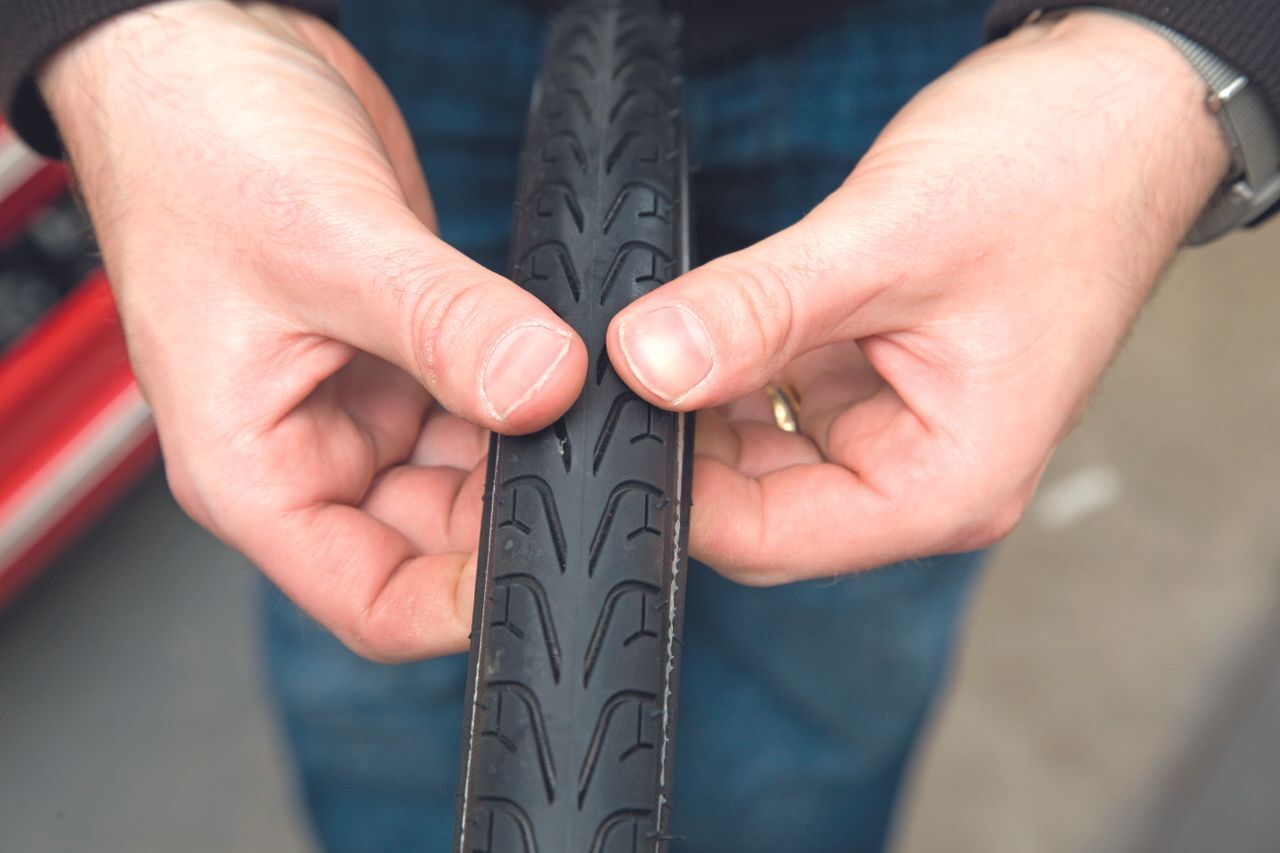
The repair process for a tubeless bike tire can sometimes encounter hurdles that may hinder the effectiveness of the repair. Identifying these common issues early on can save time and prevent further complications. This section aims to provide insights into troubleshooting various problems that may arise during the repair process, particularly focusing on sealant issues and the steps to take if a puncture repair does not hold.
Common Problems During the Repair Process
Understanding the potential challenges during a tubeless tire repair is essential. Issues can range from sealant not properly filling the puncture to difficulties in maintaining tire pressure. Some common problems include:
- Sealant Not Sealing: This could happen when the puncture is too large or located in a difficult position.
- Air Leakage: Sometimes, air can escape through bead seating, especially if the rim and tire are not properly aligned.
- Inadequate Sealant Amount: Insufficient sealant can lead to ineffective sealing of punctures.
- Puncture Location: Punctures near the tire bead may not seal effectively with sealant.
Solutions to Sealant Issues
When facing issues with sealant during repairs, there are effective solutions to consider. Addressing these common sealant-related problems can enhance the chances of a successful repair:
- Use the Right Sealant: Ensure that you are using a high-quality sealant that is suitable for the size and type of puncture.
- Reapply Sealant: In cases where the sealant has dried out or is insufficient, consider adding more sealant to the tire.
- Adjust Tire Position: If the sealant is not reaching the puncture, adjusting the tire’s position on the rim may allow for better distribution of the sealant.
- Check for Obstructions: Inspect the punctured area for any debris or foreign objects that may prevent proper sealing.
Addressing Puncture Repairs That Do Not Hold
In instances where a puncture repair fails to hold, it is essential to take specific steps to rectify the situation. Addressing unsuccessful repairs promptly can prevent further damage and ensure safety while riding:
- Inspect the Puncture: Re-examine the puncture to ensure it is not larger than the sealant can handle, and check for additional damage.
- Remove and Clean the Tire: If the repair does not hold, remove the tire, clean the rim, and inspect for any hidden punctures or sealant blockages.
- Consider a Plug: For larger punctures, using a plug in conjunction with sealant can provide a more reliable repair.
- Consult Professional Help: If repeated repairs fail, it may be wise to visit a bike shop for professional evaluation and repair.
Safety Precautions

Repairing a tubeless bike tire requires a careful approach to ensure both the cyclist’s safety and the effectiveness of the repair. Understanding the potential hazards associated with tire repair and taking appropriate measures can significantly reduce risks during the process. A well-prepared cyclist knows that safety includes not only the repair itself but also being vigilant during subsequent rides.When engaging in tire repairs, certain precautions should be observed to maintain personal safety and the integrity of the bike.
The use of appropriate tools and equipment is essential, as is the awareness of one’s surroundings. Additionally, carrying a repair kit while cycling is crucial for addressing unexpected issues on the road. Below are important safety measures and guidelines.
Personal Safety During Repairs
Before attempting any repairs, it is essential to establish a safe working environment. This includes choosing a level, stable surface where the bike can be securely positioned. The following points highlight crucial safety measures to consider when repairing tubeless bike tires:
- Wear protective gloves to avoid direct contact with sealant and to protect your hands from sharp objects.
- Use safety glasses to shield your eyes from any debris or sealant that may splatter during the repair process.
- Ensure that the area is well-lit, allowing for better visibility of the tire and tools.
- Keep essential tools within reach to minimize unnecessary movement and distractions.
Post-Repair Riding Safety
Once a tire has been repaired, it is vital to take additional precautions before resuming your ride. After a repair, the following guidelines can help ensure a safe cycling experience:
- Inspect the tire thoroughly to ensure the repair is secure and effective before hitting the road.
- Test the tire pressure and ensure it is within the recommended range for optimal performance.
- Start with a short ride to monitor the integrity of the repair and observe any unusual noises or handling issues.
- Remain vigilant for signs of a faulty repair, such as air loss or vibrations that may indicate further issues.
Importance of Carrying a Repair Kit
Having a repair kit on hand is essential for any cyclist, as it enables quick responses to punctures and other tire-related issues. A well-stocked repair kit may include the following items:
- Tire levers for removing the tire from the rim.
- Sealant to effectively seal punctures in tubeless tires.
- A portable pump or CO2 inflator for reinflating the tire after a repair.
- A patch kit for emergency repairs when sealant may not suffice.
By being prepared with a comprehensive repair kit, cyclists can mitigate the risks associated with tire failures, ensuring a smoother and safer riding experience. Remembering these safety precautions can make a significant difference in both repair effectiveness and overall cycling safety.
Conclusion and Additional Resources
Maintaining tubeless bike tires is essential for ensuring a smooth and safe cycling experience. Understanding how to fix punctures and perform regular maintenance can greatly enhance the longevity and performance of your tires. In this section, we will provide additional resources for cyclists keen on deepening their knowledge about tire maintenance and repair.For those interested in exploring further reading materials on tire maintenance, consider the following resources that provide valuable insights and detailed guidance:
Recommended Reading Materials
The following materials offer comprehensive information on tubeless tire maintenance and puncture repairs:
- “The Complete Guide to Tubeless Tires” by John Doe
-This book provides an in-depth look at the advantages of tubeless tires and detailed instructions on maintenance and repairs. - “Bike Repair and Maintenance Manual” by Jane Smith
-A thorough resource for all aspects of bike maintenance, including specialized sections on tires. - Online Articles on Cycling Forums
-Websites like BikeRadar and CyclingTips feature articles that are frequently updated to reflect the latest in cycling technology and maintenance techniques.
In addition to reading materials, there are numerous video guides available online that demonstrate the tubeless tire repair process visually, making them excellent resources for both beginners and experienced cyclists.
Video Guides and Tutorials
Video tutorials can provide step-by-step visual instructions that can be particularly helpful. Here are a few recommended sources:
- “How to Fix a Tubeless Tire Puncture” on YouTube
-This popular channel provides a clear and concise video that walks you through the entire repair process. - Bike Repair Videos by Global Cycling Network
-Their channel features a variety of maintenance tips, including specific episodes on tubeless tire care. - “Tubeless Tire Setup and Maintenance” by GMBN Tech
-This video covers both setup and repair processes in detail, perfect for visual learners.
Engaging with cycling communities can also be a valuable way to gain insights and advice from fellow cyclists. Online forums and community groups often serve as platforms for sharing experiences, tips, and troubleshooting advice related to tubeless bike tires.
Community Resources and Forums
Participating in cycling forums can enrich your understanding and provide support in tire maintenance. Here are some suggested platforms:
- Reddit – r/cycling
-A vibrant community where cyclists discuss everything from gear to maintenance, including tubeless tire troubleshooting. - MTBR.com
-This forum has dedicated sections for tire discussions, making it a good place for specific inquiries about tubeless systems. - Bikeradar Forums
-A resource for advice and shared experiences, focusing on all aspects of cycling maintenance.
By utilizing these resources, cyclists can enhance their skills and confidence in managing tubeless tires, ultimately leading to safer and more enjoyable rides.
Ending Remarks
In conclusion, knowing how to fix a puncture on a tubeless bike tire not only empowers cyclists to maintain their equipment but also enhances safety and performance during rides. With the right tools and a clear understanding of the repair process, cyclists can navigate punctures confidently and continue enjoying their passion for biking. We encourage you to explore the additional resources provided for further insights and support within the cycling community.