How to Fix a Quick-Release Skewer That Won’t Tighten is essential reading for any cyclist facing the frustrating challenge of a malfunctioning quick-release skewer. This pivotal component, which allows for easy wheel removal and attachment, plays a critical role in ensuring not only performance but also safety while riding. Understanding the intricacies of the skewer’s design and function can empower cyclists to address issues effectively and maintain optimal cycling conditions.
In this guide, we will explore the various components of quick-release skewers, common problems that may prevent them from tightening, and the essential tools and techniques required for repair. By familiarizing yourself with maintenance practices and when to seek professional assistance, you can ensure your cycling experience remains safe and enjoyable, no matter the terrain or conditions.
Understanding Quick-Release Skewers
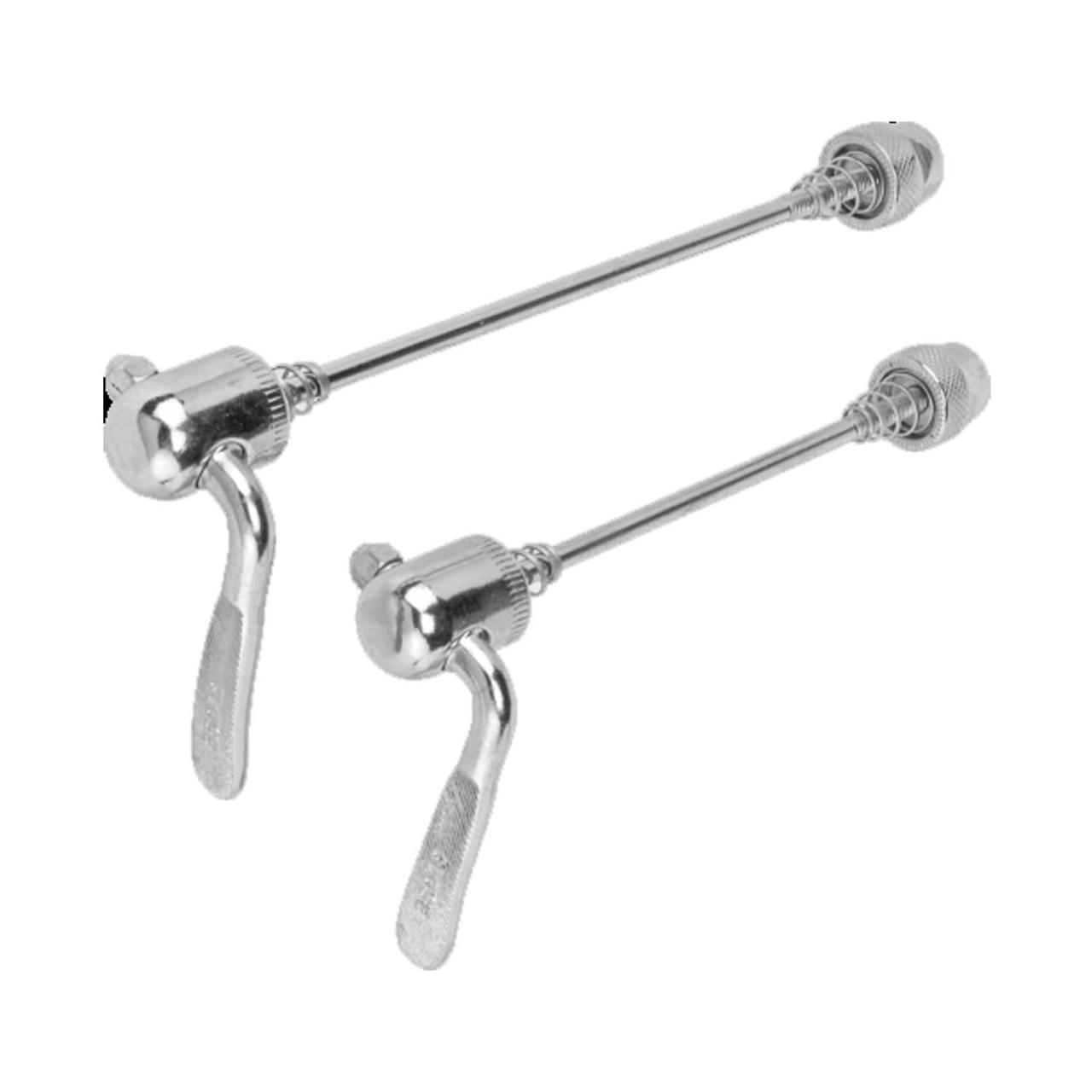
A quick-release skewer is an essential component in modern cycling, allowing riders to swiftly and securely attach or detach their wheels from the frame of the bicycle. This mechanism enhances convenience, especially in situations such as flat tire repairs or transportation. Understanding its function and components is crucial for maintaining the integrity and safety of the bicycle.The quick-release skewer consists of several key components, each playing a vital role in its operation.
The main parts include the skewer shaft, the lever, and the end caps. The skewer shaft is a long rod that passes through the wheel hub, while the lever allows the user to tighten or loosen the skewer with minimal effort. The end caps secure the wheel in place when the skewer is tightened, ensuring that the wheel remains stable during riding conditions.
Importance of Proper Tightening
Properly tightening a quick-release skewer is fundamental for maintaining safety while cycling. An improperly secured wheel can lead to catastrophic failures, such as the wheel detaching during a ride, which could result in loss of control and serious accidents. To emphasize the importance of proper tightening, consider the following points:
- Prevention of Wheel Detachment: Ensuring that the skewer is adequately tightened prevents the wheel from becoming loose or dislodged, which can occur due to vibrations during cycling.
- Enhanced Handling: A securely fastened wheel contributes to improved handling and stability, allowing riders to navigate turns and obstacles more effectively.
- Safety Assurance: Regular checks and proper tightening of the quick-release skewer can significantly reduce the risk of accidents, providing peace of mind to the cyclist.
In summary, understanding the quick-release skewer’s function and components, along with the critical nature of proper tightening, is vital for every cyclist. This knowledge not only enhances performance but also ensures safety during rides, allowing cyclists to enjoy their experience without concerns over equipment failure.
Common Issues with Quick-Release Skewers
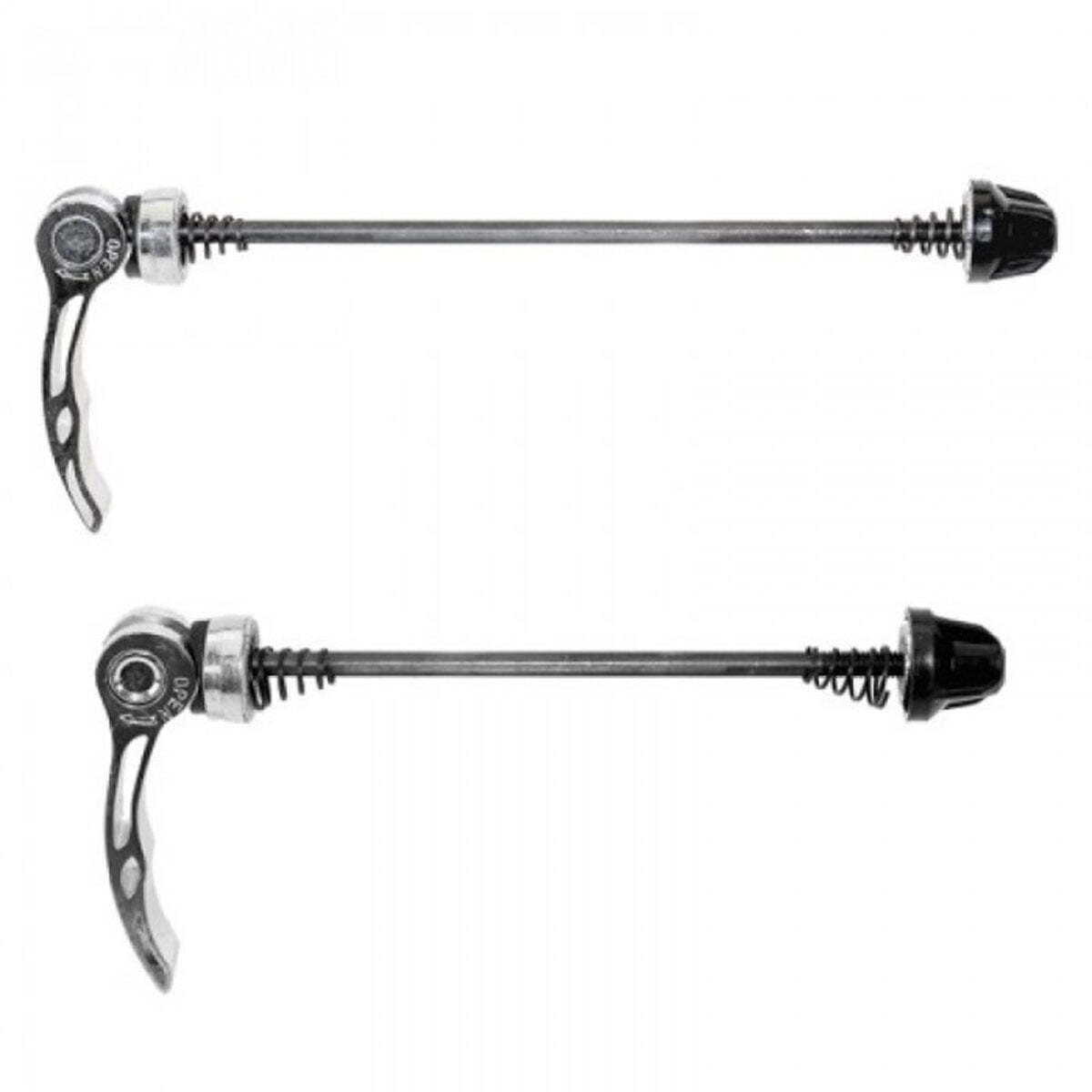
Quick-release skewers are essential components in bicycle design, allowing for efficient wheel installation and removal. However, they are not without their issues, which can lead to improper function and potential safety risks. Understanding these common problems can help cyclists maintain optimal performance and ensure a safe riding experience.Several typical problems can prevent a quick-release skewer from tightening properly, often stemming from mechanical faults or external influences.
Identifying these issues early is crucial for effective maintenance. Below are some common problems associated with quick-release skewers:
Common Problems Affecting Quick-Release Skewers
The following issues can lead to a malfunctioning quick-release skewer:
- Wear and Tear: Over time, the internal mechanisms of the skewer can wear down, resulting in a loss of friction needed to secure the skewer tightly.
- Improper Installation: If the skewer is not correctly positioned or aligned, it may not tighten adequately, compromising the wheel’s stability.
- Dirt and Debris: Accumulation of dirt, dust, or grime around the skewer can hinder its ability to function smoothly, leading to issues in tightening.
- Corrosion: Exposure to moisture or corrosive environments can lead to rust formation on the skewer, affecting its performance and reliability.
- Damaged Components: Any damage to the skewer, such as bending or breaks, can prevent it from functioning effectively.
Signs that indicate a quick-release skewer is malfunctioning include difficulty in closing the lever, unusual noises during operation, or noticeable play in the wheel after installation. These symptoms should prompt immediate inspection and maintenance to avoid potential accidents.
Environmental Factors Affecting Skewer Performance
Environmental elements play a significant role in the performance of quick-release skewers. Factors such as weather conditions and exposure to dirt can severely impact functionality. The following points illustrate how these factors can affect quick-release skewers:
- Weather Conditions: Extreme temperatures—both hot and cold—can cause materials to expand or contract, potentially affecting the skewer’s ability to grip securely.
- Moisture Exposure: Rain and humidity can lead to rust, especially if the skewer is made of steel. This corrosion can impair functionality and longevity.
- Dust and Mud: Cycling in dirty or muddy environments can result in the accumulation of debris, which can affect the skewer’s movement and locking mechanism.
- UV Exposure: Prolonged exposure to sunlight can degrade plastic or rubber components associated with the skewer, leading to reduced performance over time.
Maintaining the cleanliness and integrity of quick-release skewers is vital for ensuring their efficient operation and prolonging their lifespan. Regular inspections and timely cleaning can mitigate the adverse effects of environmental factors, assuring a safer and more reliable riding experience.
Tools and Materials Required for Repair
When dealing with a quick-release skewer that won’t tighten, having the right tools and materials at hand is essential for an effective repair. Proper tools ensure that the process is smooth and efficient, while the right materials can help restore the skewer to its optimal functionality.A variety of tools may be required to tackle the issues associated with quick-release skewers.
Each tool serves a specific purpose in diagnosing and fixing the skewer’s problems. Below is a detailed list of essential tools, along with a description of their roles in the repair process.
Essential Tools for Repair
The following tools are fundamental for repairing a quick-release skewer:
- Hex Wrench Set: A hex wrench, often called an Allen key, is critical for tightening or loosening the bolts on the skewer. It allows for precise adjustments to ensure that the skewer is securely in place.
- Screwdriver Set: A flathead or Phillips screwdriver can be necessary for certain models of skewers that utilize screws for adjustments or securing components. It is essential for accessing hard-to-reach areas.
- Torque Wrench: This tool is important for ensuring that the skewer is tightened to the manufacturer’s specifications. Over-tightening can lead to damage, while under-tightening may result in the skewer not functioning properly.
- Lubricating Oil: A good-quality lubricant can help in the smooth operation of the quick-release mechanism. It prevents rust and ensures that all moving parts function efficiently.
- Cleaning Cloth: A soft cloth is useful for cleaning the skewer and surrounding areas, removing dirt and grime that could obstruct performance.
Materials Checklist for Repair
In addition to tools, certain materials may be required to effectively repair a quick-release skewer. Having these items handy can facilitate a more comprehensive repair process.
- Replacement Skewer: If the skewer is damaged beyond repair, obtaining a replacement skewer is essential to ensure proper functionality.
- Grease or Silicone Lubricant: High-quality grease or silicone lubricant should be on hand to further enhance the mechanics of the skewer, providing additional protection against wear and tear.
- New Washers or O-Rings: If the skewer utilizes washers or O-rings for sealing, having replacements is crucial in case the existing ones are worn or damaged.
- Cleaning Solution: A degreaser or bike-specific cleaning solution can be helpful for thoroughly cleaning the skewer and the dropout area of the bike frame.
“Using the right tools and materials not only simplifies the repair process but also ensures longevity and efficiency of the components involved.”
Step-by-Step Repair Procedure
When dealing with a quick-release skewer that won’t tighten, a systematic approach to troubleshooting and repair can save time and ensure safety. This guide will provide a clear, step-by-step procedure for diagnosing and fixing typical issues associated with quick-release skewers, ensuring your bicycle remains secure during operation.Understanding how to adjust the tension of a quick-release skewer is key to a successful repair.
The skewer functions by compressing the wheel hub against the fork or frame when tightened. The mechanics behind this involve a cam mechanism that, when properly adjusted, locks the skewer in place. If the skewer is not tightening, it may be due to improper adjustment, wear, or damage, all of which can be addressed with the right tools and techniques.
Repair Steps and Required Tools
The following table Artikels the step-by-step repair procedure for a quick-release skewer that won’t tighten, along with the necessary tools and materials for each step. This structured approach ensures that each aspect of the repair process is clearly understood and effectively executed.
| Step | Description | Tools/Materials Required |
|---|---|---|
| 1 | Inspect the skewer for visible damage or wear. | Visual inspection |
| 2 | Clean the skewer, ensuring no debris or grease affects its function. | Cleaning cloth, degreaser |
| 3 | Examine the hub and frame for alignment issues that may prevent proper tightening. | Visual inspection |
| 4 | Adjust the skewer tension by turning the lever to increase or decrease tightness. | None needed |
| 5 | Test the skewer by closing and opening the lever to ensure it engages properly. | Visual inspection |
| 6 | If issues persist, consider replacing the skewer. | Replacement skewer |
Adjusting the tension of the skewer involves manipulating the lever that engages the cam mechanism. To increase tension, the lever should be pushed into a closed position, compressing the wheel hub against the fork or frame. To decrease tension, the lever can be lifted, allowing for easier removal or adjustment. Proper tension is crucial as it ensures the wheel is securely held in place, reducing the risk of accidents or damage during riding.The mechanics behind this adjustment rely on the skewer’s design, where the cam rotates and pushes against the end of the skewer, creating a clamping force.
This force must be sufficient to hold the wheel securely but not so tight as to cause damage or undue wear on components. Regular checks and adjustments will ensure optimal performance and safety while cycling.
Maintenance Tips for Quick-Release Skewers
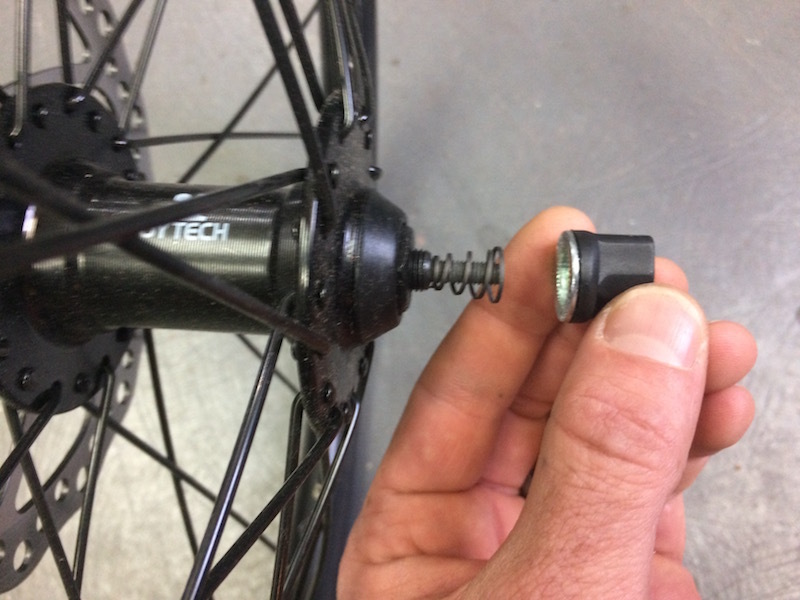
Regular maintenance of quick-release skewers is essential for ensuring their optimal performance and longevity. By adhering to specific upkeep practices, you can prevent common issues and enhance the reliability of your bike’s wheel system. Maintenance not only prolongs the lifespan of the skewer but also contributes to a safer riding experience.Conducting routine inspections is crucial to detect wear and potential failures before they escalate into serious problems.
Regular checks allow you to address minor issues and keep your quick-release skewers functioning smoothly. This proactive approach is particularly valuable for ensuring that components remain in optimal condition, especially after extensive rides or exposure to harsh conditions.
Best Practices for Skewer Maintenance
Implementing effective maintenance techniques can significantly extend the life of your quick-release skewers. Consider the following practices:
- Cleaning: Regularly clean your skewers to remove dirt, grime, and debris that can hinder their operation. Use a soft cloth with mild soap and water, ensuring that you do not use abrasive materials that could damage the finish.
- Lubrication: Apply a light lubricant to the skewer threads and the lever pivot points. This helps in maintaining smooth operation and prevents rust and corrosion. Avoid over-lubricating, as excess lubricant can attract more dirt.
- Inspection: Frequently inspect the skewers for signs of wear, such as bending or cracking. Check that the lever mechanism operates without excessive resistance and that the skewer is not stripped or damaged.
- Storage: When storing your bike, ensure that the quick-release skewers are not exposed to harsh elements. If possible, store the bike in a dry, cool place to prevent rust and deterioration.
- Replacement: Replace any worn or damaged skewers immediately. Continuing to use a compromised skewer can lead to wheel failure and safety hazards.
Inspection Techniques for Enhanced Longevity
Performing thorough inspections can substantially enhance the longevity and performance of your quick-release skewers. Focus on these key aspects during your inspections:
- Visual Checks: Look for any visible signs of damage, such as cracks, bends, or corrosion on the skewer and lever. Ensure that the quick-release mechanism smoothly engages and disengages.
- Functional Testing: Test the skewer by tightening and loosening it several times. It should operate smoothly without excessive force. If resistance is felt, it may indicate the need for cleaning or lubrication.
- Fit Check: Ensure that the skewer properly fits into the hub of the wheel. A loose fit can lead to instability during rides and should be addressed immediately.
Comparison of Maintenance Techniques for Different Skewer Types
Different types of quick-release skewers may require specific maintenance techniques. Here is a comparison of common skewer types and their maintenance needs:
- Standard Quick-Release Skewers: These require basic cleaning, lubrication, and regular inspection as Artikeld previously. They are usually made of steel or aluminum, which may require rust prevention measures.
- Thru-Axle Skewers: Maintenance is similar but often involves ensuring that the axle interface is free from dirt and contaminants. Regularly check that the axle threads are clean and lubricated to facilitate smooth operation.
- Lightweight Skewers: Generally made from lightweight materials, these skewers may require more careful handling. Ensure that cleaning agents do not damage the material, and always check for any signs of stress or strain.
When to Seek Professional Help
In some situations, the complexities of quick-release skewer issues may surpass the capabilities of basic DIY repairs. Recognizing when to seek professional assistance is crucial to ensure safety, performance, and the longevity of your bicycle components. Certain indicators suggest that a professional repair may be the best route to take.Professional services can significantly enhance the safety and function of your bicycle, particularly when it comes to critical components such as quick-release skewers.
The precision required for these repairs often necessitates specialized tools and expertise that may not be available to the average cyclist. Therefore, understanding the scenarios that warrant professional intervention is essential.
Indicators for Professional Assistance
Several specific situations indicate that it may be time to consult a professional:
- Continuous Loosening: If your quick-release skewer repeatedly fails to tighten despite adjustments, it may indicate a deeper mechanical issue requiring expert attention.
- Visible Damage: Signs of wear, cracks, or deformation in the skewer or lever mechanism are serious concerns that should not be overlooked.
- Unusual Noises: Unfamiliar sounds during cycling, such as creaking or clunking, may suggest improper fitting or damage that a professional can diagnose.
- Inability to Engage: If you find it impossible to properly engage or disengage the skewer, this could indicate a malfunction that necessitates expert evaluation.
When you seek professional assistance, you can expect a thorough inspection of your bicycle’s quick-release skewer, which encompasses checking for any mechanical failures, alignment issues, or compatibility problems with your wheel and frame. Professionals will typically use specialized tools to ensure precise adjustments and replacements are made as needed.
“Relying on professional help not only guarantees the effective resolution of issues but also enhances your biking experience by ensuring safety and performance.”
Overall, consulting with a qualified bicycle technician can provide peace of mind, knowing that your bicycle is in optimal working condition and safe for your rides.
Additional Resources
For those looking to deepen their understanding of quick-release skewers and the repairs associated with them, there are numerous valuable resources available. These materials include articles, videos, and recommendations for tools that can assist in both learning and executing repairs effectively. Exploring these resources will provide insights into best practices for maintenance, as well as visual aids for those who prefer hands-on learning.
Here is a compilation of useful links and tools to assist you in your journey of mastering quick-release skewer repairs.
Recommended Articles and Videos
A variety of articles and video tutorials exist that offer detailed instructions and visual aids for fixing quick-release skewers. These resources can be particularly beneficial for visual learners. Below are a few notable ones:
- BikeRadar: How to Repair a Quick Release Skewer
-A comprehensive guide detailing the repair process. - YouTube: Quick Release Skewer Repair Tutorial
-A video demonstrating step-by-step instructions for repairs. - Cycling Weekly: Quick Release Skewer Guide
-An informative article covering the essentials of quick-release skewers. - Park Tool: Quick Release Skewer Adjustment
-Insights into proper adjustments and usage of skewers.
Recommended Tools for DIY Repairs
Having the right tools at your disposal is crucial for performing efficient repairs on quick-release skewers. Below is a table listing recommended tools along with information on where to purchase them:
| Tool | Description | Purchase Link |
|---|---|---|
| Adjustable Wrench | Essential for tightening and loosening the skewer nuts. | Amazon |
| Torque Wrench | Helps achieve the correct tension when tightening skewers. | Home Depot |
| Grease or Lubricant | Important for maintaining smooth operation and preventing rust. | Performance Bike |
| Cleaning Brush | Used for cleaning the skewer to ensure optimal performance. | Walmart |
Last Word
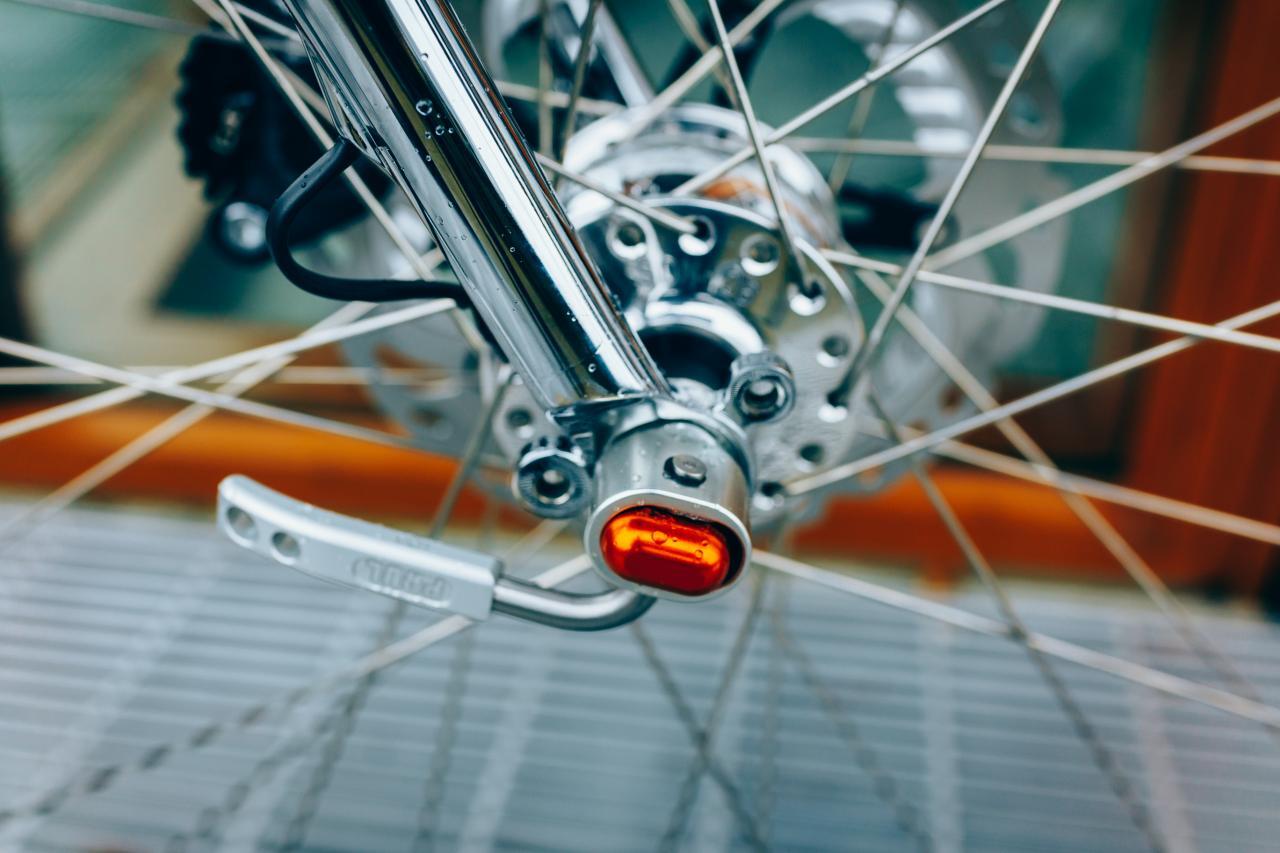
In summary, knowing how to fix a quick-release skewer that won’t tighten is not just about technical skill; it’s about enhancing your safety and reliability on the road. The insights shared in this guide equip you with practical knowledge and confidence to address common issues while maintaining your equipment. Remember, regular checks and proper maintenance can go a long way in preventing future problems, and when in doubt, do not hesitate to seek professional help to ensure everything is in top shape for your rides.