How to Fix a Skipping or Jumping Bicycle Chain is an essential skill for every cyclist, ensuring a smooth and enjoyable ride. A properly functioning bicycle chain plays a crucial role in the overall performance of your bike, directly affecting your speed and efficiency. Understanding the components of a bicycle chain and the reasons behind common issues can empower you to maintain your bike effectively.
This guide will delve into the various factors contributing to a skipping chain, how to diagnose the problem, and the steps necessary to rectify it. By familiarizing yourself with preventive maintenance and the right tools for the job, you can ensure your bicycle chain remains in optimal condition, keeping your rides safe and enjoyable.
Understanding the Bicycle Chain
The bicycle chain plays a crucial role in the overall functionality of a bike, serving as the vital link between the pedal and the rear wheel. This connection allows the rider to transfer power from their legs to the wheels, enabling movement and control. A well-functioning chain ensures optimal performance, enhancing the cycling experience and improving efficiency.The bicycle chain consists of several components that work together seamlessly to perform its function.
Typically, a chain comprises inner links, outer links, pins, and rollers. The inner links are the parts that connect with the gears, while outer links help secure the chain’s structure. The pins act as axles around which the links pivot, and rollers facilitate smooth movement over the sprockets. Together, these components engage with the bike’s gears, providing the necessary torque and speed for cycling on various terrains.
Types of Bicycle Chains
There are several types of bicycle chains available in the market, each designed for specific applications and performance requirements. Understanding the differences among these chains can help cyclists choose the right one for their needs.The primary types of bicycle chains include:
- Single-Speed Chains: These chains are designed for bikes with a single gear ratio. They are simpler in design and ideal for urban commuting and flat terrains.
- Multi-Speed Chains: These chains accommodate multiple gears, typically found on road and mountain bikes. They are engineered to work with derailleurs that shift the chain between sprockets.
- Hyperglide Chains: These feature a special design that allows for smoother shifting when used with compatible gears. They are common on modern multi-speed bikes.
- Track Chains: Engineered for fixed-gear bicycles, these are robust and lack the extra components found in multi-speed chains, making them lighter and more efficient.
When selecting a chain, cyclists should consider factors such as compatibility with their bike’s gear system, the type of riding they plan to do, and the chain’s durability. For instance, a track chain is ideal for competitive racing on velodromes, while a multi-speed chain is suitable for varied terrain cycling.
“Choosing the right bicycle chain can significantly influence your bike’s performance and longevity.”
Common Causes of a Skipping or Jumping Bicycle Chain
A skipping or jumping bicycle chain can significantly affect your riding experience, leading to frustration and potential safety hazards. Understanding the common causes behind this issue is essential for every cyclist, as it not only helps in troubleshooting but also enhances overall bicycle performance and longevity. The following points explore the key factors contributing to this problem.
Chain Wear and Tear Effects on Performance
Chain wear and tear is a prevalent cause of a skipping chain, primarily influenced by factors such as mileage, maintenance frequency, and riding conditions. Over time, chains stretch and develop stiff links, which can lead to misalignment with the sprockets. This misalignment results in engagement problems, causing the chain to slip or jump during pedaling. The impact of a worn chain on bicycle performance can be profound.
A stretched chain can lead to inefficient power transfer from the pedals to the wheels, resulting in decreased speed and increased effort required to maintain momentum. Additionally, a worn chain can cause premature wear on other drivetrain components like the cassette and derailleur, leading to higher replacement costs.
Regularly inspecting and replacing a worn chain can prevent further damage to the bike’s drivetrain, ensuring smoother rides and cost-effective maintenance.
Improper Gear Shifting Contribution to Chain Issues
Improper gear shifting is another factor that can lead to a skipping chain. Shifting under load, or while applying direct pedal force, can create excessive tension on the chain and derailleur, leading to potential misalignment during the engagement with the gears. This practice not only strains the chain but can also result in bent derailleur hangers or misadjusted limit screws.Adopting proper shifting techniques is crucial for maintaining chain integrity.
Riders are encouraged to ease off the pedal pressure when shifting gears, allowing for smoother transitions. This practice minimizes stress on the chain and facilitates better alignment with the gearing system.
Shifting gears smoothly can prolong the life of the chain and enhance overall riding efficiency.
The combination of chain wear and improper shifting practices can lead to a vicious cycle of mechanical problems, reinforcing the importance of regular maintenance and proper riding techniques to ensure a reliable and enjoyable cycling experience.
Diagnosing the Problem
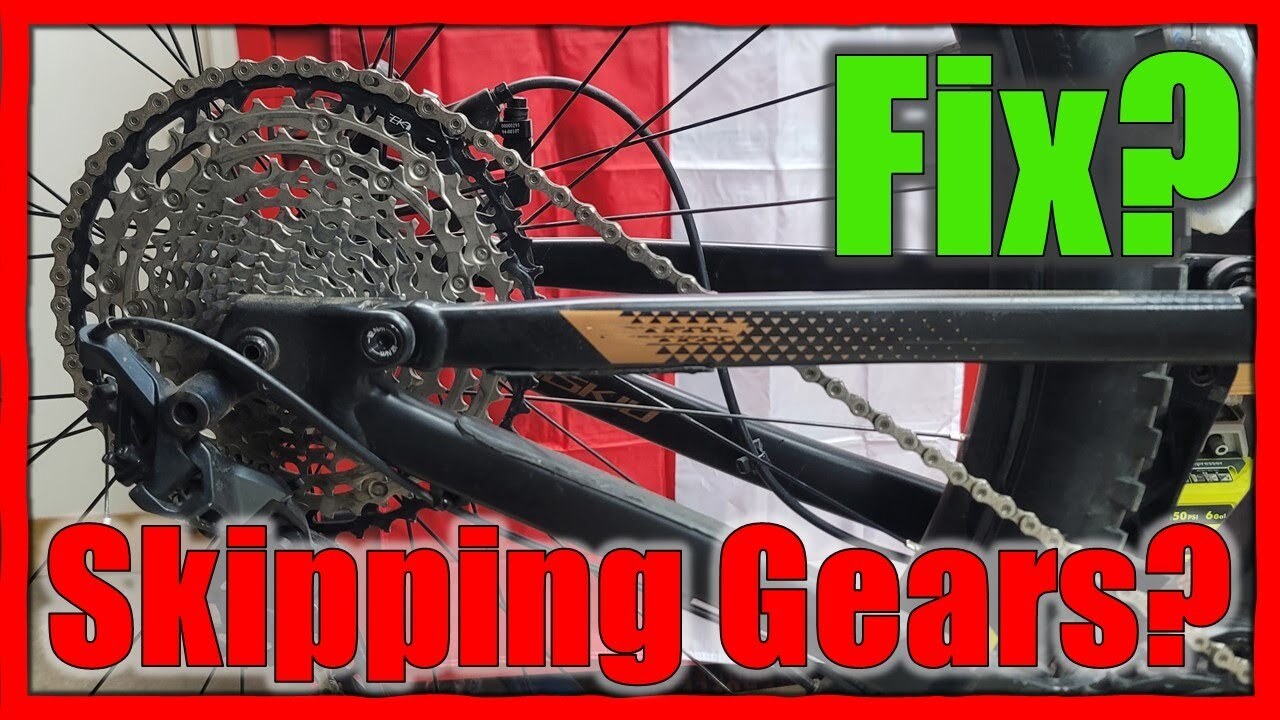
Diagnosing a skipping or jumping bicycle chain requires careful observation and a systematic approach to identify the underlying issues. By thoroughly assessing various components of the bicycle’s drivetrain, you can pinpoint the specific cause of the problem and take appropriate corrective action.A comprehensive checklist and inspection guide can help streamline the diagnosis process. Understanding the signs of a skipping chain and knowing how to inspect critical components are essential steps in resolving the issue effectively.
Checklist for Identifying Signs of a Skipping Chain
Recognizing the signs that indicate a skipping chain is vital for early intervention and prevention of further damage. The following checklist Artikels key symptoms to look for:
- Chain skips or jumps during pedaling, especially under load.
- Unusual noise or clattering sound while cycling.
- Chain feels loose or fluctuates while moving.
- Gears fail to engage smoothly when shifting.
- Visible wear or damage on chain links or teeth of the cassette.
- Chain does not stay in position on the sprockets during riding.
Step-by-Step Guide for Inspecting the Chain and Drivetrain Components
Conducting a thorough inspection of the chain and drivetrain components is crucial for diagnosing the issue. Follow these steps for a complete assessment:
1. Visual Inspection
Examine the chain for visible wear, elongation, or any broken links. Ensure that the chain is properly lubricated.
2. Check Chain Tension
Measure the chain’s tension by pulling it; it should not sag excessively. A loose chain can lead to skipping.
3. Inspect the Derailleur
Ensure the derailleur is aligned correctly. Look for any signs of damage or bending, as these can affect shifting performance.
4. Assess the Cassette
Check the teeth on the cassette for wear. Worn teeth can cause the chain to skip. A visual inspection should reveal if the teeth are shark-toothed or damaged.
5. Test Shifting
Shift through all gears while stationary and while riding to identify any skipping or hesitations in gear engagement.
Determining the Source of the Issue: Chain, Derailleur, or Cassette
To effectively address the problem, it is important to determine whether the skipping chain is related to the chain itself, the derailleur, or the cassette. Here are methods to help identify the source:
Chain Examination
Inspect for wear using a chain checker tool. A chain that has stretched beyond its limit may need replacing.
Derailleur Check
Adjust the derailleur limit screws and ensure it is properly aligned. Misalignment can cause the chain to skip across gears.
Cassette Analysis
Rotate the cassette by hand. If the chain skips only in certain gears, it is likely that the cassette is worn or damaged.By following this structured approach to diagnosing the problem, you can effectively identify the root cause of a skipping or jumping bicycle chain and take the necessary steps to restore your bicycle’s performance.
Fixing a Skipping or Jumping Chain
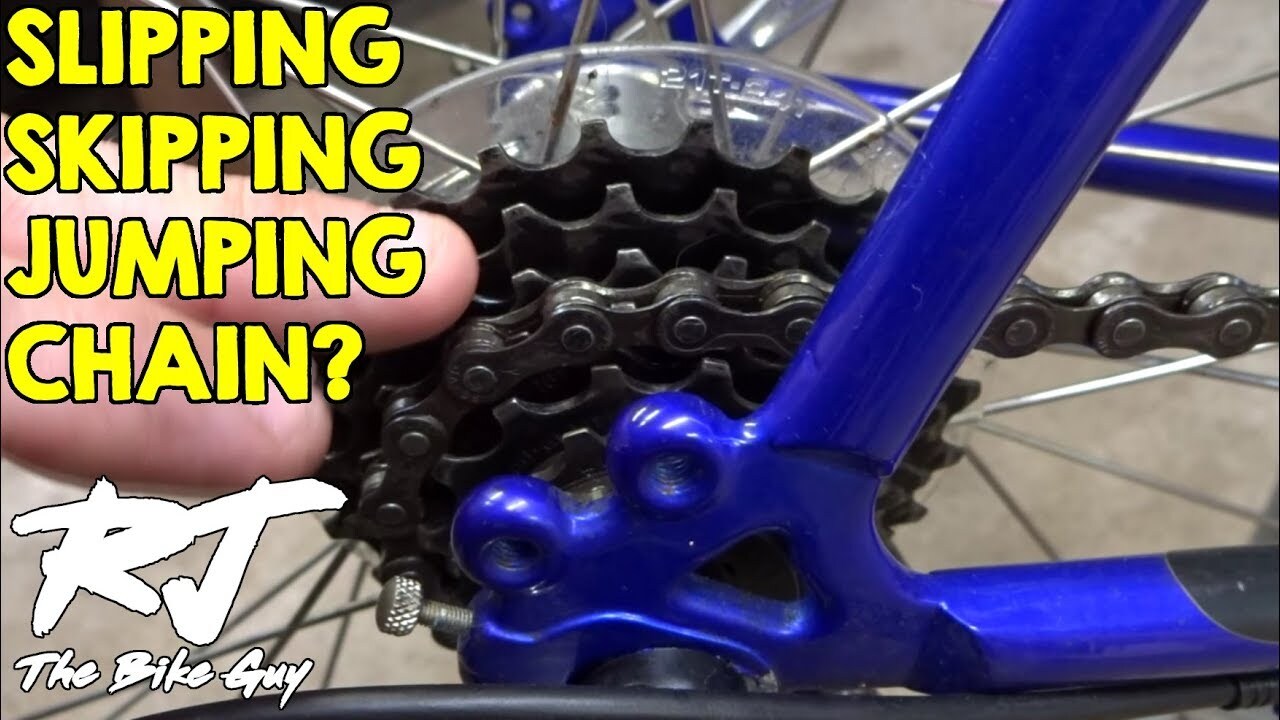
A skipping or jumping bicycle chain can disrupt your ride, making it uncomfortable and potentially dangerous. Addressing this issue requires thorough adjustments and maintenance of the bicycle’s components, particularly the rear derailleur, chain, and cassette. By following some systematic procedures, you can effectively resolve the problem, ensuring a smooth and enjoyable cycling experience.
Adjusting the Rear Derailleur
Proper adjustment of the rear derailleur is crucial for preventing chain skipping. If the derailleur is misaligned, it may not shift the chain onto the gears correctly. Here are the steps to adjust it:
1. Identify the Limit Screws
Locate the limit screws on the derailleur, typically marked as ‘H’ for high and ‘L’ for low. These screws control the derailleur’s movement.
2. Set the Chain in the Smallest Gear
Shift the chain to the smallest rear cog and ensure that it rests on the derailleur’s jockey wheel without excessive tension.
3. Adjust the High Limit Screw
Turn the ‘H’ screw clockwise to limit the derailleur’s movement inward until the chain aligns perfectly with the smallest cog. This adjustment prevents the chain from falling off the cog.
4. Test Shifting into Larger Gears
Shift through the gears to larger cogs, observing the chain’s movement to determine if it skips. If it does, further adjustments on the low limit screw (‘L’) may be required.
5. Fine-Tuning
Use the barrel adjuster located on the derailleur or shifter to make micro-adjustments, fine-tuning the cable tension for smoother shifting.
Cleaning and Lubricating the Chain
Regular chain cleaning and lubrication are essential for maintaining optimal performance and longevity. A clean and well-lubricated chain reduces friction, improving gear shifting and overall efficiency. Here’s how to do it effectively:
1. Gather Supplies
You will need a chain cleaner, degreaser, a brush with stiff bristles, a cloth, and bicycle-specific lubricant.
2. Clean the Chain
Apply the chain cleaner or degreaser and scrub the chain thoroughly with the brush, ensuring that all dirt and grime are removed. A clean chain enhances the smoothness of the gears.
3. Rinse and Dry
Rinse the chain with water to remove any residue from the cleaner. Wipe it down with a cloth to dry completely.
4. Lubricate
Apply a few drops of lubricant to each link while rotating the pedals backward. Ensure not to over-lubricate, as excess lubricant can attract dirt.
5. Wipe Off Excess
After allowing the lubricant to penetrate for a few minutes, wipe off any excess to prevent grime buildup.
Replacing a Worn-Out Chain or Cassette
When a chain or cassette is worn out, replacement becomes necessary to restore proper functionality. Signs include skipping, poor shifting, or a visibly stretched chain. Here is a systematic approach to replacing these components:
1. Identify Wear
Use a chain checker tool to measure chain stretch. If the measurement exceeds the manufacturer’s specification, replacement is needed.
2. Remove the Old Chain
Use a chain tool to break the chain and detach it from the derailleur and cassette.
3. Remove the Cassette
Utilize a cassette lockring tool to remove the lockring, then slide off the worn cassette.
4. Install the New Cassette
Place the new cassette onto the freehub, ensuring it is seated correctly. Reinstall the lockring and tighten it to the manufacturer’s specifications.
5. Install the New Chain
Thread the new chain through the derailleur and around the cassette, ensuring that it is routed correctly. Use a chain tool to connect the ends.
6. Test Ride
After replacing, perform a test ride to ensure smooth operation and check for any further adjustments needed.
Regular maintenance and timely replacements of components ensure a longer lifespan for your bicycle and a smoother ride.
Preventive Maintenance Tips
Regular maintenance of your bicycle chain is crucial for optimal performance and longevity. By adhering to a structured maintenance routine, you can prevent common issues such as chain skipping or jumping, ensuring a smoother and safer ride. Implementing these practices not only enhances the functionality of your bicycle but also prolongs the life of its components.To maintain the bicycle chain effectively, consider incorporating the following maintenance practices into your routine.
These will help keep the chain clean, lubricated, and properly aligned, thereby minimizing the chances of skipping.
Regular Maintenance Practices
It is essential to establish a regular maintenance schedule that encompasses cleaning, lubrication, and inspections. The following practices should be integrated into your routine:
- Chain Cleaning: Clean the chain every 100 to 200 miles, or more frequently in wet or muddy conditions. Use a degreaser and a brush to remove dirt and grime effectively.
- Lubrication: After cleaning, apply a suitable bicycle chain lubricant. It is recommended to lubricate the chain every 100 miles, or sooner if you notice it becoming dry or noisy.
- Inspection: Regularly inspect the chain for signs of wear, such as stretching or damaged links. A chain checker tool can assist in determining wear; replace the chain if it shows signs of significant elongation.
- Gear Adjustment: Periodically check the gear settings and derailleur alignment to ensure smooth shifting and prevent chain skipping.
Maintenance Schedule
Creating a maintenance schedule is a beneficial strategy to keep track of your bicycle chain’s upkeep. A simple timeline can significantly enhance your chain’s performance. Below is a suggested schedule:
| Frequency | Task |
|---|---|
| Daily | Quick visual inspection for dirt or damage. |
| Every 100 miles | Clean and lubricate the chain. |
| Monthly | Detailed inspection of chain links and derailleur adjustments. |
| Every 500 miles | Full drivetrain inspection and replacement of worn components. |
Proper Gear Shifting Techniques
Understanding and practicing proper gear shifting techniques is vital to preventing chain skipping. The technique not only involves using the shifters correctly but also knowing the optimal timing for gear changes. Here are some best practices to follow:
- Shift Under Load: Avoid shifting gears while under heavy pedaling load, as this can strain the chain and derailleur, leading to skipping.
- Anticipate Shifts: Shift gears before approaching inclines or changes in terrain to allow for smoother transitions.
- Use Correct Gear Combinations: Familiarize yourself with the appropriate gear combinations to minimize cross-chaining, which can wear out the chain prematurely.
- Practice Smooth Shifting: Engage the shifter gently and progressively to allow for a smooth transition between gears without sudden jerks.
Tools and Equipment Needed
When it comes to maintaining and repairing a bicycle chain, having the right tools and equipment is essential. This ensures the process is efficient and effective, allowing you to address any issues promptly and keep your bike in optimal condition. Below is a detailed Artikel of the necessary tools, along with specific products recommended for chain cleaning and lubrication.
Required Tools for Chain Repair and Maintenance
A variety of tools are required to effectively diagnose and repair a skipping or jumping bicycle chain. Each tool serves a distinct purpose, making it easier to address specific problems and perform routine maintenance. Below is a list of essential tools needed for bicycle chain repair:
- Chain Breaker Tool: This tool is used to remove and install chain links, allowing for quick repairs.
- Chain Checker Tool: A specialized gauge that measures chain wear, indicating when a chain needs replacement.
- Lubricant: Essential for reducing friction and preventing rust, ensuring smooth operation of the chain.
- Chain Cleaner: A product designed to clean the chain effectively, removing dirt and grime that cause skipping.
- Brushes: Stiff and soft brushes are used for scrubbing the chain and other drivetrain components.
- Rags: For wiping down the chain and removing excess lubricant or cleaning solution.
- Adjustable Wrench or Pliers: Useful for tightening or loosening various components on the bike.
Recommended Products for Chain Cleaning and Lubrication
Selecting high-quality products for cleaning and lubricating your bicycle chain can greatly improve the longevity and performance of your chain. Below is a table of recommended products that are effective for both cleaning and lubrication:
| Product Type | Recommended Product | Purpose |
|---|---|---|
| Chain Cleaner | Park Tool CB-4 Bio ChainBrite | Environmentally friendly cleaner that effectively removes dirt and grime. |
| Chain Lubricant | Finish Line Teflon Plus Dry Lubricant | Provides a clean, long-lasting lubricant that repels dirt and grime. |
| Degreaser | White Lightning Clean Ride | Removes built-up grease and dirt while leaving a protective film. |
Effective Use of Tools During Repair
Utilizing each tool effectively can streamline the repair process and ensure thorough maintenance of your bicycle chain. Here are some tips on how to use the essential tools properly:
Chain Breaker Tool: Properly align the chain in the tool’s jaws and gently turn the handle to push the pin out, ensuring you do not apply excessive force that could damage the chain.
Chain Checker Tool: Insert the tool into the chain and observe the reading. If the tool indicates that the chain is worn beyond 0.5% for 11-speed or 0.75% for 10-speed chains, consider replacing it.
Brushes: Use stiff brushes for scrubbing the chain and derailleurs, and soft brushes for delicate components. Ensure to follow up with a clean rag to remove any residue.
Lubricant Application: Apply lubricant sparingly to the inside of the chain while rotating the pedals backwards. Wipe away any excess to prevent attracting dirt.
By having these tools and products on hand, as well as knowing how to use them effectively, you can ensure that your bicycle chain remains in excellent condition, reducing the likelihood of skipping or jumping during your rides.
Additional Resources
The maintenance of a bicycle chain can often require more than just basic knowledge and tools. Accessing additional resources can enhance understanding and provide valuable support. Below are various tools, videos, articles, and communities that can assist cyclists in maintaining their chains effectively.
Video Tutorials and Articles
Engaging with visual and written resources can greatly enhance one’s ability to troubleshoot and maintain a bicycle chain. The following links offer insightful guidance on chain maintenance:
- Bicycle Chain Maintenance: A Comprehensive Guide
-A detailed video tutorial demonstrating proper techniques for maintaining and repairing bicycle chains. - How to Maintain Your Bike Chain – BikeRadar
-An informative article covering essential maintenance tips and techniques. - Indispensable Guide to Bike Chain Maintenance – Cycling Weekly
-A complete overview of chain care and troubleshooting. - Chain Maintenance – Park Tool
-A trusted resource providing in-depth information on chain servicing and maintenance practices.
Cycling Forums and Communities
Connecting with fellow cyclists can be an invaluable way to gain advice and share experiences regarding chain issues. Below is a list of forums and online communities where enthusiasts can seek assistance:
- Bike Forums
-A large community with various sections dedicated to bicycle maintenance, including chain-related discussions. - r/bicycling on Reddit
-An active subreddit where cyclists share tips, ask questions, and offer advice about all aspects of cycling. - Cycling News Forum
-A forum that includes discussions on bike repairs and maintenance, where users can seek specific advice on chain issues. - MTBR Maintenance and Repair
-A space dedicated to maintenance and repair inquiries, focusing on mountain biking but applicable to all types.
Importance of Professional Servicing
While many chain issues can be addressed with basic tools and knowledge, certain complexities may necessitate professional assistance. Professional servicing provides several advantages, ensuring safety and optimal performance.
“Professional bike mechanics possess specialized tools and extensive training, allowing them to diagnose and fix intricate chain issues that may be difficult for the average cyclist to resolve.”
Complex chain issues, such as persistent skipping despite adjustments or signs of severe wear, should be evaluated by a professional. They can provide a thorough inspection, identify underlying problems, and recommend solutions that may involve more than just replacing the chain. Regular professional servicing can prevent future issues, ensuring a smoother and safer riding experience.
Summary

In conclusion, mastering how to fix a skipping or jumping bicycle chain not only enhances your riding experience but also prolongs the life of your bike. By adopting regular maintenance practices and understanding the mechanics behind the chain’s function, you can prevent issues before they arise. Whether you choose to tackle these repairs yourself or seek professional help, being knowledgeable about your bicycle’s chain can make all the difference in your cycling adventures.