How to Fix a Squeaky Saddle or Seatpost is a common concern for cyclists seeking a smooth and enjoyable ride. Squeaky sounds can not only be annoying but also indicate underlying issues that may affect the performance of your bicycle. Understanding the causes of these noises and knowing how to address them is essential for maintaining both comfort and safety while cycling.
In this guide, we will explore the various reasons behind squeaky saddles and seatposts, the tools and materials needed for repairs, and a comprehensive step-by-step procedure to effectively eliminate these unwelcome sounds. Additionally, we will cover preventive maintenance tips and troubleshooting techniques to ensure your bike remains in optimal condition.
Understanding the Cause of Squeaky Sounds
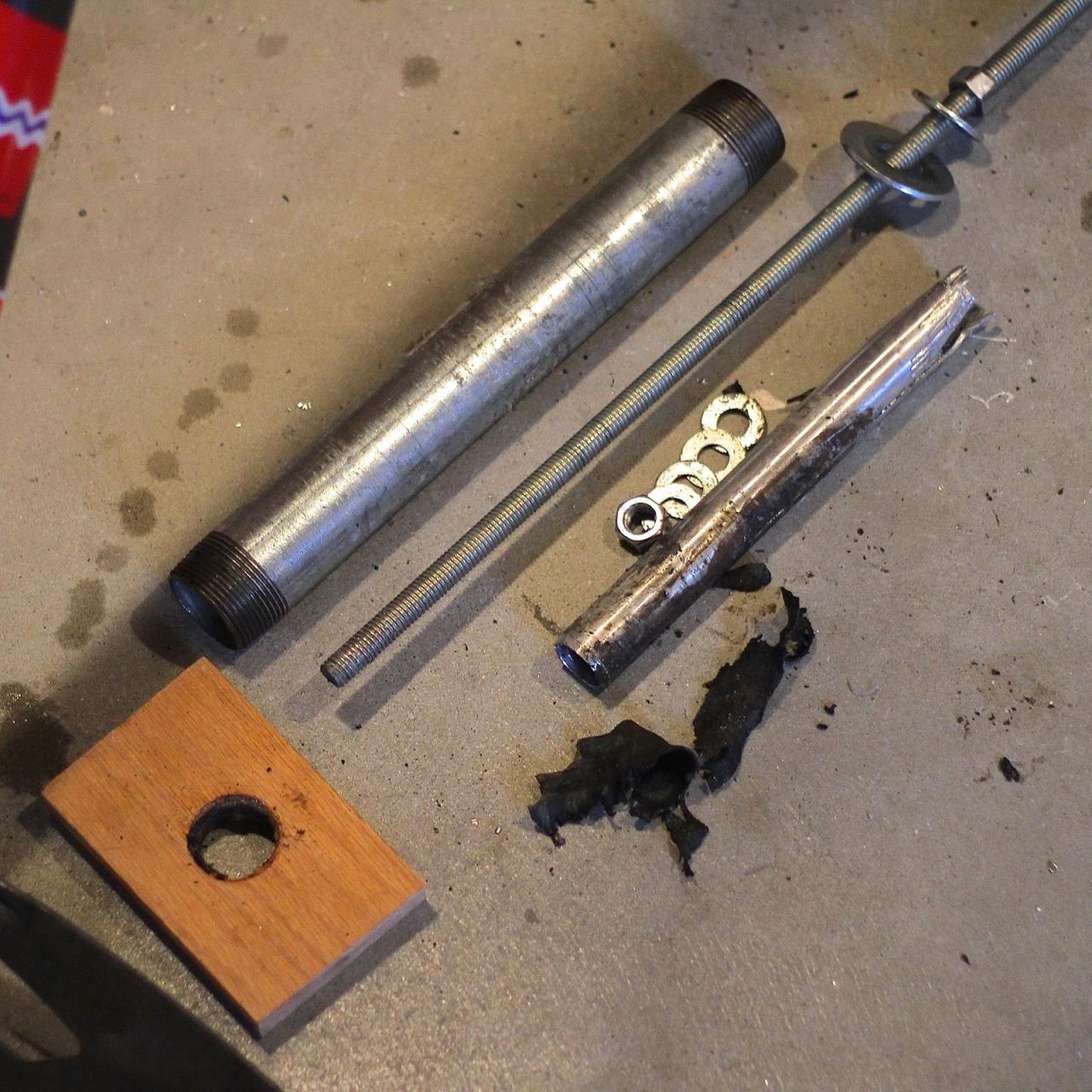
A squeaky saddle or seatpost can be an annoyance for cyclists, often signaling underlying issues that need to be addressed. Recognizing the root causes of these sounds is essential for ensuring a smooth and enjoyable ride. Various factors contribute to the squeaking noise, including material interactions, lack of proper lubrication, and other mechanical issues.The primary reasons for a squeaky saddle or seatpost can be attributed to friction between components, inadequate maintenance, and the materials used in construction.
When different materials come into contact, they can create friction, leading to noise. Additionally, dirt and debris accumulation can exacerbate the problem, as they disrupt the smooth movement of parts. Lubrication plays a crucial role in minimizing this friction and, consequently, reducing noise levels.
Common Causes of Squeaking
Understanding the common causes of squeaking can aid in effectively addressing the issue. Below are some key factors that contribute to the problem:
- Friction Between Parts: Squeaks often originate from parts that are in close contact, such as the saddle rails and the seatpost clamp. When these parts rub against each other without sufficient lubrication, they can produce noise.
- Lack of Lubrication: Proper lubrication is essential for preventing squeaks. When moving parts are dry, the friction increases, leading to audible sounds during cycling. Regularly applying lubricant can significantly reduce these noises.
- Material Composition: Different materials can influence the likelihood of squeaking. For instance, metal components may create noise when in contact with plastic or rubber parts due to the differences in their friction coefficients.
- Dirt and Debris: Accumulated dirt, grit, and grime can interfere with the fitting of saddle and seatpost components, leading to squeaking. Regular cleaning is necessary to maintain optimal performance.
- Worn Components: Over time, wear and tear can lead to play in the saddle or seatpost, causing them to move slightly during rides and create noise. Inspecting components for wear is essential to ensure longevity.
“Regular maintenance, including cleaning and lubrication, is key to preventing squeaky sounds from your saddle and seatpost.”
The importance of proper lubrication cannot be overstated, as it not only reduces noise but also prolongs the life of the components. Lubricants can fill in microscopic gaps, reducing friction and creating a smoother interface between moving parts. Therefore, ensuring that your saddle and seatpost are adequately lubricated is crucial for an optimal cycling experience.Furthermore, the materials used in the construction of the saddle and seatpost can greatly influence their susceptibility to squeaking.
For example, a saddle made with a metal rail and a plastic seat may produce more noise than one with a fully integrated design. Understanding these interactions can help in selecting components that minimize the chances of squeaking.By pinpointing the causes of a squeaky saddle or seatpost and implementing appropriate preventive measures, cyclists can enjoy a quieter and more comfortable ride.
Tools and Materials Needed for Repairs
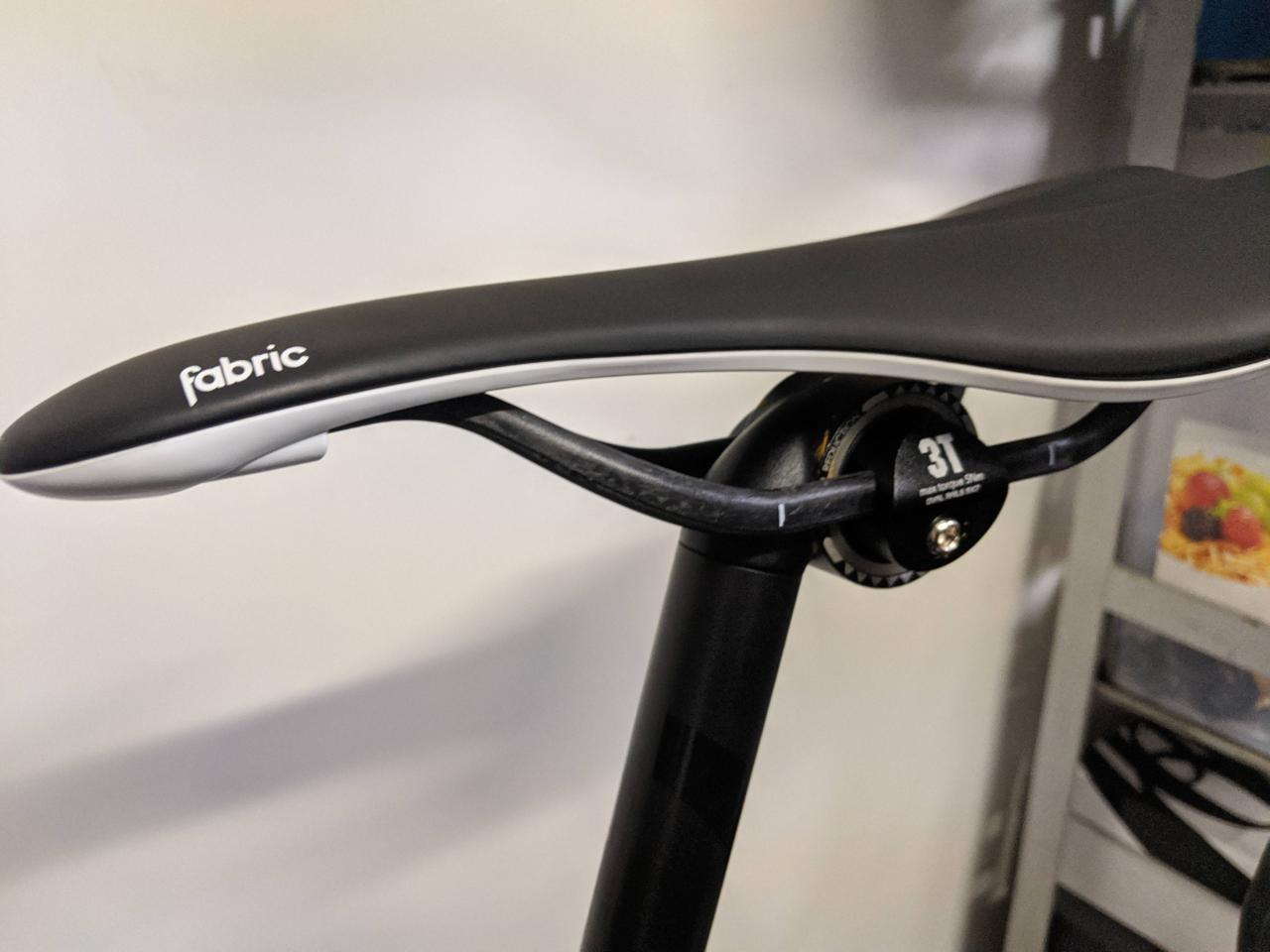
To effectively repair a squeaky saddle or seatpost, it’s essential to have the right tools and materials on hand. Being prepared not only simplifies the repair process but also ensures that the job is done correctly and efficiently. Below, we Artikel the necessary tools and materials for addressing squeaky sounds associated with bike saddles and seatposts.
Essential Tools for Repairs
Having the appropriate tools can significantly ease the troubleshooting and fixing of a squeaky saddle or seatpost. The following tools are essential for the repair process:
- Adjustable Wrench: Useful for loosening and tightening bolts and nuts on the saddle and seatpost.
- Hex Key Set: Often required for adjusting saddle height and tilt, as many saddles use hex screws.
- Screwdrivers: Both flathead and Phillips head screwdrivers are necessary for various screw types.
- Torque Wrench: Ensures that bolts are tightened to the manufacturer’s specifications, preventing over-tightening.
- Cleaning Cloth: Important for removing dirt and grime from the saddle and seatpost areas before applying lubricants.
- Bike Stand: Provides stability while performing repairs and adjustments, making the work easier.
Types of Lubricants for Repairs
Lubrication plays a crucial role in eliminating squeaks and ensuring smooth operation. Various types of lubricants can be used effectively for this purpose:
- Silicone Spray: A versatile lubricant that repels moisture and prevents rust, ideal for metal and plastic components.
- Grease: Heavy-duty bicycle grease is effective for areas that require long-lasting lubrication, such as between the saddle rails and seatpost.
- Chain Lubricant: While primarily designed for chains, some formulations can be used on saddle adjustments and seatpost components.
- Graphite Powder: A dry lubricant that prevents squeaks and is particularly useful for areas exposed to dirt and grime.
Additional Materials That May Assist in the Repair Process
Beyond tools and lubricants, certain additional materials may enhance the repair process and improve outcomes:
- Cleaning Solutions: Specialized bike cleaners can help remove stubborn dirt and grime that may contribute to squeaky noises.
- Rags or Shop Towels: These are essential for cleaning surfaces before and after applying lubricants.
- Loctite Thread Locker: A product that can help secure bolts and prevent them from loosening due to vibrations.
- Electrical Tape: In cases where minor adjustments are needed, tape can help secure components temporarily.
- Replacement Parts: Having spare bolts or saddle rails on hand can facilitate quicker repairs if any components are worn or damaged.
Step-by-Step Repair Procedure
When dealing with a squeaky saddle or seatpost, the effectiveness of the repair largely depends on the meticulous execution of the procedure. This section delineates the sequential steps necessary to remove the saddle and seatpost, apply lubricant, and reassemble the components post-maintenance. Adhering to these guidelines will ensure a smooth and squeak-free riding experience.
Removal of Saddle and Seatpost
To initiate the repair process, it is essential to carefully detach the saddle and seatpost from the bicycle frame. This step is crucial as it provides access for cleaning and lubrication. The following steps Artikel the procedure for removal:
1. Gather Tools
Ensure that you have the necessary tools at hand, including an Allen wrench or a screwdriver, depending on your saddle and seatpost attachment mechanism.
2. Loosen the Saddle Clamp
Locate the clamp that secures the saddle to the seatpost. Using the appropriate tool, gently loosen the screws or bolts until the saddle can be moved or removed.
3. Remove the Saddle
Once the clamp is loose, carefully slide the saddle off the seatpost. Take note of the saddle’s orientation as you will need to reattach it in the same position.
4. Adjust the Seatpost
If the seatpost is also squeaking, loosen the seatpost clamp, typically found at the top of the seat tube. After loosening, gently pull the seatpost out of the frame.
Applying Lubricant Effectively
Lubrication is a vital aspect of the repair process that alleviates friction and, consequently, squeaking noises. The following steps guide you through lubricating the saddle and seatpost:
1. Choose the Right Lubricant
Select a high-quality bicycle-specific lubricant. Options include silicone-based or Teflon-based lubricants known for their longevity and effectiveness in preventing squeaks.
2. Clean the Components
Before applying lubricant, ensure that both the saddle rails and the seatpost are clean. Use a cloth to wipe away any dirt or debris.
3. Apply Lubricant
For the saddle rails, apply a small amount of lubricant directly onto the rail, ensuring coverage but avoiding excess that may drip.
For the seatpost, apply lubricant along its length, focusing on the area that makes contact with the seat tube.
4. Spread the Lubricant
Use your fingers or a clean cloth to evenly distribute the lubricant across the surfaces that will be in contact with each other.
Reassembling the Saddle and Seatpost
After the lubrication process is complete, reassembly is straightforward. The following steps Artikel the reassembly procedure:
1. Insert the Seatpost
Carefully place the seatpost back into the seat tube of the bicycle frame, ensuring it is at the correct height as noted during removal.
2. Tighten the Seatpost Clamp
Secure the seatpost by tightening the clamp. Be cautious not to over-tighten, as this can damage the seatpost or frame.
3. Reattach the Saddle
Position the saddle back onto the seatpost rail. Ensure it is aligned correctly according to your previous notes.
4. Secure the Saddle Clamp
Tighten the saddle clamp screws or bolts firmly, ensuring the saddle is stable and will not shift during use.
5. Final Check
Once reassembled, check that all components are secure and the saddle height is comfortable for riding. By following these step-by-step procedures, you can effectively eliminate squeaky sounds from your saddle and seatpost, enhancing your riding experience.
Preventive Maintenance Tips
Regular maintenance of your bicycle’s saddle and seatpost is crucial in ensuring a smooth and noise-free riding experience. By implementing a routine maintenance schedule, you can effectively prevent squeaks and extend the lifespan of these components. Additionally, being proactive in your approach can save you time and money on repairs and replacements in the long run.Conducting routine inspections and adjustments is important for identifying potential issues before they escalate.
Regular checks can help you detect wear and tear, and ensure that all components are securely fastened and functioning correctly. By establishing a maintenance routine, you can enjoy a more comfortable and quiet ride.
Routine Maintenance Checklist
To facilitate effective maintenance, it is beneficial to follow a comprehensive checklist of tasks. This checklist serves as a guide to ensure you do not overlook any critical steps in maintaining your saddle and seatpost.
- Inspect the saddle and seatpost for physical damage, such as cracks or bends.
- Check the tightness of the saddle clamp and seatpost collar to ensure they are secure.
- Clean the saddle and seatpost regularly with a soft cloth to remove dirt and grime.
- Apply a thin layer of grease or anti-seize compound on the seatpost before installation to prevent seizing.
- Examine the saddle rails for any signs of wear or fatigue.
- Verify the saddle height and tilt for optimal comfort and performance.
- Inspect the bolts and screws for rust and replace them if necessary.
By adhering to this checklist, you can minimize the likelihood of encountering squeaks and ensure that your bicycle remains in top condition. Establishing a routine that includes these tasks will contribute to a more enjoyable cycling experience.
“Regular maintenance is the key to a long-lasting and comfortable riding experience.”
Troubleshooting Persistent Squeaks
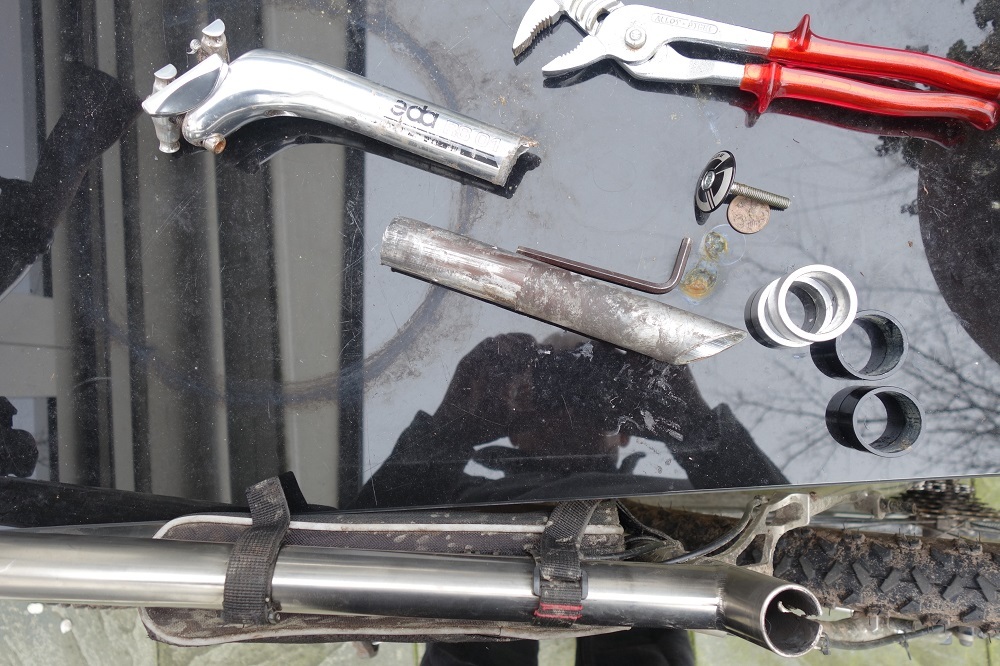
Persistent squeaks from your saddle or seatpost can be frustrating, especially after attempting standard lubrication methods. Identifying the exact source of these noises is crucial for effective resolution. This section will guide you through a systematic approach to troubleshoot these issues and make necessary adjustments to eliminate the unwanted sounds.
Identifying Sources of Persistent Squeaking
Understanding where the squeak is emanating from is the first step in troubleshooting. Various components can contribute to these sounds, and a thorough inspection is essential. The following are common sources and methods for pinpointing the issue:
- Check the saddle rails: Inspect for any cracks or signs of wear that may cause a squeak when weight is applied.
- Examine the seatpost clamp: Ensure it is tightened properly, as loose clamps can lead to creaking noises during riding.
- Inspect the saddle’s mounting hardware: Look for loose bolts or damaged components securing the saddle to the seatpost.
- Assess the seatpost itself: Check for any internal wear or damage that could lead to movement during rides.
- Investigate frame contact points: Ensure that the seatpost does not have any contact with the frame that could cause friction and noise.
Adjusting Saddle Height and Angle
Sometimes the angle or height of the saddle can contribute to persistent squeaks. Adjusting these elements not only enhances comfort but may also eliminate noise. When making adjustments, consider the following:
- Height Adjustment: A saddle that is too high or too low can cause unnecessary movement, leading to squeaks. Aim for a height that allows for a slight bend in the knee at the lowest pedal position.
- Angle Adjustment: The saddle should be level or slightly angled downwards. An upward tilt can create pressure points, resulting in noise when weight is applied. Use a spirit level tool to ensure accuracy when adjusting.
Alternative Fixes for Stubborn Squeaks
In instances where lubrication fails to resolve the squeak, alternative methods may be necessary. These approaches focus on reinforcing connections and addressing mechanical issues directly. Consider the following strategies:
- Apply threadlocker: For bolts that seem to loosen frequently, a thread-locking adhesive can prevent them from coming loose and thereby eliminate squeaks.
- Replace worn components: If specific parts, such as saddle rails or the seatpost, show signs of wear, replacing them may be the only way to silence persistent noises effectively.
- Use rubber washers: Adding rubber washers between the saddle and seatpost can serve as a buffer, reducing movement and noise.
- Check for frame issues: Inspect the frame for any cracks or damage that might be causing noise when the saddle is under load. Repairing any such issues can lead to a permanent fix.
Safety Considerations During Repairs
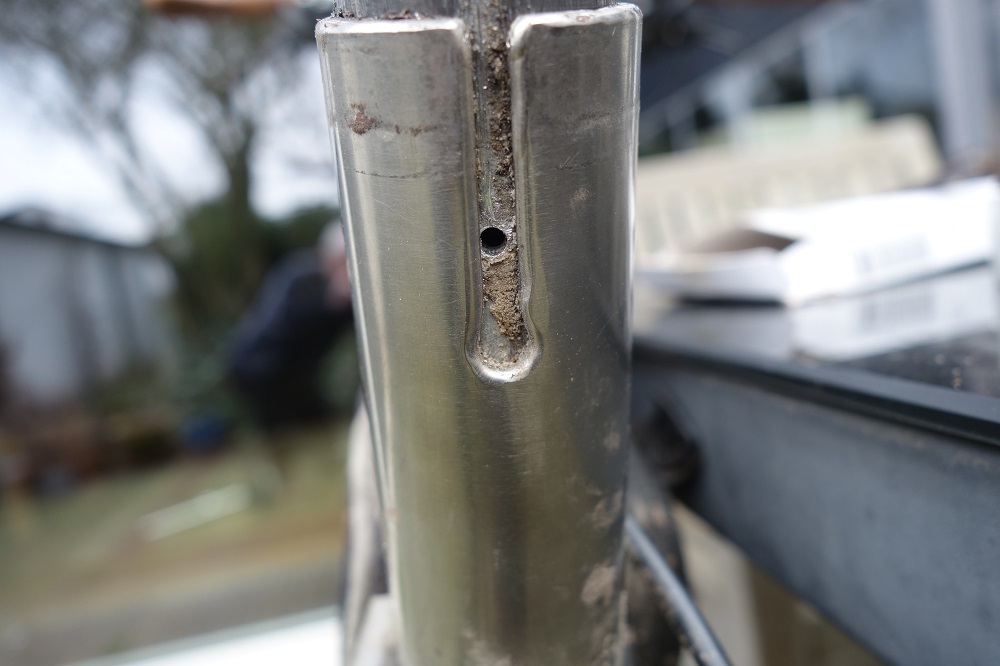
When undertaking repairs on your bicycle, it is imperative to prioritize safety to ensure a smooth and incident-free experience. Working on bicycles may involve certain risks, particularly with the use of tools and the potential for injury. By adhering to safety protocols, you not only protect yourself but also promote a safer environment for those around you.Ensuring the security of all components after making repairs is essential to maintain the overall functionality and safety of the bicycle.
Loose or improperly secured parts can lead to accidents or further damage. Therefore, it is important to develop a thorough checklist of safety measures and practices during any maintenance work.
Safety Measures and Best Practices
Implementing proper safety measures is crucial when working on your bicycle. Below are important safety considerations to keep in mind during repairs:
- Wear appropriate personal protective equipment (PPE), such as gloves and safety goggles, to protect your hands and eyes from debris and sharp objects.
- Ensure the bicycle is secured in a stable position, ideally in a bike stand, to prevent it from falling while you work.
- Use tools that are in good condition and suited for the task at hand, as damaged tools can result in accidents or further damage to components.
- Keep your work area organized and free from clutter to avoid tripping hazards and to make tools and parts easily accessible.
- Have a first aid kit readily available in case of minor injuries.
After completing repairs, it is critical to double-check that all components are securely fastened. This ensures the bicycle operates safely and efficiently. Missing this step can lead to serious malfunctions, which may put the rider at risk.
Common Mistakes to Avoid
To prevent damage during maintenance, it is important to avoid certain common pitfalls. Recognizing what to steer clear of can lead to a more successful repair experience.
- Avoid over-tightening screws and bolts, as this can strip threads or break components.
- Do not use the wrong tools for the task, as this can lead to injury or damage.
- Refrain from skipping any steps in the repair process, as each step is designed to ensure the safety and functionality of the bicycle.
- Do not ignore worn-out parts; replacing them is essential for safety and performance.
- Never work on your bicycle in an environment that is not well-lit, as poor visibility can lead to mistakes.
“Taking the time to ensure safety during bicycle repairs can prevent injuries and enhance the longevity of the bike.”
Seeking Professional Help
When dealing with persistent squeaks from a saddle or seatpost that seem resistant to DIY fixes, it may be time to consider seeking professional assistance. Not all repairs can be effectively managed at home, especially if the cause of the issue is more complex than a simple fix. Consulting with a seasoned bike mechanic can provide the expertise required to address the problem comprehensively.Professional bike mechanics possess specialized knowledge and experience that can be invaluable for resolving intricate issues.
Here are some considerations for determining when to consult a professional and how to ensure you find a trustworthy technician.
When to Consult a Professional
Certain scenarios indicate that professional help should be sought for saddle or seatpost repairs. Recognizing these situations can save time and potentially prevent further damage to your bike. Key reasons include:
- Inability to Identify the Issue: If the source of the squeaking remains elusive despite thorough investigation, a professional can diagnose the problem with specialized tools and knowledge.
- Severe Damage: When visible damage occurs, such as cracks in the saddle or seatpost, or if parts are worn beyond repair, a mechanic can recommend suitable replacements or repairs.
- Lack of Confidence in DIY Repairs: If you feel uncertain about your ability to fix the issue correctly, professional assistance can ensure a safe and effective resolution.
- Time Constraints: For those with busy schedules, relying on a mechanic can save significant time compared to attempting repairs yourself.
Finding a Trustworthy Bike Mechanic
Selecting a reliable bike mechanic is crucial for ensuring quality service and peace of mind. Consider the following tips when searching for a technician:
- Research and Reviews: Look for local bike shops with positive reviews online. Platforms such as Google, Yelp, or cycling forums can provide insights from other customers.
- Certifications and Experience: Inquire about the mechanic’s qualifications and experience. Certifications from recognized organizations can indicate a higher level of competence.
- Recommendations: Ask fellow cyclists for their recommendations. Personal experiences can lead to discovering skilled and trustworthy mechanics.
- Visit the Shop: A visit to the bike shop can provide a feel for the environment and how staff interact with customers. A clean and organized shop often reflects professionalism.
Benefits of Professional Servicing
Engaging a professional for saddle or seatpost repairs offers several advantages over DIY methods. These benefits include:
- Expert Diagnosis: A mechanic can quickly identify complex issues that may not be apparent to a novice, ensuring that the root cause is addressed.
- Quality Repairs: Professionals use specialized tools and techniques that often lead to more reliable and durable repairs.
- Time Efficiency: Mechanics can perform repairs faster than most individuals due to their experience and access to tools, allowing you to return to riding sooner.
- Warranty on Work: Many shops offer warranties on their repairs, providing peace of mind in case the issue recurs.
“Investing in professional maintenance not only enhances your riding experience but also prolongs the life of your bike.”
Closing Summary
In conclusion, maintaining your saddle and seatpost is crucial for a pleasant cycling experience, and knowing how to fix a squeaky saddle or seatpost will empower you to tackle this issue head-on. By applying the techniques discussed and following the preventive measures, you can ensure that your bike remains quiet and well-functioning. Should the squeaks persist, remember that seeking professional assistance is always a wise choice to enhance your cycling adventures.