How to Fix a Stripped Pedal Thread is an essential guide for cyclists aiming to maintain their bicycles in peak condition. Stripped pedal threads are a common issue that can compromise both performance and safety, making it imperative to address them promptly. Understanding the causes and consequences of stripped threads not only helps in preserving your bike’s integrity but also enhances your riding experience.
This guide will walk you through identifying stripped pedal threads, the tools and materials needed for repairs, and various methods for fixing the issue effectively. Whether you are a seasoned cyclist or a novice, being equipped with this knowledge allows you to tackle stripped threads confidently and maintain your bicycle for many adventures to come.
Introduction to Stripped Pedal Threads
Stripped pedal threads occur when the threads on the crank arm, where the pedal is attached, become worn, damaged, or completely stripped away. This issue predominantly arises from improper installation, over-tightening, regular wear and tear, or using the wrong pedal size. Understanding the nature of stripped pedal threads is essential for any cyclist, as it plays a critical role in ensuring the bike’s functionality and rider safety.Addressing stripped threads is an integral aspect of bicycle maintenance, as neglecting this issue can lead to more severe problems down the line, including difficulty in pedal attachment and potential failure during use.
Furthermore, stripped threads can compromise the structural integrity of the crank arm itself, leading to costly repairs or replacements. Regularly inspecting and maintaining the pedal threads is a proactive measure that enhances both performance and safety.
Common Causes of Stripped Pedal Threads
Several factors contribute to the stripping of pedal threads, and understanding these can help cyclists prevent future occurrences. The following points highlight the most common causes:
- Improper Installation: Incorrect alignment or cross-threading during pedal installation can lead to immediate damage.
- Over-tightening: Excessive torque applied to the pedals can strip threads, especially if the metals are not compatible.
- Wear and Tear: Frequent use over time can naturally degrade the threads, making them more susceptible to stripping.
- Incompatible Components: Using pedals that do not match the thread specifications of the crank arm can result in ineffective coupling.
Each of these factors emphasizes the necessity of proper maintenance practices and awareness for cyclists. Regular checks and correct installation techniques can significantly reduce the risk of encountering stripped pedal threads.
Regular inspection of pedal threads can prevent safety hazards and costly repairs.
Identifying Stripped Pedal Threads
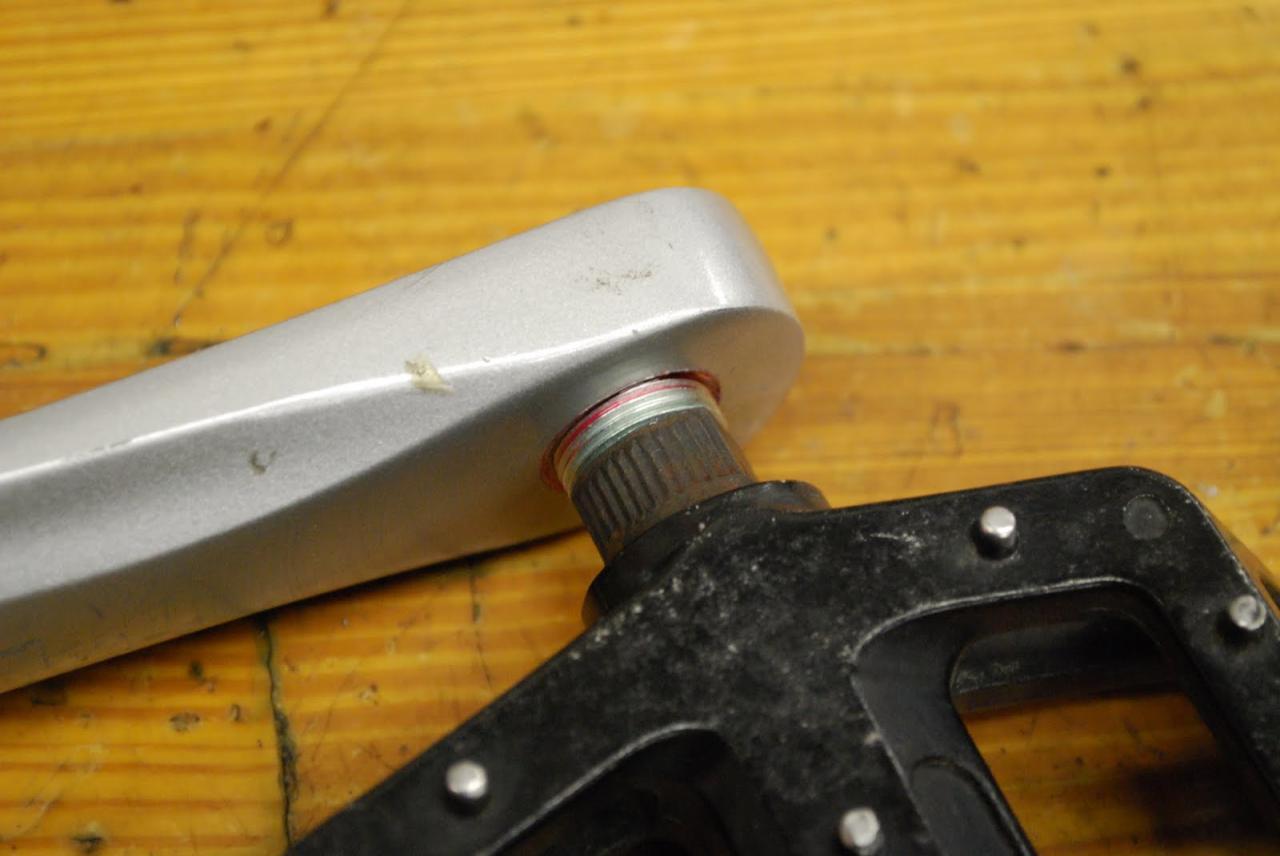
Recognizing stripped pedal threads is essential for maintaining the safety and performance of your bicycle. Stripped threads can lead to significant issues while riding, including compromised pedal stability and increased risk of accidents. This section Artikels the signs of stripped pedal threads, methods for visual inspection, and the potential consequences of neglecting this problem.
Signs of Stripped Pedal Threads
Several indicators suggest that the pedal threads may be stripped. These signs can help cyclists to identify the issue early and take appropriate action before it escalates.
- Loose Pedals: If you notice that your pedals feel loose despite being tightened, this could indicate that the threads are stripped.
- Inability to Tighten: Attempting to tighten the pedals but finding that they do not secure firmly can be a clear sign of thread damage.
- Unusual Movement: A noticeable wobble or movement when pedaling, particularly under load, can suggest that the threads are not gripping properly.
- Visual Gaps: Look for visible gaps between the pedal and the crank arm, which may indicate that the threads are not engaging as they should.
Methods for Visual Inspection
To assess pedal thread damage effectively, a thorough visual inspection should be conducted. The following methods can assist in accurately evaluating the condition of the threads.
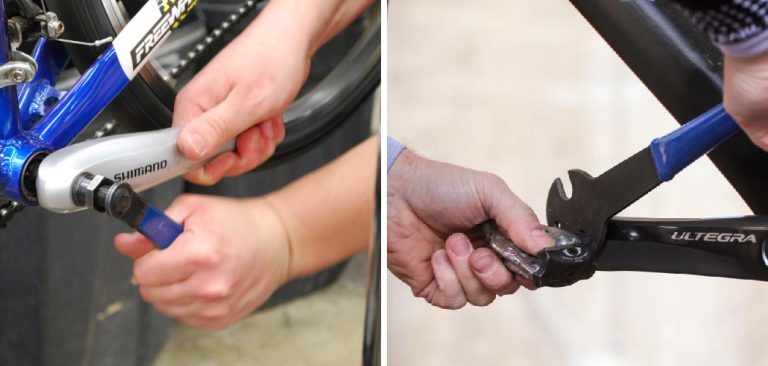
- Remove the Pedal: Detach the pedal from the crank arm to inspect the threads closely. Use the appropriate tool to avoid damaging the threads further.
- Examine the Threads: Look for signs of wear, such as flattened areas, visible cracks, or irregularities in the thread profile. Healthy threads should appear symmetrical and intact.
- Check for Cross-Threading: If the threads have been cross-threaded in the past, they may show uneven wear or deformation. This can lead to further stripping if not addressed.
- Inspect the Crank Arm: Evaluate the crank arm for signs of damage as well, as this area can also be affected if the pedal threads are stripped.
Consequences of Riding with Stripped Pedal Threads
Riding with stripped pedal threads poses several risks that can compromise both performance and safety. Understanding these consequences is crucial for all cyclists.
- Increased Risk of Accidents: Stripped threads can lead to pedal detachment while riding, which increases the likelihood of falls or accidents.
- Potential Damage to Crank Arm: Continuing to ride with stripped pedal threads can cause further damage to the crank arm, necessitating expensive repairs or replacements.
- Reduced Efficiency: A poorly secured pedal can lead to inefficient pedaling, affecting the cyclist’s ability to optimize their power transfer.
- Increased Wear on Components: Stripped threads can cause additional strain on other components of the bike, leading to premature wear and the need for more frequent maintenance.
Addressing stripped pedal threads promptly can enhance cycling safety and improve overall bike performance.
Tools and Materials Needed for Repair
To effectively repair stripped pedal threads, it is essential to have the right tools and materials at hand. Using the appropriate items not only facilitates a smoother repair process but also ensures that the fix is durable and reliable. Below is a detailed overview of the essential tools and materials you will need for this task, along with tips for selecting high-quality options.
Essential Tools for Repair
Having the right tools is crucial for a successful repair of stripped pedal threads. The following tools are necessary for the job:
- Thread Taps: A set of taps specifically designed for the size of pedal threads will help to clean and re-establish the thread profile.
- Thread Repair Inserts: Inserts, such as Helicoil or Time-Sert, provide a robust solution for restoring stripped threads.
- Drill and Drill Bits: A drill is needed to prepare the stripped area for the thread insert. Use the appropriate size drill bit for the repair kit selected.
- Torque Wrench: This tool ensures that the pedal is tightened to the manufacturer’s torque specifications, preventing future damage.
- Hex Wrench or Screwdriver: Depending on the type of pedal, a hex wrench or screwdriver will be needed for installation and removal.
- Lubricant: A small amount of lubricant can make it easier to insert the repair and reduce friction during the process.
Materials for Repair
In addition to tools, specific materials are required for a successful repair. The following materials should be considered:
- Thread Repair Kits: These kits usually come with necessary taps, inserts, and detailed instructions. Ensure it is compatible with your pedal thread size.
- Adhesive or Epoxy: Some repairs may benefit from a high-strength adhesive to secure the thread insert in place.
- Protective Gear: Safety glasses and gloves should be worn to protect against debris and sharp edges during the repair process.
Selecting High-Quality Tools and Materials
Choosing quality tools and materials is vital for the longevity of the repair. When selecting items, consider the following tips:
- Brand Reputation: Opt for well-known brands that have a proven track record for quality and reliability in bike repair tools.
- Material Durability: Look for tools made from high-quality steel or alloy that can withstand repeated use without wear.
- Customer Reviews: Reading reviews and feedback from other users can provide insights into the effectiveness and reliability of specific tools and materials.
- Warranty and Support: Consider purchasing tools that come with a warranty or customer support, ensuring assistance in case of defects or issues.
“Investing in high-quality tools and materials not only ensures a more reliable repair but also enhances the overall cycling experience through improved performance.”
Step-by-Step Repair Methods
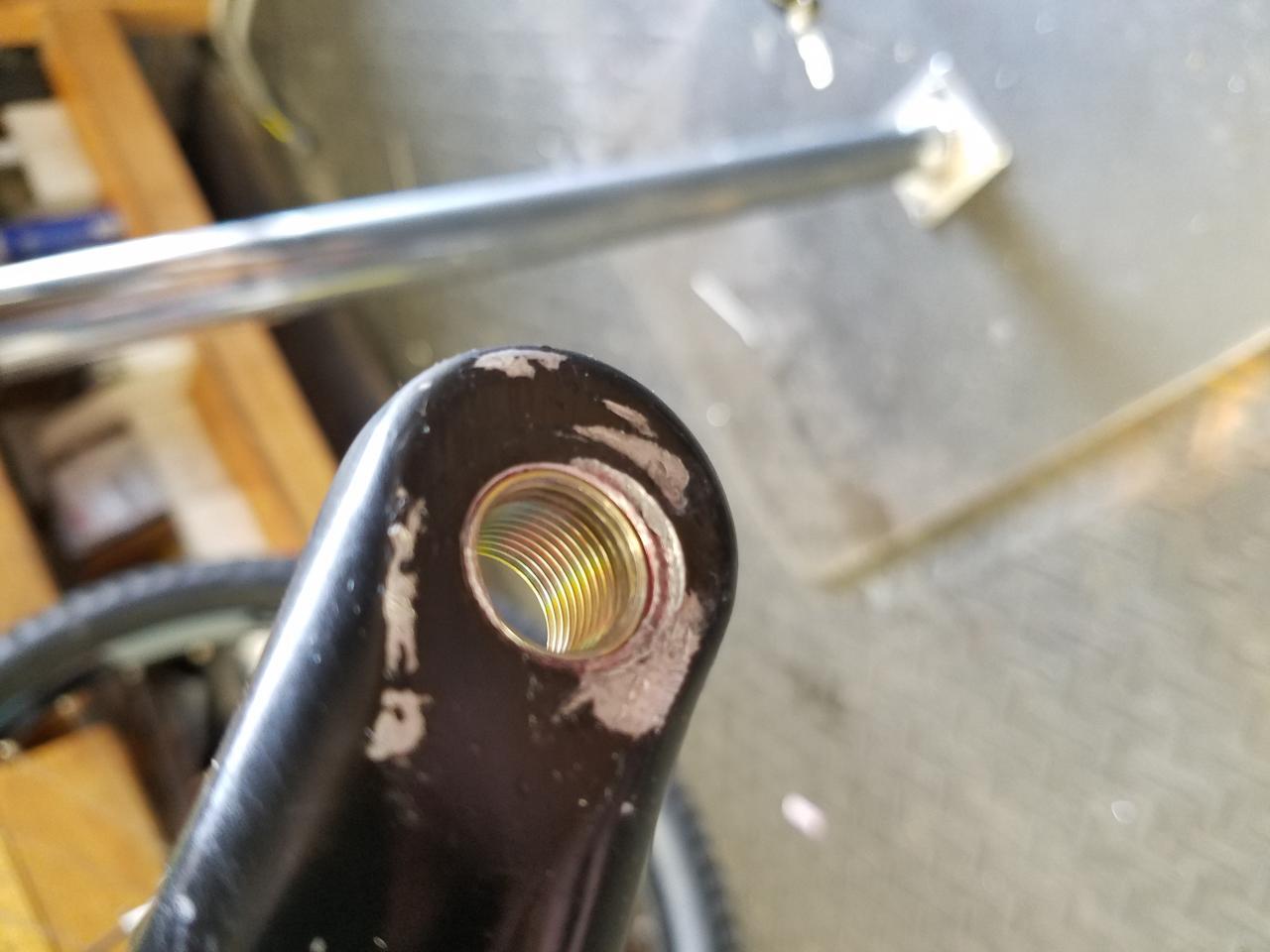
When faced with stripped pedal threads, timely and effective repair techniques are essential for restoring functionality to your bicycle. Understanding the various methods available can ensure a smooth and successful fix. Here, we will delve into three primary approaches: using a thread insert, applying epoxy for a temporary solution, and re-tapping threads to install new pedals.
Using a Thread Insert
Utilizing a thread insert is a reliable method for repairing stripped threads. This process ensures that the new threads are stronger than the original ones, providing a durable solution for your pedal attachment. Follow these steps to effectively use a thread insert:
1. Remove the Existing Pedal
Start by removing the stripped pedal from the crank arm using a pedal wrench or Allen key, depending on your pedal design.
2. Clean the Area
Ensure the damaged thread area is clean and free of debris. This may involve using a brush or compressed air to remove dirt and metal shavings.
3. Drill Out the Stripped Threads
Using a drill bit that matches the size of the thread insert, carefully drill out the damaged threads. Maintain a steady hand to avoid damaging the surrounding material.
4. Tap New Threads
Use a tap corresponding to the size of the thread insert. Insert the tap into the drilled hole and turn it clockwise, applying light pressure. This will create new threads into which the insert can be fitted.
5. Install the Thread Insert
Thread the insert onto the installation tool, apply a small amount of thread-locking adhesive if desired, and insert it into the newly tapped hole. Ensure it is flush with the surface.
6. Allow Adhesive to Cure
If you used adhesive, allow it to set as per the manufacturer’s instructions before reattaching the pedal.
7. Reattach the Pedal
Finally, install the pedal into the thread insert, securing it tightly to ensure a stable connection.
Using Epoxy as a Temporary Fix
Epoxy can serve as a quick temporary solution for stripped threads, especially if immediate repair options are limited. This method offers a practical way to hold the pedal in place until more permanent repairs can be enacted. The following steps Artikel the epoxy application process:
1. Prepare the Area
Clean the stripped threads thoroughly, ensuring no dirt or grease is present. This ensures a good bond with the epoxy.
2. Mix the Epoxy
Follow the instructions on the epoxy adhesive package. Usually, this involves combining equal parts of resin and hardener.
3. Apply Epoxy
Carefully apply a small amount of mixed epoxy into the stripped thread area. Use a toothpick or a small applicator to push the epoxy into the threads.
4. Insert the Pedal
Gently screw the pedal into the epoxy-filled threads. Do not overtighten, as this can cause the epoxy to break.
5. Allow to Cure
Allow the epoxy to cure completely, following the time specified by the manufacturer. This will provide a temporary hold until a permanent solution can be implemented.
Re-Tapping Threads and Installing New Pedals
Re-tapping threads is an effective method for repairing stripped threads and ensuring that new pedals can be securely attached. This process is particularly useful when the damage is not extensive. Below is a comprehensive procedure for re-tapping threads:
1. Remove the Damaged Pedal
Use a pedal wrench or Allen key to remove the stripped pedal.
2. Inspect the Damage
Assess the extent of the damage to determine if re-tapping is feasible. If the threads are significantly worn, you may consider using a thread insert as an alternative.
3. Drill if Necessary
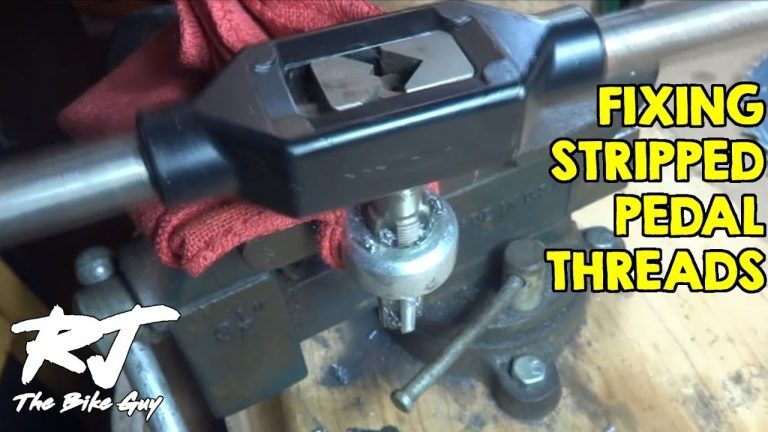
If the threads are severely damaged, use a drill to create a smooth hole, ensuring it matches the size of the tap you will use.
4. Select the Correct Tap
Choose a tap that corresponds to the pedal size and threading.
5. Tap the Threads
Insert the tap into the hole and turn it clockwise. Apply cutting oil to ease the process and prolong the life of the tap. Remove any debris as you go.
6. Install New Pedals
Once the new threads are established, carefully screw in the new pedals. Use the appropriate torque specifications to ensure a secure fit.
7. Final Tightening
After installing, ensure the pedals are tightened adequately to prevent loosening during rides.These methods provide practical solutions for dealing with stripped pedal threads, allowing for effective repairs and continued cycling enjoyment.
Preventive Measures for Thread Damage
Preventing stripped pedal threads is essential for maintaining the longevity and functionality of your bicycle. By implementing proper techniques during installation and adhering to maintenance best practices, you can significantly reduce the risk of thread damage. This section Artikels effective preventive measures to help you keep your pedal threads in optimal condition.
Proper Pedal Installation and Torque Specifications
Correct installation of pedals is crucial for sustaining the integrity of the threads. Adhering to torque specifications ensures that the pedals are securely fastened without over-tightening, which can cause stripping. The recommended torque for most bicycle pedals is typically between 30 to 35 Newton-meters (Nm).
“Always refer to the manufacturer’s specifications for the exact torque settings required for your specific pedal model.”
To achieve a proper installation, follow these guidelines:
- Clean the threads of both the pedal and crank arm to remove any dirt or debris before installation.
- Apply a small amount of grease to the pedal threads to ensure smooth insertion and prevent corrosion.
- Thread the pedal into the crank arm by hand to avoid cross-threading, and then use a pedal wrench to tighten it to the specified torque.
Regular Bike Maintenance Best Practices
Maintaining your bike regularly not only enhances performance but also helps protect the integrity of pedal threads. Incorporating a few simple maintenance practices can prolong the life of your bicycle components. Regular inspection and care can prevent potential issues before they develop.
- Regularly check the tightness of your pedals and re-torque them as necessary, especially after long rides or extreme conditions.
- Inspect the pedal threads for signs of wear or damage; if you notice any issues, address them promptly to avoid further complications.
- Ensure that the crank arms are free from dirt and grime, which can lead to threading issues during installation or removal.
- Store your bicycle in a dry, temperature-controlled environment to minimize rust and corrosion on metal components.
Alternatives to Repairing Stripped Threads
When faced with stripped pedal threads, repairs may not always be feasible or effective. In such cases, exploring alternative solutions becomes crucial. This section discusses various alternatives to repairing stripped threads, focusing on replacing the crank arm and other viable options, while also addressing the benefits and drawbacks of each method. Understanding these alternatives is essential for making informed decisions that suit your specific situation.
Replacement of Crank Arm
One of the primary alternatives when repairing stripped threads is to replace the entire crank arm. This method ensures that the integrity and functionality of your bicycle’s drivetrain system are restored without the potential complications that may arise from repairs.The benefits of replacing the crank arm include:
- Durability: New crank arms are manufactured to withstand wear and tear, providing a longer lifespan than repairs.
- Compatibility: A replacement crank arm ensures compatibility with the existing components, especially if sourced from the same manufacturer.
- Improved Performance: A new crank arm may enhance the overall performance of the bicycle, providing smoother pedaling and better power transfer.
However, there are also drawbacks associated with this method:
- Cost: The price of a new crank arm can vary significantly depending on the brand and model, which may not be budget-friendly.
- Installation Time: Replacing the crank arm requires time and possibly specialized tools, which may not be readily available.
- Potential for Additional Issues: If the crank arm is replaced, other components may also need inspection or replacement, leading to further costs.
Cost Implications of Repair vs. Replacement
When considering whether to repair or replace, it is important to evaluate the cost implications of each option. Repairing stripped threads can be more economical in the short term, often involving lower costs for materials and tools. However, repairs may not provide the same reliability as a replacement.Here is a basic comparison of costs associated with each alternative:
| Method | Average Cost | Longevity |
|---|---|---|
| Thread Repair | $20 – $50 | Short to Medium Term |
| Crank Arm Replacement | $50 – $150 | Long Term |
In summary, while the immediate costs of repairing stripped threads may be lower, the long-term benefits of replacing the crank arm should not be overlooked. Investing in a replacement can save money and hassle in the future by avoiding repeated repairs and ensuring reliable bicycle performance.
Common Mistakes to Avoid
Repairing stripped pedal threads can be a straightforward process, but it is crucial to avoid some common mistakes that can exacerbate the issue or lead to further damage. Understanding these pitfalls will arm you with the knowledge necessary to execute a successful repair and maintain the integrity of your pedal threads.One of the most frequent errors during the repair process is using the wrong tools or techniques, which can lead to additional damage to the threading or the pedal itself.
It is essential to be aware of these mistakes to ensure a lasting repair.
Improper Tool Selection
Using tools that are not suited for the specific repair can cause significant issues. For example, employing a standard tap instead of a bottoming tap can result in incomplete threading, leaving parts of the thread uncleaned and exposing them to further damage. Here are a few insights regarding tool selection:
- Always opt for tools specifically designed for pedal thread repairs to ensure compatibility and effectiveness.
- Inspect tools for wear and damage prior to use, as worn tools can lead to inaccurate repairs.
- Using a torque wrench for reinstallation is crucial to avoid over-tightening, which can strip threads again.
Neglecting to Clean the Threads
Failing to thoroughly clean the threaded area before starting the repair can result in debris causing irregularities during the threading process. Dirt or old adhesive can interfere with new material, hindering the effectiveness of the repair. Key considerations include:
- Utilize a degreaser to remove any lubricant, dirt, or grime from the area.
- Ensure that the threads are dry and free from any remnants that could interfere with the repair.
- Inspect the pedal and crank for any additional damage that might need attention before proceeding.
Overlooking Proper Alignment
Misalignment during the installation of new threads can lead to cross-threading, which compromises the structural integrity of the connection. It’s vital to adhere to proper alignment practices:
- Always start threading by hand to ensure no cross-threading occurs.
- Use a guide or visual alignment aid if necessary to maintain accurate positioning.
- Check that the pedal is seated properly before applying significant force during installation.
Ignoring Manufacturer Guidelines
Manufacturers provide specific instructions regarding repair methods and materials. Ignoring these guidelines can lead to the use of incompatible products, resulting in failure. To avoid this pitfall:
- Refer to the manufacturer’s recommendations for thread repair kits and any specific installation techniques.
- Keep documentation handy during repairs to ensure adherence to suggested practices.
- Consult forums or communities where experienced users share insights about specific models and their repair intricacies.
“Proper preparation and adherence to recommended practices are key to a successful pedal thread repair.”
Taking these recommendations into account not only aids in achieving a successful repair but also contributes to the longevity and reliability of your pedal threads. By recognizing and avoiding these common mistakes, you can ensure that your repair efforts are effective and that your bicycle remains safe and functional.
Seeking Professional Help
When dealing with stripped pedal threads, there are instances where it is advisable to consult a professional bike mechanic rather than attempting a repair on your own. Knowing when to seek professional assistance can save you time, ensure safety, and ultimately provide peace of mind regarding the integrity of your bicycle.In certain scenarios, it is prudent to engage a qualified bicycle mechanic.
If the damage to the pedal threads is extensive or if you lack the necessary tools and experience for a proper repair, professional intervention can be beneficial. Mechanics possess specialized knowledge and equipment that can address complex issues effectively. Additionally, if you have attempted a repair and it did not succeed, seeking help can prevent further damage to your bike.
Criteria for Selecting a Qualified Bicycle Repair Shop
Choosing the right bicycle repair shop is crucial for effective repairs. Consider the following criteria when selecting a professional mechanic or service center:
- Experience and Reputation: Look for shops with a solid reputation in the community. Reviews and testimonials from other cyclists can offer insights into the quality of service provided.
- Certifications: Verify if the mechanics have relevant certifications, such as those from the Bicycle Repair Institute or other recognized organizations, indicating their expertise.
- Specialization: Some shops specialize in specific types of bicycles (e.g., road bikes, mountain bikes). Ensure the shop has experience with your bike type.
- Warranty and Guarantees: Inquire about warranties on repairs. A shop that offers guarantees demonstrates confidence in their work.
- Customer Service: Evaluate the level of customer service provided. Friendly, communicative staff can enhance your overall experience.
Cost Considerations for Professional Repairs
Understanding the potential costs associated with professional repairs compared to DIY methods is vital for budgeting. Professional repairs can range significantly based on the complexity of the damage and the labor involved. Simple thread repairs might start around $20 to $50, while more complicated issues, such as re-tapping or using thread inserts, can escalate to $100 or more. In contrast, DIY methods may present initial savings, but improper repairs can lead to more significant expenses in the long run.
For instance, a $10 thread repair kit might seem appealing, but if it results in further damage, the costs to rectify that mistake could far exceed the initial savings.
When it comes to bicycle repairs, the age-old adage rings true: “You get what you pay for.” Investing in a qualified professional can ensure safety and longevity.
Final Conclusion
In conclusion, mastering how to fix a stripped pedal thread is a valuable skill that can save you time and money, ensuring your bike remains in top shape. By following the Artikeld steps and employing preventive measures, you can avoid the frustration of future thread damage. Remember, whether you choose to handle repairs yourself or seek professional help, understanding the nuances of pedal thread maintenance significantly contributes to a safer and more enjoyable riding experience.