How to Fix Spongy or Soft Hydraulic Brakes is a crucial topic for any vehicle owner, as effective braking is essential for safety on the road. Understanding the mechanics behind hydraulic brakes and recognizing the symptoms of spongy or soft brakes can help prevent potential accidents and ensure a smooth driving experience.
This guide will delve into the causes of these brake issues, equip you with the necessary tools and materials, and provide a step-by-step approach to resolving the problem. With this knowledge, you can maintain your brake system’s functionality and enhance your vehicle’s overall performance.
Understanding Hydraulic Brakes

Hydraulic brakes are a vital component of modern vehicles, providing superior stopping power and efficiency compared to traditional braking systems. Their design incorporates fluid dynamics, which allows for effective force distribution across the braking components. Understanding hydraulic brakes involves examining their structure, functioning, and potential issues that may arise over time.The mechanism of hydraulic braking systems relies on the principle of Pascal’s Law, which states that pressure applied to a confined fluid is transmitted undiminished in all directions.
When the brake pedal is pressed, the master cylinder converts this mechanical force into hydraulic pressure. This pressure travels through brake lines and actuates the brake calipers, which in turn clamp the brake pads against the rotor, slowing down or stopping the vehicle.
Components of Hydraulic Brake Systems
The primary components of hydraulic brake systems include the master cylinder, brake lines, brake calipers, brake pads, and rotors. Each component plays a crucial role in the overall functionality of the braking system. The master cylinder is responsible for generating hydraulic pressure. It contains a piston that is activated when the brake pedal is pressed. This pressure is then transmitted through brake lines filled with brake fluid, which is specially designed to resist compression and high temperatures.
The brake calipers house the pistons that push the brake pads against the rotors. The brake pads are friction materials that provide the necessary grip to slow down the vehicle when they come into contact with the rotors. The rotors are the metal discs that are attached to the wheels, and they rotate along with the wheel, giving the vehicle its momentum.The importance of understanding these components is crucial for diagnosing issues with hydraulic brakes.
Common problems associated with hydraulic brakes include brake fluid leaks, air in the brake lines, and worn brake pads or rotors. Each of these issues can lead to reduced braking efficiency, a spongy brake pedal feel, or even brake failure if not addressed promptly.
Common Issues Associated with Hydraulic Brakes
Several issues can affect the performance and reliability of hydraulic brakes. Recognizing these problems early can prevent minor issues from escalating into dangerous situations.One major issue is brake fluid leaks, which can occur due to wear and tear on the brake lines or seals in the master cylinder. A leak decreases the hydraulic pressure necessary for effective braking. Another common issue is the presence of air bubbles in the brake lines.
Air can enter the system through leaks, leading to a spongy brake pedal. This occurs because air is compressible, unlike brake fluid, which impairs the force transfer from the brake pedal to the calipers.Worn brake pads and rotors can also lead to decreased braking performance. As these components wear down, their ability to create friction diminishes, resulting in longer stopping distances and potentially unsafe driving conditions.Routine maintenance and inspection of the hydraulic brake system are essential for ensuring optimal performance and safety on the road.
Regular checks can identify wear or damage early, allowing for timely repairs and replacements.
Symptoms of Spongy or Soft Brakes
Spongy or soft hydraulic brakes are indicators of underlying issues that can compromise vehicle safety and performance. Recognizing the symptoms associated with these brake systems is crucial for maintaining control and ensuring effective braking capability. Understanding these signs allows vehicle owners to address potential safety hazards promptly.Drivers may experience several distinct characteristics when faced with spongy or soft brakes. The sensation felt during braking can vary significantly, and recognizing these symptoms is essential for accurate assessment and timely intervention.
Key indicators include a low or soft brake pedal feel, excessive travel of the brake pedal, and a delay in brake response.
Characteristics of Spongy or Soft Hydraulic Brakes
Numerous factors contribute to the spongy or soft feel of hydraulic brakes. These characteristics can often be traced back to issues within the hydraulic system itself. The most notable symptoms include:
- Soft Brake Pedal: A pedal that feels unusually soft or sinks to the floor when pressed can indicate air in the brake lines or a fluid leak.
- Excessive Pedal Travel: If the brake pedal travels further than normal before engaging, it may suggest worn brake components or a hydraulic failure.
- Inconsistent Braking Performance: An uneven response when applying the brakes may indicate issues such as contaminated brake fluid or a malfunctioning brake booster.
- Brake Warning Light: Illumination of the brake warning light on the dashboard can signify low brake fluid levels or a failing braking system.
- Unusual Brake Noises: Grinding, squealing, or hissing sounds during braking may signal underlying mechanical issues, affecting brake performance.
Accurately assessing brake performance involves a systematic approach. Routine checks of the hydraulic system are vital in identifying potential problems before they escalate. Drivers should regularly inspect brake fluid levels, listen for abnormal sounds, and monitor pedal response. A pragmatic evaluation can involve testing the brakes in a safe location, ensuring that the vehicle responds appropriately when the pedal is depressed.
Additionally, professional assessments by certified technicians can provide invaluable insights and preventive measures to ensure optimal brake function.
Causes of Spongy or Soft Hydraulic Brakes
The performance of hydraulic brakes is crucial for vehicle safety, and one of the most concerning issues drivers can encounter is spongy or soft brakes. Understanding the causes of this problem can help in diagnosing and addressing it effectively. Several factors can contribute to the decrease in braking performance, primarily involving air in the brake lines and fluid integrity.
Air in the Brake Lines
Air entering the hydraulic brake system can significantly impair braking efficiency. When air is trapped within the brake lines, it compresses under pressure rather than transmitting force effectively to the brake calipers. This results in a soft or spongy feel when the brake pedal is depressed. The presence of air creates a compressible element in the otherwise incompressible hydraulic fluid, leading to a situation where the brakes do not respond as intended.
Regular maintenance and bleeding of the brake system can help eliminate trapped air and restore proper braking function.
Fluid Leaks
Fluid leaks are another critical factor in the degradation of hydraulic brake performance. Any loss of brake fluid due to leaks can lead to reduced hydraulic pressure in the system, resulting in a spongy brake pedal. Common locations for leaks include brake lines, calipers, and master cylinders. Identifying and repairing these leaks is essential for maintaining brake performance. The following points Artikel the implications of fluid leaks on hydraulic brakes:
- Reduced Brake Pressure: A significant drop in hydraulic pressure can compromise the braking system’s ability to stop the vehicle effectively.
- Increased Brake Travel: Drivers may notice that the brake pedal must be pressed further down to achieve the desired stopping power.
- Potential for Brake Failure: Continued operation with leaks can lead to complete brake failure, posing severe safety risks.
It is imperative to regularly check for signs of fluid leaks, such as puddles under the vehicle or a drop in fluid levels, to ensure the braking system remains fully operational.
“Maintaining hydraulic brake integrity through regular checks and repairs is vital for ensuring vehicle safety and reliability.”
Tools and Materials Needed

To effectively address the issue of spongy or soft hydraulic brakes, having the right tools and materials is essential. Proper maintenance and repairs can prevent further complications and ensure your vehicle operates safely. This section Artikels the vital tools, materials, and safety equipment required for brake repair tasks.
Essential Tools for Brake Repair
Having the appropriate tools at hand is crucial for efficiently executing brake repairs. The following is a list of essential tools that will facilitate the repair process:
- Brake Bleeder Kit: Used to remove air from the hydraulic system.
- Wrench Set: Essential for loosening and tightening brake lines.
- Socket Set: Necessary for removing caliper bolts and other components.
- Torque Wrench: Ensures bolts are tightened to manufacturer specifications.
- Brake Pad Spreader: Aids in retracting the caliper piston when replacing brake pads.
- Fluid Catch Container: Used to catch old brake fluid during the bleed process.
Materials Checklist for Brake Maintenance
In addition to tools, having the right materials is vital for any brake repair. Here is a checklist of materials needed, including the types of brake fluid suitable for hydraulic systems:
- Brake Fluid: Ensure you have the correct type, typically DOT 3, DOT 4, or DOT 5.1, depending on your vehicle’s requirements.
- Replacement Brake Pads: Ensure compatibility with your vehicle’s make and model.
- Brake Rotors (if needed): Check for wear and replace if necessary.
- Brake Cleaner: Used for cleaning components before reassembly.
- Lubricant: High-temperature brake grease for sliding surfaces.
Safety Equipment for Brake Maintenance
Safety should always be a priority when performing brake repairs. The following safety equipment is recommended to protect yourself during maintenance:
- Safety Glasses: Protect your eyes from brake dust and fluid.
- Gloves: Use nitrile or latex gloves to prevent skin contact with brake fluid, which can be corrosive.
- Dust Mask: Recommended to avoid inhaling brake dust during the repair process.
- Face Shield (optional): Provides additional protection when using power tools.
- Steel-Toed Boots: Protects your feet from heavy components that may fall during repairs.
Step-by-Step Guide to Fixing Spongy Brakes
When dealing with spongy or soft hydraulic brakes, it becomes imperative to follow a systematic approach to restore their functionality. This guide Artikels essential procedures for addressing the issues associated with hydraulic brake systems, ensuring safety and reliability. The steps will detail the processes of bleeding hydraulic brakes, checking for fluid leaks, and inspecting and replacing worn brake components.
Bleeding Hydraulic Brakes
Bleeding the hydraulic brakes is crucial for removing air bubbles trapped in the brake lines, which can cause a spongy feel when the brakes are engaged. Below are the steps to effectively bleed hydraulic brakes:
1. Gather Necessary Tools
Ensure you have a brake bleeder kit, a wrench for the bleed screws, tubing, a clean container, and brake fluid compatible with your vehicle.
2. Locate the Bleed Valve
Identify the bleed valve on the brake caliper. Usually, it is located at the top of the caliper assembly.
3. Attach the Tubing
Place one end of the tubing over the bleed valve and the other end into the clean container to catch the fluid.
4. Open the Bleed Valve
Use the wrench to carefully open the bleed valve. Be cautious as brake fluid can damage paint and surfaces.
5. Pump the Brake Pedal
Have an assistant pump the brake pedal several times and then hold it down. This action pressurizes the brake fluid.
6. Close the Bleed Valve
While the brake pedal is held down, close the bleed valve. This prevents air from entering the system.
7. Release the Brake Pedal
Have your assistant release the brake pedal slowly. Repeat steps 4 to 7 until you see clear, bubble-free fluid in the tubing.
8. Check Fluid Levels
Throughout the process, monitor the brake fluid reservoir and refill it as necessary to avoid introducing air back into the system.
Checking for Fluid Leaks
Fluid leaks can significantly affect brake performance and are often a contributing factor to spongy brakes. To ensure the integrity of the hydraulic brake system, follow these steps to check for and fix fluid leaks:
1. Inspect Brake Lines
Visually inspect all brake lines for signs of wear, cracks, or damage. Pay special attention to connection points.
2. Check Calipers and Wheel Cylinders
Examine the brake calipers and wheel cylinders for leaks. Look for wetness or fluid buildup around these components.
3. Feel for Moisture
Run your fingers along brake lines and components to feel for moisture. A slick surface often indicates a leak.
4. Pressure Test
If necessary, perform a pressure test by applying pressure to the brake system and observing for drops in fluid levels or visible leaks.
5. Repair or Replace
If leaks are found, repair the affected areas by replacing damaged lines or seals. Ensure all connections are tightened and sealed properly.
Inspecting and Replacing Worn Brake Components
Regular inspection of brake components is vital for maintaining safe brake function. The following steps Artikel how to inspect and replace worn brake components:
1. Remove the Wheel
Safely raise the vehicle and remove the wheel to access the brake assembly.
2. Inspect Brake Pads
Check the condition of the brake pads for wear. Replace them if they are thinner than the manufacturer’s recommended thickness, typically 3mm.
3. Examine Rotors
Inspect the brake rotors for scoring, warping, or excessive wear. Replace if grooves are deep or if the rotor thickness is below specified limits.
4. Check Brake Lines
As previously mentioned, ensure brake lines are in good condition. Replace any lines that show signs of wear or damage.
5. Assess Calipers
Inspect brake calipers for leaks and ensure they move freely. Replace calipers that are seized or leaking.
6. Reassemble and Test
After replacing any components, reassemble the brake system, reinstall the wheel, and lower the vehicle. Test the brakes to ensure they function correctly.
Regular maintenance of hydraulic brakes is essential for safe driving and to avoid costly repairs.
Preventative Measures for Brake Maintenance
Regular maintenance of hydraulic brakes is essential to ensure optimal performance and safety. By implementing preventative measures, vehicle owners can significantly reduce the likelihood of encountering issues such as spongy or soft brakes. Proper inspection and maintenance not only enhance the longevity of brake components but also promote a safer driving experience.One of the key aspects of brake maintenance is conducting regular inspections.
It is advisable to have the brakes checked at least once a year or every 12,000 miles, whichever comes first. Regular inspections help identify wear and tear early, preventing more severe issues down the line. During an inspection, a professional mechanic should check the brake pads, rotors, hydraulic fluid levels, and the entire brake system for any signs of leaks or damage.
Brake Fluid Change Schedule
Routine changes of brake fluid are critical for maintaining brake performance. Over time, brake fluid can absorb moisture and become contaminated, leading to reduced braking efficiency. It is recommended to change the brake fluid every two years or every 24,000 miles, whichever occurs first. This schedule helps in maintaining the integrity of the brake system and ensures that the hydraulic components function optimally.To ensure that brake fluid remains in good condition, consider monitoring the fluid level regularly.
If the brake fluid appears dark or murky, it is a sign that it needs to be changed, irrespective of the prescribed schedule. A simple visual check can prevent potential brake failure.
Tips for Ensuring Optimal Brake Performance
To maintain the efficiency of hydraulic brakes, several practices can be adopted. These tips can enhance brake performance and prolong the life of the braking system:
- Regularly check brake pads: Inspect brake pads for wear and replace them if they are less than 3mm thick.
- Keep brake rotors clean: Dirt and debris can hinder braking performance; ensure rotors are clean and free of contaminants.
- Monitor brake fluid levels: Check fluid levels regularly and top off with the manufacturer-recommended brake fluid.
- Bleed the brakes as needed: If air is introduced into the hydraulic system, bleed the brakes to remove it and restore proper pressure.
- Store the vehicle properly: If the vehicle is not used for extended periods, consider applying the handbrake sparingly to avoid brake seizing.
By integrating these preventative measures into regular vehicle maintenance, drivers can ensure that their hydraulic brakes remain in optimal working condition. This proactive approach not only enhances safety but also contributes to the vehicle’s overall reliability and performance.
Troubleshooting Common Brake Issues
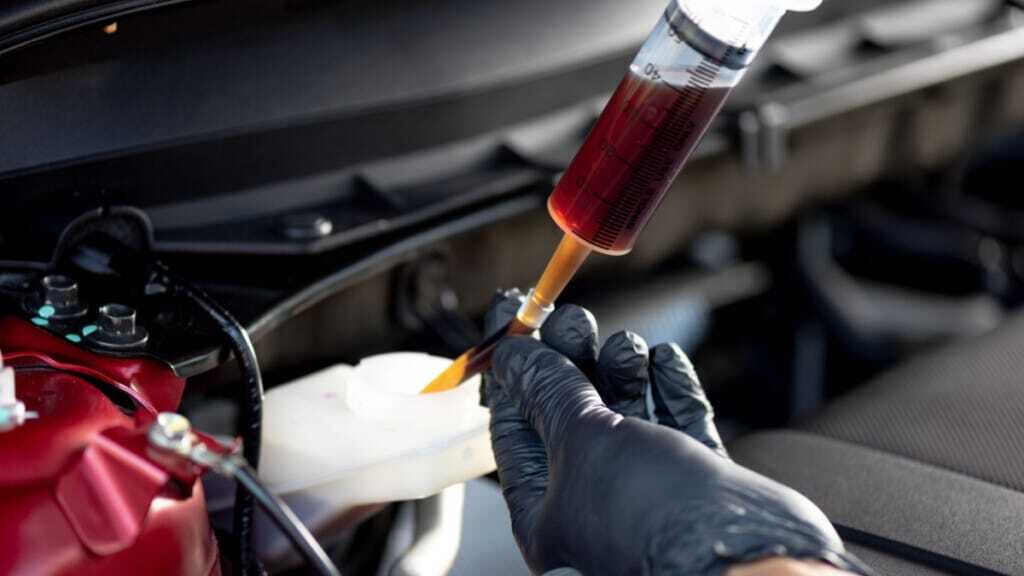
Proper troubleshooting is essential when dealing with spongy or soft hydraulic brakes, as it can lead to improved vehicle safety and performance. Understanding various methods to diagnose brake issues is key for vehicle owners and mechanics alike. Fast and accurate identification of symptoms can prevent further complications and ensure efficient repairs.
Comparison of Troubleshooting Methods
Multiple approaches can be utilized to troubleshoot spongy brakes effectively. Each method has its unique processes and tools, allowing for a thorough investigation of brake performance. The following are common troubleshooting methods:
- Visual Inspection: Conducting a visual check can reveal obvious signs of issues, such as fluid leaks, worn-out components, or damaged brake lines. This method is often the first step in diagnosing brake issues.
- Brake Fluid Assessment: Testing the brake fluid for contamination or air bubbles is crucial. This can involve observing the color and consistency of the fluid, as well as checking for moisture content.
- Brake Pedal Feel Test: Engaging the brake pedal can provide immediate feedback on its condition. A soft or spongy feel indicates air in the system or a need for fluid replacement.
- Pressure Testing: Utilizing a brake pressure gauge can measure the hydraulic pressure within the brake lines. A drop in pressure may indicate leaks or component failures.
Solutions for Various Symptoms
Identifying specific symptoms related to spongy brakes helps in devising the correct solutions. The following list Artikels common symptoms and their corresponding solutions:
- Soft Brake Pedal: This typically suggests air in the hydraulic system. Bleeding the brakes to remove air bubbles is necessary.
- Brake Fluid Leak: A visible leak indicates a damaged line or seal. Replacing the affected components is essential to prevent fluid loss.
- Inconsistent Brake Feel: Fluctuations in brake response may require inspection of the master cylinder or brake boosters for faults.
- Unusual Noises: Grinding or squeaking sounds can point to worn brake pads. Replacing the pads is advised to restore optimal braking performance.
Diagnostic Tools for Brake Repairs
Utilizing the right diagnostic tools can significantly enhance the troubleshooting process. These tools help in identifying issues accurately and swiftly. Key diagnostic tools include:
- Brake Fluid Tester: This device measures the moisture content in brake fluid, ensuring it meets safety standards. High moisture indicates it should be replaced.
- Vacuum Pump: A vacuum pump can assist in bleeding brakes, effectively removing air from the brake lines and improving pedal firmness.
- Pressure Gauge: A brake pressure gauge helps assess the hydraulic pressure in the system, offering insights into potential leaks or blockages.
- OBD-II Scanner: For vehicles equipped with onboard diagnostics, this tool can read error codes related to braking systems, aiding in identifying electronic issues.
“Timely and accurate diagnosis of brake issues is vital for maintaining vehicle safety and performance.”
When to Seek Professional Help

In certain situations, the complexities of hydraulic brake systems may necessitate a professional inspection. Recognizing the signs that indicate a more serious brake problem is crucial for your safety and the longevity of your vehicle. Some brake issues require specialized knowledge, tools, and experience that may exceed a typical DIY repair.Professional inspection becomes paramount when you encounter specific symptoms that suggest underlying issues beyond simple maintenance.
These indicators can include unusual noises, persistent brake warning lights, or significant changes in brake performance despite regular maintenance efforts. Addressing these concerns promptly can prevent further damage and ensure safe driving conditions.
Indicators of Serious Brake Problems
Understanding the indicators of serious brake problems can help you determine when to seek professional assistance. The following list Artikels symptoms that should not be ignored:
- Brake pedal feels excessively soft or spongy, even after bleeding the system.
- Unusual noises, such as grinding, squealing, or clunking sounds when applying brakes.
- Vibration or pulsation in the brake pedal during braking.
- Brake warning light illuminated on the dashboard.
- Significant fluid leaks under the vehicle, indicating a possible brake fluid loss.
- Worsening performance, such as longer stopping distances or a pulling sensation to one side when braking.
These signs often indicate that the brake system may have a serious fault, such as a malfunctioning master cylinder, worn brake pads, or issues with the brake lines. Ignoring these symptoms can lead to more extensive damage and increased repair costs.
Choosing a Reputable Brake Service
Selecting a trustworthy brake service is essential for ensuring that your vehicle receives the best care. When looking for a reputable service provider, consider the following factors:
- Look for certifications and accreditations that validate the service provider’s expertise in brake systems.
- Read customer reviews and testimonials to assess the quality of service and customer satisfaction.
- Inquire about warranties on both parts and labor to ensure protection for your repairs.
- Ask for quotes from multiple service providers to compare prices and services offered.
- Check for experience with your specific vehicle make and model to ensure familiarity with its brake system.
Taking the time to choose the right brake service can significantly impact your vehicle’s safety and reliability. A professional inspection can provide peace of mind and ensure that your hydraulic brakes function correctly.
End of Discussion
In conclusion, knowing how to fix spongy or soft hydraulic brakes not only increases your vehicle’s safety but also empowers you as a driver. By following the Artikeld procedures and implementing regular maintenance practices, you can ensure optimal brake performance and extend the lifespan of your braking system.