A bicycle chain serves as a vital component in the mechanics of cycling, playing a crucial role in transferring power from the pedals to the wheels. Understanding its purpose and the indicators of wear not only enhances the performance of your bike but also contributes to your safety while riding. Through this guide, we will explore the essential steps needed to measure and replace a worn bicycle chain, ensuring that you can enjoy a smooth and efficient ride.
From the necessary tools and measurement techniques to selecting the right replacement chain, this comprehensive discussion will equip you with the knowledge needed to perform this essential maintenance task. By the end of this guide, you will be empowered to keep your bicycle in top condition, extending the lifespan of your chain and optimizing your overall cycling experience.
Understanding Bicycle Chains
A bicycle chain is an essential component of bike mechanics, playing a crucial role in transferring power from the pedals to the wheels. The durability and efficiency of a bicycle chain directly impact the overall performance of the bicycle, particularly affecting speed and ease of pedaling. Understanding its purpose, types, and indicators of wear is vital for maintaining optimal bike functionality.The primary function of a bicycle chain is to connect the pedals to the rear wheel, allowing the rider to propel the bicycle forward.
This mechanical process relies on the chain’s ability to move smoothly over gears and sprockets, which are integral to the bike’s drivetrain. Proper maintenance of the chain is essential not only for performance but also for the longevity of other components within the drivetrain system.
Types of Bicycle Chains
Bicycle chains come in various types, each designed to suit particular riding styles and bike specifications. Understanding these variations is crucial for selecting the right chain for your bicycle. The most common types of bicycle chains include:
- Single-speed chains: These are simple chains designed for bikes with a single gear. They are typically lighter and do not require extensive maintenance.
- Multi-speed chains: These chains are designed for bicycles with multiple gears. They are generally more complex, featuring special link designs to accommodate shifting between gears.
- Track chains: These chains are used on fixed-gear bicycles and track bikes. They are often more robust and have a different design to handle high-stress environments without slipping.
- Wide chains: These chains are made for mountain bikes and other off-road bicycles, providing enhanced durability and resistance to debris.
Each chain type varies in specifications, such as width, length, and compatibility with different gear systems. Selecting the correct chain type is essential to ensure optimal performance and prevent issues during rides.
Indicators of Chain Wear and Maintenance Importance
Regular maintenance of a bicycle chain is crucial to ensure a smooth and safe riding experience. There are several key indicators of chain wear that cyclists should monitor to determine when a replacement is necessary.
- Stretch: Over time, a chain can stretch due to wear and tear, leading to reduced efficiency and potential damage to the drivetrain components.
- Roughness: If the chain feels rough or gritty when running through the gears, this may indicate dirt and grime buildup, requiring cleaning or replacement.
- Skipping: When the chain skips over gears during pedaling, it may be a sign of wear or incompatibility with the current cogset.
- Visual Inspection: Inspecting the chain for rust, corrosion, or damaged links is essential for maintaining safety and performance.
Promptly addressing these wear indicators through maintenance can significantly extend the lifespan of a chain and other drivetrain components, leading to improved overall bike performance. Regular lubrication and cleaning not only enhance efficiency but also prevent premature wear and costly replacements.
The key to a long-lasting bicycle chain lies in regular maintenance and timely replacement when wear indicators are observed.
Tools Needed for Chain Measurement and Replacement
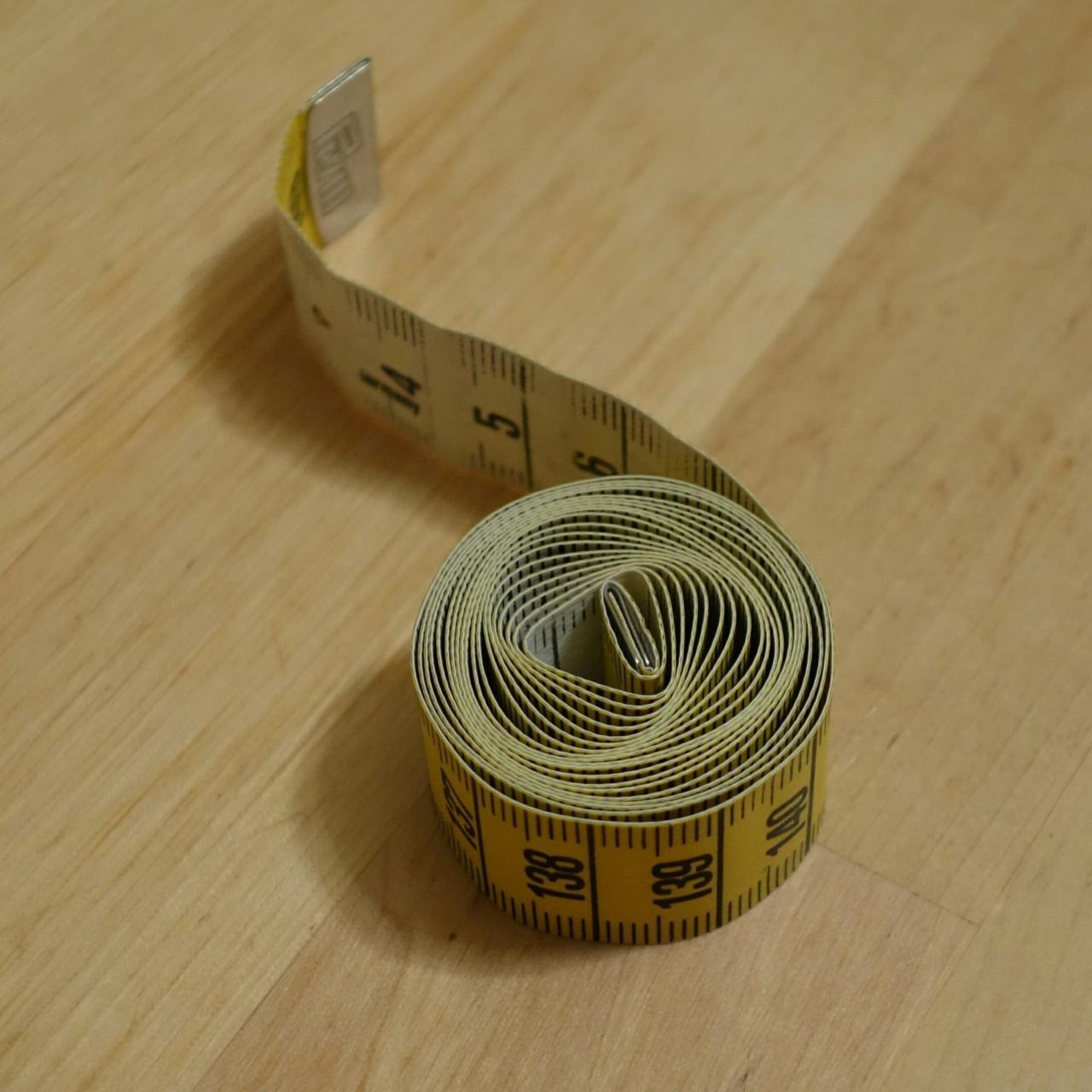
To effectively measure and replace a worn bicycle chain, a selection of specialized tools is essential. These tools facilitate accurate assessment of chain wear and ensure that the replacement process is executed with precision, enhancing both the performance and longevity of your bicycle. Below are the tools required for the task.A chain checker tool is critical for determining the wear on your bicycle chain.
This tool is designed to measure the elongation of the chain, which is a key indicator of its condition. Regular use of a chain checker not only prolongs the life of your drivetrain components but also helps in maintaining optimal cycling performance.
Essential Tools for Chain Measurement and Replacement
The following tools are necessary for measuring and replacing a bicycle chain, each serving a specific purpose in the process:
- Chain Checker Tool: Used to measure chain wear by checking elongation.
- Chain Tool: Essential for removing and installing the chain.
- Ruler or Measuring Tape: Useful for cross-verifying measurements.
- Replacement Chain: A new chain that fits your bike’s specifications.
- Lubrication Oil: To ensure smooth operation post-installation.
In addition to the basic tools, having a reliable chain checker tool enhances the accuracy of wear measurements. The tool typically features a gauge that indicates when a chain reaches a certain percentage of wear, commonly 0.5% or 0.75%.
“Replacing the chain before it wears excessively can save you money on other drivetrain components, such as the cassette and chainrings.”
Comparison of Chain Checker Tools
A variety of brands produce chain checker tools, each with unique features and price points. Below is a comparative table showcasing some popular options:
| Brand | Model | Features | Price |
|---|---|---|---|
| Park Tool | CC-3.2 | Measures 0.5% and 0.75% wear with a sturdy design. | $19.95 |
| Pedro’s | Chain Checker | Easy-to-read wear indicators, durable construction. | $16.00 |
| Shimano | CT-3.1 | Simple operation, reliable measurements, compact size. | $25.00 |
| Wheels Manufacturing | Chain Wear Indicator | Robust design, indicates wear at multiple stages. | $21.00 |
Selecting the appropriate tools for chain measurement and replacement can significantly influence the maintenance of your bicycle. By using a chain checker tool correctly and understanding its importance, cyclists can prevent premature wear and ensure optimal performance on every ride.
Measuring Chain Wear
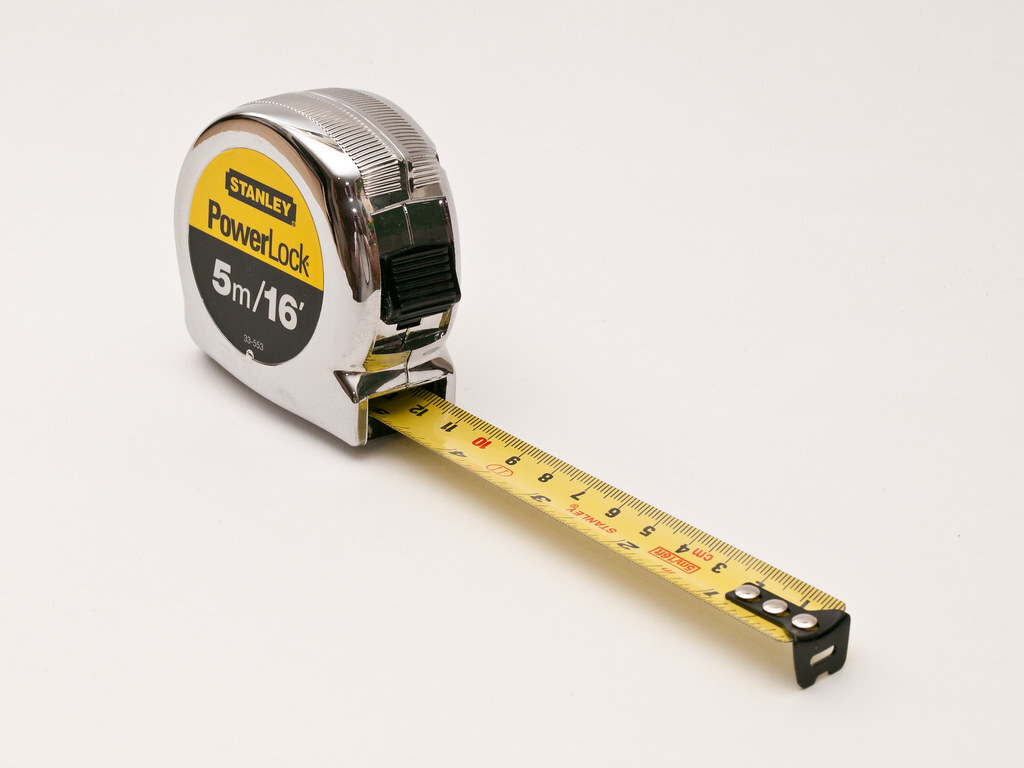
To maintain optimal performance and safety, measuring the wear of your bicycle chain is essential. A well-maintained chain not only extends the life of the drivetrain components but also ensures a smoother and more efficient ride. This section will guide you through the process of accurately measuring chain wear and understanding when replacement is necessary.Measuring a bicycle chain for wear can be accomplished using either a ruler or a specialized chain checker tool.
The following steps Artikel the process for using both methods effectively:
Step-by-Step Process for Measuring Chain Wear
1. Using a Ruler
Place the bicycle in a stable position, preferably on a repair stand.
Align the ruler with a link of the chain, ensuring that the ruler’s zero mark is at the center of a pin in one of the chain links.
Measure to the center of the pin that is twelve links away. A new chain typically measures precisely 12 inches. If the measurement exceeds 12.0625 inches (which corresponds to 0.5% wear), the chain is considered worn and should be replaced.
2. Using a Chain Checker
Insert the chain checker tool into the chain, ensuring that the prongs fit over the links.
The tool will have markings indicating the percentage of wear; if the tool fits into the chain at the 0.5% or 0.75% mark, it is time to replace the chain.
Understanding acceptable limits for chain wear is crucial. A general guideline is that a chain should be replaced when it reaches a wear measurement of 0.5% (12.0625 inches over 12 links). Riding with a worn chain can lead to increased wear on the cassette and chainrings, necessitating more frequent replacements of these components.Monitoring for signs of a worn chain is also important to prevent further damage.
Below is a list of symptoms indicating that your chain may need attention:When assessing your bicycle chain, be aware of the following symptoms that suggest it may be worn:
- Increased skipping or slipping of the gears during shifting.
- Difficulty in shifting under load, especially in higher gears.
- Visible elongation or deformation of the chain links.
- Unusual noises, such as rattling or grinding, when pedaling.
- Inconsistent pedal resistance, which may indicate misalignment or wear.
- Chain links that do not sit flat against the sprockets or are noticeably loose.
Removing the Old Chain
When replacing a worn bicycle chain, the first step involves safely removing the old chain. This process is crucial, not only for the removal of the chain itself but also for ensuring that the surrounding components remain clean and undamaged. A well-executed removal will facilitate a smoother installation of the new chain.To begin the removal process, it is essential to gather the necessary tools, including a chain tool, which will aid in breaking the chain links.
Ensuring that the bike is stable is vital, so placing it in a work stand or flipping it upside down will provide better access to the chain. The following steps Artikel the method for safely removing the old chain:
Steps for Safely Removing the Bicycle Chain
- Identify the chain’s quick link or master link, if present. This link is designed for easy removal. If your chain does not have a quick link, you will need to use a chain tool.
- If using a quick link, align the chain properly and compress the link. Pull it apart to release the chain.
- If your chain does not have a quick link, position the chain tool over the pin of the chain you wish to remove.
- Slowly turn the handle of the chain tool to push the pin out of the link. Stop once the pin is almost out, but do not remove it completely, as this will keep the link intact for easier reassembly later.
- Carefully detach the chain from the derailleur and any other components it may be threaded through.
Cleaning the derailleur and cassette during chain replacement is also an important consideration. A clean drivetrain will ensure optimal shifting performance and prolong the life of the new chain. Here are key points to consider while cleaning:
- Use a degreaser to remove any grime or lubricant from the derailleur and cassette.
- Make sure to wipe down the surfaces carefully with a cloth, ensuring that no debris is left behind.
- Regularly cleaning these components can prevent wear and ensure that the new chain operates smoothly.
“Handle the chain gently to prevent damage to the derailleur or cassette. Avoid using excessive force when removing links.”
Taking care during this process helps to maintain the integrity of your bicycle’s components and ensures a seamless transition to the new chain.
Selecting a New Bicycle Chain
Choosing the right bicycle chain is crucial for ensuring optimal performance and longevity of your bike. Various factors must be considered, such as the type of bicycle you own and your specific riding style. Selecting a chain that complements both your bike and your preferences enhances your overall riding experience.When selecting a new bicycle chain, it is essential to evaluate the compatibility with your bike’s drivetrain, including the number of speeds and the overall design.
Chains vary in materials, such as stainless steel, nickel-plated, or coated options, which can significantly impact their weight, durability, and resistance to corrosion. Furthermore, the design of the chain links—whether they are standard or feature advanced technology—can influence shifting performance and efficiency.
Key Factors in Chain Selection
Several important factors play a role in choosing the right bicycle chain. Understanding these factors will help you make an informed decision:
- Bike Type: Different bikes, such as road, mountain, or hybrid bikes, require distinct chains designed for their respective gear systems and anticipated use.
- Riding Style: Consider your usual riding terrain and style. For instance, aggressive mountain biking may necessitate a more robust chain compared to leisurely road cycling.
- Speed Compatibility: Ensure that the chain matches the number of speeds on your bike’s cassette. Chains are typically categorized based on their speed compatibility, such as 6, 7, 8, 9, 10, 11, and 12-speed chains.
- Weight Considerations: Lighter chains can improve performance, especially for competitive cycling, while heavier chains may provide added durability for rough trails.
- Material Composition: The material of the chain affects its performance and lifespan. Stainless steel chains offer corrosion resistance, while nickel-plated chains provide enhanced durability and aesthetics.
Comparison of Chain Materials and Designs
The material and design of bicycle chains can significantly affect your bike’s performance. Below is a comparison of common chain materials and their impacts:
- Stainless Steel: Known for its resistance to corrosion, this material is suitable for everyday riding and is often more affordable. However, it may be heavier than other options.
- Nickel-Plated Chains: These chains are designed to resist rust and wear. Their appealing finish makes them popular, and they often offer a good balance between performance and durability.
- Coated Chains: Chains with special coatings (such as Teflon) reduce friction and improve shifting performance. They are ideal for riders seeking high efficiency and smooth operation.
- Lightweight Alloys: These chains are often used in competitive cycling to enhance performance. While they are lighter, they may sacrifice some durability and require more frequent replacement.
Reputable Bicycle Chain Brands
Selecting a chain from a reputable brand can ensure quality and performance. The following table lists some of the most trusted brands, their specifications, and recommended uses:
| Brand | Specifications | Recommended Use |
|---|---|---|
| Shimano | Available in various speeds (6-12), made of stainless steel and nickel-plated options. | Road and mountain bikes, competitive cycling. |
| Sram | Compatible with Sram and compatible 1x and 2x drivetrains, features lightweight design. | Mountain biking, racing. |
| KMC | Offers a variety of chains, including lightweight and robust options, compatible with many bike types. | General cycling, touring, and performance biking. |
| Campagnolo | High-quality chains specifically designed for Campagnolo gear systems. | Road cycling, performance enthusiasts. |
| Connex | Notable for their reusable connecting links, available in various styles. | Long-distance touring, casual riding. |
Installing the New Chain
Installing a new bicycle chain is a crucial step in maintaining the performance and longevity of your bike. A properly installed chain ensures smooth gear transitions, optimizes power transfer, and increases overall ride efficiency. This section will guide you through the procedure for installing a new chain, the importance of chain tension, and common mistakes to avoid during the installation process.
Installation Procedure
To install the new chain, follow these structured steps to ensure a successful and efficient process:
1. Preparation
Ensure that the bicycle is on a stable surface, preferably in a workstand. Shift the chain to the smallest chainring and rear cog to relieve tension.
2. Threading the Chain
Align the new chain with the derailleur and begin threading it through the rear derailleur. Ensure the chain passes over the jockey wheels correctly, following the manufacturer’s guide for specific routing.
3. Routing through the Front Derailleur
If your bike has a front derailleur, route the chain through it, making sure it sits properly on the correct chainring.
4. Connecting the Chain Ends
Use a chain tool to connect the ends of the chain. If your chain comes with a quick link, follow the manufacturer’s instructions to secure it properly.
5. Final Adjustments
After connecting the chain, rotate the pedals to check for smooth movement. Ensure that the chain is seated correctly on all gears.
Importance of Proper Chain Tension
Proper chain tension is essential for optimal performance and longevity of both the chain and the drivetrain components. A chain that is too loose may skip gears and cause inefficient power transfer, while a chain that is too tight can lead to excessive wear and damage to the derailleurs.To adjust chain tension after installation, follow these guidelines:
Derailleur Adjustment
Check the rear derailleur’s tension using the adjustment screws. The chain should be taut but not overly tight. Gear shifts should be smooth and accurate.
B-Tension Screw
On some derailleurs, the B-tension screw can be adjusted to ensure that the pulley wheels maintain the correct distance from the cassette.
Common Mistakes and Troubleshooting
During the installation of a new chain, several common mistakes can occur. Being aware of these will help in achieving a successful installation.
Incorrect Routing
Ensure that the chain follows the proper routing paths through the derailleur and chainrings. A misrouted chain can lead to poor shifting and increased wear.
Improper Chain Length
If the new chain is too long, it may slip off the gears; if too short, it could damage the derailleur. Always use a chain length measurement tool for accuracy.
Neglecting Derailleur Alignment
An improperly aligned derailleur can cause poor shifting performance. Check that the derailleur hanger is straight and that the derailleur is correctly positioned.In case of issues during installation, consider these troubleshooting tips:If the chain skips or does not shift correctly, recheck the installation and make sure that the chain is not twisted.
Observe the chain during gear shifts
if it hesitates or catches, adjust the tension screws as necessary and ensure the derailleur is aligned properly.
By adhering to these procedures and being mindful of common pitfalls, you can effectively install a new bicycle chain, ensuring a smooth and enjoyable cycling experience.
Maintenance Tips for Bicycle Chains
Maintaining a bicycle chain is essential for ensuring optimal performance and longevity of your bike. A well-maintained chain not only enhances the efficiency of gear shifting but also contributes to a smoother and safer ride. Regular care can prevent premature wear and costly replacements, making it crucial for any cyclist to adopt a consistent maintenance routine.To extend the lifespan of your bicycle chain, follow these best practices for maintenance.
Regular cleaning and lubrication can significantly reduce wear and improve performance. Using the right products and observing a periodic maintenance schedule will keep your chain in top condition.
Recommended Lubricants and Cleaning Supplies for Bicycle Chains
Selecting appropriate lubricants and cleaning supplies is vital for effective chain maintenance. Here are some recommended products that are known to deliver excellent results:
- Lubricants:
- Wet Lubricant: Ideal for wet or muddy conditions, providing long-lasting protection.
- Dry Lubricant: Best for dry, dusty environments, as it repels dirt and grime.
- All-Weather Lubricant: Versatile option suitable for various weather conditions, balancing moisture resistance and dirt repulsion.
- Cleaning Supplies:
- Degreaser: A strong solvent that effectively removes dirt and grease build-up from the chain.
- Chain Cleaning Tool: A specialized device that simplifies the cleaning process by allowing the application of cleaning solutions while the chain is still on the bike.
- Brush Set: A set of brushes with varying sizes for cleaning hard-to-reach areas on the chain and drivetrain.
Periodic Maintenance Schedule for Chain Care
Establishing a periodic maintenance schedule is crucial for consistent chain care. The following table Artikels recommended frequencies and tasks for maintaining your bicycle chain.
| Frequency | Maintenance Task |
|---|---|
| Every ride | Quick inspection for wear and debris. Wipe the chain with a clean cloth to remove surface dirt. |
| Every 100 miles (160 km) | Detailed cleaning using degreaser and a chain cleaning tool, followed by thorough drying. |
| Every 200 miles (320 km) | Lubricate the chain, ensuring even distribution while wiping off excess lubricant. |
| Monthly | Inspect chain wear using a chain checker tool; replace chain if wear exceeds 0.5% for standard chains or 0.3% for high-performance chains. |
| Seasonally | Full drivetrain clean, including chain, derailleurs, and cassette, checking for any signs of wear or damage. |
“Regular maintenance not only prolongs the life of your bike chain but also enhances your overall cycling experience.”
Conclusion and Best Practices
Regularly measuring and replacing a bicycle chain is essential for maintaining the overall health and performance of your bike. A well-maintained chain not only enhances your riding experience but also helps in preventing more significant and often costly damages to other components of the bicycle, such as the cassette and chainrings. By prioritizing chain health, cyclists can enjoy smoother rides and prolong the lifespan of their bikes.The practice of diligent chain maintenance contributes significantly to the overall performance and safety of your bicycle.
A worn or damaged chain can lead to shifts that are less precise, potentially resulting in accidents or injuries. Ensuring that your chain is in optimal condition allows for seamless gear transitions and minimizes the risk of chain slip, which can endanger the rider. Furthermore, a well-maintained chain reduces friction, thereby improving the efficiency of pedaling—allowing cyclists to exert less effort while riding.
Key Benefits of Chain Maintenance
Understanding the importance of chain maintenance highlights several long-term benefits that are critical for any cyclist. Here are the primary advantages to consider:
- Improved Performance: A properly maintained chain ensures that the gear shifts are quick and precise, enhancing the overall riding experience.
- Enhanced Safety: A functional chain decreases the chances of slips or breaks, promoting safer rides.
- Cost Savings: Regular chain replacement prevents wear on other drivetrain components, saving money on more extensive repairs.
- Longer Lifespan: Consistent maintenance extends the lifespan of the chain, leading to fewer replacements over time.
- Increased Efficiency: A clean and lubricated chain reduces friction, resulting in a more efficient transfer of energy from the cyclist to the bike.
In conclusion, the key takeaways from chain maintenance include the significance of regular inspections, timely replacements, and the application of appropriate cleaning and lubricating techniques. By adhering to these best practices, cyclists can enjoy more reliable performance, improved safety, and greater overall satisfaction from their biking experience.
Concluding Remarks
In conclusion, regularly measuring and replacing a worn bicycle chain is not merely a maintenance task but a stepping stone towards enhanced bike performance and rider safety. By adhering to the best practices Artikeld in this guide, you can prevent premature wear and ensure smooth functionality throughout your cycling endeavors. Remember, a well-maintained chain leads to a happier ride, so keep these key takeaways in mind for a seamless cycling experience.