Properly inflating your bike tires is crucial for achieving optimal performance and safety during your rides. When tire pressure is at the ideal level, it enhances handling, improves rolling efficiency, and reduces the risk of flats. Conversely, both under-inflated and over-inflated tires can lead to diminished performance, increased wear, and potential accidents. Numerous studies highlight the significant impact that correct tire pressure has on cycling efficiency, showcasing its importance for cyclists of all levels.
Understanding tire pressure, including the definitions of PSI and BAR, is essential, as different types of bikes, whether road, mountain, or hybrid, require specific inflation levels. Additionally, knowing how to properly utilize the necessary tools, such as pumps and pressure gauges, ensures that cyclists can maintain their tires effectively for various riding conditions.
Introduction to Bike Tire Inflation
Proper tire inflation is a crucial aspect of optimizing bike performance. The correct pressure in your tires not only enhances your riding efficiency but also contributes significantly to your overall safety. Ensuring that your tires are inflated to the recommended levels allows for better traction, improved handling, and increased comfort while cycling. Under-inflated tires can lead to a range of issues, including increased rolling resistance, which makes pedaling more laborious, and a higher risk of pinch flats.
Conversely, over-inflated tires can result in a harsh ride and diminished grip, making it easier to lose control on uneven surfaces. Studies indicate that riding with improperly inflated tires can decrease cycling efficiency by as much as 10% to 20%, highlighting the importance of maintaining optimal tire pressure.
Impact of Tire Pressure on Cycling Efficiency
Understanding the relationship between tire pressure and cycling performance is essential for every cyclist. Research shows that maintaining the correct tire pressure can substantially enhance performance metrics such as speed and energy expenditure. The following points illustrate the significant impact of tire pressure on cycling efficiency:
- Increased Rolling Efficiency: Tires inflated to the correct pressure reduce rolling resistance, enabling cyclists to maintain higher speeds with less effort.
- Enhanced Traction: Properly inflated tires provide better contact with the road surface, improving grip and handling, especially on turns and during braking.
- Improved Comfort: Adequate tire pressure helps absorb shocks from the road, leading to a more comfortable riding experience and reducing fatigue over long distances.
- Lower Risk of Flats: Tires inflated to the manufacturer’s specifications are less prone to pinch flats, which occur when the tire compresses too much against the rim.
“Correctly inflated tires can improve your cycling efficiency by up to 20%, translating to less energy used and more enjoyable rides.”
Incorporating the proper tire inflation into your regular maintenance routine not only enhances your cycling performance but also prolongs the lifespan of your tires. It is essential to check your tire pressure regularly and adjust as necessary for optimal results. Engaging with this simple yet critical aspect of bike care can lead to significantly improved riding experiences.
Understanding Tire Pressure
Proper tire pressure is essential for optimal bike performance, ensuring safety, comfort, and efficiency during rides. Understanding the significance of tire pressure can enhance your cycling experience, regardless of the type of bike you ride. This section will explore key concepts related to tire pressure, including the metrics used to measure it and how different types of bikes demand varying levels of inflation.Tire pressure is primarily measured in two units: PSI (pounds per square inch) and BAR.
Both units convey the air pressure within the tire, but they are used in different contexts. PSI is more commonly utilized in the United States, while BAR is often seen in international settings. To provide a frame of reference, 1 BAR is approximately equal to 14.5 PSI. This means that a tire inflated to 2 BAR would have a pressure of around 29 PSI.
Maintaining the proper tire pressure is crucial, as it affects rolling resistance, control, and overall riding comfort.
Pressure Requirements Based on Bike Type
Different types of bikes are designed for specific riding conditions and require varying tire pressures to optimize performance. Understanding these requirements is vital for any cyclist aiming to achieve the best possible ride.Road bikes typically operate at higher pressures to reduce rolling resistance and improve speed. Common pressure ranges for road bike tires are between 80 to 130 PSI, depending on the rider’s weight and tire width.
Higher pressures can help in achieving a more efficient ride on smooth surfaces, such as asphalt.Mountain bikes, on the other hand, require lower tire pressures to provide better traction and shock absorption on rough terrains. A typical range for mountain bike tires is between 25 to 50 PSI. Lower pressures allow the tires to conform to obstacles and provide a more comfortable ride on uneven surfaces, such as trails or rocky paths.Hybrid bikes, designed for a combination of road and off-road cycling, usually fall in between these two extremes.
The recommended tire pressure for hybrid bikes typically ranges from 40 to 70 PSI. This range strikes a balance between the efficiency needed for on-road commuting and the comfort required for occasional off-road adventures.
Common Pressure Ranges for Different Cycling Scenarios
Different cycling scenarios dictate specific tire pressures to maximize performance and comfort. Understanding these scenarios and their associated pressure ranges is critical for cyclists aiming for the best riding experience.For racing, where speed and efficiency are paramount, the tire pressure might be on the higher end. Cyclists often inflate their tires to around 100 to 130 PSI, depending on their weight and the road conditions.
This high pressure minimizes rolling resistance and allows for faster speeds.In contrast, commuting requires a pressure that balances comfort and efficiency. Commuters might find that a range of 50 to 70 PSI is most suitable, providing adequate cushioning to handle urban obstacles while still allowing for a smooth ride.Recreational cycling, often involving leisurely rides on a variety of surfaces, benefits from a moderate pressure range.
A pressure of approximately 40 to 60 PSI can enhance comfort and control, especially when riding on mixed terrains.In summary, understanding tire pressure is crucial for ensuring optimal performance across different cycling scenarios. Proper inflation not only enhances the riding experience but also contributes to the longevity of the tires themselves.
Tools Required for Inflating Tires
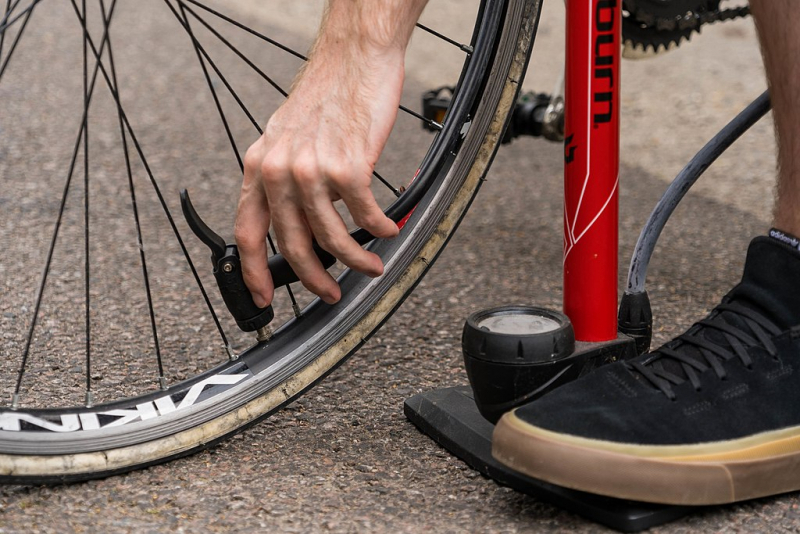
Proper inflation of bike tires is crucial for optimal performance, safety, and longevity of the tires. To achieve the correct tire pressure, specific tools are required to facilitate the inflation process effectively. Understanding the various inflation tools available allows cyclists to select the most suitable option based on their individual needs and circumstances.
Types of Pumps and Accessories
There are several types of pumps and accessories that are essential for inflating bike tires. Each has its advantages and specific use cases, which are Artikeld below.
- Floor Pump: A floor pump is a large, stable device that typically features a long handle and a base for stability. It is designed for home use and can efficiently inflate tires to high pressures quickly. Most floor pumps come with a built-in pressure gauge, allowing for accurate pressure readings.
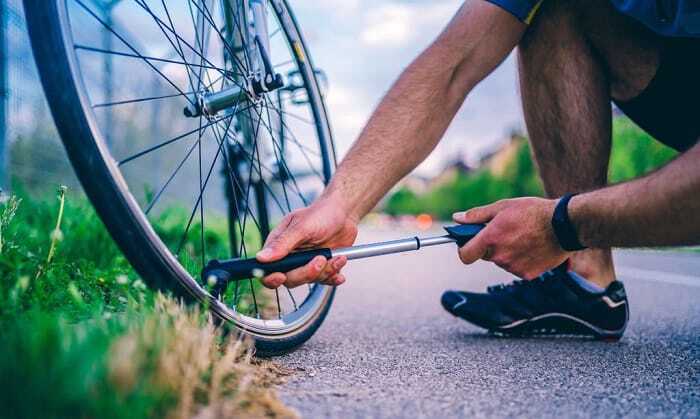
- Hand Pump: A hand pump is a portable option, designed for easy transport. It is smaller and requires manual effort to inflate tires but is very useful for on-the-go repairs. While it may take longer to inflate a tire compared to a floor pump, it is invaluable in emergencies.
- CO2 Inflator: A CO2 inflator is a compact device that uses pressurized carbon dioxide cartridges to inflate tires almost instantaneously. This tool is ideal for cyclists who prioritize speed and convenience, particularly during races or long rides. However, it requires having spare cartridges on hand.
Using Each Type of Pump
Understanding how to effectively use each type of pump can significantly enhance your tire inflation experience.
Using the right pump can greatly improve your bike’s performance and safety.
- Using a Floor Pump:
- Begin by connecting the pump head to the valve on the tire, ensuring a tight fit to prevent air loss.
- Check the pressure gauge to confirm the desired psi setting.
- Slowly pump the handle up and down, monitoring the pressure gauge until the desired pressure is reached.
- Detach the pump head and quickly replace the valve cap.
- Using a Hand Pump:
- Attach the hose of the hand pump to the tire valve, ensuring it is secured firmly.
- Start pumping by using a steady, rhythmic motion until the tire reaches the desired pressure.
- Check the pressure, if the pump has a gauge, and disconnect the pump from the valve.
- Replace the valve cap to keep the valve clean and free of debris.
- Using a CO2 Inflator:
- Prepare the CO2 cartridge by ensuring it is compatible with your inflator.
- Attach the inflator to the tire valve, ensuring a secure connection.
- Quickly release the CO2 by activating the inflator, being cautious of cold temperatures that may occur during inflation.
- Remove the inflator and replace the valve cap promptly.
Comparison of Inflation Tools
To assist in selecting the most suitable inflation tool, the following comparison highlights the pros and cons of each option.
| Inflation Tool | Pros | Cons |
|---|---|---|
| Floor Pump | Efficient for high pressure, built-in gauge, stable | Not portable, larger size |
| Hand Pump | Portable, lightweight, easy to carry | More effort required, slower inflation |
| CO2 Inflator | Fast inflation, compact size | Requires cartridges, limited number of uses |
Steps to Inflate Your Bike Tires
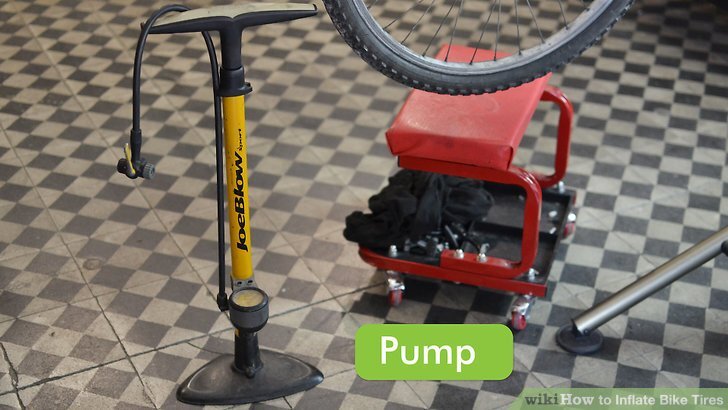
Inflating your bike tires correctly is essential for ensuring optimal performance, safety, and comfort while riding. Proper tire inflation can enhance the bike’s handling and reduce the risk of flat tires. Following a systematic approach helps ensure that the tires are inflated to the appropriate pressure and that the process is carried out safely.Understanding the types of valves used in bike tires is crucial before starting the inflation process.
The two most common valve types are Schrader and Presta. Schrader valves, similar to those found on car tires, are wider and have a spring-loaded mechanism. Presta valves, on the other hand, are narrower and require a specific procedure for inflation. Adapting your pump to accommodate these valve types is essential for efficient inflation.
Step-by-Step Process for Inflating Bike Tires
To inflate your bike tires correctly, follow these systematic steps to ensure thoroughness and safety:
1. Check Tire Pressure Recommendations
Before inflating, refer to the recommended tire pressure printed on the tire’s sidewall. This pressure is expressed in PSI (pounds per square inch) or bar.
2. Select the Appropriate Valve Type
Identify whether your bike uses Schrader or Presta valves.
For Schrader valves, simply remove the valve cap.
For Presta valves, unscrew the valve nut at the top and press down to release a small amount of air, which indicates the valve is open.
3. Prepare the Pump
If using a floor pump, ensure it is set to the correct valve type. Many pumps have a dual head for both Schrader and Presta. For Presta valves, use the appropriate adapter if your pump does not have a dedicated Presta head.
4. Attach the Pump Head
Place the pump head securely onto the valve.
For Schrader, simply press it down and lock it in place.
For Presta, press down and twist to lock the pump head.
5. Inflate the Tire
Begin pumping the handle to inflate the tire. Monitor the pressure with the gauge on the pump, ensuring you do not exceed the recommended PSI.
6. Remove the Pump Head
Once the desired pressure is reached, carefully remove the pump head by reversing the locking mechanism. For Presta valves, ensure to close the valve by tightening the top nut.
7. Replace Valve Caps
Finally, replace the valve cap to keep dirt and debris from entering the valve.
8. Check Tire Pressure Again
After inflation, double-check the tire pressure using a separate gauge to confirm accuracy.
Checklist for Tire Inflation
To ensure all steps are followed systematically during the inflation process, consider the following checklist:
- Refer to the tire pressure recommendation on the sidewall.
- Identify the valve type (Schrader or Presta).
- Prepare the pump for the correct valve type.
- Remove the valve cap from the tire.
- Attach the pump head securely.
- Inflate the tire while monitoring the pressure gauge.
- Remove the pump head carefully after inflation.
- Replace the valve cap to protect the valve.
- Double-check the tire pressure with a gauge.
Following these steps and using the checklist will help ensure that your bike tires are inflated correctly, contributing to a safer and more enjoyable riding experience. Additionally, maintaining proper tire pressure can significantly impact the longevity of your tires and the overall performance of your bike.
Maintaining Tire Pressure
Proper tire pressure is essential for optimal bike performance, safety, and rider comfort. Regularly checking and maintaining tire pressure can significantly affect your cycling experience, ensuring that you achieve the best possible efficiency and longevity from your tires. This section provides effective strategies for maintaining tire pressure, considering environmental impacts, and establishing a maintenance routine.Environmental factors such as temperature and humidity can significantly influence tire pressure.
As a general rule, tire pressure decreases in colder temperatures and increases in warmer conditions. For every 10°F drop in temperature, tire pressure can decrease by 1 PSI. Conversely, in warmer weather, tires may overinflate, leading to reduced traction and potential blowouts. Humidity, while not as directly impactful as temperature, can still affect air density and pressure measurements. Thus, it is essential to consider these variables when checking your tire pressure.
Regular Tire Pressure Check Schedule
Establishing a consistent routine for checking your tire pressure ensures that you always ride with optimal inflation. The following schedule Artikels recommended practices for maintaining your bike tires:
- Pre-ride Checks: Always check tire pressure before each ride. Use a reliable pressure gauge to ensure accuracy.
- Weekly Inspections: Dedicate time each week to inspect tire pressure, especially during extreme weather conditions. Adjust as necessary based on recent temperature changes.
- Monthly Maintenance: Perform a thorough inspection of the tires for wear and tear, checking alignment and tread depth. Ensure that the valve stems are intact and free from debris.
- Seasonal Adjustments: Before transitioning into a new season, check and adjust the tire pressure to accommodate changes in temperature and riding conditions.
“Maintaining the correct tire pressure can enhance performance, improve safety, and prolong tire life.”
Incorporating these practices into your regular bike maintenance routine will help safeguard against performance issues and ensure a smoother, more efficient ride. Taking into account how environmental factors interplay with tire performance further emphasizes the importance of diligent monitoring. By being proactive in your tire maintenance, you can enjoy cycling with peace of mind and readiness for any ride.
Troubleshooting Common Issues
When inflating bike tires, several problems may arise that can hinder performance and safety. Understanding these common issues and their solutions is essential for maintaining an enjoyable riding experience. This section addresses typical challenges encountered during tire inflation and provides actionable solutions to resolve them effectively.
Identifying Common Problems During Inflation
Several issues can occur while inflating bike tires. Recognizing these problems early can prevent further complications. Here are some common problems and their respective solutions:
- Insufficient Pressure Reading: If the tire pressure gauge reads lower than expected, ensure that the pump is properly connected to the valve. If the connection is sound, check if the pump is functioning correctly. If not, a replacement may be necessary.
- Valve Leakage: A leaking valve can lead to air loss. To fix this, try tightening the valve core using a valve tool. If the leak persists, consider replacing the valve altogether.
- Air Escaping During Inflation: If air is escaping while inflating, it may be due to a poor seal between the pump and the valve. Ensure a secure connection before inflating. If the issue continues, inspect the valve for damage.
Fixing Leaks or Faulty Valves
Leaks or faulty valves can significantly impact tire pressure. Addressing these issues promptly is crucial:
- Inspect the valve for cracks or wear. A damaged valve will need to be replaced.
- For tubeless tires, ensure that the sealant is adequately distributed and that there are no punctures in the tire. Adding more sealant can sometimes seal small leaks.
In cases where the inner tube is punctured, a patch kit or replacing the tube may be required.
Quick Repair Tip
Always carry a patch kit and a spare tube during rides for emergencies.
Troubleshooting Pressure Loss During Rides
Experiencing pressure loss while riding can be frustrating and pose safety risks. Understanding how to troubleshoot this issue can help ensure a safer ride. Factors that may cause pressure loss include:
- Punctures: Regularly inspect your tires for punctures or embedded debris that may cause slow leaks. If a puncture is found, repair it promptly.
- Temperature Changes: Tire pressure can fluctuate with temperature. Cold weather can reduce tire pressure, so check and adjust accordingly before rides in varying temperatures.
- Improper Installation: If the inner tube is not seated correctly within the tire, it may pinch and cause leaks. Make sure to re-install the tube properly during inflation.
Implementing preventive measures, such as regularly checking tire pressure before rides, using a reliable pump, and maintaining an appropriate tire pressure range, can significantly reduce the risk of pressure loss. Keeping a maintenance schedule for your bike tires ensures optimal performance and safety during all riding conditions.
Benefits of Proper Tire Inflation
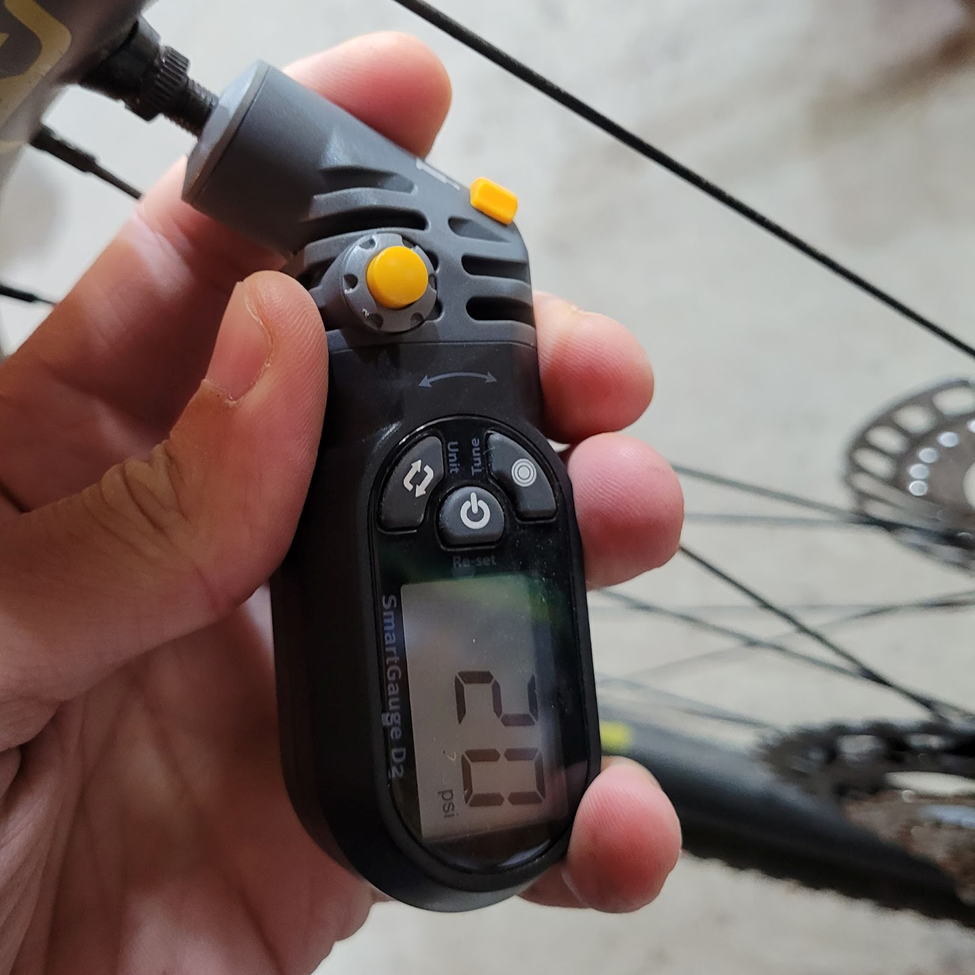
Maintaining the correct tire pressure is crucial for enhancing both performance and safety while cycling. Properly inflated tires not only improve the overall riding experience but also contribute significantly to the longevity of the tires and the efficiency of the bicycle. When cyclists prioritize tire inflation, they are ensuring a smoother, safer ride with optimal handling.Correct tire inflation directly affects rolling resistance, which is the force that opposes the motion of the bicycle.
When tires are inflated to the recommended pressure, they provide less rolling resistance, allowing cyclists to ride faster with less effort. Conversely, improperly inflated tires can lead to increased rolling resistance, which not only slows down the bike but also makes pedaling more strenuous.
Impact on Cycling Performance and Safety
The relationship between tire pressure and cycling performance cannot be overstated. Proper inflation contributes to a range of benefits that enhance the riding experience:
- Improved Handling: Correct tire inflation ensures better traction and control, allowing for sharper turns and a more stable ride.
- Increased Speed: Optimal tire pressure minimizes rolling resistance, making it easier to maintain higher speeds with less effort.
- Enhanced Comfort: Properly inflated tires absorb shocks more effectively, leading to a smoother ride, especially on rough terrain.
- Safety Boost: Adequate tire pressure reduces the risk of blowouts and improves braking performance, which is essential for safe riding.
- Longer Tire Life: Maintaining the right pressure helps prevent uneven wear and prolongs the life of the tires.
Numerous cyclists have shared their experiences regarding the significant differences they felt between properly inflated and improperly inflated tires. One avid cyclist noted, “Since I started checking my tire pressure regularly, I’ve noticed a marked improvement in my ride quality. It’s like riding a different bike altogether.” Another participant emphasized, “I once ignored my tire pressure, and I struggled to keep up with my friends.
After inflating to the correct level, I was able to ride with ease and confidence.” These testimonials highlight the tangible benefits that come from adhering to proper tire inflation practices. By staying vigilant about tire pressure, cyclists can ensure that they maximize their performance, enhance safety, and enjoy every ride to the fullest.
Advanced Inflation Techniques
For cyclists looking to optimize their performance, understanding advanced inflation techniques is crucial. These techniques go beyond basic inflation, enabling riders to tailor tire pressure to specific riding styles and terrain conditions. Properly tuned tire pressure can significantly enhance grip, comfort, and overall efficiency.One essential aspect of advanced inflation techniques is the concept of “tire pressure tuning.” This refers to the adjustment of tire pressures based on varying conditions, such as wet versus dry surfaces.
When conditions are wet, it is often beneficial to lower tire pressure to increase the contact area, which enhances grip. Conversely, on dry and hard surfaces, higher tire pressure can reduce rolling resistance, improving speed and efficiency.
Tire Pressure Adjustment Guidelines
Adjusting tire pressure according to rider weight and bike load is vital for performance optimization. The following guidelines provide a framework for determining the appropriate tire pressure based on different factors:
- Rider Weight: Heavier riders may require higher tire pressure to prevent pinch flats and ensure stability. A general rule is to increase the pressure by 1-2 psi for every additional 10 pounds over a standard weight baseline.
- Bike Load: If carrying extra gear or supplies, consider raising the tire pressure slightly. For example, an increase of 2-5 psi may be adequate to accommodate the additional weight.
- Terrain Type: For off-road conditions, lower pressures can enhance traction and comfort, while road biking typically benefits from higher pressures to improve efficiency.
Adjusting tire pressure based on these considerations can lead to improved control and a more enjoyable riding experience.
“Optimal tire pressure is a balance between comfort, grip, and performance, tailored to both rider and conditions.”
Another advanced technique involves the use of tire pressure monitoring systems (TPMS) that allow for real-time adjustments and monitoring. This technology helps maintain optimal pressure throughout rides, adapting to changes in terrain or load instantaneously, thus ensuring consistent performance. By implementing these advanced inflation techniques, cyclists can significantly enhance their riding experience, allowing for greater performance and safety on a variety of terrains.
Closure
In conclusion, mastering the art of tire inflation not only boosts your cycling performance but also contributes to your safety on the road. Regularly checking and maintaining tire pressure, understanding common issues, and employing advanced inflation techniques will all enhance your riding experience. By following the comprehensive guidelines provided, you will be well-equipped to tackle any cycling challenge, ensuring that each ride is both enjoyable and efficient.