How to Re-grease and Service a Threaded Headset is a crucial skill for any cyclist seeking to enhance their bike’s performance and longevity. Regular maintenance of the headset not only ensures smoother steering but also prevents common issues such as wear and tear that can significantly affect riding comfort. This guide offers a comprehensive overview of the steps and tools required to effectively re-grease and service your threaded headset, thereby optimizing your cycling experience.
By understanding the importance of servicing, the necessary tools, and the systematic process for disassembly, cleaning, inspection, and greasing, you can keep your bike in peak condition. Whether you are a seasoned cyclist or a beginner, mastering this maintenance task can save you time and money while enhancing the overall performance of your ride.
Importance of Servicing a Threaded Headset
Regular maintenance of a threaded headset is crucial for ensuring optimal performance and longevity of a bicycle. A well-serviced headset facilitates smooth steering and enhances overall ride quality. By dedicating time to this essential component, cyclists can prevent more significant issues down the line while enjoying a more efficient cycling experience.Neglecting to service the headset can lead to various complications that may compromise both safety and performance.
One of the primary benefits of regular maintenance includes the prevention of wear and tear on critical components. This not only protects the headset itself but also helps in maintaining the structural integrity of the bicycle. Over time, dirt and moisture can accumulate, leading to increased friction and resistance, which negatively impacts steering precision.
Common Issues from Neglecting Headset Servicing
When regular servicing of a threaded headset is overlooked, numerous problems can arise, each affecting the bike’s performance. Understanding these issues can underscore the necessity of maintenance.
1. Increased Friction
Accumulated dirt and old grease can create excessive friction in the headset, making steering feel sluggish.
2. Play in the Headset
A poorly maintained headset can develop play, leading to a loose feeling when turning the handlebars. This can be dangerous, particularly at high speeds or on uneven terrain.
3. Corrosion
Exposure to moisture and contaminants can lead to rust and corrosion of the headset components, which may ultimately require costly replacements.
4. Reduced Lifespan of Components
Without regular servicing, the lifespan of the headset and associated components may be significantly shortened, leading to more frequent repairs or replacements.
Regular maintenance of a threaded headset not only improves the comfort and safety of riding but also extends the life of the bicycle itself.
Maintaining a threaded headset can greatly enhance bike performance and ensure longevity. Riders who prioritize regular servicing often notice smoother handling, improved overall stability, and an extended service life for their bicycle components. By investing in routine maintenance, cyclists are effectively investing in their overall riding experience and safety.
Tools Required for Re-greasing a Threaded Headset

To effectively re-grease and service a threaded headset, the right tools and materials are essential. Proper tools not only facilitate the maintenance process but also ensure that the headset functions smoothly, prolonging the lifespan of the bicycle components. This section Artikels the necessary tools and provides details regarding the types of grease suitable for headset maintenance.
Essential Tools and Materials
Having the right tools on hand is crucial for a successful servicing of your threaded headset. Below is a list of essential tools and materials, along with their functions in the servicing process:
- Adjustable Wrench: This tool is used to loosen or tighten the locknut and the headset’s top cap. Its adjustable jaw allows it to fit various sizes of nuts.
- Torque Wrench: A torque wrench ensures that fasteners are tightened to the manufacturer’s specifications, preventing over-tightening which can damage the headset.
- Grease: A high-quality bicycle-specific grease is vital for reducing friction and preventing corrosion. Suitable greases include lithium-based or marine-grade grease, which are designed for high-load applications.
- Cleaning Materials: Rags, brushes, and degreasers are needed to clean the headset components before greasing. These materials remove old grease and dirt, ensuring better adhesion of the new grease.
- Flathead and Phillips Screwdrivers: These are used for removing any additional components that may obstruct access to the headset, such as brake levers or front forks.
- Headset Cup Press: In cases where the headset needs replacement, a headset cup press ensures the new cups are installed straight and securely.
Each tool serves a distinct purpose in the process of servicing a threaded headset, and having them readily available contributes to a more efficient and effective maintenance routine.
Types of Grease for Headset Maintenance
Using the appropriate grease is critical for the longevity and performance of your headset. Grease acts as a lubricant and a barrier against moisture and dirt. The following are suitable types of grease for headset maintenance:
- Lithium-Based Grease: This is commonly used due to its excellent water resistance and ability to withstand high temperatures. It is suitable for various bicycle components including headsets.
- Marine Grease: Specifically formulated for extreme conditions, marine grease is ideal for bicycles subjected to wet environments. It provides enhanced protection against corrosion.
- Synthetic Grease: This type of grease offers superior lubrication properties and greater resistance to breakdown under heat. It is beneficial for high-performance bicycles.
Utilizing the correct type of grease will not only improve the performance of the headset but also reduce the frequency of maintenance needed, thereby enhancing the overall cycling experience.
Step-by-Step Guide to Disassemble a Threaded Headset
Disassembling a threaded headset is a critical step in the maintenance of your bicycle. Properly executing this process ensures that all components are removed safely and effectively, allowing for thorough cleaning and re-greasing. Careful attention must be given to avoid damage to the delicate parts involved in the headset assembly.To begin the disassembly, one must follow a systematic approach. This includes gathering the necessary tools and taking precautions to prevent any harm to the bike or the headset components.
Below is a detailed guide to achieve a smooth disassembly process.
Removing Headset Components
Before starting the disassembly process, it is essential to understand the various components of the headset. A typical threaded headset consists of parts such as the crown race, upper and lower bearings, and the locknut. It is advisable to work in a clean, organized space to facilitate the reassembly process.
1. Prepare Your Workspace
Ensure your work area is clean and free from distractions. Lay down a soft cloth to protect the bike frame and components.
2. Gather Necessary Tools
You will need:
A headset wrench
A 10mm socket or wrench
A flathead screwdriver
A soft cloth or towel for cleanliness
A small container for storing parts
3. Loosen the Top Cap
Use the headset wrench to carefully loosen the top cap. Turn counterclockwise until it is free, but do not remove it completely at this stage.
4. Remove the Locknut
Once the top cap is loose, use the 10mm socket to remove the locknut below the top cap. This will release the tension on the headset.
5. Extract the Upper Bearing
With the locknut removed, you can now lift off the top cap. Next, carefully pull out the upper bearing and set it aside. Ensure that you do not drop it or let it roll off the table.
6. Remove the Stem and Fork
With the upper components out of the way, you can remove the stem by loosening the bolts on the side of the stem with the appropriate tool. Afterward, gently pull down on the stem while holding the fork in place, allowing you to remove the entire assembly.
7. Access the Lower Bearing
The lower bearing will now be exposed. Carefully pry it out using a flathead screwdriver if necessary. Take care not to scratch the headset or the bearing surfaces.
8. Remove the Crown Race
Finally, if necessary, remove the crown race from the fork’s steerer tube by gently tapping it with a soft mallet or using a race removal tool.Throughout this process, organization is key. It is recommended to place each component in the small container as it is removed, labeling parts if necessary to ensure easy identification during reassembly.
“Proper organization during disassembly is crucial to a successful reassembly of headset components.”
Safety Precautions During Disassembly
While disassembling the headset, it is important to adhere to specific safety precautions to prevent any injuries or damage.
Wear Protective Gear
Use gloves to protect your hands from grease and sharp edges.
Work Slowly and Carefully
Rushing through the disassembly can lead to mistakes and damage to components.
Avoid Excessive Force
If a part does not come off easily, double-check that you have removed all securing screws or nuts before applying force.
Be Mindful of Small Parts
Small components like bearings can easily get lost. Keep them contained and handle them with care.By following these steps and precautions, you will be able to disassemble a threaded headset effectively, paving the way for thorough servicing and maintenance.
Cleaning and Inspecting Headset Parts
Cleaning and inspecting headset components is a crucial step in ensuring the longevity and smooth operation of your bicycle’s threaded headset. Regular maintenance not only enhances performance but also helps in identifying potential issues before they escalate into major problems. This section Artikels effective methods for cleaning, inspecting for wear or damage, and provides a comprehensive checklist to prepare all parts for re-greasing.
Methods for Cleaning Headset Components
Effective cleaning of headset parts involves several techniques tailored to specific components. The primary goal is to remove old grease, dirt, and grime while avoiding damage to sensitive parts.
Cup and Cone Assembly
Use a clean rag or paper towel to wipe away old grease and debris. For stubborn grime, a soft-bristled brush can be employed. To ensure thorough cleaning, this assembly can be soaked in a solvent such as isopropyl alcohol or degreaser for a few minutes before wiping clean.
Ball Bearings
Carefully remove the ball bearings from their housing and place them in a small container with degreaser. Agitate the container gently to dislodge dirt and old grease. Rinse with clean water and dry them completely using a lint-free cloth.
Steerer Tube
The steerer tube should be cleaned with a rag soaked in alcohol. This helps to remove sticky residues without leaving harmful particles that might affect performance.
Dust Covers and Seals
Gently clean the dust covers and seals with a damp cloth to remove any trapped dirt. If they appear worn or damaged, consider replacing them.
Inspection for Wear or Damage
After cleaning, it’s essential to inspect each component closely for signs of wear or damage. This proactive approach will help identify parts that may need replacement to ensure optimal performance.
Cup and Cone Assembly
Examine the surface for pitting, scoring, or irregularities. These can significantly affect the smoothness of the headset. If any wear is noticed, replacement should be considered.
Ball Bearings
Inspect the ball bearings for flat spots or corrosion. Healthy bearings should be smooth and round. Damaged bearings should be replaced immediately to prevent further issues.
Steerer Tube
Check for scratches, dents, or cracks along the length of the tube. Any signs of physical damage can compromise the structural integrity of the headset.
Dust Covers and Seals
Look for cracks or tears in the dust covers and seals. These are vital for keeping contaminants out, and any damage may warrant replacement.
“Regular inspection of headset components can save cyclists from costly repairs and ensure a consistent riding experience.”
Checklist for Preparing Parts for Re-greasing
A systematic checklist will simplify the process of ensuring all parts are ready for re-greasing. This checklist focuses on evaluating cleanliness and integrity.
- Confirm that all components have been thoroughly cleaned.
- Inspect the cup and cone assembly for signs of wear or damage.
- Verify that all ball bearings are smooth and free of corrosion.
- Ensure the steerer tube is free of damage and properly cleaned.
- Check dust covers and seals for integrity; replace if necessary.
- Confirm that all components are dry before proceeding with re-greasing.
- Gather the appropriate grease for reassembly.
Following this checklist will help ensure that your threaded headset components are in optimal condition, providing a smoother and safer ride.
Re-Greasing the Threaded Headset
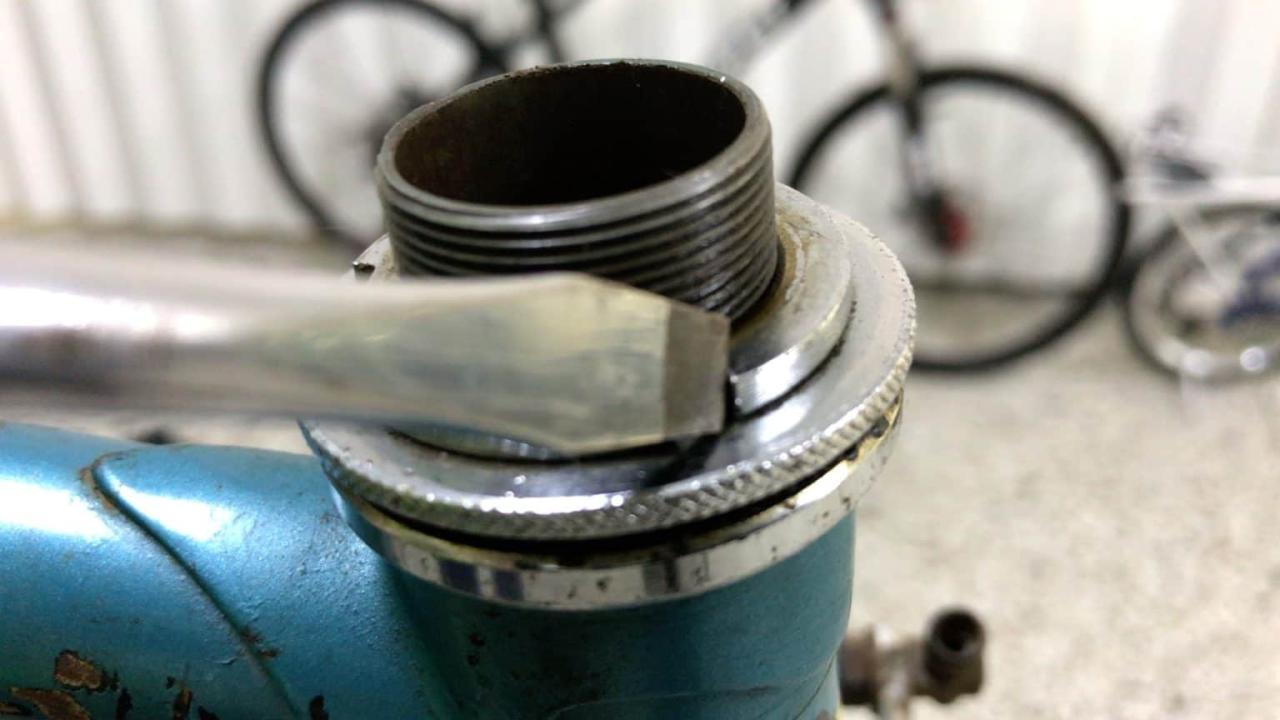
Re-greasing a threaded headset is a crucial step in bicycle maintenance that ensures smooth steering and prolongs the life of the headset components. Proper lubrication reduces friction and wear, preventing premature failure. This section Artikels the correct techniques for applying grease, the appropriate amounts to use, and guidelines for reassembling the headset components after greasing.
Techniques for Applying Grease
The application of grease must be performed with care to ensure that every essential part is adequately lubricated without excess. The following steps describe the techniques for effective greasing:
- Before applying grease, ensure that all parts are completely clean and free from debris. Use a clean rag to wipe surfaces.
- Using a clean applicator or your fingers, apply a thin layer of grease to the threads of the headset cup where it will contact the frame.
- Coat the inside surfaces of the headset bearings lightly, ensuring you cover the full circumference but avoid overloading to prevent grease from spilling over.
- Apply grease to the contact areas between the bearings and the races of the headset to facilitate smooth movement and prevent corrosion.
Amount of Grease to Use
Using the correct amount of grease is essential to avoid performance issues and ensure longevity. The following guidelines help determine the appropriate amount needed for each area:
- For thread lubrication, a small amount—about the size of a pea—is sufficient to coat the threads without excess build-up.
- When greasing the bearings, use a minimal layer, approximately 1mm thick, ensuring that the grease fills the gaps without overflowing.
- It’s advisable to apply a thin film on the contact surfaces between the headset and the forks to minimize resistance during steering movement.
Reassembling Headset Components
Once the greasing is complete, the headset components must be reassembled correctly to ensure proper functionality. Follow these steps for reassembly:
- Place the bearings back into their designated races, ensuring they are seated evenly and securely.
- Align the headset cups with the frame and insert them carefully, making sure they are properly oriented and seated without forcing.
- Attach the top cap and tighten it gradually, ensuring that the headset is adjusted correctly for smooth steering without play.
- Check for any misalignments and adjust as necessary before securing all components tightly to avoid future issues.
Proper re-greasing and reassembly of the headset components are vital for ensuring optimal performance and longevity of your bicycle’s steering system.
Tips for Maintaining a Threaded Headset
Maintaining a threaded headset is essential for ensuring a smooth and efficient riding experience. Regular maintenance not only prolongs the life of the headset but also enhances overall bike performance. Adopting a few simple strategies can make a significant difference in the longevity and efficiency of your headset.Ongoing maintenance between servicing is crucial in keeping the headset functioning optimally. Here are some strategies to help you maintain your threaded headset effectively:
Ongoing Maintenance Strategies
To maintain a threaded headset, it is important to frequently check for any signs of wear or damage. Here are several strategies that can assist in the ongoing maintenance of your headset:
- Regularly inspect the headset for play or looseness. A quick check can be performed by applying pressure to the handlebars and observing any movement in the headset.
- Ensure the headset is properly tightened without over-tightening, which can lead to premature wear.
- Clean the headset area regularly, especially after rides in harsh conditions, to prevent dirt and grime buildup.
- Check the headset adjustment during tire changes or major bike services to ensure it remains in optimal condition.
Recognizing the signs that indicate it’s time for another servicing session is equally important. Paying attention to these signals can help prevent more serious issues down the line.
Signs Indicating Need for Servicing
Several key indicators can signal the necessity for servicing your threaded headset. Monitoring these signs can help you maintain optimal performance:
- Increased play or looseness in the headset, which can lead to poor steering control.
- Unusual noises, such as creaking or grinding sounds when turning the handlebars, often suggest that lubrication is required.
- Resistance or stiffness in the steering, which may indicate that the headset needs to be cleaned and re-greased.
- Visible wear or damage to the headset components, such as rust or pitting on the bearings.
Establishing a schedule for regular headset checks based on your riding frequency can further enhance maintenance efforts. This proactive approach will help mitigate potential issues before they arise.
Regular Headset Check Schedule
Creating a regular schedule for checking your threaded headset is essential for maintaining its performance. The following schedule can be adapted based on riding frequency:
- For daily riders: Inspect the headset once a week to catch any early signs of wear or need for lubrication.
- For weekend riders: Schedule a thorough inspection before and after weekend rides to ensure optimal performance.
- For occasional riders: A monthly check should suffice to ensure that the headset remains in good condition, particularly before longer rides.
Incorporating these tips into your maintenance routine will ensure that your threaded headset remains in excellent working order, providing a safe and enjoyable riding experience.
Common Mistakes to Avoid When Servicing Headsets
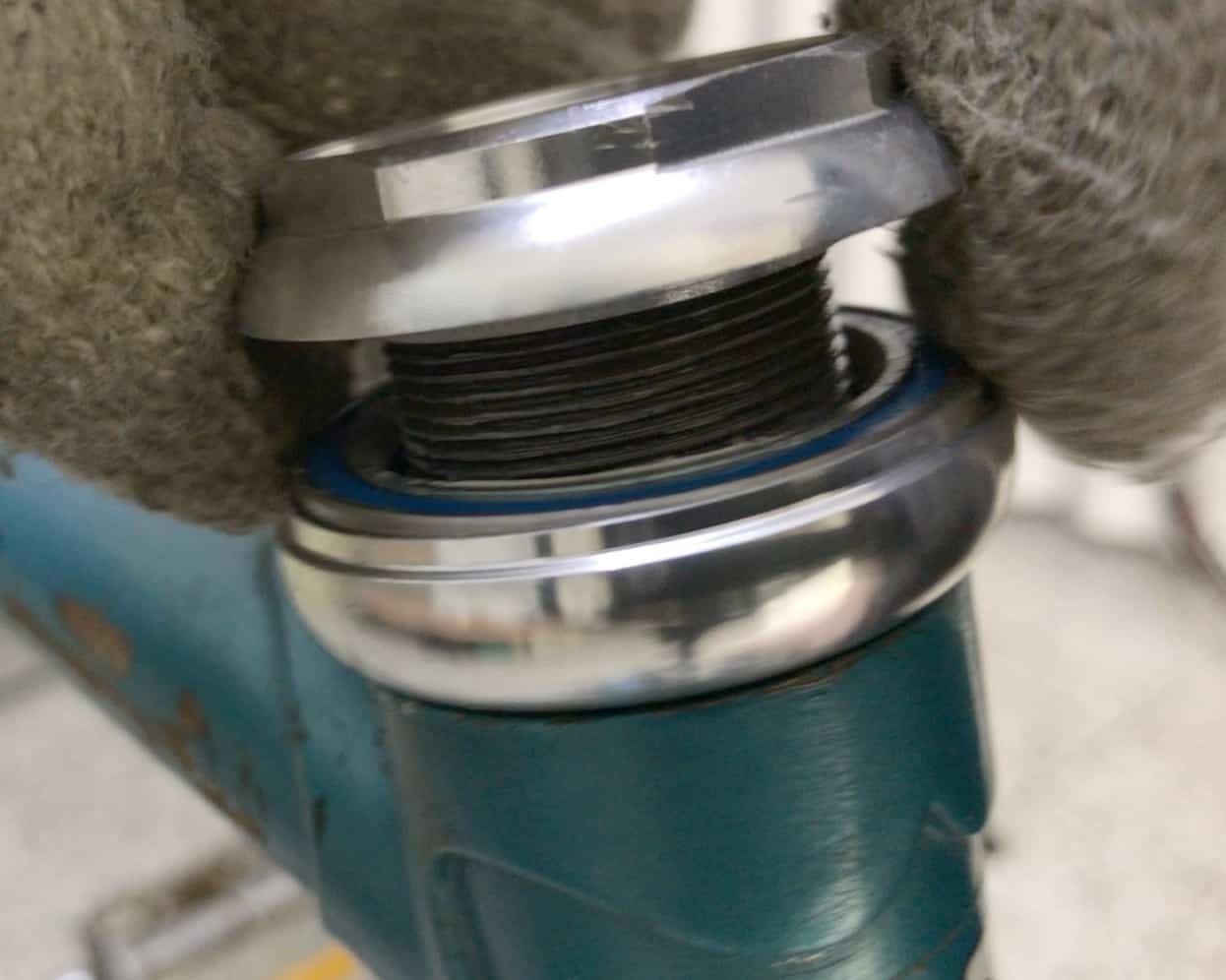
Maintaining a threaded headset is a crucial aspect of bicycle upkeep, ensuring smooth steering and overall ride comfort. However, enthusiasts often encounter pitfalls during the servicing process that can lead to negative performance impacts. Recognizing and avoiding these common mistakes can enhance the longevity and functionality of your headset.Improper reassembly and lubrication are two prevalent errors that can significantly affect headset performance.
When reassembling headset components, failing to align parts correctly can lead to binding or uneven play in the bearings. Additionally, inadequate lubrication can result in increased friction, wear, and ultimately, premature failure of headset components. Addressing these issues from the outset not only preserves the integrity of the headset but also contributes to a safer riding experience.
Frequent Errors in Headset Maintenance
Several mistakes are often made during the servicing of threaded headsets. Understanding these errors can help you avoid them and ensure a more effective maintenance process.
- Forgetting to Clean Before Lubricating: Many overlook the importance of thorough cleaning before applying new grease. Residual dirt can mix with lubrication, causing abrasive wear on bearings.
- Over-lubricating Headset Components: Applying too much grease can cause it to migrate to places where it is not needed, attracting dirt and grime. A thin, even layer is sufficient.
- Neglecting to Inspect Bearings: Failing to check the condition of bearings can lead to overlooking signs of damage or wear. Regular inspections are essential for maintaining function.
- Incorrect Torque Settings: Not adhering to recommended torque specs during reassembly can result in components that are either too loose or too tight, affecting headset performance.
Consequences of Improper Reassembly or Lubrication
Improper reassembly or lubrication can lead to a variety of performance issues. For example, misaligned parts may create uneven wear patterns, which can result in steering that feels sticky or imprecise. Additionally, inadequate lubrication can cause overheating and increase the likelihood of components seizing up during operation.
“Proper lubrication and assembly are essential for ensuring the longevity and performance of your headset.”
Troubleshooting Post-Servicing Issues
After servicing a threaded headset, several troubleshooting steps can help identify and rectify issues that arise. Knowing how to approach these concerns will enhance your maintenance skills.
- Check for Excessive Play: If there is noticeable play in the headset after reassembly, it may indicate that the components have not been tightened to the correct torque, or that bearings are not seated properly.
- Listen for Unusual Noises: Grinding or creaking sounds during steering can indicate insufficient lubrication or debris trapped within the headset. Immediate inspection is necessary.
- Examine for Binding: If steering feels stiff, components may be misaligned or over-tightened. Loosening the top cap slightly may resolve this issue.
- Monitor Performance During Rides: Take note of any changes in handling or steering responsiveness post-service. If issues persist, consider disassembling and reassessing the lubrication and alignment.
Enhancing Performance Through Proper Headset Care
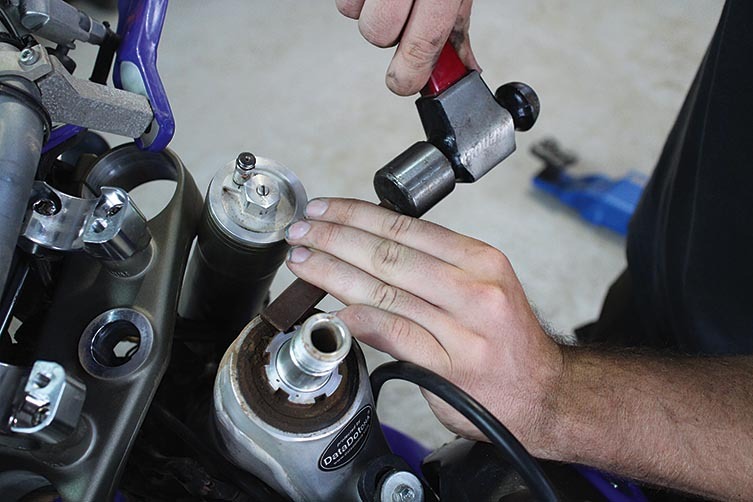
A well-maintained headset is essential for optimizing the performance of a bicycle. It not only ensures smooth steering but also contributes significantly to the overall riding experience. Regular servicing of the headset leads to improved bike handling, stability, and rider comfort, all of which are vital for both casual riders and competitive cyclists.A functional headset plays a crucial role in the bike’s geometry and handling.
When properly greased and serviced, the headset allows for seamless rotation of the handlebars, which translates to precise steering. Neglecting this component can lead to increased friction, making steering sluggish and compromising overall performance. Additionally, a well-maintained headset minimizes the risk of damage to other components, such as the fork and frame, ultimately prolonging the life of the bicycle.
Impact of Headset Servicing on Rider Comfort
The relationship between headset servicing and rider comfort is profound. A well-maintained headset can significantly enhance the ride quality by providing a smoother, more controlled handling experience. Several aspects of headset care contribute to this comfort:
- Smoother Steering: Regularly greasing and servicing the headset reduces friction, leading to effortless steering and better handling.
- Vibration Damping: A properly maintained headset absorbs shocks and vibrations from the road, helping to minimize rider fatigue and discomfort.
- Improved Stability: Ensuring that the headset is free from wear and tear enhances stability, particularly during descents or sharp turns.
- Enhanced Safety: Regular inspection and servicing reduce the chances of headset failure, which can lead to accidents or loss of control.
Tracking performance improvements following maintenance is essential for understanding the impact of headset care. Riders can take note of changes in handling, steering responsiveness, and overall ride comfort. A systematic approach can help in this process:
- Pre- and Post-Maintenance Assessments: Take the bicycle for a ride before and after servicing the headset to evaluate differences in performance.
- Log Performance Metrics: Maintain a log of how the bike feels during rides, noting any improvements in steering precision and ride quality.
- Seek Feedback: If riding with others, ask for their opinion on the bike’s handling before and after servicing.
By prioritizing headset care, cyclists can not only enhance the performance of their bicycle but also ensure a comfortable and enjoyable riding experience, ultimately leading to better performance on the road or trail.
Ending Remarks
In conclusion, maintaining your threaded headset through regular servicing and re-greasing can lead to noticeable improvements in both your bike’s performance and rider comfort. By following the Artikeld steps and being mindful of common mistakes, you can ensure that your headset remains in excellent condition for many rides to come. Embrace the art of bike maintenance, and enjoy the satisfaction of a smoothly operating headset that enhances your overall cycling experience.