Understanding How to Repair a Torn or Ripped Bicycle Saddle is essential for any cyclist looking to maintain their equipment and enhance their riding experience. Tears and rips in bicycle saddles can occur due to various factors, including prolonged use, exposure to harsh weather, or even improper storage. Addressing these issues promptly not only prolongs the life of the saddle but also ensures optimal performance during rides.
This guide will offer a comprehensive overview, detailing the common causes of saddle damage, the necessary tools and materials for effective repairs, and the step-by-step process to restore your saddle to its former glory. Moreover, we will explore preventative measures to help avoid future issues and discuss alternative saddle options for those considering replacement.
Overview of Bicycle Saddle Damage
Bicycle saddles are integral components of a bicycle, providing support for the rider during their journey. However, they are often subject to wear and tear, which can lead to various types of damage, including tears and rips. Understanding the causes of saddle damage, the materials involved, and the implications for cycling performance is essential for any cyclist.Tears and rips in bicycle saddles can occur due to several common factors.
Frequent use, exposure to harsh weather conditions, and improper storage can lead to degradation of the saddle material. Additionally, the way a cyclist sits on the saddle, such as shifting weight or moving inappropriately during rides, can contribute to wear. Over time, these factors can cause the saddle cover to weaken, leading to visible damage.
Common Causes of Saddle Damage
Identifying the primary causes of bicycle saddle damage helps in addressing the issue effectively. Key factors include:
- Frequent Use: Regular riding increases the likelihood of abrasion and stress on the saddle material.
- Weather Exposure: Prolonged exposure to rain, sun, and extreme temperatures can deteriorate materials like leather and synthetic fabrics.
- Improper Storage: Leaving the bicycle in damp or excessively hot environments can accelerate material degradation.
- Weight Distribution: An improper seated position or shifting weight excessively can cause localized stress, leading to rips.
Understanding the materials used in bicycle saddles is crucial, as they can greatly influence the repair methods available. Common saddle materials include leather, synthetic fabrics, and foam inserts. Each material type has distinct properties affecting their durability and repairability. For example, leather may be patched and stitched, while synthetic materials may require specialized adhesives or tape for repairs.
Impact of Saddle Damage on Cycling Performance
Saddle damage can significantly hinder a cyclist’s performance and comfort. The consequences are both immediate and long-term, impacting the overall cycling experience. When a saddle is torn or ripped, it can lead to discomfort or pain, discouraging proper riding posture, which can subsequently affect balance and control. In extreme cases, severe damage may lead to saddle failure during a ride, posing safety risks for the cyclist.
Additionally, a damaged saddle can cause excessive movement, resulting in chafing and irritation for the rider. In summary, understanding the causes of bicycle saddle damage, the materials involved, and their effects on cycling performance underscores the importance of timely repairs and maintenance. Addressing these issues proactively will enhance comfort and safety, ensuring a more enjoyable cycling experience.
Tools and Materials Required for Repair
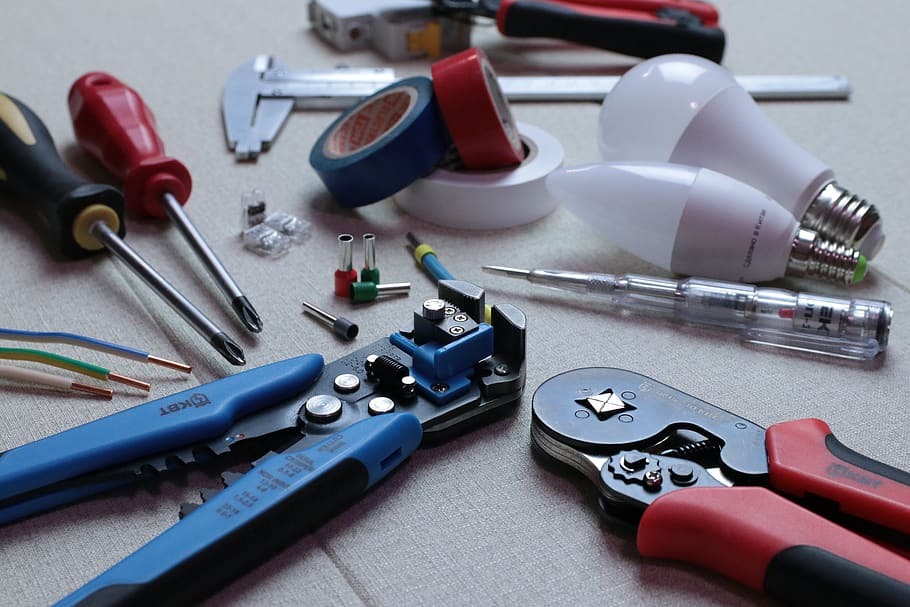
Repairing a torn or ripped bicycle saddle requires specific tools and materials to ensure a durable and effective fix. Choosing the right items not only facilitates the repair process but also enhances the longevity and usability of the saddle. Below are essential tools and suitable materials needed for a successful repair.
Essential Tools for Repairing a Saddle
A well-equipped toolkit will streamline the repair process. The following tools are imperative for fixing a torn or ripped bicycle saddle:
- Utility Knife or Scissors: Essential for trimming frayed edges and cutting patches to the correct size.
- Sandpaper: Useful for roughening the surface of the saddle and the patch to ensure better adhesion.
- Needle and Thread: Important for stitching up large tears and reinforcing weak areas. A heavy-duty needle and strong thread, such as upholstery thread, are recommended.
- Adhesive or Fabric Glue: Required for securely adhering patches; a strong fabric adhesive is preferable for flexible materials.
- Ruler or Measuring Tape: Assists in accurately measuring the size of the tear and the patch needed.
Materials for Patching or Reinforcing a Saddle
Selecting the right materials for patching is crucial for the effectiveness of the repair. The materials used should be durable and compatible with the saddle’s original material. Consider the following options:
- Patch Material: Options such as leather, vinyl, or specialized saddle repair fabric can be used. The chosen material should ideally match the saddle’s original fabric for a seamless repair.
- Reinforcement Fabric: For larger tears, using a backing or reinforcement fabric can provide additional strength and support.
- Waterproofing Treatment: Post-repair, applying a waterproofing product can help protect the saddle from moisture damage and extend its lifespan.
Importance of Selecting the Right Adhesive or Stitching Method
Choosing the appropriate adhesive or stitching method is critical in ensuring a successful saddle repair. Each option has its advantages, depending on the extent and location of the damage.
The choice of adhesive primarily affects the flexibility and durability of the repair. Fabric adhesives allow for some movement, which is beneficial for riding comfort.
Stitching, while more labor-intensive, provides a permanent solution for larger rips, ensuring that the pressure from riding does not separate the patch from the saddle.
Step-by-Step Repair Process

The process of repairing a torn or ripped bicycle saddle requires careful assessment and execution to ensure durability and comfort. By following a structured approach, cyclists can restore their saddle effectively, prolonging its lifespan and enhancing their riding experience. This section discusses the necessary steps to assess damage, clean the saddle, and repair it through patching or stitching.
Initial Assessment of Saddle Damage
Before proceeding with any repairs, evaluating the extent of the damage to the saddle is crucial. This assessment will determine the best method for repair and whether additional materials are required. The following steps should be taken during the assessment:
- Inspect the saddle for visible tears or rips, noting their size and location.
- Check for any underlying damage to the saddle’s structure, such as broken rails or compromised foam.
- Determine if the damage is superficial or if it affects the saddle’s functionality.
- Assess the material of the saddle, as different materials may require specific repair techniques.
Cleaning the Saddle Before Repair
Proper cleaning of the saddle is essential prior to any repair work. Cleaning ensures that the adhesive or stitching bonds effectively, resulting in a more durable repair. The following steps Artikel the cleaning process:
- Begin by removing the saddle from the bicycle for easier handling.
- Use a soft cloth or sponge to wipe down the surface of the saddle, removing dirt and grime.
- For stubborn stains, a mild soap solution can be applied gently.
- Rinse the saddle thoroughly with water, ensuring no soap residue remains.
- Allow the saddle to dry completely, preferably in a well-ventilated area away from direct sunlight, which can cause warping or fading.
Applying a Patch or Stitching the Tear
Once the saddle is clean and dry, the actual repair can commence. Depending on the size and type of damage, the saddle can be repaired using a patch or stitching. The following method Artikels both approaches: For Patching:
- Choose a patch material that closely matches the saddle’s original material for aesthetic consistency. Bicycle repair patches or durable fabric patches can be suitable options.
- Cut the patch to size, ensuring it fully covers the damaged area with a margin for adhesion.
- Apply a strong adhesive, such as fabric glue or contact cement, to both the saddle and the patch.
- Press the patch firmly onto the saddle, ensuring there are no air bubbles.
- Allow the adhesive to cure according to the manufacturer’s instructions before using the saddle.
For Stitching:
- Select a heavy-duty nylon or polyester thread that matches the saddle’s color.
- Use a needle designed for heavy fabrics, ensuring it can penetrate the saddle material without causing further damage.
- Begin stitching at one end of the tear, securing the thread with a knot on the inside of the saddle.
- Use a simple whip stitch or backstitch, making sure to pull the thread tight without causing strain on the material.
- Continue stitching until the entire tear is closed, then secure the end with a knot and trim any excess thread.
“A well-repaired saddle not only enhances performance but also contributes significantly to a cyclist’s comfort and enjoyment.”
Preventative Measures
To extend the life of a bicycle saddle, it is essential to implement effective preventative measures that protect against wear and damage. By adopting simple practices, cyclists can maintain their saddles, ensuring comfort and durability during rides. This proactive approach not only enhances the riding experience but also saves time and resources on future repairs.Several strategies can be employed to avoid common forms of saddle damage.
The following points highlight practical approaches to safeguard your bicycle saddle from deterioration and ensure it remains in optimal condition.
Strategies for Extending Saddle Life
Proper care and maintenance can significantly prolong the lifespan of a bicycle saddle. Key strategies include:
- Regular Cleaning: Keeping the saddle clean from dirt and debris prevents material degradation and maintains its appearance.
- Use of a Saddle Cover: A protective cover can shield the saddle from harsh weather conditions, UV rays, and moisture that may cause damage over time.
- Correct Saddle Positioning: Ensuring the saddle is properly adjusted helps prevent unnecessary stress on materials, reducing the likelihood of tears or rips.
Common Practices to Avoid Future Damage
Engaging in specific practices can minimize the risk of future saddle damage. These practices include:
- Avoiding Excessive Weight: Limiting the weight placed on the saddle, particularly during transport or storage, prevents material strain.
- Using Appropriate Riding Gear: Wearing appropriate clothing and using padded shorts can reduce friction, which may contribute to wear and tear.
- Regular Inspections: Routinely checking for signs of wear, such as cracks or fraying, allows for early intervention before significant damage occurs.
Checklist for Regular Saddle Maintenance
Establishing a maintenance routine is crucial for preserving saddle integrity. A comprehensive checklist for regular saddle maintenance includes:
- Inspect the saddle for any visible damage or wear.
- Clean the saddle with appropriate cleaning agents to remove dirt and sweat.
- Check saddle bolts and adjust them to the correct tension.
- Store the bicycle in a dry, sheltered location to shield it from the elements.
- Apply a conditioner or protectant suitable for the saddle material to maintain flexibility.
Alternative Saddle Options

When faced with a torn or ripped bicycle saddle, cyclists often ponder whether to repair the existing saddle or invest in a new one. Understanding the various types of saddles available on the market, alongside the advantages and disadvantages of both options, can significantly influence this decision. Additionally, knowing budget-friendly alternatives can assist cyclists in making an informed choice without compromising comfort or performance.Different types of bicycle saddles cater to various riding styles, preferences, and body types.
Selecting the right saddle can enhance your overall cycling experience and prevent discomfort during rides.
Types of Bicycle Saddles
When considering alternative saddle options, it is essential to be aware of the various types available. Each type serves distinct purposes and is suited for specific riding styles. Below are some common saddle types along with their characteristics:
- Road Saddles: Typically lightweight and narrow, these saddles are designed for efficiency and speed. They cater to cyclists who spend long hours in a forward-leaning position.
- Mountain Bike Saddles: These saddles often feature additional padding and a wider design to provide comfort on rough terrains and during aggressive riding.
- Touring Saddles: Built for long-distance rides, touring saddles offer ample padding and support for extended periods in the saddle.
- Commuter Saddles: Designed for urban cycling, these saddles focus on comfort and practicality, making them suitable for everyday riding.
- Women-Specific Saddles: Tailored to accommodate the anatomical differences of female riders, these saddles often feature wider seating areas and cutouts for better blood flow and comfort.
Repairing Versus Replacing a Saddle
When considering whether to repair or replace a saddle, it is crucial to weigh the pros and cons of each option. This decision can significantly impact your riding experience and budget.
- Repairing: Repairing a saddle can be a cost-effective solution, especially if the damage is minimal. It allows you to maintain the familiar comfort of your current saddle.
- Replacing: Investing in a new saddle can provide improved comfort and performance, especially if your current saddle has reached the end of its lifespan. New technologies and designs might enhance your cycling experience.
“The choice between repairing and replacing often comes down to the extent of damage and personal comfort preferences.”
Budget-Friendly Saddle Options for Replacement
For those seeking to replace their saddle without straining their finances, there are numerous budget-friendly options available. Exploring these alternatives can help cyclists find a suitable replacement without compromising quality.
- Basic Road or Mountain Saddles: Many reliable brands offer road or mountain saddles that are affordable yet provide decent performance and comfort.
- Entry-Level Women-Specific Saddles: These saddles cater to female riders and are available at reasonable prices, ensuring comfort for those who may ride frequently.
- Sales and Discounts: Keep an eye on seasonal sales or discounts offered by reputable cycling retailers, which can make higher-end saddles more affordable.
- Online Marketplaces: Sometimes, online platforms offer competitive prices for saddles, making it easier to find budget-friendly options.
DIY vs Professional Repair
When faced with a torn or ripped bicycle saddle, cyclists often find themselves weighing the options between DIY repairs and seeking professional assistance. While many choose the DIY route to save money and learn a new skill, there are circumstances where a professional repair may be the more prudent choice. Understanding when to opt for each approach is crucial for maintaining both the integrity of the saddle and the overall safety of the bicycle.Considering professional repair services is essential when the damage to the saddle is extensive or complicated.
For example, if the saddle’s structural integrity has been compromised, leading to a potential risk while riding, professional expertise may be necessary to ensure a safe and effective repair. Additionally, if the saddle is made from specialized materials that require specific tools or techniques for repair, a professional may be better equipped to handle the job.
Cost-Effectiveness of DIY Repairs
DIY repairs can often be a cost-effective solution for minor damages. The initial expense involved with purchasing repair kits or materials is generally lower than professional repair fees. However, it is important to consider the time investment and the potential costs associated with improper repairs that may necessitate further professional intervention. This can lead to a scenario where the DIY approach ultimately becomes more expensive.
For instance, a simple saddle tear can be repaired using a specialized adhesive and patch kit available for around $10 to $20. In contrast, professional repair services can range from $30 to $75, depending on the nature of the repair and the saddle’s brand. While the DIY method may seem more economical initially, if the repair is executed poorly, it could result in having to replace the saddle completely, which could cost upwards of $50 to $150, depending on the model.
Situations Requiring Professional Repair
Some scenarios clearly indicate the necessity for professional intervention. Recognizing these situations can save time, money, and the risk of unsafe riding conditions. Consider the following examples:
- Extensive damage where multiple layers of the saddle material are torn or missing, which could compromise comfort and safety.
- Severe sagging or misalignment of the saddle, indicating structural issues requiring professional adjustment.
- Presence of mold or other decay, which may necessitate replacement rather than repair.
- Involvement of high-end or unique saddle materials, such as carbon fiber or specialized leather, which require specific repair techniques and tools.
In situations where safety and longevity are at stake, opting for professional repair can provide peace of mind and ensure the saddle functions as intended.
User Experiences and Tips
Many cyclists have encountered the challenge of repairing a torn or ripped bicycle saddle, often turning a frustrating situation into a valuable learning experience. Their stories provide insightful perspectives on the repair process and highlight practical solutions. This section compiles firsthand accounts and collective wisdom from experienced cyclists, offering valuable tips and lessons learned throughout their saddle repair journeys.
Firsthand Accounts from Cyclists
Numerous cyclists have shared their experiences regarding saddle repairs, emphasizing the importance of timely intervention. One cyclist recounted a scenario where a small tear was left unattended, which ultimately expanded, requiring more extensive repairs. This reinforces the necessity of addressing saddle damage promptly. Another cyclist mentioned a successful repair using a patch kit, which not only restored the saddle but also saved money on replacements.
Common Tips and Tricks from Experienced Cyclists
Gathering insights from seasoned riders reveals a wealth of knowledge regarding saddle repairs. Here are some key tips that can enhance the repair process:
- Choose a repair method based on the extent of the damage; minor tears can often be effectively patched, while larger rips may require a complete saddle cover replacement.
- Regularly inspect your saddle to catch any damage early. Cyclists recommend conducting quick visual checks before and after rides.
- Utilize high-quality adhesive for repairs to ensure longevity. Many cyclists prefer waterproof adhesives that can withstand various weather conditions.
- If using fabric patches, consider selecting materials that match the original saddle for a seamless look and improved durability.
Lessons Learned from Saddle Repair Attempts
Throughout the saddle repair process, cyclists have gleaned essential lessons that can benefit others. Some key takeaways include:
- Patience is crucial; rushing the repair process can lead to suboptimal results, such as uneven patches or adhesive not setting properly.
- Document the repair process with photos; this can serve as a reference for future repairs or as a tutorial for fellow cyclists.
- Understanding saddle anatomy can greatly assist in making more informed repair decisions, enabling cyclists to identify vulnerable areas.
- Engaging with local biking communities can provide support and shared experiences, often leading to tips that are not available in manuals or online resources.
“A well-repaired saddle can extend the life of your bike and enhance your riding experience. Don’t overlook the small damages!” – Experienced Cyclist
Final Thoughts
In conclusion, repairing a torn or ripped bicycle saddle is not only a practical solution but also an opportunity to enhance your cycling experience. By following the Artikeld steps and implementing preventative measures, cyclists can ensure their saddles remain in good condition for years to come. Whether through DIY repairs or seeking professional help, understanding the intricacies of saddle maintenance can lead to more enjoyable and efficient rides.