How to Replace a Bicycle Headset stands as a pivotal skill for any cycling enthusiast dedicated to ensuring their bicycle operates at peak performance. The bicycle headset serves as a crucial component, connecting the fork to the frame and allowing for smooth steering. Understanding its function and the common issues that may arise, such as wear and tear or misalignment, is essential for maintaining not only the bike’s performance but also the rider’s safety.
With the right tools at hand and a clear step-by-step guide, replacing a bicycle headset can be a straightforward task that enhances your riding experience. This guide will take you through the entire process, from identifying the type of headset compatible with your bike to performing necessary adjustments post-installation, ensuring that you ride with confidence.
Introduction to Bicycle Headsets
The bicycle headset is a crucial component in the overall mechanics of a bicycle, serving as the interface between the frame and the fork. It allows the fork to turn smoothly, enabling the rider to steer effectively. The headset consists of bearings that facilitate this movement, ensuring that the bike operates efficiently during rides. A well-functioning headset contributes significantly to the overall handling and performance of the bicycle.Common issues that necessitate headset replacement include excessive play, which can lead to unstable steering, and rough or gritty movement due to worn-out bearings.
These problems often arise from the headset being exposed to moisture, dirt, and other environmental factors over time. Regular inspections and maintenance are vital to identify these issues early, preventing further damage and ensuring a safe riding experience.
Importance of Headset Maintenance
Maintaining the bicycle headset is paramount for both safety and performance. A compromised headset can lead to significant handling issues that may endanger the rider. Below are key reasons why headset maintenance should not be overlooked:
- Ensures Smooth Steering: Regular maintenance allows for lubrication of bearings, resulting in effortless steering and improved maneuverability.
- Enhances Stability: A properly functioning headset helps maintain the bike’s stability, especially during high-speed descents or sharp turns.
- Prevents Premature Wear: Addressing minor issues promptly can prevent the need for complete headset replacement, saving both time and money.
- Improves Rider Comfort: A well-maintained headset minimizes vibrations and discomfort, enhancing the overall riding experience.
Routine checks can prevent severe issues with the headset, ensuring safety and optimal performance during rides.
Overall, the headset plays a pivotal role in the bicycle’s functionality. Its maintenance not only enhances performance but also safeguards the rider’s safety, emphasizing the need for regular inspections and prompt replacements when necessary.
Tools Required for Replacing a Bicycle Headset
Replacing a bicycle headset requires a specific set of tools to ensure the process is completed efficiently and effectively. Having the right tools not only simplifies the replacement but also minimizes the risk of damaging components. Below is a comprehensive list of tools essential for replacing a bicycle headset, along with their purposes and functions.
Essential Tools for Headset Replacement
A thorough understanding of each tool’s role in headset replacement enhances the overall maintenance of your bicycle. Below is a list of the most important tools you will need for this task:
- Headset Press: This tool is essential for installing the new headset cups into the frame without causing damage. It ensures even pressure is applied, making the installation seamless.
- Hammer: Often used in conjunction with a headset cup installation tool, a hammer assists in gently tapping components into place, ensuring a snug fit without causing misalignment.
- Allen Wrenches (Hex Keys): These wrenches are required to remove and install various screws found in the headset assembly, particularly when dealing with compression rings or top race adjustments.
- Torque Wrench: To avoid over-tightening and damaging headset components, a torque wrench helps in applying the correct amount of force as specified by the manufacturer.
- Flathead and Phillips Screwdrivers: These screwdrivers are necessary for various adjustments and disassembly of the headset, particularly for components that may have screws instead of bolts.
- Bike Stand: A reliable bike stand is crucial for stabilizing the bicycle during the headset replacement process, allowing for easy access and comfortable working conditions.
- Grease: Bicycle-specific grease is used to lubricate the headset components, which helps to prevent wear and ensures smooth operation.
The above tools are vital to ensure that the headset replacement is performed correctly. Each tool has a specific function that contributes to the overall success of the process.
Comparison of Headset Replacement Tools
Understanding the differences between various tools available for headset replacement can help in choosing the right equipment for your needs. The following is a comparison of commonly used tools:
| Tool | Purpose | Pros | Cons |
|---|---|---|---|
| Headset Press | To install headset cups without damage | Ensures even pressure, minimizes risk of damage | Can be expensive, requires some skill to use |
| Hammer | Tapping components into place | Widely available, easy to use | Risk of damaging components if used improperly |
| Torque Wrench | Applying precise torque to bolts | Prevents over-tightening, maintains component integrity | Requires calibration and may be costly |
In summary, choosing the right tools for replacing a bicycle headset is essential for achieving a successful outcome. Each tool serves a unique purpose and has its advantages and disadvantages, making it crucial to understand their functionality before starting the replacement process.
Types of Bicycle Headsets
Bicycle headsets play a critical role in the overall performance and comfort of a bike, connecting the fork to the frame while allowing for smooth steering. Understanding the different types of bicycle headsets is essential for any cyclist looking to replace or upgrade their headset. Each type has unique characteristics, advantages, and disadvantages that can affect compatibility with various bike models.
Threaded Headsets
Threaded headsets feature a design where the headset cups are screwed into the frame’s head tube. This traditional type of headset is commonly found on older bicycles and some utility bikes. The main benefits of threaded headsets include their straightforward installation and compatibility with a broad range of fork types. They tend to be more robust than some modern alternatives, which can be advantageous for heavier riders or those who frequently ride on rough terrain.
However, the drawbacks include a generally heavier construction and limited adjustability once installed. Additionally, they have become less common in newer bike designs, which may restrict compatibility with modern frames and forks.
Threadless Headsets
Threadless headsets, on the other hand, do not utilize threading to secure the headset to the frame. Instead, they rely on a compression system combined with a stem that clamps onto the steerer tube of the fork.The advantages of threadless headsets include a lighter overall weight and a more streamlined design, making them popular in contemporary bike models, especially in performance-oriented bicycles.
They also offer greater adjustability after initial installation, allowing for precise tuning of bike geometry and fit. However, they may require specific tools for installation and adjustment, which can be a drawback for those without experience or proper equipment. Furthermore, compatibility issues can arise, as not all frames and forks accommodate threadless systems.
Compatibility Considerations
When considering a headset replacement, compatibility with your specific bike model is crucial. Below are key points to keep in mind regarding headset compatibility:
- Frame Design: Ensure that the headset type matches the frame’s design—threaded for older models and threadless for most modern bikes.
- Steerer Tube Diameter: Different bicycles have varying steerer tube diameters, requiring a headset that fits precisely.
- Race Type: The type of headset race (integrated, external, or semi-integrated) must align with the frame’s specifications.
- Intended Use: Choose a headset that suits your cycling style, whether it’s road, mountain, or hybrid biking, to ensure optimal performance.
“Selecting the correct headset ensures not just comfort but also enhances the bike’s handling and steering precision.”
In summary, understanding the differences between threaded and threadless headsets, along with their compatibility considerations, is essential for achieving the best performance from your bicycle. Selecting the right headset will support your riding style and improve your overall cycling experience.
Step-by-Step Procedure for Removing the Old Headset
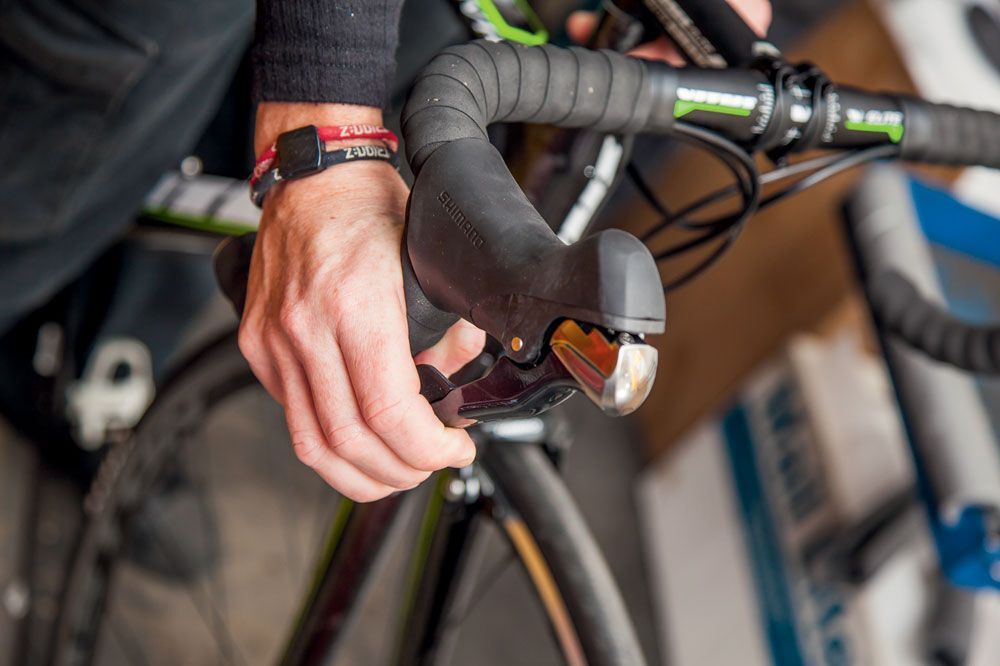
Replacing a bicycle headset requires careful attention to detail, especially during the removal of the old headset. This step is critical as any negligence may lead to damage to the bicycle frame or the new headset installation. Following a systematic procedure ensures the task is completed efficiently and safely.The removal of a bicycle headset involves several steps that require specific tools and techniques.
It is essential to approach this task methodically, ensuring that no components are damaged in the process. Below are the detailed steps for safely removing the old headset.
Procedure for Removing the Old Headset
1. Prepare Your Workspace
Ensure your workspace is clean and well-lit. Gather all necessary tools, including a headset removal tool or a hammer and a wooden block, and prepare the bicycle on a repair stand if possible.
2. Remove the Front Wheel
Begin by detaching the front wheel from the bicycle. This step often provides better access to the headset.
3. Loosen the Stem Bolts
Using an appropriate Allen wrench, loosen and remove the bolts securing the stem to the steerer tube. This may require you to hold the handlebars steady while you work.
4. Remove the Stem
Once the bolts are loose, carefully slide the stem off the steerer tube. Take care not to damage any cables attached to the handlebars.
5. Inspect the Headset
Examine the headset for any visible signs of wear or damage. This assessment can help inform your decisions regarding replacement.
6. Use the Headset Removal Tool
If your bicycle headset has a threaded design, use the headset removal tool to push the cups from the frame. For press-fit headsets, gently tap the cups out using a hammer and wooden block, ensuring you apply even pressure.
7. Clean the Area
After the cups are removed, clean the head tube and the surrounding area to prepare for the installation of the new headset.It is crucial to adhere to safety precautions while performing the removal. The following safety tips can help prevent accidents and ensure a smooth process:
Safety Tips for Headset Removal
When removing a bicycle headset, it is important to prioritize safety. Below are some essential safety tips to keep in mind:
- Wear safety glasses to protect your eyes from debris.
- Ensure your tools are in good condition and appropriate for the task.
- Keep your hands clear of moving parts, especially while using the hammer.
- Perform the task in a well-ventilated area to avoid inhaling any dust or debris.
- Use a repair stand to stabilize the bicycle, minimizing the risk of injury.
Additionally, avoiding common mistakes can significantly improve the removal process and help maintain the integrity of your bicycle components. Here are some errors to watch out for:
Common Mistakes to Avoid
Several common pitfalls can occur during headset removal. Recognizing these mistakes can help ensure a successful removal:
- Failing to loosen all stem bolts properly can lead to stripping the threads.
- Not using the correct tools may cause damage to the headset or frame.
- Forgetting to inspect the headset for wear can result in reinstallation of damaged components.
- Applying excessive force when removing headset cups can damage the frame.
- Neglecting to clean the head tube may lead to improper installation of the new headset.
Installing the New Headset

Installing a new bicycle headset is an essential step to ensure smooth steering and overall bike performance. This process requires precision to ensure that all components fit correctly and function optimally. A properly installed headset enhances the bike’s handling capabilities, providing a safer and more enjoyable riding experience.The installation of a new headset involves several detailed steps and attention to alignment.
Proper alignment is crucial for the headset to function efficiently, which can influence both the bike’s handling and the rider’s comfort. Following the correct procedure ensures that the headset operates smoothly and extends its lifespan.
Alignment Techniques for Proper Fitting
Achieving the correct alignment while installing a new headset is vital for optimal performance. Misalignment can lead to poor handling and increased wear on components. Below are techniques to ensure proper fitting during installation:
1. Pre-assembly Check
Before beginning the installation, inspect all components for damage or wear. Make sure the new headset parts are clean and free of debris.
2. Proper Orientation
Ensure that the headset cups are installed in the correct orientation. The lower cup should be installed with the flat side facing downwards, while the upper cup can vary depending on the headset type.
3. Use of Star Nut
If the new headset includes a star nut, it should be aligned vertically in the steerer tube to prevent misalignment when tightening the top cap.
4. Tightening Sequence
Begin tightening the headset components gradually. Start with the fork’s lower bearing adjustment, then move to the upper bearing. Tightening should be done in a crisscross pattern to maintain even pressure.
5. Final Adjustment
After tightening, test the headset for any play or stiffness. The steering should move freely without any roughness or obstruction. Adjust as necessary to achieve a balance between tightness and smooth operation.To ensure everything is in order before finalizing the installation, it is critical to verify a checklist of essential items.
Installation Checklist
Having a comprehensive checklist prior to finalizing the headset installation helps in preventing oversights. The following items should be verified:
Correct headset type
Ensure that the headset is compatible with your bicycle.
Inspect bearings
Check that the bearings are properly seated in the cups and free of dirt or damage.
Aligning spacers
If using spacers, confirm they are positioned correctly according to manufacturer specifications.
Fork alignment
Ensure the fork is centered in the frame and the front wheel is aligned straight with the bike.
Top cap fitment
Verify that the top cap fits snugly to avoid any potential movement during rides.
Torque specifications
Use a torque wrench to tighten components to the manufacturer’s recommended settings, ensuring no part is over-tightened.By adhering to these guidelines and ensuring that everything is accounted for, the installation of a new bicycle headset will contribute positively to your riding experience and overall bicycle maintenance.
Adjusting the Headset After Installation
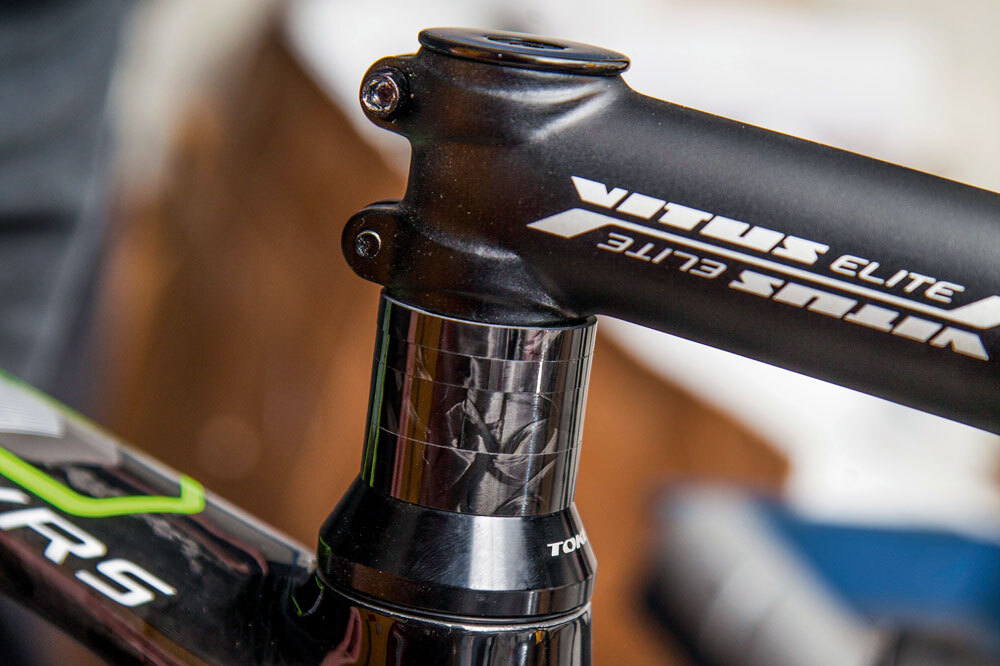
Adjusting the headset after installation is a crucial step for ensuring smooth and safe cycling. A properly adjusted headset enhances handling, stability, and overall comfort while riding. Neglecting this adjustment can lead to complications such as excessive play or binding, which can compromise both the bike’s performance and the rider’s safety.
Proper adjustment of the headset is vital for maintaining optimal functionality and performance of the bicycle. An improperly adjusted headset can lead to a range of issues, from poor handling to unwanted noise, and can even affect safety while riding. Therefore, it is essential to undertake this step with care.
Methods to Check for Proper Adjustment
Ensuring that the headset is well-adjusted involves a few straightforward checks. These checks will help confirm that you have achieved the correct tension and alignment.
Check for Play
To determine if the headset is too loose, apply the front brake and push the bike forward. While holding the front brake, wiggle the handlebars side to side. If there is noticeable movement or clunking noises, the headset is too loose and requires tightening.
Check for Binding
Rotate the handlebars from side to side. If you encounter resistance or feel a grinding sensation, the headset may be too tight and needs adjustment.
Steering Feel
The headset should allow smooth steering. When turning the handlebars, the motion should feel fluid and not hesitant.
Troubleshooting Common Adjustment Problems
Adjustment issues can frequently arise when setting up a new headset. Recognizing these problems early can save time and ensure a safe cycling experience. Below is a guide to troubleshoot common adjustment problems.
The Headset is Too Loose
If the headset feels wobbly or there is excessive play, tighten the top cap bolt using the appropriate tool. Be cautious not to overtighten, as this can lead to binding.
The Headset is Too Tight
If turning the handlebars feels difficult, first loosen the top cap bolt slightly, then check if the headset is properly seated. If necessary, ensure that spacers are correctly placed, and readjust accordingly.
Noise When Turning the Handlebars
If you hear creaking or clicking sounds, this may indicate that the headset bearings are not lubricated adequately or that debris has entered the assembly. Disassemble the headset, clean the bearings, and apply proper lubrication before reassembling.
Uneven Handlebar Movement
If the handlebars do not move evenly or feel unbalanced, check for proper installation of the headset components. Ensure that all parts are correctly aligned and secured according to the manufacturer’s specifications.
Adjusting the headset after installation is essential for maintaining the bike’s performance and ensuring a safe ride. Regular checks and appropriate adjustments are vital for optimal functionality, ensuring a smooth and enjoyable cycling experience.
Maintenance Tips for Bicycle Headsets
Regular maintenance of bicycle headsets is essential to ensure optimal performance and prolong their lifespan. By incorporating simple maintenance practices into your cycling routine, you can prevent premature wear and ensure a smooth riding experience. This section Artikels practical maintenance tips, recommendations for periodic inspections, and effective cleaning techniques to keep your headset functioning at its best.
Routine Maintenance Practices
Maintaining your bicycle headset involves periodic inspections and basic care practices that can significantly enhance its longevity. Regularly checking the headset for any signs of wear or damage is crucial. Below are key maintenance practices:
- Inspection for Wear: Periodically examine the headset for any unusual noises or loose components. Pay attention to any play in the handlebars, as this may indicate a loose headset.
- Lubrication: Apply a suitable bike-specific grease or lubricant to the bearings and races during maintenance. This ensures smooth operation and helps prevent corrosion.
- Tightening: Ensure that all bolts are properly torqued to the manufacturer’s specifications. Loose bolts can lead to headset failure and affect steering precision.
Inspection Schedule and Necessary Adjustments
Establishing a routine inspection schedule is vital for maintaining headset functionality. The following guidelines can help you determine how often to inspect and adjust your headset:
- Monthly Inspections: Check the headset at least once a month, especially if you ride frequently or in challenging conditions. Look for any signs of looseness or unusual wear.
- Post-Ride Checks: After long rides or rough terrains, perform a quick check to ensure the headset remains tight and functional.
- Annual Comprehensive Inspection: Conduct a thorough inspection of the headset components annually, including a complete disassembly if necessary to clean and re-grease the bearings.
Cleaning Techniques for Optimal Condition
Keeping the headset clean is essential for preventing dirt accumulation that can lead to wear and performance issues. The following cleaning techniques will help maintain your headset in optimal condition:
- Disassembly for Deep Cleaning: To clean the headset thoroughly, disassemble it carefully. Use a soft cloth to wipe down all parts, paying special attention to the bearings and races.
- Cleaning Solutions: Utilize a mild degreaser to remove grime and grease build-up without damaging the components. Avoid using harsh chemicals that may corrode metal surfaces.
- Drying: After cleaning, ensure all parts are completely dry before reassembly. This prevents moisture accumulation, which can lead to rust and deterioration.
Troubleshooting Common Headset Issues
Bicycle headsets, while designed to provide smooth steering and stability, can occasionally present issues that hinder performance. Identifying and resolving these problems promptly is crucial for maintaining safety and ensuring an enjoyable riding experience. Below, we explore some frequent issues associated with bicycle headsets, along with practical solutions to rectify them.A well-maintained headset contributes significantly to the overall performance of a bicycle.
Understanding how to troubleshoot common issues can help cyclists avoid unnecessary repairs and improve their riding experience. Below are some common symptoms of headset problems, along with suggested fixes.
Common Headset Issues and Solutions
The following table Artikels various symptoms associated with headset problems and their corresponding solutions. This comparison aims to provide a quick reference for cyclists facing issues with their bike’s headset.
| Symptom | Possible Fix |
|---|---|
| Loose headset causing wobbling or play in the handlebars | Tighten the headset adjustment cap using a headset tool until appropriate tension is achieved. |
| Grinding or rough feeling when turning handlebars | Inspect for dirt or debris in the headset; clean thoroughly and lubricate bearings if necessary. |
| Excessive stiffness in steering | Check for over-tightening; adjust the headset to reduce friction and ensure smooth operation. |
| Noise when turning handlebars | Inspect headset bearings for wear; replace if necessary and ensure proper lubrication. |
| Uneven bike handling or steering issues | Ensure the headset is properly aligned and components are correctly tightened; check for bent forks. |
Regular maintenance and checks can prevent many common headset issues.
Understanding these symptoms and their solutions allows cyclists to take proactive measures in maintaining their bicycles, ensuring a safer and more enjoyable ride.
Final Thoughts
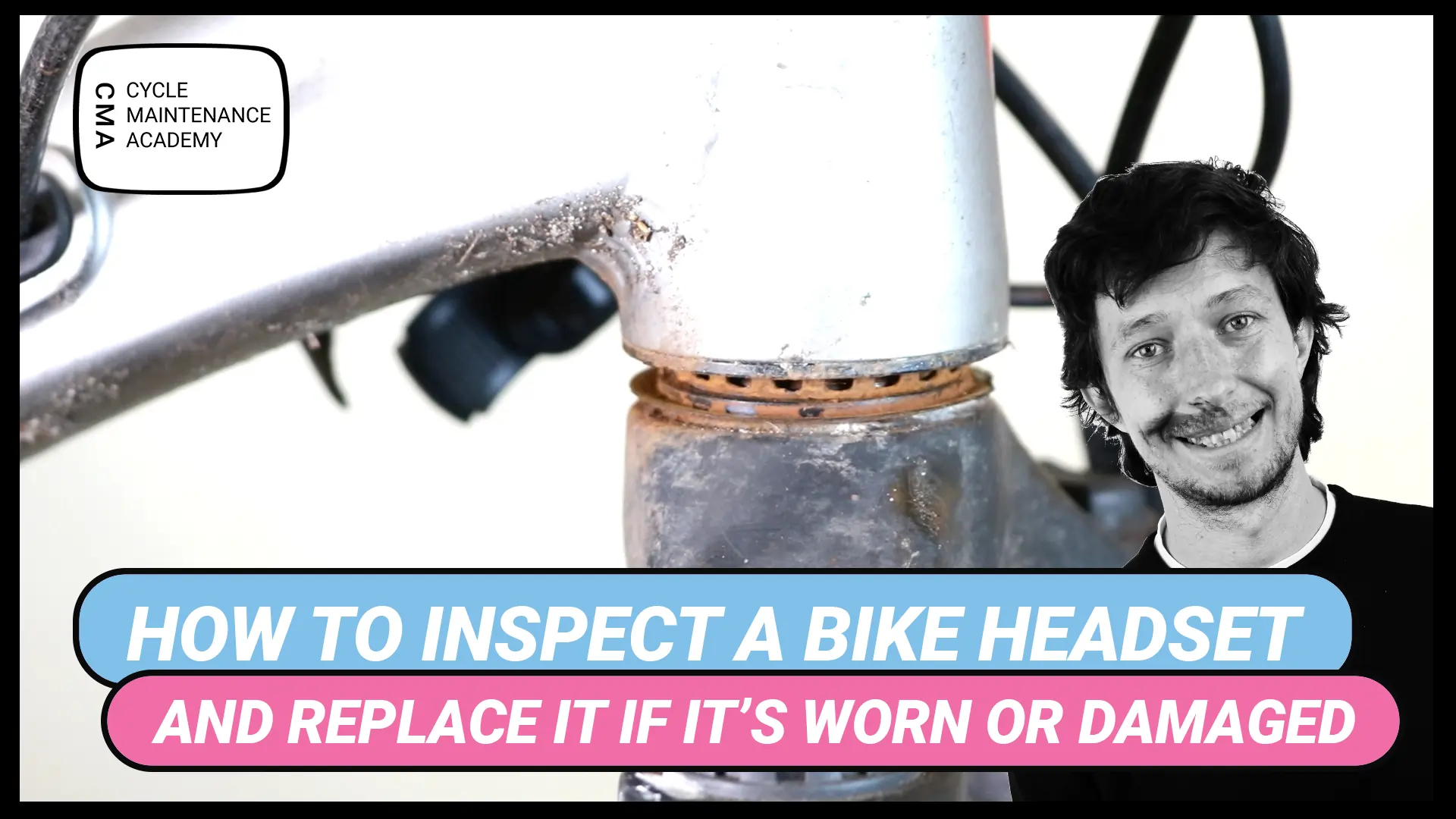
In conclusion, mastering the process of replacing a bicycle headset not only improves the functionality of your bike but also extends its lifespan, making your rides safer and more enjoyable. By adhering to proper maintenance practices and being aware of common issues, you can ensure that your headset remains in optimal condition. Embrace this essential skill, and enjoy the satisfaction of maintaining your bicycle for many rides to come.