How to Wash Your Bicycle Without Damaging It sets the stage for this essential guide, aimed at cyclists who understand the importance of maintaining their bicycles. Regular cleaning not only prolongs the life of your bike but also enhances safety and performance. By following the proper washing techniques, you can avoid the common pitfalls that may lead to rust and wear, ensuring your bicycle remains in top-notch condition.
This guide will take you through the necessary tools, the step-by-step washing procedure, and the specific areas that require special attention. Each section is designed to equip you with the knowledge to wash your bicycle effectively while avoiding common mistakes that could cause damage.
Importance of Washing Your Bicycle
Regular bicycle cleaning is crucial for maintaining the integrity and longevity of your bike. Keeping your bicycle clean not only enhances its appearance but also plays a vital role in ensuring its optimal performance. A well-maintained bicycle operates more smoothly, providing a safer and more enjoyable riding experience. Neglecting the cleanliness of your bicycle can lead to several detrimental effects.
Over time, dirt, grime, and moisture can accumulate, causing rust and corrosion to develop on critical components. This deterioration not only affects the aesthetic appeal of the bike but also compromises its mechanical functions. Furthermore, the presence of debris can lead to increased wear on moving parts, potentially resulting in costly repairs and a shorter lifespan for your bicycle.
Benefits of Regular Bicycle Cleaning
Maintaining a regular washing schedule for your bicycle brings multiple advantages that significantly enhance its functionality and longevity. Here are some key benefits:
- Prevention of Rust: Cleaning your bicycle helps eliminate moisture and dirt accumulation, which are primary contributors to rust formation. Regular washing ensures that metal components remain protected from corrosive elements.
- Enhanced Performance: A clean bike operates more efficiently. Accumulated dirt can affect the drivetrain and braking systems, causing them to function poorly. By keeping these parts clean, you ensure smoother gear shifts and more responsive braking.
- Extended Lifespan: Regular cleaning and maintenance can significantly extend the life of your bicycle. By preventing wear and tear on components, you reduce the frequency of replacements and repairs.
- Improved Safety: A clean bicycle is a safer bicycle. Debris can lead to mechanical failures, so by maintaining cleanliness, you minimize the risk of accidents caused by malfunctioning parts.
“Regular maintenance, including washing, is essential for extending the lifespan of your bicycle and ensuring a safe ride.”
In conclusion, the importance of washing your bicycle cannot be overstated. It is a simple yet effective way to ensure that your bike remains functional, safe, and visually appealing. By making cleaning a regular part of your maintenance routine, you can enjoy a better riding experience and protect your investment in your bicycle.
Tools and Supplies Needed
Washing your bicycle effectively requires the right tools and supplies to ensure a thorough clean without causing damage. Having the appropriate equipment not only makes the process easier but also enhances the longevity and performance of your bicycle.Essential cleaning tools for washing a bicycle include brushes, sponges, and cloths. Each tool serves a specific purpose and helps you reach different areas of your bicycle effectively.
Using the right cleaning agents is equally important, as some products can be harsh and potentially damage your bike’s components.
Essential Cleaning Tools
A variety of cleaning tools are necessary to achieve a spotless and well-maintained bicycle. Below is a list of the essential tools you should have on hand:
- Soft-Bristled Brush: Ideal for cleaning the frame and components without scratching the surface.
- Stiff Brush: Useful for scrubbing tougher areas, such as the tires and drivetrain.
- Sponges or Microfiber Cloths: Excellent for wiping down surfaces and applying cleaning agents.
- Chain Cleaner Tool: Specifically designed to clean the bicycle chain thoroughly and efficiently.
- Bucket: Necessary for holding water and cleaning solution during the wash.
- Hose or Spray Bottle: For rinsing off dirt and cleaning agents from the bicycle.
Best Cleaning Agents
Selecting the appropriate cleaning agents is crucial to prevent damage to your bicycle’s components. Below is a detailed discussion of the best cleaning agents to use and those that should be avoided:
- Bike-Specific Cleaners: These are formulated to be safe for all bicycle materials, including aluminum, carbon, and paint finishes.
- Degreasers: Use bike-specific degreasers for chain and drivetrain maintenance; avoid automotive degreasers as they can be too harsh.
- Soap and Water: A mild dish soap mixed with water can effectively clean the frame and components without causing corrosion.
- Products to Avoid: Avoid using household cleaners, bleach, or ammonia-based products, as these can damage the bike’s finish and components.
Recommended Products
The following table lists recommended cleaning products along with their features and benefits:
| Product Name | Features | Benefits |
|---|---|---|
| Finish Line Super Bike Wash | Eco-friendly formula, safe on all surfaces | Excellent for regular cleaning without risk of damage |
| Muc-Off Bio Degreaser | Biodegradable, highly effective on grease | Safely breaks down heavy grime and dirt on drivetrain |
| Park Tool Chain Cleaning Kit | Includes multiple brushes and cleaning solution | Makes chain cleaning quick and efficient |
| Simple Green All-Purpose Cleaner | Mild formula, non-toxic and biodegradable | Great for general cleaning without harmful effects |
Step-by-Step Washing Procedure
Maintaining the integrity and performance of your bicycle is crucial, and washing it properly is an essential part of this upkeep. A thorough cleaning prevents dirt and grime from building up, which can lead to wear and tear over time. The following step-by-step guide will ensure that your bicycle is washed effectively without causing any damage.Rinsing and drying your bicycle are critical steps in the washing process.
Rinsing removes loose dirt and debris, while proper drying prevents rust and corrosion, particularly in sensitive areas like the chain and brakes. It is essential to follow these steps carefully to maintain the bicycle’s longevity and optimal performance.
Step-by-Step Washing Process
Begin by gathering all necessary tools and supplies as Artikeld previously. Ensuring you have everything on hand will help streamline the washing process. – Preparation
Place your bicycle in a well-ventilated area, preferably outside or in a garage.
- Use a bike stand if available, to keep the bicycle stable during washing.
- Initial Rinse
- Start by gently rinsing the bicycle with water. This step is crucial as it helps remove loose dirt and debris without scrubbing, which could scratch the frame or components.
- Apply Cleaner
Use a bike-specific cleaner or a mild soap diluted in water. Avoid using harsh chemicals that could damage the finish.
- Apply the cleaner using a soft sponge or cloth, focusing on areas with built-up grime.
- Scrubbing
Gently scrub all parts, including the frame, wheels, and drivetrain. For areas with stubborn dirt, use a soft brush or an old toothbrush.
- Pay special attention to the chain, cassette, and derailleurs, as these areas can accumulate significant grime.
- Final Rinse
- After scrubbing, rinse the bicycle thoroughly to remove all soap and dirt. Ensure that no cleaning product remains, as it could harm the components over time.
- Drying
Use a clean, dry cloth to wipe down the bicycle. Be sure to dry all components, including the frame, wheels, and especially the chain and brakes.
Allow the bicycle to air dry completely before returning it to storage or using it again.
To ensure a successful washing experience, consider the following dos and don’ts:While washing your bicycle, following specific guidelines can help avoid damage and promote effective cleaning.
Washing Do’s and Don’ts
The following list Artikels key points to keep in mind during the washing process.
- Do wear gloves to protect your hands from grease and cleaning solutions.
- Do use bike-specific cleaning products to prevent damage to components.
- Do ensure that all moving parts are adequately dried to avoid rust.
- Do inspect the bicycle for any signs of wear or damage during the washing process.
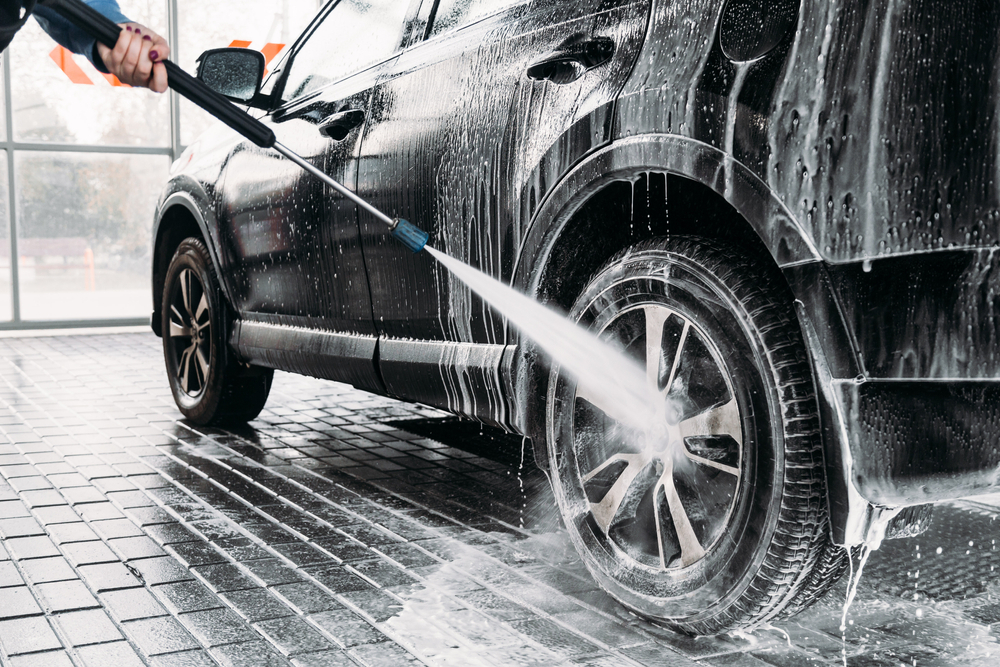
- Don’t use high-pressure water sprays, as they can force water into bearings and components.
- Don’t use abrasive sponges or brushes that can scratch the frame.
- Don’t wash the bicycle in direct sunlight, as this can lead to streaking and drying issues.
- Don’t forget to lubricate the chain and moving parts after drying to ensure smooth operation.
“A clean bicycle not only looks good but performs better and lasts longer.”
Specific Areas to Focus On
When washing your bicycle, it is crucial to pay special attention to certain components that are essential for its performance and longevity. Failing to clean these areas properly may lead to decreased functionality and potential damage over time. This section Artikels the key parts of your bicycle that require meticulous care during the washing process.Recognizing the major components of your bicycle is vital in ensuring a thorough cleaning.
The chain, brakes, and various nooks and crannies are particularly susceptible to dirt and grime accumulation. Therefore, a targeted approach to washing these areas will help maintain your bike effectively.
Chain Cleaning Procedures
The bicycle chain is often the most neglected part during cleaning, yet it is critical for smooth gear shifting and overall bike performance. To clean the chain effectively, follow these steps:
- Shift the chain onto the smallest chainring and the smallest rear cog. This tension allows for easier access to the chain.
- Apply a degreaser specifically designed for bike chains, ensuring it penetrates all links.
- Use a chain cleaning tool or a brush to scrub the chain thoroughly, paying attention to each link and roller.
- Rinse the chain with water, avoiding high-pressure sprays that may force water into bearings.
- After drying, apply a suitable bike chain lubricant to each link, wiping off any excess to prevent dirt attraction.
Brake Component Maintenance
Brakes are essential for safety, and cleaning them properly ensures optimal performance. Both rim brakes and disc brakes require specific care:
- For rim brakes, wipe down the brake pads with a clean, dry cloth to remove any debris or buildup. A gentle scrubbing with isopropyl alcohol can help eliminate stubborn grime.
- For disc brakes, carefully clean the rotors with a brake cleaner spray, wiping them down with a clean cloth. Avoid touching the rotor surface with your fingers to prevent contamination.
Cleaning Hard-to-Reach Areas
Many components of a bicycle have hard-to-reach areas that can harbor dirt and grime. These areas, if neglected, can adversely affect the bike’s overall hygiene and performance. To effectively clean these spaces, consider the following techniques:
- Utilize a soft-bristle brush or an old toothbrush for delicate regions, such as around the derailleur and under the seat post.
- A compressed air canister can be useful for blowing out dust and dirt from small crevices where a cloth or brush may not fit.
- For intricate areas, such as cable housing and behind the headset, a flexible cleaning towel or pipe cleaner can be employed to reach and wipe these surfaces.
Consistent maintenance of specific areas ensures the longevity and optimal performance of your bicycle, preventing costly repairs and enhancing your riding experience.
Common Mistakes to Avoid
Washing your bicycle is a vital part of its maintenance, yet there are several common mistakes that cyclists often make that can lead to damage or reduced performance. Understanding these pitfalls is essential to ensure your bike receives the care it deserves while prolonging its lifespan.Many cyclists underestimate the impact of their cleaning methods. Using the wrong tools or techniques can lead to unintended damage, including scratches on the frame, corrosion of components, or failure of moving parts.
Here are some frequent errors cyclists make when washing their bikes, along with their potential consequences.
Frequent Errors in Bicycle Washing
It is crucial to be aware of common mistakes made during the washing process. Below are some key points to consider that can help maintain the integrity of your bicycle:
- Using a High-Pressure Washer: High-pressure washers can force water into bearings and electronic components, leading to long-term damage.
- Using Household Cleaners: Many household cleaning agents can be too harsh and may strip lubricants or harm finishes. Always use bike-specific cleaners.
- Neglecting to Dry the Bike: Failing to properly dry the bicycle can lead to rust and corrosion, especially on metal parts.
- Ignoring Components: Some parts, like the chain and gears, require special attention. Neglecting them can diminish performance.
- Over-scrubbing: Aggressive scrubbing can scratch the frame or degrade protective coatings. It’s best to use gentle motions.
Importance of Rinsing Pressure
Using the right pressure when rinsing is essential for protecting sensitive components. A gentle rinse can effectively wash away dirt without forcing water into vulnerable areas, while excessive pressure can lead to damage. Remember, a light spray is often more effective and safer than a powerful jet.
Comparison of Cleaning Techniques
When considering cleaning techniques, it is important to recognize the difference between gentle and harsh methods. Below is a comparison table highlighting the key aspects:
| Technique | Gentle Cleaning | Harsh Cleaning |
|---|---|---|
| Pressure | Low pressure, less than 30 PSI | High pressure, often above 60 PSI |
| Cleaning Agents | Bike-specific, biodegradable | Household cleaners, ammonia-based |
| Scrubbing Tools | Soft brushes or cloths | Steel wool or abrasive sponges |
| Post-Wash Care | Thorough drying and lubricating | Omitting lubrication, risking rust |
“A gentle approach ensures your bicycle remains in optimal condition, safeguarding it from unnecessary wear and tear.”
Post-Washing Care
After thoroughly washing your bicycle, it is essential to implement a maintenance routine to protect its components and ensure its longevity. Post-washing care not only enhances the bike’s performance but also prevents rust and other damage that can arise from residual moisture. Properly caring for your bicycle after cleaning is crucial for maintaining its aesthetic appeal and functionality.Lubrication plays a significant role in post-washing care.
When you wash your bicycle, water and soap can strip away the lubricant from various moving parts. Failing to reapply lubricant can lead to increased friction and wear, resulting in potential mechanical issues over time. It is advisable to adhere to a regular lubrication schedule to keep your bike functioning smoothly.
Post-Washing Maintenance Checklist
Following a systematic checklist after washing your bicycle ensures that you do not overlook any important tasks. Here are the key tasks to complete:
- Drying: Use a clean, dry cloth to wipe off any remaining moisture, particularly from the frame, brakes, and gears, to prevent rust formation.
- Inspecting: Perform a thorough inspection of the bike’s components for any damage or wear that may have gone unnoticed during the washing process.
- Lubricating: Apply lubricant to the chain, derailleurs, cables, and any pivot points to ensure smooth operation. It’s essential to use a lubricant suitable for your bike’s specific components.
- Braking System Check: Examine the brakes to ensure they are functioning correctly. Adjust the brake pads if necessary to maintain optimal stopping power.
- Tire Pressure: Check and adjust the tire pressure to the recommended levels. Proper tire inflation enhances ride quality and safety.
- Wheel Truing: Inspect the wheels for trueness and ensure they spin freely without wobbling. Adjust if needed to prevent uneven tire wear.
- Cleaning Accessories: Clean any accessories such as lights or reflectors, ensuring they are bright and visible for safety during rides.
Regular post-washing maintenance can significantly extend the lifespan of your bicycle while enhancing its performance.
Environmental Considerations
Maintaining an eco-friendly approach while washing your bicycle is crucial, not only for the longevity of your bike but also for the preservation of the environment. Implementing sustainable cleaning practices can significantly reduce water consumption and minimize harmful chemical runoff into ecosystems.Using environmentally friendly cleaning products and methods lessens the chemical burden on our waterways. Traditional bicycle cleaning products often contain harsh chemicals that can have adverse effects on aquatic life and soil quality when they enter the environment.
Therefore, it is important to choose products that are biodegradable and non-toxic.
Sustainable Cleaning Products and Their Environmental Impact
Selecting cleaning products that are gentle on both your bicycle and the environment is essential. Below is a table listing various eco-friendly cleaning products along with their environmental impact:
| Product | Description | Environmental Impact |
|---|---|---|
| Biodegradable Bike Wash | A natural, plant-based cleaner designed specifically for bicycles. | Breaks down easily, minimizing water pollution. |
| Citrus Degreaser | A powerful degreaser made from citrus extracts. | Non-toxic and safe for wildlife. |
| Eco-Friendly Chain Lube | Lubricant made from natural oils. | Reduces harmful runoff into the environment. |
| Recycled Cleaning Cloths | Cloths made from recycled materials. | Minimizes waste and resource consumption. |
When disposing of used cleaning materials, it is vital to follow responsible disposal methods. This includes properly disposing of or recycling cleaning cloths and containers. Avoid pouring any leftover cleaning solutions down the drain unless they are confirmed to be non-toxic. Instead, consider these methods for disposal:
- Check local regulations for hazardous waste disposal.
- Utilize collection centers for chemicals or hazardous materials.
- Compost biodegradable cleaning cloths, if applicable.
Incorporating these sustainable practices not only ensures that your bicycle remains in top condition but also contributes positively to the environment. Adopting environmentally friendly methods during bicycle maintenance reflects a commitment to both personal health and the health of our planet.
Wrap-Up
/washing-hands-soap-572ceea03df78c038e4dc1ba.jpg "Top Five Reasons to Wash Your Hands")
In conclusion, washing your bicycle with care is paramount for its maintenance and longevity. By adhering to the Artikeld procedures and avoiding common mistakes, you can ensure your bike remains in excellent condition for many rides to come. Remember to incorporate eco-friendly practices into your washing routine for a sustainable approach to bicycle care.